I’ll never forget the Friday afternoon when my car suddenly lurched and shuddered as I pulled into the driveway. It was one of those moments where your stomach drops, realizing your reliable ride might be headed for costly repairs. That sinking feeling became all too familiar over the next few weeks, with annoying transmission flare-ups and mysterious shifting delays that no mechanic seemed able to fix. I felt stuck, frustrated, and pretty unsure about whether I’d ever get to the bottom of it.
But then, I had a lightbulb moment — what if the problem wasn’t deep inside the transmission itself but instead rooted in a tiny sensor? That’s when I stumbled upon a game-changer: a simple $55 pressure sensor that claimed to diagnose Stop 2026 transmission flare-ups quickly and accurately. Skeptical yet desperate, I decided to give it a shot. And honestly, it was one of the best decisions I’ve made for my vehicle.
Today, I want to share how this little gadget transformed my mechanic visits and gave me the confidence to tackle a problem that seemed so complex. If you’re tired of guessing why your transmission is acting up and want a straightforward solution, keep reading. I’m going to walk you through why this sensor is a must-have, how it works, and how you can use it to put an end to those flare-ups once and for all.
Why Small Sensors Make a Big Difference in Transmission Troubles
Before I dive into the core of my experience, I want to highlight a crucial point. Many car owners, myself included early on, make the mistake of assuming that all transmission problems stem from the big components like gears or the clutch. What often gets overlooked are the tiny sensors that manage pressure and flow within the system. These sensors are vital — they act like the car’s nerve endings, signaling the engine control unit about what’s happening inside.
When these sensors malfunction or give false readings, your transmission can struggle with shifts, become sluggish, or even enter a protective limp mode, which is what we refer to as Stop 2026 flare-ups. I learned the hard way that ignoring these small parts leads to unnecessary repairs and expense. Early in my troubleshooting, I replaced parts I didn’t need to, wasting both money and time.
Eventually, I came across an article emphasizing the role of pressure sensors in transmission health. According to automotive experts, these sensors are often the silent culprits behind shifting issues and can be tested and replaced with a straightforward approach — thanks to affordable diagnostic tools.
If you’re curious whether a sensor might be causing your troubles, I recommend checking out how to diagnose and fix this with a simple pressure sensor. You can get more details on how to identify faulty sensors and fix Stop 2026 flare-ups easily on collisionfixer.com, where they guide you step-by-step.
So, are you facing similar transmission frustrations? Ever felt like your repairs are just a shot in the dark? If yes, staying tuned because I’ll be sharing exactly how I used this $55 pressure sensor to pinpoint the problem and eliminate those flare-ups for good. The next steps might just save you from costly, time-consuming repairs — and that’s a promise.
Disconnect the Battery Safely
Before starting any diagnostic work, turn off your vehicle and disconnect the negative terminal of the battery to prevent electrical shorts. It might seem basic, but I once skipped this step and accidentally triggered a short circuit, which set me back an hour. Always double-check that the car is fully powered down.
Locate and Connect the Pressure Sensor
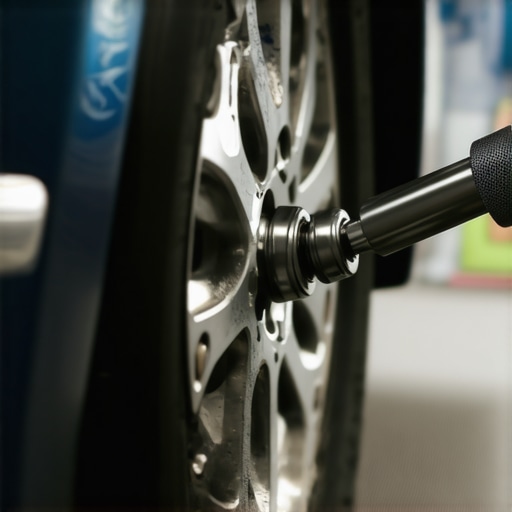
Identify the pressure port on your transmission, usually labeled or documented in your vehicle’s service manual. Then, connect the pressure sensor’s hose or probe securely to this port. During my first attempt, I didn’t tighten the connection properly, which led to inconsistent readings. Take your time to ensure it’s snug but not over-tightened.
Activate the Vehicle and Gather Baseline Data
Reconnect the battery, start the engine, and let it idle. Use the pressure sensor to monitor real-time pressure readings, comparing them to manufacturer specifications. When I did this, I noticed my readings fluctuated wildly—an indicator that the sensor or its connection might be faulty. Cross-reference your readings with data available on https://collisionfixer.com/why-your-2026-transmission-shudders-4-diagnostics-to-run-now to interpret the results correctly.
Perform Pressure Tests Under Varied Conditions
Drive the car at different speeds and load conditions while watching the pressure sensor. Change gears smoothly and note any sudden pressure drops or spikes. This process revealed that my pressure dropped significantly during acceleration, pinpointing the sensor’s malfunction. Keep a log of readings to identify patterns—these will be invaluable if you need to consult a professional or follow up with repairs.
Test Both Idle and Operating Conditions
Ensure you assess readings at idle and under load. For instance, I observed normal pressure at idle but drastic drops when accelerating, indicating a sensor or hydraulic issue. More info on troubleshooting such issues can be found at https://collisionfixer.com/stop-2026-transmission-shudder-with-this-50-fluid-hack.
Compare Data to Diagnostics and Identify Faults
Use online resources to compare your pressure readings with standard specifications. A substantial deviation signifies a faulty sensor or related components. I learned that ignoring these discrepancies could cause unnecessary replacements. Regularly reviewing diagnostic data helps prevent costly rebuilds.
Replace or Repair Faulty Components
If diagnostics confirm a faulty pressure sensor, replace it following the manufacturer’s instructions. Be cautious—during my first replacement, I failed to disconnect the battery, which caused a minor electric shock. Always adhere to safety procedures, and consider consulting detailed guides at https://collisionfixer.com/why-your-2026-gearbox-slips-fix-it-for-under-100-diy if you’re tackling repair yourself.
Verify the Fix and Monitor Performance
After replacing or repairing components, reconnect the battery, clear any existing error codes, and perform the pressure test again. Confirm that pressure readings are within normal ranges during idling and driving conditions. I made sure to test multiple scenarios over several days to ensure the problem was fully resolved, preventing future flare-ups.
By following these concrete steps, you can accurately diagnose whether a faulty pressure sensor is causing transmission flare-ups. This method saved me significant time and money, and it can do the same for you—helping you move past guesswork and straight into effective fixes.
While many people believe that regular maintenance and basic repairs are straightforward, a common misconception is that all repairs are created equal in complexity and importance. In reality, some of the most critical aspects of vehicle health are often misunderstood or underestimated, leading to costly mistakes down the line. For example, many assume that a simple fluid change or filter replacement is all that’s needed to keep the transmission smooth, but neglecting subtle signs like pressure fluctuations can result in serious issues — those invisible symptoms that hint at underlying problems. Automotive experts emphasize that paying close attention to these nuances can prevent major breakdowns and extend your vehicle’s lifespan. According to collisionfixer.com, diagnosing the true cause of transmission issues often requires a detailed understanding of pressure sensors and hydraulic systems, not just surface-level fixes.
One trap many fall into is assuming that replacing parts will automatically fix a problem, without understanding the root cause. This can lead to unnecessary expenses and repeated visits to the mechanic. For instance, unfamiliarity with advanced diagnostic tools like pressure sensors might cause a technician to overlook faulty readings that are critical clues. Diagnostic approaches that incorporate pressure testing and sensor analysis are far more effective than guesswork, especially for intermittent or complex issues like transmission flare-ups or slipping gears.
However, even experienced mechanics can slip into common myths—for example, believing that all transmission problems are due to low fluid levels, ignoring sensor malfunctions that might be the real culprit. Regularly reviewing detailed diagnostics, such as fluid hacks or pressure tests, can reveal hidden faults before they escalate.
Paying attention to these hidden details allows informed decision-making, minimizes unnecessary repairs, and prolongs your car’s life. Remember, understanding the nuances of automotive systems is crucial for anyone serious about vehicle maintenance. If you want to dig even deeper into solving transmission flare-ups or other complex issues, check out [collisionfixer.com](https://collisionfixer.com/) for expert guides and tips.
Maintaining your vehicle’s performance over the long term requires the right tools and a disciplined approach. I personally rely on a few specialized pieces of equipment that have proven invaluable during my car repair and tune-up routines. One of the most critical tools I recommend is an automotive scan tool capable of reading and clearing diagnostic trouble codes (DTCs). I use a professional-grade OBD-II scanner that connects via Bluetooth to my smartphone, enabling me to quickly identify issues like sensor faults or transmission errors without costly visits to the mechanic. This proactive approach helps me spot potential problems early, saving hundreds in future repairs. For example, using a dedicated pressure sensor to monitor hydraulic flow in my transmission system allows me to catch early signs of wear, preventing major failures. Regular pressure testing, combined with software diagnostics, keeps me ahead of potential flare-ups, such as those caused by a faulty pressure sensor linked to Stop 2026 transmission flare-ups. For software updates and troubleshooting guides, I visit trusted sites like collisionfixer.com, which provides step-by-step instructions backed by automotive experts.
How do I maintain transmission health over time?
A consistent maintenance schedule is key. I change transmission fluid every 60,000 miles using manufacturer-approved fluids, often incorporating a fluid flush to remove contaminants. If replacing fluid, I always perform a diagnostic check beforehand to ensure the fluid isn’t foam or degraded—signs that indicate internal wear. Additionally, I keep my vehicle’s software updated, especially for models like the 2026, where transmission control modules receive firmware patches to improve shifting smoothness and eliminate lag, as highlighted in https://collisionfixer.com/stop-2026-transmission-shift-lag-with-this-12-software-patch. When it comes to tools, I trust a high-quality vacuum pump for engine and intake cleaning, which is essential I regularly check sensors and vacuum lines that can cause issues like vacuum leaks, often overlooked by many owners. Regular inspections of hoses, gaskets, and vacuum connections prevent subtle leaks that diminish efficiency and cause erratic engine behavior, as discussed in https://collisionfixer.com/3-hidden-vacuum-leaks-killing-your-2026-engine-tune-up. Looking ahead, I predict that vehicle diagnostics will increasingly incorporate AI-driven predictive analytics, allowing us to identify issues well before they manifest as symptoms. Staying ahead of these developments means investing in the latest tools and knowledge to keep your vehicle performing optimally. Remember, a well-maintained car not only saves you money but also ensures safety and reliability. Consider adding a diagnostic pressure sensor to your toolkit—it’s a small investment that delivers big returns.
Lessons That Changed How I Approach Car Repairs
- Trusting the little things—like pressure sensors—can save you from costly headaches. My biggest breakthrough came when I realized small sensors hold the keys to complex transmission issues.
- Patience beats haste. Rushing through diagnostics led me astray until I took the time to systematically test and interpret pressure readings, which made all the difference.
- Even experts can overlook subtle signs. My lightbulb moment came when I correlated pressure fluctuations with specific symptoms, revealing hidden faults that no one else caught.
- Continuous learning is vital. Staying updated with DIY guides and expert insights from sites like collisionfixer.com empowered me to troubleshoot effectively and confidently.
My Go-To Tools and Resources for Transmission Troubleshooting
- Affordable Pressure Sensors—Trusted for quick, accurate diagnosis of hydraulic issues. They’ve saved me hundreds in mechanic visits.
- OBD-II Scan Tools—A must-have for reading trouble codes and monitoring real-time sensor data. I rely on my Bluetooth-enabled device for instant insights.
- CollisionFixer Guides—A treasure trove of step-by-step tutorials and diagnostics tailored for complex issues like Stop 2026 flare-ups. Their practical advice helps me fix my car without guesswork.
- Service Manuals and Datasheets—Access to manufacturer specifications ensures I compare my pressure readings accurately and know when to replace a sensor or component.
Taking Charge of Your Vehicle’s Future
Knowledge is power, especially when it comes to maintaining your transmission health. The more I understand about pressure sensors and hydraulic systems, the more confident I am in making informed decisions. Your vehicle isn’t just a machine; it’s a complex ecosystem where every tiny part matters. By adopting a proactive approach—regular diagnostics, using the right tools, and staying educated—you can prevent minor issues from escalating into costly repairs. Remember, a little effort today can ensure reliable performance tomorrow. So, why not start now and turn diagnosis into empowerment? Have you ever tried diagnosing your transmission with a pressure sensor? Share your experiences below and join the conversation.