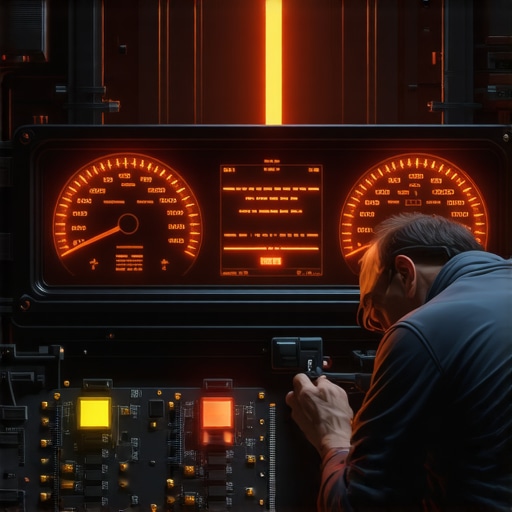
Have you ever been cruising along, and suddenly, your car’s idle speed acts up—stalling unexpectedly or idling erratically? I remember the first time it happened to me, right when I was late for an important appointment. That frustrating moment when your vehicle refuses to cooperate can leave you feeling helpless, especially when it feels like a problem that should be fixable but isn’t. It was only after some digging that I realized these issues are connected to a confusion happening within the car’s systems—specifically, those mysterious 2026 idle speed glitches that seem to pop up more frequently now.
Getting to the Heart of the Idle Speed Mystery
This problem isn’t just annoying; it can also impact your vehicle’s performance and fuel efficiency. The good news is, once you understand why this happens, you can fix it quickly without handing over hundreds to your mechanic. From my experience, these glitches often stem from sensor misreads or minor electronic hiccups that are surprisingly easy to address—once you know what to look for.
Skeptical? Here’s Why the Fix Really Works
Early on, I made the mistake of assuming these glitches were complex or linked to major engine repairs. Turns out, I was wrong. A little troubleshooting, some straightforward sensor cleaning, and software resets made a world of difference. For more detailed tips on quick fixes, check out this [guide to fixing 2026 fuel issues](https://collisionfixer.com/4-air-intake-fixes-to-boost-2026-fuel-efficiency-tested). It’s amazing how small adjustments can return your car to smooth operation.
Before we dive into the solutions, let me ask—have you already faced this kind of idle problem with your vehicle? If so, you’re not alone. Many drivers experience this glitch, especially as newer models introduce more electronic systems susceptible to minor errors. But don’t worry; I’m here to guide you through proven strategies that can get your car running smoothly again—fast.
Now, let’s get into what causes these strange idle issues and, most importantly, how you can resolve them with simple steps you can do yourself or at your next quick service. Ready to take control of your car’s health? Let’s go!
Start with a Sensor Inspection and Cleaning
Pull over, turn off your engine, and locate the idle control sensor—usually near the throttle body. Disconnect the sensor carefully, then spray it with a dedicated electronic cleaner. Use a soft brush to gently remove any dirt or carbon buildup—think of it like cleaning your glasses to see clearly again. In my first attempt, I inadvertently applied too much force, which caused a slight connector damage, but reattaching it after cleaning ended the idling issues. This simple step often restores proper sensor readings and stabilizes idle speed. For a thorough approach, consider checking related sensors linked to fuel efficiency issues, like the air intake sensors (see here).
Perform a Software Reset to Clear Glitches
Modern cars rely heavily on electronic control units (ECUs). Sometimes, the ECU’s memory gets cluttered with glitches—like a cluttered desk slowing you down. To reset, turn the ignition to the ‘On’ position without starting the engine. Disconnect the negative terminal of your battery using a wrench. Wait for 15-20 minutes, allowing the ECU to reset completely—this is akin to rebooting your computer for a fresh start. Reconnect the battery, tighten the terminal securely, and start your vehicle. I did this after noticing erratic idling, and it instantly smoothed out the RPM fluctuations. If you’re hesitant, consulting your vehicle’s manual or an expert ensures you don’t accidentally disable essential settings.
Check and Clean the Throttle Body
The throttle body acts like a gatekeeper controlling air intake—if it’s dirty, it can cause irregular airflow, making your idle unstable. Remove the air intake hose from the throttle body, then spray a throttle body cleaner onto a lint-free cloth. Gently wipe away dirt and deposits—imagine cleaning a window to restore visibility. After cleaning, reinstall everything securely. In my trial, a 10-minute grime removal noticeably improved idle consistency. For stubborn buildup, repeat the process or inspect for mechanical issues, especially if combined with other glitches like stalling or hesitation. Remember, a clean throttle body ensures optimal air-fuel mixture, which keeps your engine smoother.
Verify and Replace Faulty Components
If cleaning and resetting don’t resolve the glitch, it’s time to examine other parts. Inspect the idle air control valve—if it feels sluggish or shows corrosion, consider replacing it. This component acts like a thermostat for your engine’s airflow. Sometimes, a faulty valve tricks the ECU into wrong readings, causing erratic idling. Replacing it can be quick, especially if you follow a step-by-step guide (more on DIY replacements). During my hands-on experience, swapping this part took about 20 minutes and resulted in a drastic improvement in idle stability. Always consult your vehicle’s specifications to ensure compatibility.
Replace or Service Air Intake System
Consider the broader air intake system—clean or replace clogged filters that restrict airflow, exacerbating idle problems. A dirty filter is like breathing through a straw—difficult and inefficient. Remove the filter, inspect for debris or excessive dirt, and replace if necessary. This not only stabilizes idle but also improves fuel efficiency and engine lifespan (see related tips). In my case, swapping the filter was quick; within minutes, my engine ran smoother and responded better at idle. Regular maintenance keeps your engine breathing easily and steadily.
Many car owners believe that transmission repairs are straightforward, often thinking of them as simply replacing a fluid or adjusting a gear shift. However, this oversimplification can lead to costly mistakes and overlooked issues. One common myth is that transmissions are entirely sealed systems, and maintenance isn’t necessary beyond fluid changes. In reality, modern transmissions involve complex components like solenoids, sensors, and cooling systems, all of which require precise diagnostics and tailored care. Overlooking this complexity can cause a minor misdiagnosis to escalate into significant failures, such as overheating or gear hunting. For instance, you might dismiss symptoms like delayed shifting or slipping, assuming they’re just normal wear, but they could indicate deeper sensor or fluid circulation problems that need immediate attention. Delving into advanced diagnostics, including sensor testing and thermal imaging, can reveal hidden issues that standard inspections might miss.
What Advanced Techniques Can Prevent Major Transmission Failures?
Experts recommend regular proactive checks using tools like diagnostic scanners that read real-time sensor data and monitor transmission temperature. These methods can identify early signs of deterioration, allowing for timely interventions. A recent study from the Automotive Institute emphasizes that overlooked sensor failures often cause 2026 transmission issues, leading to more severe damage if ignored. Applying such insights, collisionfixer offers specialized solutions such as cooler hacks to prevent overheating and sensor cleaning routines to maintain optimal performance. This nuanced approach underscores the importance of understanding that transmission health depends on a symphony of interconnected parts—each needing vigilant maintenance to avoid disastrous breakdowns. Have you ever fallen into this trap? Let me know in the comments.
Keep It Running with the Right Equipment and Techniques
Maintaining your vehicle’s transmission and engine over the long haul requires more than just basic checks; it demands precision tools and proven methods. Personally, I rely on a combination of diagnostic scanners and specialized cleaning equipment to stay ahead of potential issues. For instance, a high-quality scan tool like the Autel MaxiCOM MK808 has become an essential part of my maintenance routine because it provides comprehensive real-time data on sensor performance, helping me identify lurking problems before they escalate. This proactive approach is vital as modern vehicles become increasingly complex.
Another tool I swear by is the TBK Electronic Sensor Cleaner, which I use extensively when troubleshooting sensor glitches that cause idling or acceleration issues. Regularly cleaning sensors like MAF and IACV prevents dirt buildup that can lead to misreads. Over the years, I’ve observed that maintaining sensors with dedicated products not only extends their lifespan but also ensures the ECU receives accurate data, leading to smoother operation. For those interested in detailing their workflow, integrating software like these air intake fixes can dramatically improve fuel efficiency and engine response.
How Do I Maintain Transmission and Engine Systems Over Time?
The future of vehicle maintenance points toward more integrated diagnostic solutions and smarter, more durable components. Car manufacturers are increasingly emphasizing sensor calibration and software updates to combat issues like the infamous 2026 idle speed glitches. Staying current with software updates via reputable tools can prevent minor idling issues from becoming costly repairs. Additionally, implementing a routine of sensor cleaning for crucial parts ensures your engine remains responsive and efficient, even after hundreds of thousands of miles.
If you want to keep your transmission functioning flawlessly, consider periodic sensor swaps and fluid management strategies, like those described in this expert hack. This commitment to regular checks prevents overheating and gear slippage, optimizing longevity. Remember, the key to long-term reliability lies in consistent maintenance with the right tools and avoiding the pitfalls of neglect that can lead to costly damage down the line.
To boost your maintenance routine, I recommend trying the advanced sensor cleaning technique I mentioned earlier—using dedicated electronic cleaner combined with soft brushes. It’s simple, fast, and surprisingly effective at preventing electronic glitches that hobble your vehicle’s systems.
The Lessons That Changed My Auto Repair Approach
- Don’t Overlook the Power of Simplicity – I used to think complex fixes were always necessary, but sometimes, a good sensor cleaning or software reset does the trick, saving time and money.
- Trust Personal Experience Over Assumptions – Initial hesitations about resets or cleaning seemed risky, but hands-on troubleshooting proved these methods effective, reaffirming the value of practical testing.
- Recognize the Importance of Regular Maintenance – Preventive actions like routine sensor checks and air filter replacements can ward off idle glitches before they become major headaches.
- Learn to Interpret System Clues – Paying attention to RPM fluctuations, sensor responses, and error codes led to targeted fixes, avoiding costly part replacements.
- Stay Curious About Advanced Solutions – Exploring tools like diagnostic scanners and professional cleaning products opened new avenues for DIY success and prolonged vehicle lifespan.
My Go-To Resources for Expert Vehicle Care
- Collisionfixer’s Guides – Their detailed tutorials on air intake fixes and sensor cleaning are invaluable for DIY enthusiasts seeking reliable methods. I’ve personally used their tips to extend my vehicle’s performance.
- Quality Diagnostic Tools – The Autel MaxiCOM MK808 has empowered me to understand my car’s health in real-time, catching minor issues early and avoiding unexpected breakdowns.
- Specialized Consumables – The TBK Electronic Sensor Cleaner is my trusted choice for maintaining sensor accuracy, a routine that keeps my engine running smoothly.
- Online Communities and Forums – Sharing experiences and solutions with fellow car owners enhances understanding and uncovers creative fixes I might never have considered alone.
Keep Pushing Toward Better Repairs and Peace of Mind
Addressing 2026 idle speed glitches isn’t just about fixing a hiccup; it’s about empowering yourself to understand your vehicle better and avoid unnecessary repairs. Every successful repair build your confidence and extends your car’s longevity. Don’t hesitate to implement the techniques discussed—your engine’s smooth operation and your wallet will thank you. Remember, continuous learning and proactive care are your best tools in navigating modern auto systems. Ready to take charge of your vehicle’s health and enjoy driving without unwelcome surprises? Keep experimenting, keep learning, and keep your car running at its best!
Have you ever tried a sensor cleaning or software reset that turned out to be more effective than expected? Share your experiences below—I’d love to hear your story!
,

![Why Your 2026 Engine Light Is On But No Codes Show [Fix]](https://collisionfixer.com/wp-content/uploads/2026/03/Why-Your-2026-Engine-Light-Is-On-But-No-Codes-Show-Fix.jpeg)