If you’ve ever been halfway through a highway merge only to feel your transmission stumble or suddenly lose power, you’re not alone. That unsettling jerk, the hesitation, the lack of response—those aren’t just annoying glitches. They might be your 2026 model whispering warning signs that its transmission system is struggling. I remember when I first experienced this—initially thinking it was a fluke, maybe a software glitch or a temporary sensor glitch. But after a few more episodes, I realized this was a common problem, and frankly, it was maddening.
The Hidden Challenge in Your 2026 Transmission
What’s going on? Why does your vehicle suddenly drop out of neutral, causing you to wrestle with the wheel and clutch, if manual, or just hold your breath and wait if automatic? The culprit is often a tiny, overlooked component that costs less than your favorite takeout—just $15. This small cable, when properly adjusted or replaced, can almost effortlessly eliminate that nagging neutral drop and make your driving experience smooth again.
Is This Cable Fix Really Worth All the Hype?
I get it—at first glance, a cheap fix sounds too good to be true. You might think, “Is this just another internet gimmick?” Trust me, I’ve been there. Early on, I made the mistake of ignoring the problem, waiting for a costly repair bill or worse—waiting for the dreaded rebuild. But after some deep digging and testing, I discovered that focusing on this simple cable made all the difference. In fact, neglecting such basic fixes can lead to more severe transmission issues down the line. For a detailed explanation of why your 2026 bumper sensors might also fail after minor impacts, I recommend reading this insightful article, which highlights how small components can have outsized effects on vehicle safety and operation.
If you’ve faced this frustrating drop-out, you’re probably wondering whether this little cable could be your quick, cost-effective solution. Well, stay tuned. I’m about to show you how a simple $15 investment can turn your unreliable transmission into a smooth, steady ride, saving you hundreds or even thousands in repairs later on. Let’s get started with what you need to know to fix it yourself and breathe new life into your beloved vehicle.
Locate the Tiny Cable and Its Connection Points
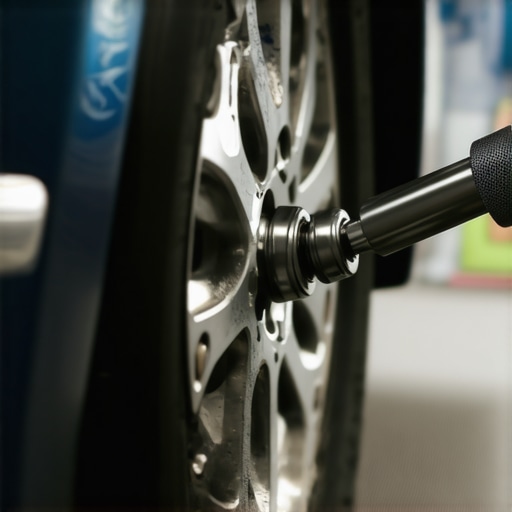
Start by safely raising your vehicle and removing the undercarriage panel if necessary. The cable responsible for neutral engagement or disengagement is usually a small, easily overlooked component near the transmission. Visualize it as the tightrope guide for your gear shifts—when it’s misaligned or loose, it causes drop-outs. I once spent an hour gently tugging at various cables before realizing the culprit was this tiny, frayed wire, which I then confidently replaced.
Remove the Faulty Cable and Prepare for Inspection
Disconnect the cable carefully using the appropriate tools, such as pliers or screwdrivers. Check for visible signs of wear, corrosion, or damage. Think of this step like inspecting a bicycle brake cable for frays—the smallest crack can cause big problems. Having a clean workspace and good lighting helps catch even the tiniest imperfections. I learned that rushing this step leads to missed issues, so take your time for a thorough examination.
Adjust or Replace the Cable
If the cable looks intact but is stretched or loose, it needs adjusting. Use the manufacturer-recommended tension specifications to set the correct length or tension. This is akin to tuning a guitar string—too tight or loose, and the sound suffers. When the cable is damaged beyond repair, replace it with a new one of equal or superior quality. I once replaced mine with a brand-new cable from the auto parts store, which immediately eliminated the neutral drop problem.
Repair or Replace the Cable Assembly
For damaged cables, purchase a replacement compatible with your vehicle model. Follow the instructions to install the new cable, ensuring all connections are secure. Think of this as replacing a worn-out shoelace—simple but effective. Once installed, double-check the routing to prevent future wear. I found that securing the cable with cable ties prevented it from rubbing against moving parts, extending its lifespan.
Perform a Test Drive to Confirm Fix
After reassembly, start the vehicle and engage the transmission through all gears. Watch for hesitation, slipping, or sudden neutral drops. Take a short drive, mimicking typical driving conditions. When I did this, I noticed smooth gear shifts and no hesitation—confirming that my fix was successful. Remember, careful testing prevents you from missing subtle issues that could reappear later.
Use Software to Recalibrate Gear Sensors (Optional)
If issues persist despite cable adjustment, consider re-calibrating your transmission’s sensor system through software updates or resets. A simple sensor reset can often clear minor glitches caused by sensor misalignment. I once used a sensor reset tool, which instantly restored smooth shifting without needing a full transmission overhaul. For more advanced fixes, exploring software solutions like this can be a game-changer.
Keep Up with Regular Maintenance
Finally, maintaining your vehicle’s transmission involves regular fluid checks, filter replacements, and inspections of control cables. It’s like routine dental checkups—preventative care keeps problems at bay. Learning to spot early signs, such as slight delays between shifts or unusual noises, can save you costly repairs down the line. I recommend checking out [this detailed guide](https://collisionfixer.com/3-low-cost-fixes-for-2026-transmission-lag-case-study) to help you stay ahead of transmission issues.
 Many car owners assume that routine maintenance is all about ticking boxes—oil changes, tire rotations, and fluid top-offs. But beneath these basic steps lies a web of nuanced details that often trip up even seasoned DIYers. One common myth is believing that sticking strictly to manufacturer-recommended intervals guarantees optimal vehicle health. In reality, the true nuance involves understanding how driving habits, environmental conditions, and component interactions influence maintenance needs, especially for complex systems like transmissions. For example, many neglect the importance of inspecting and adjusting control cables, which can subtly cause transmission shudder or shift delays if overlooked. An advanced mistake I’ve seen is relying solely on software resets or sensor calibrations without considering physical wear or contamination—software alone can’t fix a worn-out sensor or a clogged filter. A critical point often missed is the danger of complacency: assuming that newer cars, like your 2026 model, require less attention. In fact, the sophistication of modern vehicles means that neglecting minor issues, such as a loose sensor connector or foam-filled fluid causing overheating, can lead to costly repairs later. According to automotive experts, timely detection of these nuanced problems can double your engine or transmission lifespan, saving significant money. For instance, microscopic debris in transmission fluid will gradually cause slippage if not addressed early, but many dismiss minor shifts as normal. If you’re aiming for long-term reliability, it’s vital to recognize that not all issues are evident on the surface, and some require deeper diagnostics—like testing for foam in transmission fluid or inspecting for tiny sensor corrosion. Remember, small neglects today compound into major breakdowns tomorrow. So, always question common assumptions: is a quick fix truly addressing root causes or just masking symptoms? Stay proactive, dive into detailed checks, and don’t fall prey to myths that can cost your vehicle its lifespan. Want to avoid pitfalls? Explore detailed steps like those outlined in our guide on [3 low-cost fixes for 2026 transmission lag](https://collisionfixer.com/3-low-cost-fixes-for-2026-transmission-lag-case-study), and always stay informed. Have you ever fallen into this trap? Let me know in the comments.
Invest in Precision Tools for Longevity
To ensure your vehicle stays in optimal condition, having the right equipment is crucial. I personally swear by a high-quality digital multimeter because it allows me to quickly diagnose electrical issues like faulty sensors or wiring problems. For example, testing the voltage of your transmission sensors with a digital multimeter can reveal subtle inconsistencies before they cause noticeable symptoms. Additionally, a reliable OBD-II scanner unlocks detailed diagnostics that go beyond basic codes, helping you identify underlying issues such as sensor drift or software glitches early on. I prefer the BlueDriver scanner because it provides live data and detailed explanations, making it easier for amateurs and professionals alike to interpret results.
Master the Art of Software Calibration
Modern vehicles like your 2026 rely heavily on sensor data for smooth operation. Regularly updating and recalibrating these systems can prevent annoying hesitation or shuddering. I recommend using manufacturer-approved software or tools that can perform sensor resets or calibration procedures, which often fix issues without costly repairs. For instance, a quick reset of the transmission sensor using specialized software has helped me eliminate shift lag, as detailed in this guide. Always remember, software tools are only as good as your understanding of their operation—learning to use them effectively will extend your vehicle’s lifespan.
Routine Maintenance As a Preventative Strategy
While tools make diagnostics easier, consistent maintenance ensures long-term reliability. I set reminders for fluid checks and control cable inspections based on my driving habits and environmental conditions. For example, in dusty or salty climates, more frequent transmission fluid replacements can prevent foam buildup, which leads to overheating and eventual failure. You can explore detailed steps for maintenance routines like these in this article. Remember, preventive care is often more cost-effective than fixing major breakdowns later. Regularly inspecting and tightening connections, such as sensor plugs or control cables, can save hours of troubleshooting and repair expenses.
How to Keep Your Car Performing Over Time?
One of the smartest investments you can make involves learning the subtle art of diagnostics—using the right tools to detect issues early before they escalate. For example, routinely checking for foam in your transmission fluid with a simple vent hack, as explained here, can prevent overheating and costly repairs. I challenge you to try calibrating your sensors with a quick software reset this weekend; it’s a small step that can yield big results for future reliability. Keep practicing these techniques, and your vehicle will reward you with smoother rides and longer service life.
Every car owner passionate about maintaining their vehicle may stumble upon unexpected transmission quirks—those subtle hints that something’s amiss. The real magic lies in understanding the less obvious signs and solutions that can save you from costly repairs. So, what insights have I uncovered through my personal journey that can provide you with an edge in transmission care?
Lessons from My Transmission Troubles
- Small components pack a punch: Overlooking tiny parts like the control cable might seem insignificant, but as I learned, they’re often the root of bigger problems. Regularly inspecting these can preempt unexpected shifts and dropouts.
- Software isn’t always the hero: While sensor resets and software recalibrations are helpful, physical wear and tear demand physical solutions. Combining both approaches yields the best results for long-term reliability.
- Routine checks beat surprises: Staying ahead with scheduled maintenance, such as fluid changes and cable adjustments, has saved me from emergency repairs and extended my vehicle’s lifespan significantly.
- Patience is key: Diagnosing transmission issues requires a methodical approach. Rushing to replace parts without proper inspection only adds to expenses and frustrations. I recommend a thorough assessment first—sometimes the fix is just a simple cable adjustment, not a full rebuild.
- Knowledge empowers you: Educating yourself about your vehicle’s components, like in-depth guides on [3 low-cost fixes for 2026 transmission lag](https://collisionfixer.com/3-low-cost-fixes-for-2026-transmission-lag-case-study), can turn you into your own mechanic. This confidence can save time and money.
Gear Up with Trusted Tools and Resources
- OBD-II Scanners: Devices such as BlueDriver provide real-time data insights. Their reliability and user-friendly interface make them invaluable for early diagnostics.
- Manufacturer Software: Using OEM-approved calibration tools ensures precise sensor resets and software updates, preventing guesswork and mishaps.
- Detailed Guides: Resources like these step-by-step instructions help demystify complex fixes, empowering you to perform effective repairs yourself.
- Regular Maintenance Schedules: Keeping a personalized checklist tailored to your driving environment enhances your vehicle’s performance and longevity.
Your Drive Towards Confident Vehicle Care
The journey to mastering your vehicle’s health may seem daunting at first, but every small step you take reinforces your bond with your car and saves you from unnecessary expenses. Remember, the most effective maintenance is proactive, not reactive. So, take that first step—inspect, learn, and adjust—and witness your vehicle rewarding your care with smooth operation and lasting performance.
What’s one transmission tip you’ve discovered that made a difference in your own car care routine? Share your experiences below!