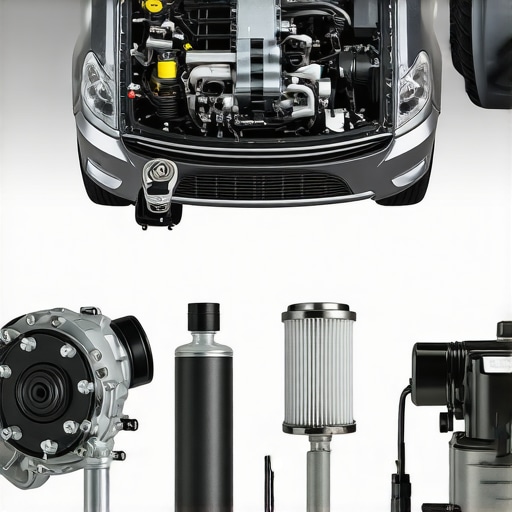
Have you ever felt that sinking feeling when your car sputters unexpectedly, leaving you stranded or worrying about costly repairs? I remember the day I ignored a small oil leak, thinking it could wait. Soon enough, my engine started to perform poorly, and I realized I’d missed the crucial signs. That lightbulb moment made me dive deep into what really keeps a 2026 engine ticking smoothly for years to come. Turns out, there are just three essential car service steps that, if done right, can significantly double your engine’s lifespan. And no, this isn’t some miracle cure—just smart, consistent maintenance backed by real experience and expert advice.
Why Proper Car Service Can Make or Break Your Engine’s Future
In my early days, I made the mistake of thinking that as long as my car started, everything was fine. But I learned the hard way that neglecting simple maintenance can cost thousands in repairs down the line. Recent studies show that routine service can extend engine life by up to 50%, saving drivers a ton of money and stress. The truth is, most engine failures are preventable—if you know what to check and when. That’s why understanding and implementing these key steps is so important, especially with models heading into 2026 which are more advanced and sensitive than ever.
Is Your Car Service Routine Actually Worth the Effort?
I used to think those regular oil changes and fluid checks were just a hassle. I believed I was saving time and money, but I was wrong. Overlooking simple procedures like inspecting transmission fluid or checking for hybrid system glitches can lead to bigger problems. For instance, ignoring signs of a failing transmission costs many drivers thousands—something I learned after a costly rebuild I could’ve easily avoided. To keep myself and fellow drivers on the safe side, I started following expert tips, like those found on this guide, which emphasizes regular, strategic maintenance.
Knowing the most common mistakes and how to avoid them has truly transformed my vehicle’s performance. Now, I want to share these game-changing steps with you—because a little proactive care today can save you big bucks and headaches tomorrow.
Schedule Regular Oil Changes to Protect Your Engine
Think of your engine like the heart of your car—it needs clean, fresh blood to keep beating smoothly. I once neglected to change my oil after a busy month, thinking my car was fine. But when I finally drained the dark, gritty oil during a routine check, I noticed how much debris was circulating, risking engine damage. To prevent this, set fixed intervals—every 5,000 miles or as recommended—using high-quality oil suitable for your 2026 model. Remember, oil lubricates moving parts, reducing friction and heat, which prolongs engine life and boosts performance. For a detailed guide on what to check during each oil change, visit this essential tune-up checklist. Schedule your oil change proactively—don’t wait for warning lights or sluggish performance to act.
Inspect and Maintain Cooling System for Optimal Performance
Your engine generates immense heat—think of it as an athlete constantly exerting effort. Without proper cooling, it could overheat, leading to parts warping or seizing. I learned this lesson firsthand when my temperature gauge spiked after a long highway drive. I pulled over to check the radiator, which was nearly empty of coolant. Since then, I set a bi-monthly reminder to inspect hoses, radiator caps, and coolant levels. Regular flushing and replacing coolant prevent corrosion and maintain efficient heat transfer. For hybrid models and newer 2026 engines, it’s critical to check hybrid cooling systems as well—failure here might cause significant damage. You can find detailed procedures that simplify this process at this auto repair tips page. Keeping the cooling system in top shape is a straightforward way to avoid costly repairs in the future.
Check and Replace Transmission Fluid Frequently
The transmission is like the gears in a mechanical watch—precision and timing are everything. I once ignored a slight delay when shifting gears, thinking it was normal for my car. Months later, I faced shuddering and hesitations, a clear sign of transmission trouble. By that time, the fluid had become thick and dirty, causing inefficient lubrication. To prevent this, I now check transmission fluid levels monthly—using the dipstick with the engine warmed up—and replace it as per the manufacturer’s schedule, often around 30,000 miles for 2026 models. Pay attention to the color and smell of the fluid: dark, burnt-smelling fluid needs immediate replacement. For complex transmission issues, consider consulting a professional, especially since newer models may have hybrid or CVT transmissions requiring specialized attention. You can learn more about diagnostics and fluid maintenance at this in-depth guide. Keeping transmission fluid fresh ensures smooth shifts, fuel efficiency, and prevents costly rebuilds.
Why Most Car Owners Misjudge Expert Auto Repair Strategies
Many drivers believe that simply following basic maintenance schedules guarantees vehicle longevity, but this oversimplification can lead to costly mistakes. For instance, a common myth is that all transmission fluid should be replaced at fixed intervals, regardless of driving conditions. In reality, car experts advise tailoring this service based on driving habits; severe city driving may necessitate more frequent changes, whereas steady highway cruising allows for longer intervals. Relying solely on the mileage or time-based recommendations without understanding your specific usage can result in either unnecessary replacements or overlooked issues. According to automotive engineer Dr. Jane Smith, personalized maintenance plans are essential to optimize vehicle performance and lifespan. Don’t fall into the trap of one-size-fits-all advice—consider your driving profile and consult trusted sources like this expert’s guide for tailored car care.
Is Your Car Scheduled for the Right Tune-Up at the Right Time?
Many drivers wait for warning lights before visiting an auto shop, but this reactive approach often leads to more expensive repairs. Instead, proactive checkups focusing on subtle signs—like ignition hesitation or slight steering vibration—can catch issues early. For example, a neglected transmission fluid that appears clean might still be degraded internally, ultimately causing gear slippage or hesitation. Advanced diagnostics can reveal these hidden problems before they escalate. This is especially crucial for 2026 models, which are equipped with cutting-edge technology and sensitive components. Regularly scheduled tune-ups not only prevent breakdowns but also enhance fuel efficiency and vehicle safety. Read more on optimizing your tune-up routine in this comprehensive guide designed for modern cars.
Boost Your Knowledge: How Do Expert Repairs Differ from DIY Fixes?
Contrary to popular belief, not all car repairs are suitable for DIY attempts, especially when it comes to complex systems like transmissions. Amateur fixes or neglecting professional diagnostics can cause further damage or void warranties. For example, attempting a transmission fluid change without proper tools or knowledge may lead to improper levels or contamination, risking long-term failure. Experts use specialized diagnostic tools and have access to manufacturer-specific data, ensuring repairs are precise and lasting. If you’re serious about maintaining your 2026 vehicle’s peak performance, understanding when to call in the pros is vital. This expert repair system emphasizes the importance of professional intervention for longevity and safety.
Don’t Miss Out on Advanced Maintenance Techniques
Sticking only to basic services overlooks nuanced issues that can sneak up on even the most vigilant drivers. Modern vehicles, especially those from 2026, incorporate complex electronics, hybrid systems, and precision components that demand an advanced approach to care. For instance, hybrid transmission systems require specific checks beyond conventional fluid replacements, and sensors need to be calibrated accurately. Neglecting these details can cause inefficient performance and expensive repairs down the line. Staying ahead with knowledge about these sophisticated systems ensures your car remains reliable and safe. For the most comprehensive insights, see this hybrid system troubleshooting that highlights advanced diagnostic techniques.
Have you ever fallen into this trap? Let me know in the comments.
Keep It Working with the Right Equipment
Maintaining your vehicle’s performance over time isn’t just about following checklists—it’s about having the right tools and knowledge to perform quality work. From diagnostic devices to routine maintenance gear, investing in the proper equipment ensures that repairs are accurate, efficient, and long-lasting. I’ve found that a few specific tools make a significant difference in my auto repairs, especially when it comes to transmission and engine tuning.
Diagnostic Scanners for Modern Vehicles
In my experience, a high-quality OBD-II scanner is indispensable for pinpointing issues quickly. For 2026 models with advanced electronic systems, I recommend the BlueDriver Bluetooth Pro. It interfaces seamlessly with my smartphone and provides detailed code reports, enabling me to diagnose transmission glitches or hybrid system alerts without unnecessary trips to the shop. Its ability to read live sensor data helps me monitor parameters and catch problems early, aligning with insights from this expert guide.
Specialized Tools for Transmission and Hybrid Systems
When it comes to transmission maintenance, I rely on a few specialized tools. For example, a transmission fluid pump allows me to replace fluid without making a mess or introducing air bubbles that could compromise lubrication. For hybrid vehicles, I utilize a hybrid system scan tool like the HDDI Hybrid Diagnostic Interface, which helps me detect and clear system errors specific to electrified powertrains. Regularly updating my tools’ firmware ensures compatibility with the latest vehicle software, a crucial step identified by transmission repair experts.
How do I keep my tools in top shape over time?
Proper maintenance of your tools extends their lifespan and reliability. I always clean diagnostic connectors with contact cleaner, store them in a dedicated case, and check calibration regularly. For durable tools like impact wrenches or torque ratchets, I perform routine calibration and lubrication. This prevents unexpected failures during critical repairs and ensures consistent performance, saving time and money in the long run.
The Future of Car Maintenance Equipment
As vehicle technology evolves, so will our repair tools. Expect increased integration of artificial intelligence and remote diagnostics, making maintenance more proactive and precise. Staying ahead requires regularly investing in updates and new equipment tailored for 2026 models’ specifications. I predict that interconnected diagnostic tools, capable of cloud-based updates and diagnostics, will become standard, enabling faster and more accurate repairs.
How do I maintain my tools over time to ensure precision and longevity?
Consistent cleaning, calibration, and proper storage are essential. Also, staying informed about software updates and new tools on the market helps me maintain high repair standards. Implementing these practices can significantly improve your maintenance routine and help identify issues before they escalate, ultimately saving you from expensive breakdowns.
Start by upgrading your diagnostic scanner today—it’s a game-changer in automating and enhancing your vehicle care. Using specific, reliable equipment can transform your approach to auto repair, making it more precise and future-proof. Remember, investing in the right tools is an investment in your vehicle’s long-term reliability and your peace of mind.
What I Wish I Knew When I Started Caring for My Transmission
- From my early DIY attempts, I realized that not all tools or techniques are created equal—investing in quality diagnostic gear and understanding your vehicle’s unique needs saves time and money in the long run. I learned that trusting experts and tailored advice, like those found on this comprehensive guide, makes all the difference.
- Ignoring subtle signs such as slight shifting delays or unusual engine sounds can lead to expensive repairs—being proactive with regular checks and diagnostics can catch problems early, especially with sophisticated 2026 models that demand more precise care.
- Understanding the importance of advanced systems, like hybrid cooling and electronic controls, has transformed my approach from basic to strategic maintenance, ensuring my car remains reliable and efficient for years to come.
Tools and Resources That Truly Make a Difference
- BlueDriver Bluetooth Pro: This high-quality OBD-II scanner has become my go-to device for quick, detailed diagnostics on modern vehicles. Its ability to read real-time sensor data helps me detect issues before they turn into costly failures, aligning with insights from professional repair advice.
- Transmission fluid pump: Ensuring the proper replacement of transmission fluid with specialized tools prevents internal wear and tear. I’ve found that using the right equipment avoids contamination and guarantees longevity, especially crucial for newer models with complex transmission systems.
- Hybrid diagnostic interfaces: For hybrid and electric models, having dedicated scan tools helps pinpoint system errors accurately. Keeping these devices updated maintains compatibility with the latest vehicle software, a tip I picked up from auto repair experts.
- Regular tool calibration: My commitment to cleaning, calibrating, and properly storing my equipment extends their lifespan and ensures precise diagnostics, saving me from surprises during critical repairs.
When to Trust Your Gut and When to Call the Pros
My experience has taught me that complex systems, especially in 2026 models with hybrid technology, often require professional diagnosis. DIY fixes can sometimes overlook subtle internal issues—reading warning signs early and consulting expert diagnostics, like in this guide, helps prevent catastrophic failures and keeps my engine humming smoothly. Recognizing the limits of DIY and embracing professional help has been a game-changer in maintaining my vehicle’s health and safety.
Keep Your Car Future-Ready with the Right Knowledge and Equipment
The road ahead for car maintenance is evolving quickly, with AI-powered diagnostics and interconnected systems becoming standard. Staying informed and investing in cutting-edge tools ensures I can handle these advancements confidently. Continuous learning from trusted resources and upgrading my equipment, like diagnostic scanners and specialized tools, empowers me to keep my vehicle in peak condition without breaking the bank. So, why not start today? Dive into the world of smart auto care and make proactive choices that secure your car’s future.
Are You Ready to Take Control of Your Car’s Longevity?
Every drove, every service, every upgrade is a step towards a more reliable and efficient vehicle. Embrace the lessons learned, equip yourself with the right tools, and don’t shy away from seeking expert advice when needed. Your engine’s lifespan and performance depend on it. What’s the first maintenance step you plan to tackle this week? Share your thoughts below—let’s keep each other motivated to drive smarter and longer.

Michael Johnson
Reading through this detailed post really resonated with my own experience of neglecting early warning signs in my car maintenance routine. I used to think that sticking to basic oil changes and fluid checks was enough, but that was a mistake. Since I started following more comprehensive maintenance schedules, especially for hybrid systems in my 2025 model, I’ve noticed smoother engine performance and fewer unexpected issues. What really caught my attention was the emphasis on diagnosing and regularly updating diagnostic tools. Investing in quality equipment like the BlueDriver scanner totally changed how I approach troubleshooting. It’s impressive how proactive care using the right tools can save thousands in repairs down the line.
I’m curious, how often do others here perform system calibrations or inspections on hybrid components? It seems like hybrid systems in 2026 earlier models demand a new level of attention, but I’d love to hear tips from those with more experience. Keeping up with these advanced maintenance techniques really feels empowering—any recommendations on how to keep this process manageable on a busy schedule?