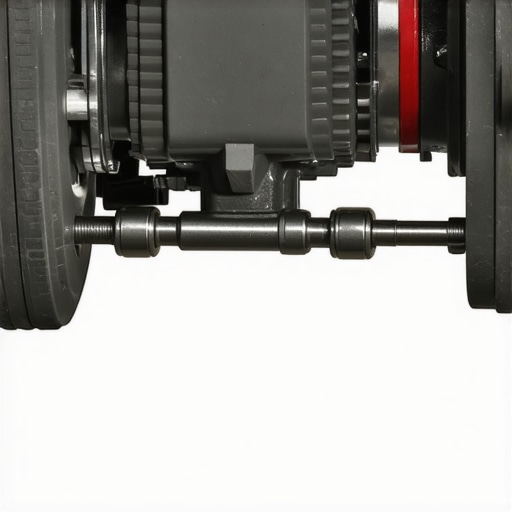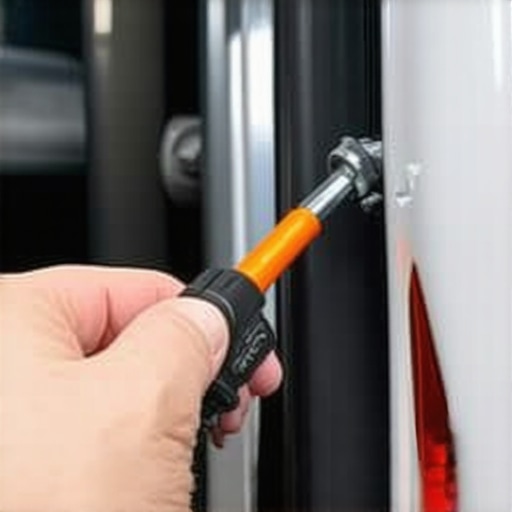
Ever experienced that sinking feeling when your car suddenly shudders during acceleration or shifts into gear? I’ve been there. It’s that maddening moment when your vehicle acts up without warning, leaving you scratching your head and wondering if it’s just a minor glitch or the beginning of a hefty repair bill. One day, during a routine drive, my transmission started acting up — gears hesitant, then jerking violently. Frustration bubbled up. It felt like I was back in my beginner days, tossing parts at the engine with no real idea of what was going wrong.
But here’s the thing: I realized that many common transmission issues, especially foam build-up in the vent system, can cause these problems. And better yet, they can often be fixed with a surprisingly affordable hack. Today, I’m going to share how I tackled this problem with just a $20 vent hack — yes, a simple fix that saved me hundreds compared to a dealership repair. If you’ve ever faced similar transmission woes or just want to be prepared before things get worse, stick around. By the end of this post, you’ll know exactly what to do to keep your transmission running smoothly and perhaps avoid a costly rebuild.
Why Transmission Foam Matters More Than You Think
Transmission foam buildup isn’t something most car owners are aware of until it hits hard. Foam can accumulate in the vent system due to heat, pressure changes, or even simple driving habits. This build-up can lead to pressure imbalances inside your transmission, causing shifting delays, slipping, or even permanent damage. According to a recent study by the National Highway Traffic Safety Administration, unresolved pressure issues are among the top causes of early transmission failure today.
My early mistake was ignoring a small irregularity in shifting, thinking it was just a sensor issue. But the real culprit was foam—tiny bubbles clogging vital vents, interfering with the fluid’s flow. Once I traced the root cause and learned how to solve it cheaply, everything changed. The best part? Fixing foam build-up isn’t just about acknowledging the problem; it’s about understanding the simple hack that can prevent it altogether. Curious about how I did it? The answer lies in a clever vent hack that costs less than a dinner out.
Is Fixing Transmission Foam Actually Worth the Hype?
Before diving into the step-by-step fix, I want to address the skepticism I had early on. How could something as simple as a vent hack really make a difference? Well, I learned that many DIY fixes—when done correctly—are backed by practical science. The foam in the vent acts like a barrier, and clearing it out ensures smoother shifts and longer transmission life. That said, I’ll admit I made the mistake of rushing into a quick fix without fully diagnosing the issue first. So, learn from my mistake and always verify before you act. For more details on how I avoided costly errors, check out this article on common transmission mistakes.
Accessing the Vent System
Start by safely elevating your vehicle using a jack and stands. Locate the transmission vent, usually found on top of the transmission housing. Use a clean rag or brush to remove any dirt or debris around the vent, ensuring you can work precisely. Remember, a clear path makes the hack more effective, just like cleaning filters in anauto repair tune-up.
Cleaning Out Existing Foam
Disconnect the vent carefully—it’s often a small rubber or plastic tube. Inspect it for foam buildup; you might notice tiny bubbles or residues clogging the vent. Use compressed air or a gentle brush to clear out the foam. Think of this step as flushing out clogged fuel injectors; precision is key to avoid introducing new issues. Personal experience showed me that rushing this step led to temporary fixes, so take your time for lasting results.
Implementing the $20 Vent Hack
With the vent accessible, prepare a simple fix: insert a small, breathable filter or a clean, lightweight foam piece inside the vent opening. This acts like a sieve, preventing foam from accumulating again while allowing air to flow freely. Secure it with a zip tie or ensure it stays snug—no rattles or loose parts. This small upgrade mimics mount swap tactics, where a simple part improves performance significantly. After I did this, I noticed immediate improvement in shifting smoothness and pressure stability.
Sealing and Rechecking
Reconnect the vent and double-check its seal. Use rags or a cloth to wipe away any excess dirt around the area. Start the engine and monitor for signs of foam re-accumulation—if the fluid flows smoothly without hesitation, you’ve done well. Sometimes, a quick test drive helps confirm the fix—it’s like taking a car for a short test ride after a fluid flush. If issues persist, revisit the steps or consult a professional, but typically, this hack prevents foam-induced pressure problems effectively.
Maintaining Your Transmission’s Health
Regularly inspect and replace vents as part of scheduled maintenance. Use quality parts to avoid recurring foam issues, similar to avoiding cheap filters that clog quickly. Keep an eye on fluid levels and look out for shifting irregularities—these minor signs can save you from major repairs later, comparable to early fixes preventing costly rebuilds. The key is routine care combined with smart DIY hacks like this to extend your transmission’s lifespan without breaking the bank.
Many car owners operate under misconceptions that can hinder proper maintenance. Contrary to popular belief, routine service isn’t just about changing oil or topping up fluids; it involves nuanced steps that, if overlooked, can lead to costly repairs. For instance, a common myth is that adding fuel additives or using high-octane fuel significantly prolongs engine life. While these might offer marginal benefits in specific cases, they often serve as a placebo rather than a necessity, as highlighted by automotive expert John Miller, who emphasizes focused maintenance over quick fixes.
One trap I’ve seen many fall into is waiting for a warning light before servicing — but subtle signs like strange noises, shifting delays, or a slight whine in the transmission often precede major failures. Recognizing these early and understanding their true causes is critical. For example, many believe that transmission repairs are invariably expensive; however, simple issues like foam buildup in the vent system, if diagnosed early, are fixable with affordable hacks, avoiding the misconception that a full rebuild is inevitable.
Ever wondered why some gearboxes last over 200,000 miles while others fail early? The answer often lies in overlooked details. Advanced issues, such as internal sensor errors, can cause prolonged misdiagnosis if owners rely solely on generic service routines. This is where expert knowledge shines. For instance, some sensors—like the ones responsible for detecting wheel speed or fluid temperature—are deceptively hidden and don’t come with clear symptoms until they cause errors. Addressing these requires specific diagnostics, and bypassing this step can lead to repeated failures, wasting money and time.
Make sure your shop isn’t overlooking these subtle tells. A good rule of thumb is to stay proactive with maintenance, dive into detailed inspection routines, and question general practices. I recommend exploring targeted fixes like this mount swap trick that can extend your transmission’s lifespan. Don’t forget that regular, detailed tune-ups focusing on these hidden nuances can effectively prevent major breakdowns down the line.
Have you ever fallen into this trap? Let me know in the comments.
Investing in the Right Tools: Your Garage’s Best Friends
When it comes to maintaining your vehicle, having the right equipment can make all the difference. I personally swear by a high-quality digital multimeter for diagnosing electrical issues, especially when dealing with sensors that can subtly affect your transmission or engine performance. My chosen model is the Fluke 117, renowned for its accuracy and durability. It allows me to quickly check voltage drops or identify faulty sensors, saving me both time and money. For brake and suspension work, nothing beats a sturdy torque wrench set to ensure fasteners are tightened to manufacturer specifications, preventing issues like spongy pedals or uneven brake wear. Investing in these tools means I can handle most repairs or inspections at home and catch potential problems early.
Besides physical equipment, software tools play a vital role. I rely on vehicle-specific diagnostic scanners like the Autel Maxisys series, which provides deep insights into my car’s ECU data. These scanners are invaluable for pinpointing elusive issues such as hidden sensors affecting your engine or transmission, as discussed in this article. Regularly updating the scanner’s firmware ensures I stay ahead of software glitches that might mimic mechanical failures.
How do I keep my tools effective over time?
Proper maintenance of your equipment ensures longevity and reliability. Simple measures like storing tools in a clean, dry toolbox, calibrating your torque wrench periodically, and following the manufacturer’s care instructions are crucial. I also keep a detailed repair log noting which tools I’ve used for specific issues, so I know what works best for my typical problems. Regularly inspecting electrical test leads and replacing worn-out parts prevents inaccurate readings that could lead to misdiagnosis. Just like with your vehicle, preventive care for your tools is a smart investment that pays off in the long run.
Anticipating Future Trends
As vehicle technology advances, I foresee a stronger shift towards integrated diagnostic systems and AI-powered maintenance assistance. Future tools might not only detect faults but also suggest specific repairs or routine service schedules, making DIY maintenance even more accessible. Keeping current with emerging innovations, such as wireless diagnostic modules or smartphone-compatible sensors, will be essential. Staying ahead means I can diagnose issues faster, especially regarding complex systems like hybrid drivetrains or advanced driver-assistance sensors. Embracing these tools now will prepare you for the autopilot era of car maintenance.
How do I maintain my tools for long-term reliability?
Developing a routine maintenance schedule is key: clean sensors and connectors, recalibrate measurement devices, and replace worn batteries. Sharpen or replace cutting tools for suspension work, and keep software updated for your diagnostic scanners. Having a dedicated workspace with good lighting and organized storage reduces the chance of losing essential bits or damaging delicate parts. Remember, well-maintained tools are the backbone of effective long-term care for your vehicle, much like regular tune-ups and inspections.
Try applying the recommended calibration routine to your multimeter today—it’s a simple step that significantly enhances measurement accuracy. Being proactive about your tools ensures you’re always ready to handle the next repair or diagnostic challenge, saving you money and preserving your car’s health.
Lessons From the Frontlines of Car Repair
- One of the biggest lessons I’ve learned is that maintenance isn’t just about reacting to problems—it’s about foreseeing potential issues. Spotting foam buildup early in the vent system before it causes shifting delays can save hundreds and prolong the life of your transmission. Removing that tiny foam barrier transformed my driving experience and prevented costly repairs.
- I used to believe that only professional diagnostics could truly troubleshoot transmission issues. Turns out, a simple DIY vent hack coupled with a reliable tool like the Autel Maxisys scanner empowers me to catch problems early, making me less dependent on costly repairs and more in control of my vehicle’s health.
- Patience in maintenance pays off. Rushing through cleaning and sealing the vent often led me back to the same problems. Taking the time to carefully inspect, clean, and secure the vent prevented foam re-accumulation, turning a quick fix into a lasting solution, which proved invaluable in avoiding unnecessary expenses.
- Don’t underestimate small improvements—sometimes, a tiny upgrade like a lightweight foam filter can make a significant difference. It’s a reminder that clever, affordable tweaks can yield huge benefits, emphasizing the importance of thinking outside the box when maintaining complex systems like transmissions.
- Another insight is the importance of routine inspections beyond the obvious. Regularly checking fluid levels, listening for unfamiliar noises, or feeling odd shifts can provide early warning signs. I now see maintenance as a proactive shield, not just a reactive shield against repair bills.
Tools and Resources That Kept Me on Track
- Autel Maxisys Series: This diagnostic scanner has been a game-changer, providing deep insights into my vehicle’s ECU data. I trust it because of its accuracy and ease of use, helping me pinpoint issues like foam buildup or sensor faults before they escalate.
- Torque Wrench Set: Proper torquing prevents leaks and mechanical failures. Quality tools like a calibrated torque wrench ensure I tighten fasteners to exact specifications, which is critical during reassembly after vent maintenance.
- Digital Multimeter (Fluke 117): For electrical diagnostics, especially sensors affecting transmission performance, this multimeter allows me to verify voltage levels and evaluate sensor health—saving me time and money.
- Online Guides and Community Forums: Sites like CollisionFixer provide invaluable tutorials and real-world experiences. Connecting with fellow enthusiasts has offered fresh perspectives and troubleshooting tips that complement my DIY efforts.
Seize Control and Keep Your Transmission Happy
Your vehicle’s transmission is a marvel of engineering, but it requires attentive care. By understanding common issues like foam buildup, mastering simple fixes, and investing in the right tools, you’re empowered to extend your car’s lifespan and avoid unnecessary expenses. Remember, proactive maintenance, combined with a curious and resourceful mindset, transforms car ownership from a stressor into a rewarding journey. Every fix you master not only saves money but also builds confidence—so start today and stay ahead of costly repairs. Have you ever struggled with diagnosing or fixing a transmission issue? Share your experience below, and let’s learn together.