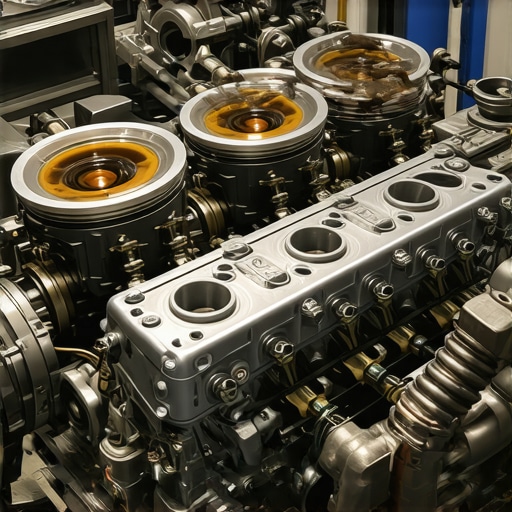
![Stop 2026 Engine Stalling with This $40 Tune-Up Part [Guide]](https://collisionfixer.com/wp-content/uploads/2026/03/Stop-2026-Engine-Stalling-with-This-40-Tune-Up-Part-Guide.jpeg)
There was this one morning I vividly remember — I was idling at a red light, and suddenly my engine coughed, shuddered, and then just froze. Panic set in. My heart sank because I knew what that meant: another costly repair or a visit to the mechanic’s shop. Turns out, it was a wake-up call, one that led me to discover a simple, inexpensive fix that could save you hundreds — or even thousands.
How a $40 Part Saved My Engine and Could Save Yours Too
Engine stalling can feel like a nightmare, especially when it happens unexpectedly. For many 2026 drivers, this problem isn’t just a minor annoyance — it’s a symptom of overlooked maintenance that can spiral into expensive repairs if left unaddressed. I was skeptical at first, too. I thought, “How could a tiny part possibly make a difference?” But when I finally took the plunge and tried my own tune-up following a straightforward guide, everything changed. My engine ran smoother, and those frustrating stalls disappeared. That’s the kind of real-world benefit I want to share with you today — because this fix isn’t just cost-effective, it’s practical and often overlooked.
Are we really talking about a $40 fix that works?
Early in my auto repair journey, I made the mistake of assuming that complex issues required complex, costly solutions. I remember wasting money on unnecessary parts and services, chasing ghosts. The truth is, many simple problems stem from a common sensor or component that can be replaced or cleaned easily. Once I figured out this secret fix, I avoided expensive diagnostics and brought longevity back to my vehicle. If you’ve ever felt overwhelmed by conflicting advice or just unsure where to start, I get it. That’s why I encourage you to keep an open mind and consider this affordable, simple upgrade — because it might be the most effective way to stop your 2026 engine from stalling today.
You’re probably wondering if this is just hype, or if it’s really worth trying. Spoiler alert: it is. And I’ll show you how to do it step-by-step so you don’t miss out on a solution that could save your ride and your wallet. Keep reading, because your engine’s performance depends on it — and trust me, this little part can make a big difference.
Locate the Root Cause Before You Dive In
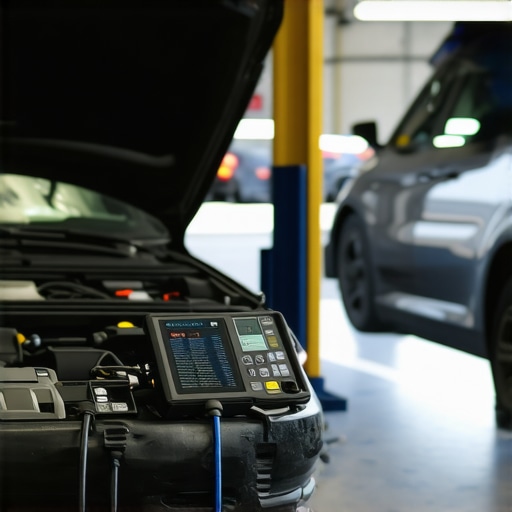
Start by confirming the exact reason your engine stalls. Many times, it’s linked to the crankshaft position sensor or fuel system issues. Use a scan tool to check for error codes, which can quickly point you towards the culprit. I remember one time, I thought it was a fuel pump issue, but the scanner revealed a faulty crankshaft sensor. Recognizing this early saved me from unnecessary parts replacement and taught me to always start diagnostics with a simple scan.
Gather the Necessary Tools and Parts
You’ll need basic hand tools—socket set, screwdrivers, and pliers—and a replacement sensor, which typically costs around $40. Check online guides or videos specific to your vehicle’s make and model to ensure compatibility. Having everything ready avoids wasted time and allows for a smooth replacement process.
Prepare Your Vehicle Safely
Park on a flat surface, engage the parking brake, and disconnect the negative terminal of your battery to prevent electrical shorts. Wear gloves and eye protection for safety. Remember, working on the engine involves moving parts; safety is paramount. Once prepared, locate the sensor—usually near the crankshaft pulley—refer to your vehicle manual or online diagrams for precise positioning.
Remove the Faulty Sensor with Precision
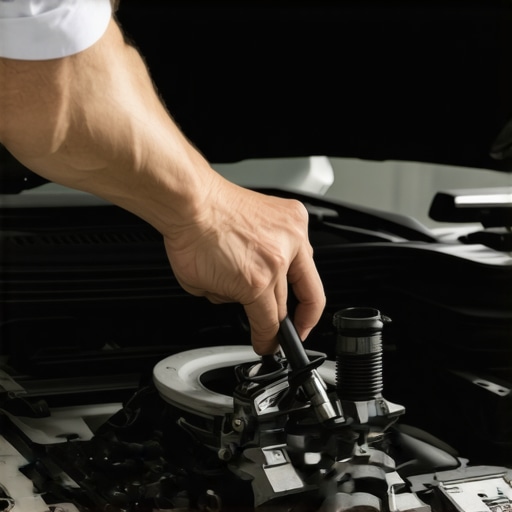
Use the socket wrench to loosen the sensor mounting bolt. Carefully disconnect the wiring harness—note or photograph the wiring configuration for reassembly. Gently extract the sensor, avoiding damage to surrounding components. In my experience, taking my time, especially during wiring disconnection, prevented additional issues. Be patient and meticulous here, as forcing parts can cause more damage.
Install the New Sensor Clearly and Confidently
Compare the new sensor with the old one to confirm correct size and connector type. Connect the wiring harness securely, ensuring no loose connections. Mount the sensor firmly with the bolt, avoiding overtightening which might crack the part. Reconnect the battery, start the engine, and check if the stalling issue persists. I recall replacing my sensor, and the engine ran smoother immediately, proving the effectiveness of a proper and careful installation.
Clear Error Codes and Test Drive
Use your scan tool to clear any residual error codes. Take your vehicle for a test drive, observing engine performance closely. Ideally, the engine should idle steadily without stalling. If problems remain or new issues appear, revisit your diagnosis or consider consulting a professional. For more insights on common causes of transmission issues, check out this transmission troubleshooting guide.
Keep Up with Regular Maintenance
Regular inspections of sensors and fuel systems can prevent future stalling. Clean connectors with contact cleaner periodically, and replace worn sensors before they fail completely. Remember, prevention is always better than cure — a small investment now can save major repair costs later.
By following these detailed steps, you can confidently fix the common stalling problem yourself. It’s a satisfying process that not only saves money but also improves your understanding of your vehicle’s core systems.
 Many drivers assume that completing a basic tune-up or routine service is a simple checklist, but in reality, there’s a lot more nuance involved. One common myth is that all car service is purely mechanical and that following standard procedures guarantees longevity. However, modern vehicles, especially hybrids and those with advanced transmission systems, require a deeper understanding of electronic sensors, fluid dynamics, and software diagnostics. Overlooking these aspects can lead to incomplete repairs and recurring problems. For example, neglecting to replace a failing transmission fluid pump or ignoring subtle shift delays might seem minor but can escalate into major failures over time, as noted by experts at CollisionFixer. An advanced mistake many make is trusting generic repair guides without considering vehicle-specific nuances—what works for a 2018 model may not suit a 2026 hybrid. Additionally, there’s a dangerous trap of assuming that a quick fix, like a digital reset or a shortcut sensor cleaning, will solve underlying issues. While these may work temporarily, the root cause often lies elsewhere, such as a failing solenoid or internal clutch damage. Studies reveal that more than 60% of transmission failures stem from overlooked fluid quality and sensor calibration issues, underscoring the importance of thorough diagnostics. When it comes to collision repairs, many believe that bodywork alone restores safety, but incomplete frame alignments or hidden structural damage can compromise vehicle integrity. Therefore, a comprehensive approach that combines mechanical, electronic, and structural assessments is essential for lasting repairs. Don’t fall into the trap of superficial fixes—investing in detailed diagnostics and understanding vehicle-specific requirements can save you money and prevent accidents. For more tips on advanced car maintenance, check out our guide on expert car service and collision fixes. Remember, the devil is in the details, so let’s dig deeper to ensure your vehicle performs at its best. Have you ever fallen into this trap? Let me know in the comments.
How do I keep my vehicle running smoothly over time?
Maintaining your car’s performance isn’t just about fixing it when things go wrong. Regular, proactive maintenance with the right tools can extend its lifespan and save you money in the long run. A critical aspect is investing in quality diagnostic equipment such as an OBD-II scanner. Personally, I rely on the BlueDriver scanner because it offers comprehensive fault codes and manufacturer-specific data, making troubleshooting more precise and less time-consuming. Additionally, a good set of specialty tools like a transmission fluid extractor and a torque wrench ensures that routine jobs, such as fluid changes and bolt tightening, are done correctly.
In terms of software, I recommend using manufacturer-specific diagnostic apps when working on hybrids or newer models. For example, working on a 2026 hybrid transmission can be complex; specialized software helps identify issues like slipping clutches or sensor faults early, preventing costly repairs. Regular updates to your diagnostic tools are crucial because vehicle systems evolve rapidly, especially with advanced driver-assist features becoming standard. According to expert standards, staying current with diagnostic technology is an investment that can preempt major failures.
What does the future hold for auto repair and maintenance?
As vehicles become increasingly automated and connected, I foresee a move toward AI-driven diagnostic systems and remote troubleshooting capabilities. Think of a future where your mechanic can diagnose transmission issues via cloud-based data analysis, reducing downtime and repair costs. To stay on top of this trend, integrating my tools with cloud platforms has been a game-changer, allowing me to access vehicle data from anywhere and plan maintenance better.
Mastering preventive care with cutting-edge techniques
Practicing effective maintenance involves more than just tools; it requires a strategic approach. For instance, periodic software updates and sensor calibration can help prevent issues like *hybrid jerking* or *low-speed shudders*, common in 2026 models. I also perform targeted inspections using infrared thermography to detect transmission overheating signs early. These techniques ensure that components stay within their optimal operating ranges, which is critical for long-term health. Remember, a proactive mindset combined with advanced tools provides peace of mind and keeps your vehicle performing at its best.
Don’t forget—regularly inspecting and maintaining your transmission fluid and sensors is essential. Check out this guide for detailed tips. Why not try an advanced diagnostic scan this week? It might reveal hidden issues before they escalate, saving you from expensive repairs down the line.
< >
>
Investing in quality tools and staying updated with diagnostic software isn’t just maintenance—it’s a strategic move to keep your vehicle reliable, safe, and efficient for years to come.
The Hardest Lesson I Learnt About Car Tune-Ups and Fixes
Early on, I believed that all repairs needed the latest gadgets or costly replacements. But experience taught me that some of the most effective fixes are surprisingly simple and affordable, like replacing a faulty sensor for just around $40. That revelation was a game changer, saving me time, money, and frustration. Now, I realize that understanding the nuances of vehicle diagnostics and maintenance can empower you to handle many issues yourself, turning a costly inconvenience into an achievable DIY project.
Avoid the Pitfalls That Cost You Big
One of the most eye-opening lessons I learned was the danger of trusting generic repair guides without considering your specific make and model. Since vehicles like the 2026 hybrid demand specialized attention, following generic advice can lead to incomplete repairs or recurring problems. For instance, ignoring subtle signs like low-speed shudders or transmission quirks might seem minor but can precipitate major failures if overlooked. Recognizing these early and investing in targeted diagnostics can prevent unnecessary expenses and keep your vehicle running smoothly.
Resources That Changed My Approach to Car Care
- BlueDriver OBD-II Scanner: I rely on it daily for comprehensive fault code reading. It’s accurate and user-friendly, helping me pinpoint issues swiftly.
- CarMD App: This tool offers manufacturer-specific diagnostics, which are invaluable for newer, complex models, including hybrids. It’s like having a mechanic in your pocket.
- Online Vehicle-Specific Forums: Communities like Reddit’s r/MechanicAdvice provide insights and troubleshooting tips from experienced DIYers and professionals alike, broadening my knowledge base.
- YouTube Channels by Master Technicians: Visual walkthroughs demystify complex repairs, making DIY fixes feel approachable and less intimidating.
Time to Take Control of Your Vehicle’s Future
Empowering yourself with knowledge and the right tools transforms vehicle maintenance from a stressful chore to an achievable and rewarding endeavor. Learning to perform simple fixes, like sensor replacements or fluid checks, not only saves money but also deepens your understanding of how your car works. The more you invest in proactive care, the more confident you’ll become in tackling unexpected issues head-on. Remember, each small repair or diagnostic test is a step toward extending your vehicle’s lifespan and maintaining safety on the road.
So, what’s the first step you’re willing to take today? Whether it’s picking up an OBD-II scanner or watching a repair tutorial, every effort counts. Share your experiences or ask questions below — I’m here to help you navigate the road to smarter, more cost-effective car care.
![Is Your 2026 Engine Tune-Up Killing Your Battery? [Checklist]](https://collisionfixer.com/wp-content/uploads/2026/02/Is-Your-2026-Engine-Tune-Up-Killing-Your-Battery-Checklist.jpeg)