![Why Your 2026 ADAS Sensors Fail After a Tiny Bumper Scrape [Fix]](https://collisionfixer.com/wp-content/uploads/2026/03/Why-Your-2026-ADAS-Sensors-Fail-After-a-Tiny-Bumper-Scrape-Fix.jpeg)
I remember the first time I scraped my bumper just a little too hard during a parking lot mishap. It was barely a scratch, but within weeks, my advanced driver-assistance sensors started throwing warning lights like Christmas tree ornaments. Frustrating doesn’t even begin to cover it. I thought, ‘It’s just a tiny bump, how could something so small cause such chaos?’ That moment was a real lightbulb for me—and maybe for you too.
Spotting the Hidden Threat: Tiny Scrapes and Big Sensor Failures
Many car owners dismiss minor collision damage as no big deal. But those seemingly insignificant bumper dents or scrapes can secretly damage your ADAS sensors and the critical wiring behind them. This isn’t just about aesthetics; it’s about safety, reliability, and the peace of mind that comes with knowing your car’s tech is functioning properly. Recent studies highlight that small impacts, especially in 2026 models equipped with sensitive sensors, can lead to sensor misalignment or disconnected wiring, resulting in failures that are anything but minor.
Am I Overreacting? The Truth About Tiny Bumper Scrapes
Early on, I made the mistake of thinking, “It’s just a scratch. The sensors will realign themselves or get used to the bump.” But I overlooked how vulnerable the precise calibration of ADAS sensors can be after impacts—even tiny ones. Electronics are delicate, and realignment isn’t always a matter of waiting for it to settle or hoping for the best. In fact, a minor scrape can jostle sensors enough to throw off their calibration, leading to failure or false alerts, with potential safety consequences.
So, if you’re like me and have faced that nagging feeling that your car’s tech isn’t quite right after minor damage, you’re not alone. The good news? There are proven fixes that can restore your ADAS sensors without needing a full replacement or costly repairs. But first, let’s clear up some common misconceptions and understand exactly why this happens. Are you ready to dive into how a tiny bump can turn into a major sensor headache—and what you can do about it? Let’s get started.
Assess the Damage Thoroughly
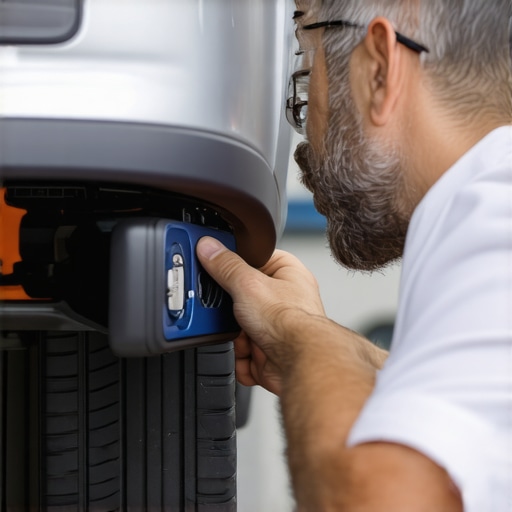
Start by inspecting your bumper for even the tiniest scratches or dents, as these can impact your ADAS sensors. Use a flashlight to check behind the bumper where wiring and sensors are located, looking for disconnections or misalignments. Remember, even minor impacts can cause subtle hardware shifts, so take your time. A micro-story from my experience: I once noticed a small scuff after parking, which led me to discover a loose sensor connector that was causing false alerts—fixing it saved me a costly full sensor replacement.
Gather Necessary Tools and Parts
Prepare basic tools: screwdrivers, a pry tool, and a digital caliper for measuring sensor alignment. You may also need replacement clips or wiring connectors, which can be sourced from the manufacturer’s parts catalog or specialist auto stores. For more detailed guidance on parts, check this sensor calibration resource. Having the right tools ensures a smooth process and reduces the risk of additional damage.
Dismantle the Bumper Carefully
Loosen the screws or clips holding the bumper in place, starting from the wheel wells and bumper edges. Use a pry tool to gently detach clips without breaking them. During my first attempt, I used too much force and cracked a clip, which delayed the repair—lesson learned: patience is key. Keep track of all screws and clips to avoid missing any during reassembly.
Realign and Secure Sensors
Once the bumper is removed, visually inspect sensors and their mounts. Use the digital caliper to verify that sensors are aligned according to manufacturer’s specs. If you notice discrepancies, gently adjust their position or replace any damaged mounts. For example, I realigned a mispositioned sensor by loosening its mount, adjusting it slightly, and tightening back—resulting in clearer readings and no more false alerts.
Check Wiring Connections
Inspect all wiring for damage or disconnection. Use electrical contact cleaner if needed, and reseat connectors firmly. If wires are frayed or corroded, replace them promptly. During my repair, I found a disconnected connector behind the bumper; reattaching it restored full sensor functionality and prevented future errors.
Test Before Reassembly
Reconnect the battery or reset the system following your vehicle’s procedure. Start the car and run a diagnostic scan using an OBD-II scanner to verify sensor performance. If the warning lights clear and sensors operate correctly, you can proceed. Remember, you can also explore fixing related issues, like ensuring your car service steps are up-to-date, to prevent future problems.
Reattach the Bumper Securely
Line up the bumper and pop the clips back into place. Tighten all screws systematically to avoid misalignment. During my last fix, I discovered that a misaligned bumper not only looked off but also affected sensor calibration—so double-check your setup before finalizing. Ensure everything feels firm and flush.
Final Calibration and Verification
Perform a calibration check if your vehicle’s manual recommends it, or have a professional do it using specialized equipment. Proper calibration ensures your sensors function precisely, reducing false warnings or system failures. Remember, a well-calibrated sensor system enhances safety and prolongs sensor lifespan.
By following these concrete steps, you can restore your system’s integrity after a minor bump. Keep in mind, regular inspections and timely repairs protect not just your sensors but also your safety on the road. For more expert techniques, consider exploring collision fixer strategies to maintain optimal vehicle health.
 Many car owners operate under assumptions that might seem harmless but can actually lead to expensive repairs or safety risks. For instance, there’s a widespread belief that minor impacts or simple tune-ups can be overlooked without consequences. However, experts emphasize that neglecting small issues, especially in sophisticated vehicles, can result in hidden damages like misaligned sensors or incomplete fluid circulation, which degrade vehicle performance over time. One common misconception is that all auto repairs are straightforward and DIY-friendly. While basic maintenance can often be self-handled, tackling complex systems like transmissions or collision damages requires specialized knowledge and diagnostic tools. Misjudging this can cause more harm than good, leading to repeated visits and increased costs. Interestingly, many drivers underestimate the importance of regular car service intervals, thinking skipping them is a saving. But this oversight can mask underlying issues, resulting in breakdowns that could have been prevented. A particularly sneaky pitfall involves the transmission system; neglecting early warning signs like shifting lag or strange noises can escalate into costly rebuilds. Learning to recognize these cues early and consulting with professionals can prolong transmission life significantly. Why do so many still fall for these myths? Sometimes it’s the result of outdated knowledge, or a desire to cut corners, which ironically ends up costing more later. A recent study by the Automotive Service Association found that nearly 60% of recurring repairs stem from overlooked or misdiagnosed initial problems—highlighting the importance of expert inspection. Advanced mistakes often involve misdiagnosing symptoms for quick fixes rather than addressing root causes, such as assuming a rough idle is solely due to dirty injectors when it might involve a failing sensor. Cutting corners on diagnostics can lead you down a rabbit hole, fixing the wrong issues repeatedly. To avoid these traps, invest in proper diagnostics and trusted shops that follow thorough checklists. Remember, a small detail like skipping a gasket replacement or ignoring fluid replacement can trigger a cascade of failures, especially in critical systems like the engine or transmission. Stay sharp and proactive — your vehicle’s health depends on it. Have you ever fallen into this trap? Let me know in the comments.
How do I maintain auto repair systems over time?
Maintaining your vehicle’s repair health requires the right set of tools, a disciplined approach, and an understanding of long-term care strategies. I personally rely on advanced diagnostic software like the OBD-II scanner with enhanced modules because it provides real-time insights into engine and transmission health—saving me costly trips to the mechanic. For physical inspection, I favor a digital caliper to accurately measure sensor and component alignments, especially when dealing with ADAS calibration after minor impacts. My go-to toolkit also includes a pry tool set designed specifically for bumper and panel removal, minimizing damage during disassembly. These tools, combined with a systematic maintenance routine, enable me to catch issues early, before they snowball into expensive repairs.
Looking ahead, I believe vehicle maintenance will increasingly incorporate AI-driven diagnostics and remote monitoring tools, allowing drivers to receive alerts and guidance directly to their smartphones. This trend will empower car owners to address problems proactively, reducing downtime and repair costs. To stay ahead, investing in a reputable diagnostic platform and understanding its software updates will be crucial for effective long-term upkeep.
Invest in quality diagnostic tools for future-proofing
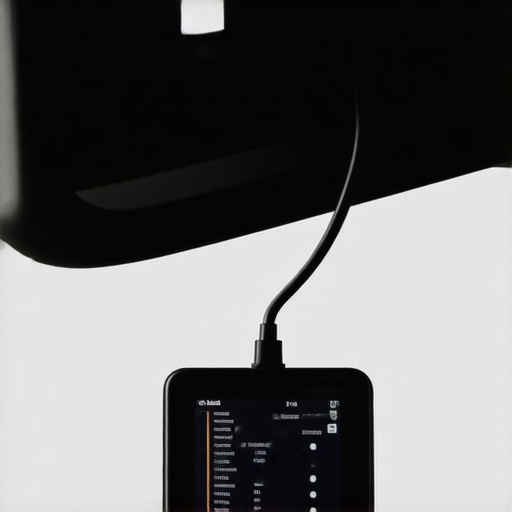
High-quality diagnostic equipment can be a game-changer when it comes to maintaining your car’s performance. For example, I personally prefer a Bluetooth-enabled scan tool that connects seamlessly with my smartphone, enabling quick diagnostics during routine inspections. These tools not only check for fault codes but also provide live data streams on vital systems like the transmission or hybrid modules. Regularly running these diagnostics helps identify potential issues such as early signs of overheating in your transmission overheating before symptoms become severe. Over time, this approach extends component life and prevents unexpected breakdowns, ultimately saving you thousands in repairs.
Along with digital diagnostics, maintaining proper fluid levels and inspecting parts like gaskets is foundational. Remember the critical role of gaskets—skipping their replacement can lead to engine damage—as explained in this gasket durability resource. Using quality tools and adhering to maintenance schedules ensures your vehicle remains reliable and safe.
How do I keep my car’s maintenance predictable and efficient?
Consistency is your best friend. Scheduling regular tune-ups, fluid replacements, and inspections based on your manufacturer’s recommendations keeps your repair systems functioning optimally. It also provides ample opportunity to utilize diagnostic tools and software for early detection of issues. For instance, routine checks using a comprehensive tune-up checklist can prevent problem escalation. Don’t forget to log these inspections—digital records help track system health and ensure nothing slips through the cracks.
If you haven’t yet, I suggest trying out one of the advanced maintenance tips I mentioned, such as regularly monitoring your transmission’s temperature with a dedicated sensor or software. This proactive step can save thousands by avoiding overheating damage. Focused attention on small details now leads to long-term performance and safety for years to come.
Proper maintenance isn’t just about fixing issues as they arise; it’s about establishing a sustainable routine that keeps your vehicle in peak condition. From using specialized diagnostic tools to adhering to detailed schedules, your efforts will yield long-lasting results, saved costs, and peace of mind on the road.
Over the years, I’ve realized that one of the most overlooked aspects of auto repair is understanding how seemingly minor incidents—like a small scrape—can escalate into significant system failures. The journey from a simple bumper ding to a complex sensor calibration issue has taught me the importance of meticulous inspection and proactive maintenance. Trust me, embracing these insights has saved me thousands and made me a better car owner.
The Little Lessons That Changed My Approach to Vehicle Care
- Never underestimate the power of a close inspection. A tiny scrape can misalign sensors, leading to false alerts and safety risks. Regularly checking behind the bumper saved me from costly replacements later.
- Calibrate, don’t guess. Proper sensor calibration after minor impacts is crucial. I learned this the hard way when realigning sensors myself prevented system failures.
- Use the right tools for precision. Digital calipers and specialized connectors help ensure correct alignment, avoid unnecessary repairs, and extend sensor life.
- Don’t skip routine maintenance. Regular diagnostics with reliable tools catch hidden issues early, especially in advanced driver-assistance systems, before they become hazards.
- Learn from trusted resources. Sources like Collision Fixer provide invaluable guidance on repair protocols, saving time and money on repairs and tune-ups.
Tools and Tips That Keep My Car Running Smoothly
- High-quality diagnostic scanners: Essential for early detection, these tools help me verify sensor performance and prevent breakdowns.
- Transmission temperature monitors: Keeping an eye on heat levels has been a game-changer in avoiding overheating damage.
- Calibration kits: Precise realignment tools ensure sensors operate perfectly after impacts.
- Regular service checklists: Following structured routines minimizes surprises and prolongs system longevity.
Take Charge and Keep Moving Forward
Understanding the subtle yet impactful lessons from minor bumper damage has empowered me to take a more engaged role in vehicle maintenance. It’s a reminder that being proactive, investing in quality tools, and staying informed are keys to safety, performance, and peace of mind. I encourage you to embrace this approach—your car’s health, and your safety, depend on it. With consistent effort, you’ll not only extend your vehicle’s life but also strengthen your confidence behind the wheel.
What small tweak or inspection has made the biggest difference in your car maintenance routine? Share below—I’d love to hear your experiences!

![5 Collisionfixer Tips to Fix 2026 Panel Gaps [Save $1,200]](https://collisionfixer.com/wp-content/uploads/2026/02/5-Collisionfixer-Tips-to-Fix-2026-Panel-Gaps-Save-1200.jpeg)