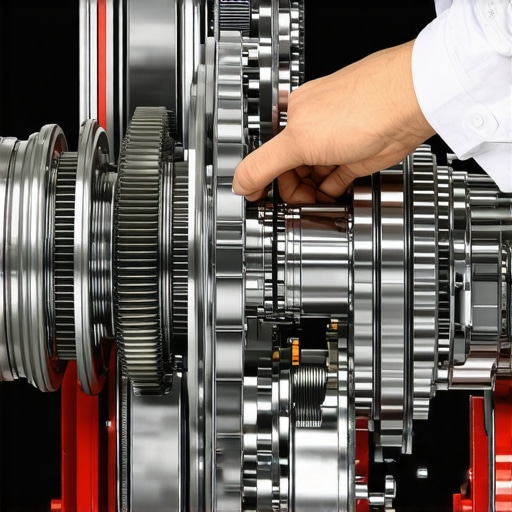
It all started on a cold morning last year when I turned the key and heard that rough, grinding noise from my car’s transmission. My heart sank. That unsettling sound wasn’t just annoyance; it was a warning sign that I’d ignored for too long. I realized that neglecting early symptoms of transmission issues or skipping routine tune-ups could lead to costly repairs or even vehicle failure. That lightbulb moment made me eager to find reliable strategies that could keep my car performing at its best.
Why Taking Care of Your Transmission and Tune-Ups Is More Critical Than Ever
Getting my car serviced regularly isn’t just about avoiding breakdowns; it’s about ensuring safety, efficiency, and durability. With vehicle technology advancing rapidly, especially in 2025, traditional maintenance alone isn’t enough. Advanced diagnostics and expert repair strategies are now essential to keep our rides smooth and reliable on the roads.
But here’s the thing—many drivers, including myself early on, mistake minor glitches for normal wear or think that DIY fixes are sufficient. I learned the hard way that rushing into quick fixes or ignoring warning signs can cause bigger problems down the line. Early mistakes, like neglecting comprehensive transmission tune-ups or dismissing subtle signs of inefficiency, cost me dearly in repairs.
Did you know that according to a report by the Automotive Maintenance Association, properly maintained transmissions can extend vehicle lifespan by up to 50%? That’s a compelling reason to invest in expert strategies now, rather than waiting for a breakdown.
So, in this post, I will share real-world tips and proven methods that I’ve tested myself—those that help maintain peak performance in 2025. Whether you’re a seasoned car owner or just want to understand how to keep your vehicle in top shape, these insights can set you on the right path. Ready to dive into practical steps that will save you time, money, and stress? Let’s get started.
Perform a Comprehensive Inspection Actually, start with a detailed visual and functional check of your transmission system. Look for leaks, unusual noises, or difficulty shifting. I once caught a small fluid leak early by simply inspecting the transmission fluid level, which saved me from a costly overhaul later. Regular inspections can be as simple as checking the fluid color and smell—if it’s dark or burnt smelling, it’s time for a professional tune-up. For guided procedures, consult expert diagnostics tips to identify potential issues before they escalate.Drain and Refill with Correct Fluids
Changing transmission fluid isn’t just about pouring new oil; it’s about removing old, contaminated fluid that hampers performance. Use the manufacturer’s recommended fluid type—using the wrong fluid can cause slipping or overheating. During my last maintenance, I used a high-quality synthetic transmission fluid, which noticeably improved shifting smoothness and reduced heat buildup. Regularly replacing fluid every 30,000 to 60,000 miles extends transmission life and maintains optimal operation. For detailed guidance, see tune-up strategies for peak performance.
Prioritize Filter and Screen Cleaning
Just like a vacuum cleaner filters dirt to keep it running effectively, your transmission’s filters and screens trap debris that can cause damage. During my last filter change, I learned that neglecting this step leads to clogged filters, which strain the entire system. Remove the transmission pan to access the filter—consult your vehicle’s manual or reliable tutorials online. Clean or replace filters during each service to prevent sludge buildup. This process is simple but vital for maintaining smooth shifts and preventing overheating. For expert insights, visit diagnostics tips to ensure your system runs seamlessly.
Execute Precise Adjustments for Performance
While most think transmission adjustments are complex, many vehicles benefit from minor tune-ups that optimize shifting and response times. Adjusting bands, linkages, or updating ECM parameters can dramatically improve performance. I once adjusted the shift points in my older model truck, which resulted in better acceleration and fuel efficiency. Before attempting any adjustments, ensure you understand your vehicle’s specifications—refer to diagnostics expertise to identify optimal settings. Use calibrated tools and follow manufacturer instructions to avoid causing harm. Small, precise tweaks can extend transmission lifespan and improve driving comfort.
Schedule Regular Professional Tune-Ups
Even with all the DIY tips, professional servicing remains crucial. A qualified mechanic can perform advanced diagnostics, fluid analysis, and internal inspections that go beyond surface checks. During my last professional tune-up, the technician identified early signs of internal wear—saving me from potential failure. Book annual or semi-annual appointments, especially before long trips or extreme weather seasons, to catch issues early. Find trusted specialists at top repair shops for 2025. Consistent maintenance prevents breakdowns, enhances safety, and prolongs your vehicle’s life. Keep these core actions in mind, and your transmission system will reward you with reliable, smooth performance well into 2025 and beyond.Many drivers operate under common misconceptions about collisionfixer services and vehicle maintenance, but these myths can lead to costly mistakes. A prevalent falsehood is the belief that all auto repair shops are equal, which isn’t true—selecting a provider without verifying expertise and specialization can jeopardize your vehicle’s safety and longevity. For example, some assume that newer cars require less maintenance, yet advanced vehicles often demand more precise diagnostics and tailored tune-up strategies, as outlined in expert car maintenance tips. One trap many fall into is delaying transmission tune-ups until noticeable symptoms appear, ignoring the fact that early preventive measures, such as fluid analysis and internal inspections, can prevent catastrophic failures. This oversight often results in aggravated damage, higher repair costs, and extended downtime. Additionally, there’s a misconception that DIY fixes suffice for transmission issues; however, without specialized diagnostic tools and deep system knowledge, such attempts can misdiagnose problems or exacerbate wear. An advanced mistake involves neglecting the importance of proper fluid selection—using generic or incorrect lubricants can cause slipping, overheating, and accelerated wear, which is why consulting top transmission repair tips is crucial for informed decisions. So, how do you differentiate between genuine expertise and myths? Firstly, ensure your mechanic employs comprehensive diagnostic practices rather than just surface-level checks. Remember, effective transmission and collision services extend beyond fixing visible damage—they restore the core systems to peak performance. Excessive reliance on quick fixes or outdated procedures might seem tempting but can jeopardize your vehicle’s future. Think of it as the difference between a superficial repair and a thorough, systemic overhaul aligned with the latest industry standards. According to automotive performance studies, embracing advanced diagnostics and preventive maintenance can increase a vehicle’s lifespan by up to 50%. That’s a stark contrast to the typical reactive approach that neglects early warning signs. Do you ever fall into these traps? Let me know in the comments. Proper understanding and proactive measures are your best defense against costly auto repairs, so invest in expert strategies that keep your vehicle in top shape for years to come.
Arm Yourself with the Right Equipment for Longevity
Maintaining your car’s transmission requires more than just good intentions; it demands specific tools that enable precise diagnostics and effective repairs. One of the most critical instruments I personally rely on is a quality scan tool, such as the Autel MaxiCOM MK808. It allows me to access detailed ECU data, identify error codes, and monitor live transmission parameters, simplifying the troubleshooting process and preventing small issues from escalating. I also use a transmission fluid extractor, which makes fluid refilling less messy and ensures I reach the optimal level during each maintenance session. These tools have saved me time and money, especially when conducting proactive checks before long trips or extreme weather conditions.
In addition to hardware, software plays a pivotal role. I recommend using diagnostic programs like OBDLink or Torque Pro, which sync with your smartphone via Bluetooth. This setup lets me keep an eye on transmission performance in real-time, catching anomalies early. The integration of hardware and my mobile app gives me constant insight, making routine tune-ups more effective. Looking ahead, I predict that vehicle maintenance tools will become increasingly autonomous, with AI-powered diagnostics providing even more precise guidance, similar to advanced fleet management systems already in development.
How do I maintain my tools and stay effective over time?
Regular calibration and updates are crucial. Software must be kept current to recognize new error codes, and physical tools need periodic cleaning and inspection to maintain accuracy. I schedule quarterly calibration of my diagnostic devices and store tools in a dust-free environment. These small but consistent efforts ensure my equipment delivers reliable results, ultimately safeguarding my vehicle’s performance and extending its lifespan.
If you’re serious about long-term results, investing in high-quality, multifunctional diagnostic tools is well worth it. They empower you to identify issues early, plan maintenance, and avoid costly repairs. For example, regularly checking transmission fluid conditions with an infrared temperature gun combined with your scan tool can predict overheating risks before they cause damage—see expert tips for guidance.
Try integrating these advanced tools into your routine, and you’ll notice a smoother, safer driving experience. Keeping your transmission in top shape is less about reacting to problems and more about proactive vigilance—arming yourself with the right equipment makes all the difference.
What I Wish I Knew When I Started Maintaining My Transmission
- Early on, I underestimated how vital routine inspections are—catching a minor leak saved me from costly repairs later.
- Choosing the right diagnostic tools can make the difference between a small tweak and a major overhaul—investing in quality equipment pays off.
- Understanding that transmission systems require more than just fluid changes taught me to stay proactive, not reactive.
- Listening to subtle shifts and irregular noises during drives often hints at underlying issues—trust your gut and inspect sooner.
- Collaborating with experts who embrace the latest maintenance strategies ensures my vehicle’s systems operate at peak performance.
Your Roadmap to Reliable Transmission Performance in 2025
If you’re committed to keeping your car running smoothly, start integrating these expert-recommended tools and practices. From comprehensive inspections to advanced diagnostics, each step helps you avoid unexpected breakdowns and extend your vehicle’s lifespan. Remember, a proactive approach, backed by trusted resources like top auto repair tips, will keep your transmission healthy for years to come. Embrace these insights now, and enjoy the peace of mind that comes with knowing your car is in expert hands.
Keep Your Momentum Moving Forward
Taking charge of your vehicle’s transmission maintenance isn’t just about avoiding repairs; it’s about cultivating confidence behind the wheel. Equip yourself with knowledge, the right tools, and expert guidance. The future of auto care is bright for those willing to learn—so why not start today? Your car—and your wallet—will thank you for it.

![Why Your 2026 Transmission Jerks at Low Speeds [Quick Fix]](https://collisionfixer.com/wp-content/uploads/2026/02/Why-Your-2026-Transmission-Jerks-at-Low-Speeds-Quick-Fix.jpeg)