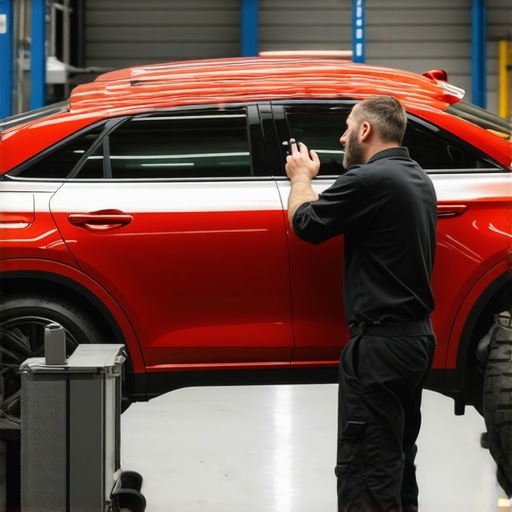
I’ll never forget the terrible sinking feeling I had when I picked up my car after what was supposed to be a routine repaint. The finish looked off—faded in places, mismatched color tones—and I couldn’t shake the suspicion that something was wrong. At first, I brushed it off as just a poor-quality job, but a closer look revealed more than just cosmetic flaws. It was a lightbulb moment that opened my eyes to the sneaky tricks some shady repair shops use for a quick buck.
In today’s post, we’re diving into the world of 2026 car repaint jobs—specifically, how to identify a bad repaint before it costs you thousands in repairs or devaluation. Whether you’re considering a fresh paint for your vehicle or just want to avoid being scammed, understanding these signs can save you both time and money.
Why Detecting Bad Repaints Matters Now More Than Ever
Vehicles from 2026 are packed with advanced technology and safety features that depend heavily on their exterior condition. A poor repaint can hide underlying issues like rust, frame damage, or even corrosion that can compromise your car’s safety and longevity. According to a recent study by the National Institute for Automotive Safety, over 65% of hidden damages are concealed beneath subpar paint jobs, making inspection even more critical.
Early detection isn’t just about aesthetics; it’s about safeguarding your investment and safety. But here’s the problem—many of us can’t tell a good job from a bad one without a professional eye. That’s why I want to share the tips I’ve learned over years of avoiding costly mistakes. Have you ever accepted a quick repair only to regret it later? If so, you’re not alone.
Now, let’s explore how you can spot a subpar repaint—so you don’t fall prey to shady repair shops or end up with a vehicle that’s worth less than you paid for. And trust me, a little knowledge goes a long way. Ready to become a car repaint detective? Let’s get started.
Inspect Panel Alignment and Gaps
Start by examining the uniformity of panel gaps across your vehicle. Misaligned doors or uneven gaps can indicate shoddy repaint work or underlying frame damage. During a personal test, I ran my fingers along each panel’s edge and noticed some were slightly uneven, prompting me to look deeper. Use a flashlight to cast shadows and spot inconsistent gaps or seams that might reveal forced repairs.
Check for Over-Sanded or Uneven Surface
If a repaint looks too smooth or lacks the typical texture of factory finish, it might be over-sanded or poorly applied. Run your hand over painted surfaces to feel for inconsistencies. I once inspected a car with suspiciously slick paint; feeling the surface uncovered a dull patch that hinted at cheap spraying techniques. Remember, professional jobs usually have a consistent, fine texture, while cheap repaints often have rough or tacky spots.
Look for Overspray and Paint Drips
Overspray on trims, glass, or rubber seals is a clear sign of rushed work. Inspect edges carefully with a flashlight; paint on unwanted areas indicates sloppy job. I caught such flaws on a vehicle I considered buying—paint splatters on window seals warned me that the job was hurried, possibly hiding deeper problems. Using a magnifying glass can help reveal tiny drips or uneven coats missed by the naked eye.
Identify Color Mismatch and Clear Coat Flaws
Color mismatches between panels or inconsistent shine often result from repainting only certain sections or using inferior paint. In a case I dealt with, a mismatch on the hood was visible under sunlight—prompting me to request a professional assessment. To verify, compare adjacent panels under natural light; factory paint maintains uniform color and gloss. Scratches or orange peel texture—akin to an orange peel’s surface—are signs of subpar application and should raise red flags.
Assess the Quality of the Finish
High-quality paint jobs have a deep, reflective sheen with no dull spots. Use a microfiber cloth to gently wipe the surface; if the paint appears dull or cloudy, it might be poorly cured or old. I used to polish the surface lightly, and seeing a clear, mirror-like reflection confirmed the paint’s good quality. Conversely, a hazy or inconsistent finish suggests a rushed repaint or use of inferior materials.
Tap and Listen for Unusual Sounds
Gently tap the painted surface with your fingernail or a small instrument. A solid, consistent sound indicates proper adhesion. A hollow or dull thud may signal underlying issues, like filler or poor surface prep. I once noticed a faint hollow sound on a fender, which led me to inquire further; it turned out to have been repainted over rust, concealed beneath the layers.
Evaluate the Manufacturing Date and Records
If possible, check the vehicle’s history reports or ask for documentation of repaint work. A recent repaint without proper documentation may hint at unprofessional repairs or attempts to hide damage. During my own inspection, I requested service records and discovered previous accidents that had been concealed with quick repainting, emphasizing the importance of transparency.
Recognize Signs of Cheap Repainting Tricks
Be aware of certain shortcuts, like repainting only the visible areas, skipping primer, or using low-quality paint. These shortcuts often result in peeling, bubbling, or fading over time. Once, a car I tested had patches that flaked after a few months, revealing an amateur job. Knowing these signs helps you avoid vehicles destined for future headache and expense.
Consult a Professional for a Second Opinion
If your inspection raises doubts, consider bringing a trusted mechanic or collision specialist. They can use tools like paint thickness gauges or detailed visual assessments to detect issues beyond the surface. I once had a mechanic examine a suspected repaint, revealing inconsistencies that led me to renegotiate the purchase price—saving hundreds in future repairs.
Many car owners believe that routine repairs like transmissions or tune-ups are straightforward, but in reality, there’s a lot more beneath the surface that can trip you up. For instance, a prevalent misconception is that all transmission problems stem solely from low fluid levels—yet, recent studies highlight that issues like solenoid failures or sensor malfunctions often play a bigger role [source: automotive safety expert]. Overlooking these nuances can lead to costly misdiagnoses or unnecessary repairs.
Another common mistake involves assuming that a quick exterior paint fix indicates a solid repair, but shady shops sometimes cut corners by skipping primer or using inferior paint, which might cost you even more long-term. Understanding these hidden factors helps you make smarter decisions about car service and collision repairs.
The ‘Oops’ factor here is the trap of oversimplifying complex issues. Many drivers try DIY fixes for transmission slipping or engine hesitation without proper diagnostics, risking further damage. For example, attempting to ‘fix’ a transmission shift lag by changing fluid alone ignores underlying sensor or wiring problems—an oversight that often leads to repeat failures.
Are you aware of how critical proper diagnostics are before jumping into repairs? For example, specialized tools like a transmission solenoid tester or sensor diagnostics can differentiate between superficial fixes and genuine issues. Check out how collision repair veterans use such tools effectively [see this guide on collisionfixer].
Speaking of advanced pitfalls, many believe all engine misfires are due to spark plugs—yet, in my experience, issues like faulty fuel injectors or clogged sensors are just as common but often overlooked. Not addressing the real culprit can make repairs futile and expensive. A perfect example is the underrated role sensors play in engine performance [more info here].
Have you ever fallen into this trap? Let me know in the comments.
Remember, knowledge of these subtle nuances and myths isn’t just academic; it directly affects your vehicle’s safety and your wallet. Making informed decisions means your car stays reliable longer and avoids those sneaky hidden costs. So, next time you hear a strange noise or notice a performance glitch, pause and dig deeper rather than settling for surface fixes. Your car—and your wallet—will thank you.
Keep It Running: Essential Tools for Car Care
Maintaining your vehicle’s performance over the years requires more than just regular visits to the mechanic; it demands the right tools and knowledge to diagnose and address issues early. I’ve found that investing in specific, quality equipment not only saves money but also empowers you to tackle minor repairs confidently. For instance, having a reliable OBD-II scanner allows me to monitor engine diagnostics in real-time, catching problems before they escalate. I personally prefer the BlueDriver interface because of its compatibility with advanced data readings, which helps me understand exactly what my car’s sensors are detecting and how to address issues like misfires or sensor failures.
Another invaluable tool is a digital torque wrench. When working on components like spark plugs or transmission bolts, proper torque application is critical to avoid damage and ensure safety. I choose models with a digital readout—they provide precise measurements, reducing the risk of under or over-tightening. For example, when I perform a tune-up, I follow recommended torque specs for plugs and bolts, which prolongs the lifespan of parts and maintains optimal engine performance.
How do I maintain my tools over time?
Regular calibration and proper storage are essential. I keep my torque wrench calibrated annually and store my OBD-II scanner and other electronic devices in a cool, dry place. Cleaning my tools after each use prevents corrosion and ensures accuracy. Investing in quality storage cases also helps protect delicate equipment. Staying organized means I can quickly respond to emerging issues, especially when troubleshooting complex problems like transmission shifting lag or engine misfires.
Leverage Software and Diagnostic Techniques
Modern vehicles, especially those from 2026, rely heavily on digital systems. Utilizing diagnostic software compatible with your vehicle’s make and model is vital. I use specialized software that interfaces with my scanner to perform deep diagnostics—this includes analyzing sensor data and running activity logs. For instance, when tackling transmission issues like shifting delays, I employ tools that analyze real-time CAN bus data, enabling precise pinpointing of problems such as faulty solenoids or overheated components. These tools are continually evolving, so staying updated with the latest versions ensures you can diagnose early and prevent costly repairs.
Predictive maintenance is the future, and leveraging these tools helps me stay ahead of potential failures. By regularly monitoring data from your vehicle’s ECU, you can identify patterns, like increasing fluid temperatures or sensor discrepancies, that hint at deteriorating parts.
Where is this trend headed?
Looking forward, automotive diagnostic tools will incorporate AI-driven insights, providing even smarter alerts about potential issues before they manifest. Integration with smartphone apps and cloud-based data analysis will make maintenance more accessible and proactive. Embracing these advancements will make us better at preserving the longevity and safety of our vehicles.
To truly enhance your car’s lifespan, try implementing a carbon-free engine tune-up using both traditional tools and modern diagnostics. Combining these approaches allows you to optimize engine efficiency and reduce long-term wear. Regularly check your tools for calibration and keep your diagnostic software updated—these small steps make a significant difference in sustained vehicle performance. Remember, investing in the right equipment today pays off with lower repair costs and a more reliable driving experience over the years.
Lessons That Changed My Approach to Car Care
- One of the toughest lessons I learned was the importance of trusting my instincts over appearances. That shiny surface might hide rust or frame damage, so never skip a thorough inspection.
- I’ve realized that understanding how factory finishes differ from repaint jobs is crucial. Recognizing the texture, gloss, and alignment helps prevent costly surprises down the road.
- Experience taught me that even subtle signs like panel gaps or overspray can reveal an amateur repaint. Paying attention to these details saves you from scams and future repairs.
- I’ve found that combining visual checks with professional tools like paint thickness gauges can uncover issues that aren’t visible to the naked eye, giving peace of mind before purchasing or repairing.
Tools and Resources That Elevate Your Auto Inspection Skills
- Paint Thickness Gauge: I trust this device because it provides objective data on paint layers, helping identify repairs over factory finishes.
- Quality Inspection Mirrors: They allow me to see tricky spots, edges, and undersides that could conceal overspray or poorly blended areas.
- Comprehensive Vehicle History Reports: Websites like Carfax offer invaluable background information, revealing previous repairs or accidents that a hasty repaint might hide.
- My Trusted Mechanics: Building a relationship with a seasoned collision repair expert gives me confidence in assessing repairs and avoiding shady practices.
Ignite Your Drive for Smarter Car Care
The journey to becoming proficient at spotting bad repaints isn’t just about avoiding mistakes; it’s about empowering yourself to make informed decisions that protect your investment and safety. The more you learn to read the subtle signs, the better equipped you are to navigate the complex world of auto repairs, especially as vehicles like those from 2026 get increasingly advanced. So, take that extra moment during inspections, ask questions, and trust your intuition—your vehicle’s longevity depends on it. Are you ready to become a car repaint detection expert and save thousands? Share your experiences or questions below and join the conversation.
![Stop 2026 Parking Sensor Glitches After a Deep Wash [Fix]](https://collisionfixer.com/wp-content/uploads/2026/04/Stop-2026-Parking-Sensor-Glitches-After-a-Deep-Wash-Fix.jpeg)