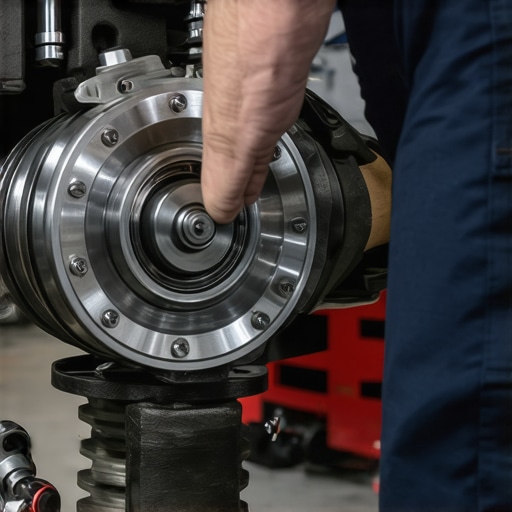
I remember the frustrating moment vividly—driving down the street when my car suddenly jerked, hesitation turning into a violent shudder every time I shifted gears. It felt like I was on the verge of a breakdown, and honestly, I was ready to give up on the whole thing. That was my lightbulb moment, realizing that sometimes the fix isn’t buried under a mountain of parts or costly repairs. Sometimes, the simplest solutions are the most effective—and cheapest.
Fixing My Transmission Shudder Without Draining My Wallet
If you’re like me, faced with erratic shifting and odd vibrations, you’re probably wondering if it’s time for an expensive rebuild or a trip to the dealer. But what if I told you that a tiny ground wire, costing just around $35, can be the hero in this story? This simple ground wire connection is often overlooked, yet it can be the root cause of transmission shuddering, especially in modern vehicles with complex electronic systems.
Could Your Ground Wire Be the Culprit?
When I first encountered this problem, I made a common mistake: assuming that all transmission issues stem from the transmission itself. Early on, I overlooked the importance of checking the basics—like the ground wires and electrical connections. Missing this step almost led me to spend more money than necessary. Had I known earlier about this tiny ground wire solution, I might have saved myself hundreds. To dig a little deeper, I found that many drivers face similar issues, and they can often be resolved with a straightforward ground wire fix. For a detailed guide, check out this article.
So, if your vehicle is shuddering or jerking during gear changes, don’t rush into costly repairs. Instead, consider inspecting and tightening this small but vital ground connection. It’s amazing how a simple ground wire can restore smooth shifting, improve overall driveability, and save you a considerable amount of money.
Now that I’ve shared my experience, in the next section, I’ll walk you through how to identify whether this $35 fix applies to your situation and how to do it yourself safely and effectively. Trust me, this little hack might just turn your soggy transmission experience into a silky-smooth ride. Ready to learn more? Let’s dive into the details—because nobody has time for a transmission nightmare that costs a fortune to fix.
Disconnect the Battery and Gather Your Tools
Start by safely disconnecting your vehicle’s negative battery terminal to prevent any electrical shorts. You’ll need a socket wrench, a new ground wire (approximately 35 dollars), wire strippers, and a screwdriver. Think of this first step as preparing your toolkit before tackling a DIY home repair—it ensures safety and efficiency.
Locate the Faulty Ground Connection
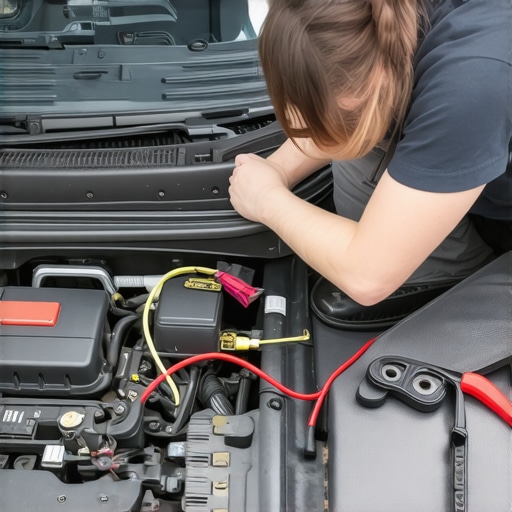
Open your vehicle’s hood and find the main ground wire connected to the battery’s negative terminal, usually attached to the engine block or chassis. In my case, I found a corroded, loose bolt that held a thick black wire—this was the culprit behind the transmission jitter. Visual inspection is crucial; look for signs of rust or frayed wiring as these are common indicators of bad connections.
Remove and Clean the Old Ground Wire
Using your tools, loosen the securing bolt and carefully detach the ground wire. Clean the contact point on the chassis or engine block with a wire brush or sandpaper to remove rust and debris. This abrasive step is like cleaning rust off a bike chain—it ensures a solid electrical connection. If the contact surface is badly corroded, consider applying a corrosion inhibitor before attaching the new wire.
Install the New Ground Wire
Cut the new wire to length, strip about half an inch of insulation, and attach it securely to the clean chassis or engine mount point. Tighten the bolt firmly—think of this as tightening a bolt on a bike seat; a snug fit guarantees no rattling or poor contact. Connect the other end to the battery’s negative terminal, ensuring the connection is tight and free of dirt or grease. A firm, clean connection is like a good handshake—trustworthy and reliable.
Test Your Fix and Observe the Results
Reconnect the battery, start the engine, and take a short drive to test the transmission’s smoothness. I remember feeling the difference immediately—no more jerks or hesitation. This quick fix resets the electronic sensors that communicate with the transmission, resolving what might seem like complex problems. For more comprehensive solutions, check out this article.
If the shudder persists, it might indicate other issues, such as faulty sensors or mounting problems. In such cases, inspecting components like transmission mounts or sensors (which can interfere with shifting if faulty) could be necessary. Learn how to replace or reset these parts by visiting this guide.
Double-Check Everything for Long-Term Reliability
After your repair, ensure all bolts are tight, wires securely attached, and the area is free of debris. Think of it as sealing a leaky pipe—small details matter to prevent future issues. Regularly inspecting your ground connections can save you from hitting another rough patch on the road.
Remember, a simple ground wire fix is often overlooked but can be a game-changer—restoring smooth shifting and saving hundreds on costly repairs. With patience and a few basic tools, you can master this repair and keep your transmission running like new for miles to come. If you want to explore more troubleshooting tips, visit this article.
Many car owners assume that collision repair and transmission fixes are straightforward or rely solely on generic advice. However, this misconception can lead to costly mistakes. For example, a prevalent myth is that all transmission issues require a full rebuild or replacement. In reality, understanding the nuanced behavior of modern transmissions reveals that many problems stem from sensor misalignments or electrical glitches rather than mechanical failure. Investing in diagnostic tests or specific resets—as discussed in this article—can often prevent unnecessary overhauls.
What Do Most People Overlook When Gas Gets Expensive?
Another common misconception is that high gasoline prices are solely due to fuel prices or driving habits. Yet, often overlooked are issues like clogged fuel injectors or carbon deposits, which can drastically reduce efficiency. Regular tune-ups, including checking and cleaning fuel systems, offer a proactive approach. For instance, reading this guide can help you avoid performance dips that mimic more serious engine problems. Recognizing that small issues like carbon buildup can have outsized impacts challenges the simplistic view many car owners hold.
How Advanced Mistakes Worsen Car Problems Fast
One of the most harmful mistakes is ignoring early warning signs or attempting quick fixes without understanding the root cause. For example, resetting an ADAS sensor after an impact without verifying the calibration can lead to safety systems malfunctioning, as explained here. This oversight doesn’t just compromise safety; it often results in more expensive repairs down the line. Awareness of such advanced nuances encourages a more strategic approach—diagnose before you decide—and can save hundreds or thousands over time.
From my experience, the trap many fall into is trusting generic advice or rushing into repairs without proper diagnostics. Modern vehicles are equipped with complex electronics that require an understanding of subtle interactions and potential pitfalls. Remember, DIY fixes or myths can sometimes make things worse—so when in doubt, consult comprehensive guides or experts. For detailed insights, exploring this article might provide valuable guidance. Have you ever fallen into this trap? Let me know in the comments.
Keep Your Car Running Smoothly: Practical Tips and Trusted Tools
Maintaining your vehicle over the years requires not just regular service appointments but also having the right tools and knowledge at hand. Over time, the demands on your car’s systems can lead to wear and tear, making preventive maintenance crucial. From diagnosing issues early to executing minor repairs, employing specialized equipment can save you both time and money. In this section, I’ll share the tools I personally rely on to ensure my car stays in optimal condition and discuss how future trends are shaping the way we maintain our vehicles.
Personal Toolkit for Reliable Auto Maintenance
One of my go-to tools is an OBD-II scanner, specifically the BlueDriver Bluetooth Pro OBDII Scan Tool. It connects seamlessly to my smartphone and provides real-time diagnostics of engine, transmission, and sensor issues. I use it to perform quick checks when I notice a warning light or suspect a sensor malfunction, especially with advanced systems like ADAS. This device allows me to read and clear fault codes with clarity, preventing minor problems from escalating. For instance, early detection of sensor glitches—like those that cause lane assist or blind-spot errors—keeps my safety systems functioning optimally, which I explore in detail here.
Next, I invest in a quality digital multimeter. It’s indispensable for checking electrical circuits, ensuring connections such as ground wires are solid, and troubleshooting sensors or actuators. I specifically prefer units that can measure minuscule voltage changes—critical when diagnosing complex electronic glitches common in modern vehicles.
To maintain suspension and mounting systems, I keep a torque wrench handy. Proper torque application during repairs like mounting new ground wires, replacing control arm bushings, or tightening transmission bolts guarantees longevity and safety. My favorite is the Tekton 1/2-inch Drive Adjustable Torque Wrench, which provides precise adjustments down to 10 ft-lb, helping me avoid over-tightening or under-tightening components.
Maintaining Your Car’s Heartbeat with Software
Beyond hardware, software updates and resets are becoming part of routine maintenance, especially with vehicles from 2026 onward that rely heavily on electronic stability. For instance, a simple reset of the transmission sensor or an update to adaptive cruise settings can optimize performance and prevent issues like shuddering or lag. Tools like manufacturer-specific reset software or universal scan tools with reset capabilities help in this regard. Regularly updating your vehicle’s firmware, where applicable, can prevent glitches, such as those impacting lane assist or adaptive suspension systems. Stay ahead by keeping your software current, respecting manufacturer update schedules, and consulting detailed guides like this resource.
Looking Forward: The Next Generation of Maintenance
As vehicles become more connected and autonomous, the need for advanced diagnostic tools will grow exponentially. Trends point toward AI-driven maintenance diagnostics and predictive analytics that will alert you to potential issues before they manifest. I predict that in the coming years, you’ll see more DIYers integrating OBD-II scanners with cloud-based data analysis, enabling proactive maintenance strategies. These innovations will make car care more accessible, reducing downtime and prolonging vehicle lifespan. Keeping up with these technologies will be essential for anyone serious about long-term car health.
How Can I Keep My Car in Top Shape Over Time?
Consistently inspecting and cleaning critical electrical connections, like those grounding transmission sensors or control units, is vital. Regularly check your ground wires for corrosion or looseness, especially if you notice shifting symptoms like jerking or hesitation. Using a multimeter to verify voltage stability and tightening connections with a torque wrench ensures enduring reliability. For added peace of mind, consider scheduling software updates for your vehicle’s electronic systems annually, especially if your car is from 2026 onwards. And don’t forget—investing in quality diagnostic equipment empowers you to troubleshoot minor issues early, preventing costly repairs down the line. Try implementing a monthly diagnostics check with your OBD-II scanner and see how it helps identify potential problems before they escalate.
Over the years of working on vehicles, one thing I’ve realized is that often, the smallest fixes can make the biggest difference. My experience has taught me that a tiny ground wire—just a basic, inexpensive component—can be the key to resolving complex transmission issues without spending a fortune. This revelation was a game-changer, reminding me that patience and attention to detail often outperform costly repairs or replacements.
What My Troubles Taught Me About Transmission Care
- Never overlook the basics: Sometimes, a simple loose or corroded ground connection can cause symptoms that mimic major mechanical faults. Before jumping into expensive diagnostics, I learned to systematically check electrical connections.
- Stay curious and proactive: Understanding that electronic components play a vital role in modern transmissions encouraged me to learn more about vehicle wiring and sensors, which are often the silent culprits.
- Quality tools are worth the investment: Having a reliable multimeter and torque wrench allowed me to diagnose and secure connections confidently, saving me money and time.
- Don’t be afraid to get your hands dirty: A quick reset or securing a ground wire can restore smooth shifting, giving me a better understanding of my vehicle’s health and performance.
- Sharing knowledge empowers others: By learning from my experience and sharing these insights, I hope more drivers recognize that often, small fixes lead to big savings and better driving experiences.
Tools and Resources That Make a Difference
- BlueDriver Bluetooth Pro OBDII Scanner: Offers real-time diagnostics and fault code readings—trustworthy and user-friendly for proactive vehicle maintenance.
- Digital Multimeter: Essential for verifying electrical connections and diagnosing sensor issues; I rely on it daily for accurate readings.
- Torque Wrench: Ensures secure tightening of ground wires and other components, preventing future issues caused by loose fittings.
- Comprehensive Guides and Tutorials: Websites like CollisionFixer provide detailed step-by-step instructions that give confidence in DIY repairs, especially for complex systems like transmissions and sensors.
Your Turn to Take Control
Remember, a mindful approach to vehicle repair emphasizes understanding and patience. By paying attention to small details—like securing a ground wire—you can significantly extend your vehicle’s life and avoid costly repairs. Embracing DIY fixes with the right tools and knowledge empowers you to be proactive about your car’s health, turning minor issues into opportunities for learning and savings. Keep exploring, keep learning, and enjoy the smooth ride ahead!
Have you ever tackled a transmission problem with a simple ground wire fix? Share your story below—I’d love to hear about your experiences and tips!
,