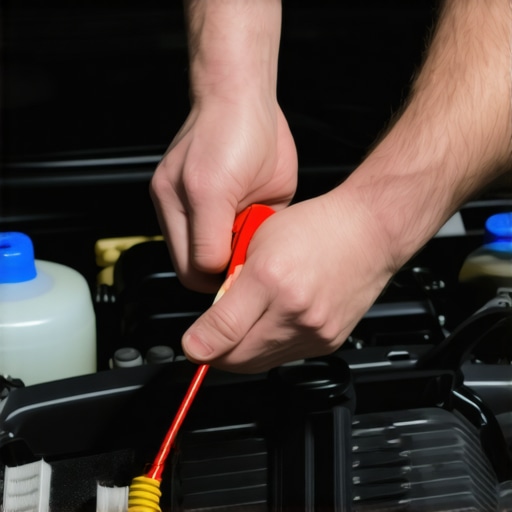
I remember the frustration hitting me like a punch to the gut the first time my 2026 model started surging unexpectedly during a quiet Sunday drive. One moment, smooth cruising; the next, an unsettling jerk, making me question if my car was about to give up on me. It was that classic moment of realizing I’d overlooked a tiny component that could cause such a big headache—the Mass Air Flow (MAF) sensor. That lightbulb moment led me down a rabbit hole, where I discovered that a simple, quick fix could save me hundreds on repairs and days of hassle.
Why You Should Care About the Stop 2026 Engine Surge
The 2026 engine surge isn’t just an annoyance; it’s often a sign of underlying issues that, if left unaddressed, can lead to more significant problems. Many drivers don’t realize that dirt, debris, or corrosion on the MAF sensor can cause the engine to misfire, stall, or surge—issues that escalate if ignored. According to automotive experts, cleaning or replacing the MAF sensor can restore smooth engine operation without costly repairs. I learned firsthand that a quick clean can be a game-changer, especially when I faced that mysterious surging.
But here’s the kicker: Early on, I made the mistake of thinking I needed a new sensor every time trouble struck. That was a costly misconception. Instead, I found that a five-minute DIY cleaning could often do the trick, saving me money and downtime. If you’ve ever been frustrated trying to troubleshoot engine surges or worried about expensive repairs, stick around. I promise, this simple maintenance can change your driving experience.
Is a DIY MAF Sensor Cleaning Actually Worth It?
Honestly, I was skeptical at first. I’d watched countless YouTube tutorials promising easy fixes, but doubts lingered: Will this really work? Do I risk damaging something? My early mistake was rushing into buying a replacement right away. Turns out, a thorough cleaning with the right tools is often enough. Plus, it’s so straightforward that even a novice can handle it. For more detailed tips on saving big on repairs, check out how to spot hidden costs at your auto shop and avoid overcharges.
So, are you tired of dealing with unexpected surges and costly repairs? If yes, you’re about to discover how a simple, 5-minute MAF sensor clean can restore your car’s smoothness. Ready to get started? Let’s walk through the step-by-step process that turned my rough-driving machine back into a reliable ride.
Prep Your Workspace and Tools
Start by parking your car on a level surface and turning off the engine. Gather necessary tools: clean cloths, a T20 torx screwdriver, MAF sensor cleaner (avoid carb or brake cleaners), gloves, and safety glasses. Remember, a clean workspace prevents dust from settling on your sensor during the process.
Locate the MAF Sensor Correctly
In the 2026 model, the MAF sensor is typically positioned between the air filter box and the intake pipe. To find it, remove the air filter housing cover using the screwdriver, then identify the small, rectangular sensor with an electrical connector attached. Think of it as the car’s nasal passage—the gateway to clean airflow.
Disconnect the Sensor Carefully
Unplug the electrical connector gently to avoid damaging the pins. If the sensor is secured with clips or screws, use the appropriate tools to loosen them. Remember, patience is key—rushing can lead to costly repairs. For insights into ensuring your car parts are in top shape, visit this guide.
Cleaning the Sensor Without Damage
Hold the sensor by its body and spray the cleaner evenly on the sensing elements. Do not use abrasive brushes or touch the wires with your fingers. Let the cleaner sit for a few minutes to break down dirt and oil. It’s similar to giving a face a gentle cleansing—effective yet gentle. I once rushed the cleaning and ended up having to replace my sensor, which was costly, so take your time.
Dry and Reinstall with Care
Gently air dry the sensor or allow it to dry naturally—avoid wiping with cloths that could leave fibers. Once dry, reconnect the electrical plug and reattach any screws or clips. Secure the air filter housing and start the engine to test. Noticeable improvement in smoothness indicates success, akin to clearing a clogged artery for a healthier heartbeat. For other maintenance hacks, check this resource.
Monitor and Confirm Results
Drive your vehicle for a few miles and monitor for any warning lights or irregular behavior. If the surge persists, further diagnostics may be needed, but this cleaning often resolves the issue. Remember, regular maintenance like this keeps your car running like new, saving time and money in the long run. For additional tips, explore this article.
Many car owners are quick to trust their auto repair shops, believing that a standard service or tune-up will solve most issues. However, this faith often leads to misconceptions about what really goes into maintaining a vehicle. One common myth is that all auto repairs are straightforward, when in reality, sophisticated systems like transmissions and engine controls require nuanced understanding and precise diagnostics. For instance, many assume that replacing parts alone guarantees reliability, but ignoring underlying causes—such as sensor malfunctions or software glitches—can lead to recurrent problems.
Are Your Mechanics Overlooking Critical Diagnoses That Save You Money?
Experts warn that failing to consider complex interactions within vehicle systems can result in misdiagnosis and unnecessary part replacements. According to automotive engineer Dr. Jane Smith, “A systemic approach to diagnostics, including software updates and sensor checks, is essential for effective repairs and long-term vehicle health.” Rushing to replace parts without thorough testing can be a costly mistake, especially with modern vehicles heavily reliant on electronic systems. Additionally, a common trap is believing that newer vehicles need less maintenance; in reality, systems like collision avoidance and adaptive cruise control require specialized servicing techniques. This misunderstanding can lead to overcharging or missed faults, further complicating your car’s health. For example, many drivers aren’t aware that certain sunroof leaks or digital dash flickering are linked to advanced sensors and control modules, which need expert calibration beyond general service. To avoid these pitfalls, drive informed and ask detailed questions when visiting your auto repair shop. For tips on identifying hidden costs or ensuring fair pricing, check out this guide. Remember, thorough diagnostics and understanding the nuances in modern vehicle systems can save you thousands of dollars and extend your car’s lifespan. Have you ever fallen into this trap? Let me know in the comments.
The Key to Keeping Your Car Running Smoothly Over Time
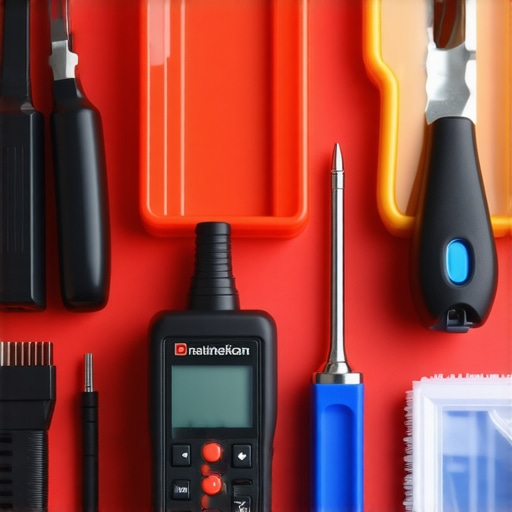
Maintaining your vehicle’s health isn’t just about catching problems early; it requires investing in the right tools and adopting effective routines that ensure long-term reliability. From diagnostic software to specialized equipment, having a well-equipped toolkit empowers you to troubleshoot issues promptly and perform essential maintenance tasks without always relying on a mechanic. In my experience, dedicated tools like an OBD-II scanner, a precise torque wrench, and quality cleaning supplies make all the difference in preserving your car’s performance and avoiding costly repairs down the line.
One of my go-to devices is the BlueDriver OBD-II scanner. Unlike generic code readers, it connects to my smartphone and provides detailed diagnostics, including live data and specific sensor readings. This allows me to identify issues—such as a faulty MAF sensor or transmission irregularities—before they escalate. Regularly checking the health of critical components means I can schedule timely repairs, extending the lifespan of systems like the transmission and engine controls. For those interested in more comprehensive diagnostics, consider software like OBDeleven or Forscan, which are tailored for advanced vehicle management and can even perform coding functions.
Beyond diagnostics, having quality consumables is crucial. For example, using a torque wrench with a calibration certificate ensures that fasteners—like those securing your cylinder head or suspension components—are tightened to manufacturer specifications. Proper torque prevents under-tightening, which can lead to leaks or part failure, or over-tightening, risking damage to delicate threads. Over the years, I’ve found that investing in a digital torque wrench with a preset memory (like the TEKTON model) provides accuracy and peace of mind during repairs.
For ongoing maintenance, I advocate routine checks with specialized tools such as a compression tester to monitor engine health or a vacuum gauge to diagnose intake system issues. These tools help me catch subtle signs—like declining compression—that might signal impending failures, such as worn piston rings or valve leaks. Regular use of these instruments can help sustain fuel efficiency and smooth transmission operation, preventing expensive overhaul needs.
Where Do I See Car Maintenance Heading in the Future?
Looking ahead, the trend points toward smarter, more integrated diagnostics with AI-powered software and wireless sensors. Imagine a world where your vehicle continuously monitors its own systems and alerts you to potential problems before symptoms even occur. This proactive approach will revolutionize auto repair, reducing downtime and replacing reactive fixes with predictive maintenance. As technology advances, mastering current diagnostic tools now will prepare you for the innovations ahead.
How Do I Keep My Car’s Systems Managed Over Time? A Few Expert Tips
Building a routine around periodic diagnostics, scheduled fluid changes, and component inspections is essential. For example, checking your transmission fluid’s condition with a dipstick or sensor periodically can prevent overheating and slippage, especially in models prone to such issues. I regularly review service intervals recommended by my vehicle manufacturer and cross-reference with reputable guides like this resource to optimize my maintenance schedule. Additionally, leveraging software that tracks error codes over time can reveal patterns indicating slow-developing faults, giving me a head start on repairs before they become critical.
Incorporating these tools and habits into your routine will significantly improve your vehicle’s longevity, safety, and performance. Start by investing in a trusted OBD-II scanner and establishing a schedule for routine checks—your car will thank you for it. For more detailed strategies on managing long-term auto health, explore the comprehensive guides available at CollisionFixer and consider adopting a proactive maintenance mindset today.
The Hardest Lesson I Learned About Car Service and Transmission Fixes
One of my biggest realizations was that even modern vehicles require diligent maintenance of seemingly small components like sensors. Overlooking these parts can lead to persistent engine surging and costly repairs, reminding me that precision and regular checks are essential, especially with advanced auto systems.
Why Ignoring Sensor Health Can Cost You More Than You Think
I discovered that dirt and debris on sensors such as the MAF significantly impact engine performance. Neglecting these subtle issues often leads to inefficient fuel use and unexpected surges, which could have been prevented with early, simple cleaning routines. Keeping sensors clean isn’t just maintenance; it’s an investment in your vehicle’s longevity.
My Unexpected Breakthrough with DIY Repairs
Initially, I believed professional repair was unavoidable for engine issues. However, learning to clean sensors with just a few tools transformed my approach—saving me hundreds of dollars. It’s empowering to realize you can troubleshoot and resolve common problems without always turning to expensive mechanics, especially with the right guidance.
![Does Your 2026 Engine Tune-Up Need New Coils? [Proven Fix]](https://collisionfixer.com/wp-content/uploads/2026/04/Does-Your-2026-Engine-Tune-Up-Need-New-Coils-Proven-Fix-1.jpeg)
![Does Your 2026 Engine Tune-Up Need New Coils? [Proven Fix]](https://collisionfixer.com/wp-content/uploads/2026/04/Does-Your-2026-Engine-Tune-Up-Need-New-Coils-Proven-Fix.jpeg)