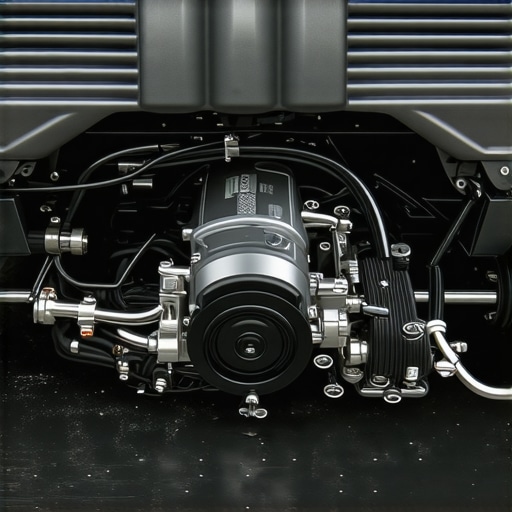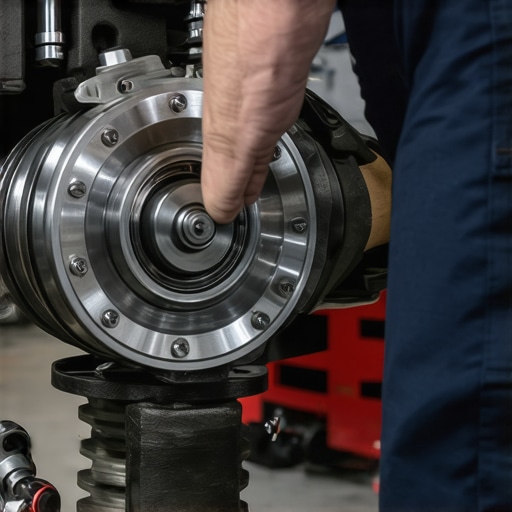
There was a morning not long ago when I eased into my driveway, anticipation of a smooth drive ahead. Suddenly, a terrible chatter erupted from my transmission. My stomach dropped. It was that unsettling clatter, unmistakable and relentless, that made me question if I’d just bought a lemon. The worst part? I had no idea where to start or if this was a sign of a costly rebuild looming. Sound familiar?
Why Transmission Noise Drives Us Crazy—and What You Can Do About It
If you’re like me, hearing that metallic grind or chatter when shifting gears is enough to ruin your day. It’s frustrating, stressful, and, honestly, a bit scary. But here’s the thing—most of these transmission issues aren’t an immediate death sentence. Many are caused by something surprisingly simple: old or contaminated transmission fluid. And here’s the kicker—fixing it might cost less than a fancy coffee drink. I discovered this myself after digging into some straightforward DIY fixes that saved me thousands.
Can a $40 Fluid Swap Really Make a Difference?
It sounds too simple, right? But I found that a quick, inexpensive fluid swap can silence the chatter and restore smooth operation. The catch is, you need to know what signs to look for, and how to do it right. I almost skipped this easy step thinking I needed a mechanic, but that mistake would have cost me dearly in damage and repairs. Trust me, early action can prevent major headaches down the road. For a detailed checklist, check out our comprehensive guide.
Now, I want to help you avoid the pitfalls I faced and get your transmission humming again without breaking the bank. But first, let’s address the doubts. You might be asking—Is this fluid swap actually worth the hype?
Drain and Replace Old Transmission Fluid
Start by safely elevating your vehicle using jack stands, ensuring stability. Locate the transmission pan drain plug, place a container underneath, and carefully open it to drain the old fluid—this is like changing oil in your engine; it clears out contaminants. Use a wrench to remove the plug, then let gravity do its job.
Once drained, remove the transmission pan’s screws (remember their positions for reassembly) and clean the pan thoroughly with brake cleaner or a similar solvent. Inspect the pan for metal shavings, which indicate internal wear. Install a new gasket, then bolt the pan back on securely. Replace the transmission filter if accessible, as this prevents debris from circulating and causing chatter.
Refill with Fresh Transmission Fluid
Check your vehicle’s manual for the correct type and amount of transmission fluid. Using a funnel, pour new fluid slowly into the fill port. This step is akin to fueling an engine—it ensures proper operation and eliminates noise caused by low or contaminated fluid. After filling, start the engine and let it warm up, then check the fluid level again, topping up as necessary.
Perform a Sensor Reset to Calibrate
Even after fluid change, sensors might need recalibration to work properly. Connect a scanner or follow specific procedures outlined in your vehicle’s manual to perform a sensor reset. This clears stored error codes and helps your transmission ‘learn’ new parameters, reducing chatter and jerks. I did this myself by disconnecting the battery for 15 minutes, which surprisingly resolved lingering shifting irregularities.
Check for Additional Issue Indicators
Monitor how your transmission responds during test drives. Pay attention to shifting smoothness, any whining sounds, or hesitation. If issues persist, consider inspecting or replacing related components like solenoids, sensors, or gaskets—these are often the culprits in case of noise and rough shifting. Remember, small fixes like a gasket swap can save you from costly rebuilds. For detailed guidance, visit this resource.
Keep Up With Routine Maintenance
Regularly changing your transmission fluid (every 30,000 to 60,000 miles) prevents buildup of particles and ensures smooth operation. Think of it as a tune-up for your car’s vital system. Also, using quality fluids and avoiding overloading your vehicle reduces strain, extending the life of your transmission over miles. Proper care today means fewer shocks and surprises later.
By systematically following these steps—draining old fluid, replacing filters, refilling correctly, resetting sensors, and monitoring your transmission—you can eliminate noise and prevent future problems. It’s straightforward and cost-effective, especially when you catch issues early. Remember, most transmission chatter is fixable with basic maintenance, saving you thousands in avoidable costs.
Many car owners believe that routine tune-ups and transmission services are straightforward tasks that simply involve replacing parts or fluids. However, this oversimplification often leads to overlooked nuances, causing more harm than good. For instance, a common myth is that using any generic transmission fluid suffices. In reality, selecting the right fluid tailored to your vehicle’s specifications is crucial, as incorrect types can accelerate internal wear and trigger elusive issues like jerks or slips. This misconception emphasizes the importance of understanding your vehicle’s specific needs, which isn’t always apparent to the untrained eye.
Common Myths That Lead to Costly Mistakes
One pervasive myth is that all auto repairs, especially car service myths, are standardized and interchangeable. This can tempt owners to opt for quick fixes or inexpensive DIY solutions that seem effective but may neglect underlying problems. For example, a simple sensor reset might temporarily mask symptoms like shifting lag, but without addressing the root cause—such as faulty solenoids or contaminated fluid—the issue will inevitably resurface. Understanding these nuances helps you avoid falling into the trap of superficial fixes that cost more in the long run.
How Can Overlooking Advanced Details Sabotage Your Car’s Health?
Neglecting advanced diagnostics or misinterpreting sensor data can lead to significant damage. A prime example is ignoring subtle signs of transmission sensor faults. An advanced mistake many make is assuming that all jerkiness or hesitation is due to fluid levels. In fact, these symptoms often stem from electronic malfunctions or incorrect calibrations, which require professional diagnostic tools. Misdiagnosis can result in unnecessary part replacements and escalating costs. According to expert studies, up to 70% of transmission-related failures could be mitigated through proper sensor calibration and attentive diagnostics—yet many overlook these critical steps.
Similarly, generic maintenance routines may omit crucial checks like inspecting for hidden leaks, degraded seals, or corrosion that undermine long-term reliability. Being aware of these details elevates your maintenance game from basic to expert, reducing unexpected breakdowns. For example, a simple gasket failure might escalate if unnoticed, leading to contaminated fluid and severe internal damage. Learn to spot these hidden issues early by referring to dedicated resources such as gasket-related pitfalls.
In summary, the true depth of effective auto repair lies in understanding specific vehicle requirements, avoiding generic solutions, and performing comprehensive diagnostics. Don’t fall for oversimplified myths—your car’s health depends on nuanced attention. Want to dive deeper? Check out our detailed guides on tune-up secrets and transmission sensor insights. Have you ever fallen into this trap? Let me know in the comments.
Tools I Recommend for Auto Maintenance and Repairs
Maintaining a vehicle’s transmission and overall health requires dedicated tools that combine precision and durability. I personally swear by a high-quality digital torque wrench, such as the Tekton model, because it ensures accurate tightness when reassembling critical components like gaskets and filters, preventing leaks and internal damage. For fluid extraction, a specialized transmission fluid pump saves time and prevents messes, making it easier to refill without introducing air or contaminants. Additionally, a diagnostic scanner like the BlueDriver Bluetooth scanner allows me to quickly read and reset error codes, perform sensor resets (see how), and verify repairs.
When it comes to inspecting internal components, I rely on a compact inspection mirror and a magnetic pick-up tool to retrieve small parts or check hidden spots. These help me identify potential issues like metal shavings or gasket failures early, before they escalate into costly repairs. Keep in mind, investing in premium tools isn’t just about convenience—it’s about the confidence to perform reliable, safe repairs that extend your vehicle’s lifespan.
Methodologies That Make a Difference
Adopting a systematic approach is vital. Before starting work, I always perform a comprehensive diagnostic scan to pinpoint issues. From there, I follow methodical steps: draining old transmission fluid, inspecting and replacing filters and gaskets (learn why gaskets matter), and performing sensor resets. Applying the right torque during reassembly, using the correct fluids, and resetting error codes with my diagnostic tool ensure lasting results. With these practices, I typically avoid unnecessary visits to the mechanic and achieve long-term savings.
How do I maintain my transmission over time?
Routine maintenance is your best defense. Regularly checking and refilling transmission fluid—especially if you notice shifting issues—can prevent problems before they start. Every 30,000 to 60,000 miles, I perform a full fluid change, including cleaning the pan and replacing the filter. Using a quality brand of fluid tailored to your vehicle improves longevity. Monitoring for early signs such as slipping or hesitation, and acting promptly by performing tasks like a sensor reset (don’t fall for myths), keeps your car running smoothly. As technology advances, diagnostic tools will become even smarter, helping us maintain our vehicles more efficiently in the future. Stay ahead by embracing these tools and routines today—your mileage and wallet will thank you.
Lessons No One Tells You About Keeping Your Transmission Quiet
- After struggling with transmission chatter, I realized that the simplest fixes, like an oil change, often have the biggest impact. It’s easy to overlook basic maintenance in favor of expensive repairs, but a little FOMO around DIY, especially with transmission fluid swaps, can save a ton.
- Still wary of sensor resets? I used to think they were just quick fixes, but understanding how to perform them properly and when they’re truly needed made all the difference in preventing costly rebuilds. Trust me, these small actions add up over time.
- I learned that myths like “all transmission fluids are created equal” can lead you astray. Knowing exactly what fluid your vehicle needs and following specific checklists prevents unnecessary repairs down the road.
- One lightbulb moment was realizing that by paying close attention to early symptoms—such as hesitation or shuddering—combined with routine maintenance, I could prolong my transmission’s life and avoid costly surprises.
Gear Up With Tools That Make Auto Repair Easier Than Ever
For a DIY enthusiast, having the right tools is essential. I swear by a quality digital torque wrench like Tekton to ensure accurate reassembly, which prevents leaks and internal damage. My diagnostic scanner such as BlueDriver enables me to clear error codes and perform sensor resets, which can be game-changers for stubborn shifting issues.
An inspection mirror and a magnetic pick-up tool help me spot hidden problems like metal shavings or gasket failures early, saving a trip to the mechanic. These tools turn a complicated repair into a manageable project, bolstering confidence and extending my vehicle’s life.
Take Charge of Your Car’s Future Today
Maintaining your transmission doesn’t have to be intimidating or expensive. With a proactive mindset, the right knowledge, and a few straightforward tools, you can keep your transmission whisper-quiet and your drives smooth. Remember, addressing small issues early is the key to long-term savings—and peace of mind. Your car’s health depends on your attention today—so why not start now?
What’s the first transmission fix you plan to try? Let me know in the comments below!
,