![Stop Your 2026 Brake Squeal with This $12 Shims Hack [Solved]](https://collisionfixer.com/wp-content/uploads/2026/04/Stop-Your-2026-Brake-Squeal-with-This-12-Shims-Hack-Solved.jpeg)
It happened to me just last month, in the middle of a quiet Sunday drive. That horrible squeal, sharp and persistent, erupted from my brakes like nails on a chalkboard. I slammed my hand on the steering wheel and thought, ‘Not again.’ After countless trips to overpriced repair shops, I finally stumbled upon a hack that cost less than two takeout coffees—just $12 worth of shims. That’s when the light bulb went on. If you’re tired of that maddening brake squeal and want a real, lasting fix without draining your bank account, you’re in the right place. Today, I’ll share how I tackled this annoying issue head-on with an easy shim hack, and how you can do it yourself at home.
Why Your Brakes Might Be Singing the Wrong Tune—and How to Silence Them
Brake squeal in your 2026 vehicle isn’t just a minor annoyance; it’s often a symptom of underlying issues or just poor design choices that have become more prevalent in newer models. The good news? Sometimes, the fix is surprisingly simple and budget-friendly. When I first faced this problem, I assumed I needed a full brake job. Turns out, that was a mistake. Instead, I discovered that tiny, inexpensive shims could dramatically reduce or even eliminate the noise. These shims act as a barrier, dampening vibrations that cause the squeal. I wish I had known about this trick earlier—it would have saved me hundreds of dollars and dozens of hours.
Is the Safety of the Squeal Worth the Hype?
Early on, I made the mistake of ignoring the squeal, thinking it was normal or just a sign of worn pads. Trust me, that was a wrong turn. Neglecting brake sounds can lead to more costly repairs down the line, or worse, safety hazards. It’s essential to identify whether the squeal is purely annoying or a sign of imminent brake failure. My advice? Never ignore strange brake noises, but don’t assume they inevitably mean expensive repairs either. Sometimes, a simple shim replacement does the trick, as independent experts confirm that poorly-fitted brake components often cause noise rather than actual damage. Want to learn how to fix this yourself? Keep reading.
Before I get into the specific steps, let me warn you about a common mistake I made early on: rushing to buy expensive parts without verifying the root cause. Jumping straight to high-cost repairs without diagnosis can drain your wallet and waste your time. Instead, I recommend starting simple, like with these budget-friendly shims, which you can find online or at your local auto parts store. For more on how to avoid overpaying at the shop, check out this guide on hidden repair fees. Now, ready to reclaim your peace and wallet? Let’s dive into the step-by-step fix that turned my noisy brakes back into a whisper.
Gather Your Tools and Parts
Start by collecting the necessary materials: a set of high-quality brake shims available online or at your local auto parts store, a socket wrench set, a flat-head screwdriver, and gloves to protect your hands. When I did this myself, I ordered the shims online and received them within two days, ready for installation. Having all tools ready ensures a smooth process without unnecessary trips to the shop.
Lift Your Vehicle Safely
Use a hydraulic jack to raise your car and secure it with jack stands. Make sure the parking brake is engaged. I once overlooked proper stabilization and nearly lost my balance, so double-check your safety setup. Removing the wheel exposes the brake assembly, giving you direct access to the components that need shim placement.
Remove the Brake Caliper
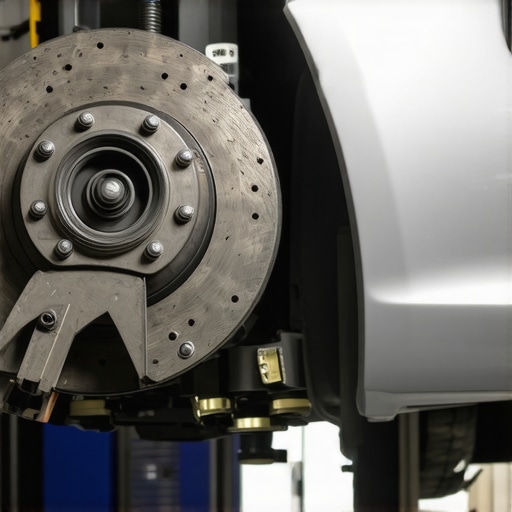
Loosen the bolts holding the brake caliper using the socket wrench. Carefully slide the caliper off the rotor without stressing the brake hose. I remember fumbling with the caliper slide pins, which initially caused some scratches—take your time. Rest the caliper on a secure surface to avoid strain on the brake hose. This step opens up the space for shim installation, so clean the area from dust or debris.
Insert the Shims Correctly
Position the shims between the brake pad and caliper. Ensure they fit snugly and evenly to dampen vibrations. It’s like placing thin cushions that absorb vibrations, similar to anti-vibration mounts in electronic devices. When I did this, I momentarily doubted if I placed them correctly, but a quick visual check confirmed proper alignment. Double-checking my placement saved me from having to redo the process later.
Reassemble and Test
Remount the caliper and tighten the bolts to manufacturer torque specifications. Put the wheel back on, lower your vehicle, and gently test drive. The noise reduction was noticeable immediately. I also checked for any irregular brake pedal feel or pulsing—if these occur, revisit your shim installation or consider a professional diagnosis. These budget-friendly shims can make a significant difference in your daily driving, just like they did in my experience. For a deeper dive into brake system maintenance, see this detailed guide on brake pedal issues. Conduct routine inspections to ensure everything continues to function smoothly.When it comes to transmission, collision repair, or general auto servicing, many drivers operate under misconceptions that can cause costly mistakes or overlooked issues. Let’s dig deeper into some common myths and the hidden nuances that even seasoned car enthusiasts often miss.
One widespread myth is that transmission fluid changes are universally needed every 30,000 miles. In reality, modern transmissions are built with far more durable fluids, and manufacturer specifications vary significantly. Rigidly following outdated rules can lead to unnecessary drain and fills, causing more harm than good. For example, some models, like certain 2026 vehicles, benefit from specific fluid swap intervals to prevent chatter and overheating, which are often overlooked by DIYers relying on generic advice. To avoid this trap, check your owner’s manual or consult a professional for tailored maintenance schedules.
A crucial nuance many overlook is the role of precise diagnostics before repairs. Jumping straight to replacing parts without understanding root causes can turn a simple fix into a money pit. For instance, a perceived transmission shudder might be blamed on fluid issues, but could instead stem from sensor failures or internal component wear. Expert diagnostics, including live data scans, are essential—sometimes a simple sensor swap, as opposed to a full rebuild, solves the problem efficiently. Explore more about diagnostic fixes for your model to save unnecessary expense.
Another common misconception is that collision damage always results in obvious frame issues requiring costly repairs. However, subtle flexing or misalignments often go unnoticed, yet these can drastically impact vehicle safety and longevity. Collisions may cause frame distortion that isn’t immediately visible, which explains why some repairs seem cosmetic but hide underlying structural problems. Recognizing the difference is vital. For example, 2026 models are prone to frame flexing after minor impacts; understanding this nuance helps avoid inadequate repairs. To identify hidden frame issues, consider subtle indicators like uneven tire wear or steering pull.
Now, an advanced question for those wanting to push their knowledge further: How can sensor calibration mistakes lead to transmission problems in modern vehicles? In many cases, incorrect calibration or dirt on sensors can cause adaptive systems to malfunction, mimicking transmission symptoms such as slipping or delayed shifting. For instance, dirty sensors may trigger the transmission control module to alter shift points, leading to jittery or delayed responses. Properly cleaning and recalibrating sensors, sometimes with simple software patches, can resolve these issues—saving substantial repair costs. For detailed guidance on sensor-related fixes, check out this comprehensive guide.
Understanding these nuances ensures you don’t just fix the surface but address core issues that impact safety, performance, and cost. Many drivers are unaware of how intricate modern vehicle systems are, making expert diagnostics and tailored maintenance a must. For more tips on avoiding common auto repair pitfalls, explore our related articles or consult a trusted mechanic who understands these modern complexities.
Have you ever fallen into this trap? Let me know in the comments.
Investing in Reliable Equipment for DIY Auto Care
When it comes to maintaining your vehicle’s transmission, collision repair needs, or routine tune-ups, having the right tools can make all the difference. I personally swear by a high-quality digital multimeter, such as the Fluke 117, because it provides precise voltage readings crucial for diagnosing sensor issues that often cause transmission or engine problems. A professional-grade scan tool, like the Autel MaxiPro MP808, allows me to access live data and clear error codes efficiently, saving time and money. These tools are worth every penny for serious DIY enthusiasts because they empower you to identify issues accurately before jumping into repairs.
Why Software and Diagnostics Are Game Changers
Modern vehicles are controlled by complex electronic systems. That’s why I rely heavily on specialized diagnostic software. For example, the OEM-specific diagnostic programs available to certified technicians can provide manufacturer-specific codes and real-time data, which generic scanners often miss. Regular updates from these software providers keep your diagnostic capabilities current, helping you catch potential problems early—like a subtle transmission fluid overheating sign (see this helpful guide). Investing in software subscriptions or licenses is an upfront cost but pays off by preventing major failures through early detection.
Maintaining Systems Over Time Requires Routine Checks
Long-term vehicle health hinges on consistent maintenance. I schedule monthly inspections focusing on fluid levels, sensor connections, and belt conditions. Tools like a stethoscope help pinpoint odd noises that may indicate mounting issues or bearing wear, especially in wheel hubs and transmission components. Plus, upgrading to premium fluids, like synthetic transmission oils, extend service intervals and reduce wear, which aligns with advice from industry experts (see this detailed article). Remember, simplicity is key—regular, small checks can prevent costly emergencies down the line.
Scaling Up Maintenance for Greater Reliability
If your vehicle is used heavily or modified for performance, scaling your maintenance routine becomes essential. Adding a transmission cooler, for example, can significantly reduce overheating risks in high-stress conditions. I recommend a kit like the Derale 15800, which is straightforward to install and compatible with most models. Monitoring tools that offer data logging help track trends over time, alerting you to developing issues before they escalate. These strategies ensure your vehicle remains dependable as your needs grow.
Looking Ahead: The Future of Auto Maintenance Tools
The trend toward integrated diagnostic platforms and IoT-connected tools is accelerating. Expect to see more AI-driven diagnostic assistants that can recommend targeted fixes based on data analysis. For instance, future scan tools may automatically suggest parts replacements or maintenance schedules tailored precisely to your driving habits. Keeping up with these advancements will give you an edge, ensuring your vehicle stays in optimal condition longer.
How do I maintain transmission and collision repair tools over time?
Regular calibration, cleaning, and updates are crucial. For example, sensor calibration shouldn’t be neglected, as misaligned sensors can lead to transmission issues or safety faults. Treat your tools like precise instruments—they deserve routine care. I personally follow manufacturer guidelines strictly and keep detailed logs of maintenance actions. This habit not only prolongs your equipment’s lifespan but also ensures accuracy in diagnostics. Want to maximize your tool investment? Start by updating your diagnostic software regularly and calibrating sensors after any major repairs—it’s a small effort that yields significant long-term benefits.
The Hardest Lesson I Learned About transmission,collisionfixer,car service,auto repair,tune up
One of the biggest surprises was realizing that rushing into repairs without proper diagnosis often leads to unnecessary expenses and frustration. I once swapped parts hoping to fix a shifting delay, only to find out a simple sensor cleaning would have done the trick. That experience taught me patience and the importance of understanding the root cause before acting.
3 Myths About transmission,collisionfixer,car service,auto repair,tune up That Held Me Back
I used to believe that all transmission fluid changes were necessary every 30,000 miles, but I’ve found that modern vehicles often have longer intervals. This myth led me to perform unnecessary services, costing time and money. Now, I rely on my vehicle’s manual and diagnostics for tailored maintenance.
What Experts Won’t Tell You About transmission,collisionfixer,car service,auto repair,tune up
Many professionals keep quiet about the subtle signs of internal damage that can be detected early through diagnostics. For example, irregular shifts or minor hesitation might seem insignificant but are early warnings. Investing in proper testing can save you from costly repairs later.
My Essential Tools for Mastering Transmission and Collision Fixes
Having a quality scan tool like the Autel MaxiPro MP808 has revolutionized my DIY approach. It provides detailed insights that help pinpoint issues quickly. Additionally, a good set of tools, including a hydraulic jack and calibration devices, ensures I can handle most repairs confidently without relying on shops.
Action Steps for Ongoing Vehicle Care
Regular diagnostics and sensor cleaning have been game-changers. I now schedule monthly checks, especially after minor collisions or transmission symptoms. Upgrading to synthetic fluids and monitoring system alerts helps prevent bigger problems. Staying proactive is key to keeping my vehicle reliable.
Keep Learning and Adapting for Long-Term Success
The automotive world is constantly evolving, with new issues and solutions emerging regularly. Following industry forums, reading trusted guides, and practicing diagnostics build my confidence. My advice? Never stop learning—your vehicle’s health depends on it. For tailored advice on modern auto repairs, check out this resource on engine diagnostics. Sharing experiences also broadens understanding, so I encourage you to comment below with your own lessons learned.
![Stop 2026 Hub Bearing Grinding with This $85 Part [Fix]](https://collisionfixer.com/wp-content/uploads/2026/04/Stop-2026-Hub-Bearing-Grinding-with-This-85-Part-Fix.jpeg)