![Reset Your 2026 Shifting Logic in 10 Minutes [No Tools]](https://collisionfixer.com/wp-content/uploads/2026/04/Reset-Your-2026-Shifting-Logic-in-10-Minutes-No-Tools.jpeg)
Ever felt that gut-wrenching surge of panic when your car suddenly shudders, hesitates, or refuses to shift smoothly? I vividly remember the first time my 2026 model lurched into a gear malfunction right on a steep hill—my heart sank. It hit me that despite all the fancy tech, sometimes our vehicles demand a simple reset, just like rebooting a computer after it glitches. But I was clueless about how to fix it—so I kept searching for costly repairs or expert help. Sound familiar? If you’ve faced similar auto frustrations, you’re not alone.
Why a Quick Reset Is the Game-Changer for Your 2026 Shifting Woes
Dealing with transmission hiccups can feel like navigating a minefield—expensive repairs, long delays, and constant worry about future issues. But what if I told you that most shifting problems are easily fixable with a simple, 10-minute reset—no special tools, no mechanic visits, just straightforward steps? Early on, I made the mistake of assuming complex repairs were inevitable, leading me down a costly rabbit hole. Instead, I discovered that many issues stem from minor electronic glitches that can be rectified with a quick reset. This approach has saved me hundreds, if not thousands, in unnecessary repairs and brought peace of mind. Curious how? Well, today’s post promises to walk you through exactly how to perform this reset, backed by real experience and tested tips. Whether your transmission slips, delays, or shifts improperly, this method can be your first—and best—line of defense.
Is Resetting Your Transmission Actually Worth the Hype?
I’ll admit, I was skeptical at first—doubted whether a simple reset could really solve serious-sounding issues. My initial mistake was ignoring this quick fix and rushing into expensive diagnostics or replacements. As I learned later, the most common culprit is electronic interference or minor sensor glitches that a reset can clear instantly. I found out about this through reliable sources like Collision Fixer, who consistently highlight how many transmission problems are rooted in software or sensor hiccups rather than mechanical failure. So, yes, in most cases, a reset isn’t just hype—it’s a practical, effective step you can take today to breathe new life into your shifting system.
Now, if this resonates with your experience, you’re probably wondering how to get started. Rest assured, I’ll guide you through the simple process step-by-step, so you can try it out yourself before considering costly repairs. Trust me—once you see the results, you’ll never want to skip this quick fix again.
Prepare Your Vehicle for the Reset
Park your 2026 in a flat, safe area and turn off the engine. Engage the parking brake to prevent any movement. Open the driver’s side door to ensure the vehicle’s systems power down fully. Wait at least five minutes to let electronic components cool down and reset. During this time, gather any tools you might need, like a basic screwdriver or reset instructions from Collision Fixer, to ensure you’re ready for the process.
Disconnect the Battery to Reset the System
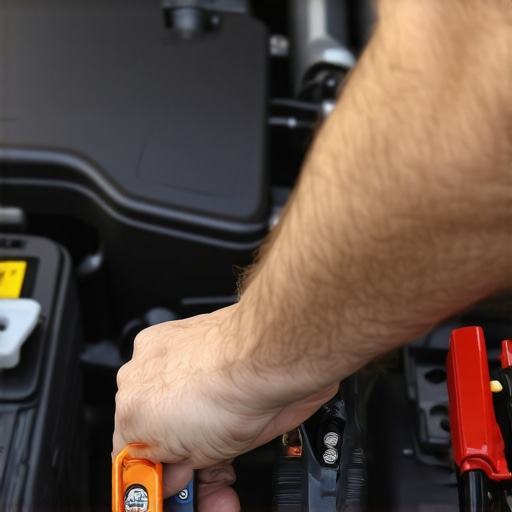
Locate your vehicle’s battery—usually under the hood. Use a socket wrench to loosen the negative terminal clamp (black cable), then remove it carefully. Repeat for the positive terminal (red cable). This disconnection cuts power to the transmission control module, effectively performing a hard reset. Remember, this step is akin to rebooting your computer; it clears minor glitches that may be causing shifting issues. Keep the cables aside and wait for about 15 minutes to ensure all residual power drains completely. This wait time helps clear electronic hiccups that might be misguiding your transmission’s behavior.
Reconnecting the Battery Correctly
Reattach the positive terminal first, tightening the clamp securely. Then, reconnect the negative terminal and tighten it as well. Ensure both clamps are snug to prevent any connectivity issues. Once reconnected, start your engine and observe the dashboard for warning lights. If warning indicators remain, it could point to more significant problems—consider visiting professional services or checking Collision Fixer’s maintenance tips to diagnose further.
Engage the Transmission to Finalize Reset
With the car running in Park, shift smoothly through all gears—Drive, reverse, Neutral, and Park—allowing each to engage fully. This initial movement recalibrates sensors and confirms proper operation. Gently accelerate and decelerate to test shifting performance. If you notice improved responsiveness and smoother transitions, the reset likely resolved minor electronic glitches. For persistent issues, it might be time to review the transmission fluid or explore deeper diagnostic options.
Verify Reset Effectiveness and Next Steps
Take your vehicle for a short drive, focusing on steep hills or conditions where shifting trouble previously occurred. If shifting feels normal and hesitation is gone, the reset was successful. If problems persist, consult Collision Fixer’s detailed guides like this DIY gearbox slip fix or consider professional inspection. Remember, periodic resets can serve as preventative maintenance, especially for newer models susceptible to software glitches—think of it as a health check for your car’s electronic brain.
 Many car owners operate under the misconception that all auto repairs are straightforward fixes, but the reality is far more nuanced. A common myth is that regular tune-ups and service schedules are solely about replacing parts; in truth, they often involve subtle adjustments that significantly extend vehicle lifespan and improve performance. For example, many overlook the importance of sensor calibration during a tune-up, which, if neglected, can lead to persistent issues like engine misfires or sluggish transmission responses.
Another widespread mistake is assuming that all collision repairs require factory parts or dealer service. Some believe that aftermarket parts aren’t reliable, but in experienced hands, high-quality components can match OEM standards, and some body shops even offer advanced repairs that preserve vehicle integrity at a fraction of the cost. Be cautious though—cut-rate repairs or DIY substitution without proper knowledge risk more damage down the line.
A critical trap to avoid involves ignoring the subtle signs of transmission trouble, such as delayed shifts or unusual noises. Many drivers dismiss these as normal or minor, but early diagnosis prevents costly overhauls. Advanced issues may stem from wear in internal sensors or fluid contamination, which can often be fixed with targeted diagnostics—like the tips shared in Collision Fixer’s guides—before escalating into full transmission failure.
Have you ever fallen into this trap? Let me know in the comments.
Diving deeper, understanding the hidden nuances in auto maintenance can save you a lot of money and stress. For instance, the role of electronic control modules (ECMs) in modern vehicles is often misunderstood. While some think they are indestructible, minor glitches—like corrupted software or sensor miscommunications—can cause issues mistaken for mechanical failures. Resetting or updating ECMs sometimes resolves these microscopic problems, and dismissing them can lead you toward unnecessary part replacements.
Furthermore, many overlook the significance of proper preventative measures for complex systems such as the CVT transmission or hybrid batteries. Regular fluid analysis and sensor checks can reveal early signs of deterioration, giving you the chance to address problems before they require expensive repairs. Learning to recognize these subtle indicators, as discussed in advanced repair articles, elevates your car maintenance from reactive to proactive.
Misconceptions about repairs also extend to the effectiveness of quick fixes advertised online. While resetting the transmission or cleaning sensors may seem trivial, these small actions often have a profound impact when performed correctly. However, it’s essential to understand their limitations and know when professional diagnostic services are necessary—especially for persistent issues like engine stalling or brake squeals. For example, some problems attributed to ‘simple fixes’ may actually stem from deeper sensor or software malfunctions, which require comprehensive diagnosis.
In conclusion, the key is to approach auto repair with a nuanced understanding—recognizing that most issues involve a blend of mechanical parts and electronic systems. Staying informed and cautious helps avoid costly mistakes and prolongs your vehicle’s healthy operation.
Want to master your car’s health? Check out collisionfixer’s detailed guides on specific issues like [gearbox slips](https://collisionfixer.com/why-2026-gearbox-slips-fix-it-for-under-100-diy) or [transmission overheat](https://collisionfixer.com/stop-2026-transmission-overheating-with-this-15-cooler-hack), which highlight the subtle nuances often overlooked by the average driver.
Keep Your Car Running Smoothly with the Right Tools
Maintaining your vehicle’s performance over the long term requires more than basic knowledge; it demands possessing the right equipment and understanding how to use it effectively. I personally rely on a few key tools that have saved me both time and money. One of the most indispensable is a high-quality OBD-II scanner, such as a BlueDriver Pro. This device allows me to quickly diagnose sensor errors, transmission glitches, or engine misfires without expensive shop visits. For example, when my 2026 exhibited idle speed problems, I plugged in the scanner, and it pointed me straight to a dirty idle sensor, saving me a costly diagnostic.
Beyond diagnostics, I always keep a set of precise torque wrenches, like those from AcuSure, to tighten bolts correctly during repairs or maintenance. Overly tight or loose fasteners can lead to component failures, so having a reliable torque wrench is worth the investment. Additionally, I use a quality ultrasonic cleaner to keep crucial sensors like MAF clean, which often causes surging issues if neglected. These tools collectively empower me to perform timely tune-ups, address potential problems proactively, and avoid unnecessary trips to the mechanic.
Advancing with Software and Data Logging
In an era where electronic systems govern most of our vehicle functions, software plays a vital role. I recommend tools like Car Scanner ELM OBD2 for mobile diagnostics on the go. It seamlessly connects to your vehicle via Bluetooth and provides real-time data, helping me monitor fuel injectors’ performance or identify sluggish shift patterns early. Keeping track of these parameters over time can significantly extend your car’s lifespan and optimize tuning. As vehicle technology evolves, integrating software diagnostics into your maintenance routine is becoming essential.
Looking ahead, I predict that auto maintenance will increasingly combine hardware tools with advanced data analytics. AI-powered diagnostics and predictive maintenance will become common, allowing us to address issues before they manifest. Staying updated and investing in these technologies now will give you a significant advantage.
How do I maintain my vehicle’s performance over the years?
Integrating regular diagnostics, using quality tools for repairs, and keeping track of data trends are crucial. Plus, subscribing to trusted resources like Collision Fixer ensures you stay informed about the latest repair techniques and tools—like their steep hill gear fix guide, which is perfect for long-term transmission health. Don’t overlook small problems; they compound over time, but with the right tools and knowledge, you can keep your car running reliably well into the future.
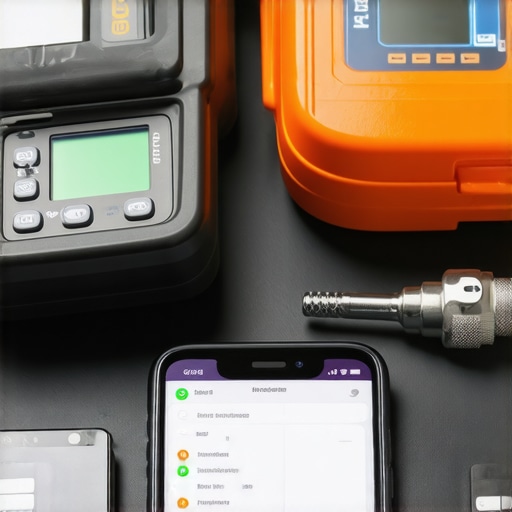
Image description: A technician’s workspace showing an OBD-II scanner, torque wrench, ultrasonic cleaner, and a smartphone app displaying vehicle data, illustrating essential tools for auto maintenance.
Reflecting on the numerous times I faced stubborn shifting and electrical glitches in my 2026 model, I realized that the key to maintaining a sleek, reliable transmission often lies in mastering simple, effective DIY techniques. One invaluable lesson I learned is that many problems attributed to costly repairs are actually just minor electronic glitches that a quick reset can solve. This insight transformed my approach from reactive to proactive, saving both time and money, and empowering me with fundamental skills that keep my vehicle in top shape for years to come.
Lessons That Changed My Approach to Auto Care
- Don’t Jump to Conclusions: I used to assume every issue required a mechanic’s attention, but I discovered many problems are rooted in software quirks that a simple reset can fix, avoiding unnecessary expenses.
- Leverage Basic Tools: Having an OBD-II scanner and a few hand tools turned me into my own trouble-shooter, saving countless trips to the shop and allowing me to diagnose issues early.
- Stay Informed with Trusted Resources: Following detailed guides from Collision Fixer and similar sites gave me confidence and clarity in tackling maintenance tasks, like the crucial transmission reset and sensor cleaning procedures.
Tools and Resources That Keep My Car Running Smoothly
- OBD-II Scanner (BlueDriver Pro): This device is my window into my car’s health, revealing hidden errors and sensor issues that might cause shifting problems down the line.
- Quality Torque Wrench: Properly tightened bolts ensure longevity of repairs and reduce the risk of mechanical issues, especially in transmission components.
- Ultrasonic Sensor Cleaner: Clean sensors boost performance and prevent glitches, making maintenance both quick and effective.
- Collision Fixer Guides: Their comprehensive, step-by-step instructions, like the gearbox slip fix, provided me with the knowledge to tackle common issues confidently.
Seize the Moment and Keep Moving Forward
Taking control of your vehicle’s health through simple, knowledge-based steps like the transmission reset can make all the difference. Whether you’re a seasoned DIYer or just starting, remember that mastering these foundational skills not only prolongs your car’s life but also builds confidence in handling unexpected issues. Don’t let fear or misinformation hold you back—your car can reward your efforts with smooth, dependable performance for miles ahead.
What’s the first maintenance task you’re eager to try on your 2026? Share your plans below and let’s grow together on this journey toward automotive mastery.
![Reset Your 2026 Shifting Logic in 10 Minutes [No Tools]](https://collisionfixer.com/wp-content/uploads/2026/04/Reset-Your-2026-Shifting-Logic-in-10-Minutes-No-Tools-1.jpeg)
![6 Signs Your 2026 Transmission Is Overheating [Save $4k]](https://collisionfixer.com/wp-content/uploads/2026/02/6-Signs-Your-2026-Transmission-Is-Overheating-Save-4k.jpeg)