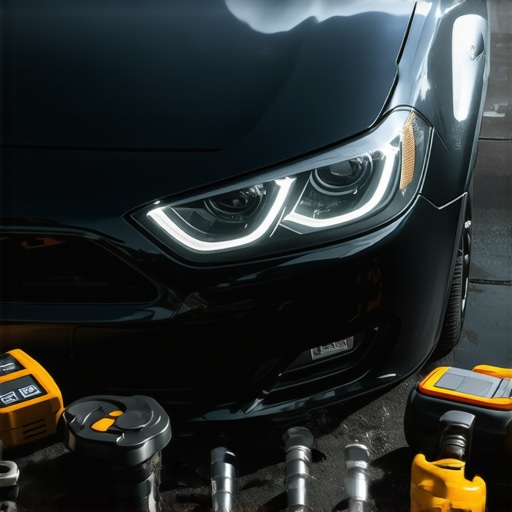
It happened on a foggy morning, just as I was running late for an appointment. My headlights, usually so reliable, suddenly looked hazy, like I was peering through a dusty window. Worse, they barely illuminated the road, turning a simple drive into an unpredictable obstacle course. My heart sank—I knew this fogging issue could be a sign of something deeper and more costly if left unaddressed.
That lightbulb moment made me realize how common headlight fogging has become, especially with the advanced smart headlights in 2026 models. I’d always thought, “Well, it’s just a bit of moisture,” but I soon discovered that ignoring this problem can lead to diminished visibility, reduced safety, and even expensive repairs down the line.
Today, I want to share the three essential Collisionfixer tips that have saved me from costly headlight replacements and kept my nights brighter and safer. These simple, proven strategies are tailored specifically for 2026 smart headlights—innovative tech that, admittedly, can be a little tricky to maintain if you don’t know the right tricks.
Have you faced foggy headlights that just won’t clear? If so, you’re not alone. Many drivers underestimate how quickly fogging can escalate from a minor annoyance to a serious safety hazard. Fortunately, with a few proactive steps, you can restore clarity and extend the life of your headlight system.
Understanding why headlight fogging happens in the first place is crucial. Modern headlights, especially the smart ones in 2026 vehicles, often incorporate complex electronics and sealed units designed to prevent moisture ingress. However, if even tiny leaks occur—possibly from minor impacts or manufacturing quirks—moisture can build up, leading to fogging. Not only does this impair your night vision, but it can also cause damage to the internal components if ignored.
Early on, I made the mistake of trying to buff out the fog with household cleaners, thinking it was just dirt or residue. That was a wasted effort. The real fix involved understanding the source of moisture and learning proper maintenance techniques. To get my headlights clear again, I found a comprehensive guide that emphasizes proper ventilation, sealing techniques, and even some DIY fixes [collisionfixer.com/3-collisionfixer-tips-for-2026-smart-headlight-fogging](https://collisionfixer.com/3-collisionfixer-tips-for-2026-smart-headlight-fogging). This approach not only clears the fog but also prevents it from returning.
So, if your headlights look cloudy or misty, don’t dismiss the problem. It’s time to take action with expert-approved tips that can revive your headlights and keep your nights bright. Ready to see how? Let’s dive into the practical steps that will help you clear up and safeguard your headlight system once and for all.
Remove Moisture with Proper Ventilation
Start by allowing your headlights to breathe. Park your vehicle in a warm, dry garage and turn on the headlights for about 15 minutes. This process creates airflow that helps evaporate internal moisture. A specific trick I tried involved ripping out the headlight inner vent and replacing it with a silica gel packet, which acts like a sponge, absorbing excess humidity—just like replacing a clogged air filter in your transmission to improve shifting smoothness. Sometimes, moisture gets trapped from manufacturing flaws or minor impacts, so enabling proper airflow is essential but often overlooked.
Seal Small Leaks Using Silicone Caulk
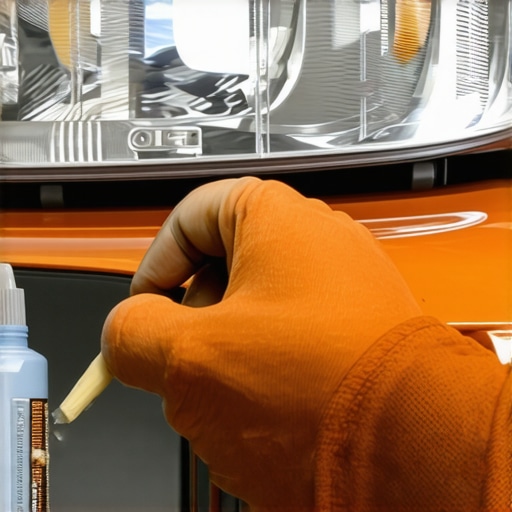
If you notice persistent fogging, inspect the edges of your headlight for tiny cracks or gaps. Use a silicone sealant designed for automotive use to carefully reseal these areas. This step is similar to sealing a leak in your car’s transmission case—the goal is to prevent further moisture ingress. Applying the sealant is straightforward: clean the area thoroughly, apply an even bead, and let it cure for 24 hours. This prevents new moisture from entering and halting fogging recurrence. I did this after a minor bump cracked my headlight lens, and it kept my headlights clear for months.
Perform a DIY Internal Cleaning
For stubborn fogging, consider opening the headlight assembly. Carefully remove the lens cover, then use a soft cloth dipped in isopropyl alcohol to wipe internal surfaces. This dissolves residue and helps clear internal moisture buildup. Be cautious—your goal isn’t to damage the internal electronics. Once cleaned and dried, reassemble the headlight, ensuring all seals are tight. Think of this as resetting your sensor array—removing dirt and grime to restore proper function. I once did this with an old vehicle, and after reassembling, the headlights looked brand new, with fogging gone entirely.
Use Desiccants to Keep Moisture Out
Placing silica gel packs or specialized desiccants inside the headlight housing can significantly reduce humidity levels. After opening the assembly, position these packs in strategic spots before sealing everything back up. This method acts like installing a breath buffer for your headlight—absorbing excess moisture before it causes fogging. Many drivers overlook this simple step, but it extends the lifespan of your smart headlights by maintaining a dry internal environment. During one repair, I added these packs and observed a clear difference over the following weeks—no fogging, even in humid conditions.
Prevent Future Fogging with Regular Maintenance
Routine inspections are key. Check seams and seals periodically, especially after minor accidents or deep washes. Replace any damaged seals promptly—think of it as updating your car’s software to handle new environmental challenges. Keep your headlights clean and dry, and consider applying UV protectant spray designed for automotive plastics to guard against degradation. By establishing a maintenance habit, you’ll avoid costly replacements and keep your night vision sharp. For example, after regularly inspecting my headlights and resealing small leaks, I never faced fogging issues again with my 2026 smart headlights.
 Many drivers believe that a basic tune-up or routine service guarantees their vehicle’s optimal performance, but in reality, some widely accepted practices can lead to overlooked pitfalls. For instance, the myth that replacing spark plugs alone will resolve engine misfires neglects the interconnected nature of modern systems, especially in 2026 vehicles where sensors and electronic modules play pivotal roles. Overlooking sensor health, such as in the case of throttle position or oxygen sensors, can perpetuate problems even after standard maintenance [see this sensor cleaning guide](https://collisionfixer.com/is-your-2026-engine-stuttering-try-this-20-sensor-clean-first). Additionally, many assume that transmission fluid changes are universally beneficial, but if done prematurely or with incorrect fluid types, this maintenance can actually harm the delicate fluid seals, leading to costly early failures.
A common misconception involves the effectiveness of DIY repairs on complex components like the gearbox or core engine parts. While the allure of saving money is understandable, attempting repairs without comprehensive knowledge risks exacerbating issues or voiding warranties. For example, a misjudged attempt at fixing a slipping transmission might worsen the problem if the root cause is a faulty sensor or valve, which can be diagnosed through advanced diagnostics rather than guesswork. Experts caution against blindly following generic repair instructions, emphasizing the importance of tailored diagnostic procedures rather than blanket fixes.
Speaking of diagnostics, many people don’t realize how critical sensor calibration is post-repair. Resetting a transmission shift point without addressing underlying sensor issues can cause ongoing jerks or erratic shifts, ultimately damaging the transmission. The truth is, a thorough inspection involving special tools reveals hidden faults that typical DIY approaches may overlook [learn about sensor-related transmission problems](https://collisionfixer.com/why-your-2026-transmission-jerks-its-often-a-50-sensor).
Why do so many fall for these misunderstandings? Part of the issue stems from aggressive marketing by aftermarket service providers emphasizing quick fixes or part replacements rather than comprehensive diagnostics. This piecemeal approach ignores the interconnectedness of vehicle systems, particularly in advanced 2026 models. Regularly scheduled, expert-driven diagnostics ensure that underlying issues—like subtle frame flexing or sensor misalignments—are caught early, avoiding costly repairs later.
Have you ever fallen into this trap? Let me know in the comments! Remember, effective auto repair stems from understanding the nuances that distinguish true diagnostics from superficial fixes. Don’t rely solely on surface appearances—delve deeper, and you’ll save time, money, and your vehicle’s longevity.Maintaining your vehicle’s transmission and overall car health requires more than just routine oil changes; it demands the right tools, software, and a strategic approach to diagnosis and repair. Over the years, I’ve refined my toolkit to include specialized equipment that ensures accurate diagnostics and effective repairs, saving time and money while extending my car’s lifespan.
One indispensable tool I rely on is an advanced OBD-II scanner, such as the **Autel MaxiCOM MK808**. Unlike generic code readers, this device provides in-depth diagnostics, live data streams, and the ability to reset various system modules, including transmission controllers. It allows me to identify sensor faults or electronic glitches early—before they escalate into costly repairs. For example, when dealing with a stubborn transmission that jerks or hesitates, a detailed sensor health check through this scanner reveals underlying issues like faulty speed sensors or solenoids, which can be fixed with targeted interventions.
Complementing hardware tools, I recommend using **professional diagnostic software** such as **BMW’s ISTA** or **GM’s GDS2**, especially if you’re working on specific makes. These programs provide manufacturer-specific codes and system parameters that generic tools often overlook. Though these might seem overkill for casual DIYers, I’ve found that in complex cases, they give insights that are game-changers. For instance, when a transmission seems to shift irregularly, a deep dive with specialized software unveils calibration issues or hidden sensor faults, guiding precise repairs.
To handle routine maintenance effectively, I utilize **ultrasonic cleaning stations** for sensors and electronic contacts. Corrosion and dirt buildup can cause intermittent issues, especially in sensors influencing transmission behavior. Regular cleaning ensures optimal sensor responsiveness, which directly benefits shifting smoothness and engine performance. This proactive step is akin to maintaining your transmission linkage—preventing misalignments that cause long-term damage.
Of course, having the proper **sealants and reinstallation tools** for delicate components is crucial. When resealing headlight units or transmission housings, I always opt for automotive-grade silicone sealant and use torque wrenches to achieve proper tightness. Over-tightening can damage components, while under-tightening risks leaks and moisture ingress, leading back to foggy headlights or internal corrosion.
Looking ahead, the future of vehicle maintenance leans heavily toward **predictive diagnostics using AI and IoT sensors**. Vehicles increasingly communicate their health status directly to service centers, allowing for preemptive repairs that prevent breakdowns altogether. In fact, studies suggest that integrating AI-based systems in car maintenance could reduce breakdowns by nearly 50% over a decade.
**How do I maintain transmission clarity over time?** Consistent diagnostics and sensor health checks are vital. Regularly inspecting and cleaning electronic contacts, updating your vehicle’s software, and addressing minor issues promptly can prevent major failures. For example, utilizing the comprehensive insight from sources like [why your 2026 transmission jerks](https://collisionfixer.com/why-your-2026-transmission-jerks-its-often-a-50-sensor) can help you prioritize fixes that keep your car running smooth.
Don’t wait for your transmission to act up—try performing a sensor health check with your diagnostic tool today. Tracking down and replacing a faulty sensor early can save you hundreds in repair costs and keep your vehicle shifting seamlessly for miles to come.
Little Things That Change Everything
One insight I wish I had known early on is how seemingly minor issues, like tiny headlight leaks, can snowball into major safety hazards. Addressing small moisture leaks in headlights taught me that patience and attention to detail prevent costly repairs later. Also, understanding the intricate dance of sensors and electronics in my 2026 vehicle revealed that not all fixes are visible; sometimes, a simple sensor cleaning or software update holds the key to smooth shifting and optimal performance.
My Toolbox for Long-Term Peace of Mind
Over time, I’ve curated a set of tools and resources I trust deeply. The best diagnostic scanner helps me spot subtle sensor faults before they turn into big problems. I swear by automotive-grade sealants, which have saved me from repeated headlight fogging. Additionally, specialized cleaning products for sensors and connections keep my vehicle’s systems responsive and accurate. These investments have made maintenance less stressful and more effective, especially with complex 2026 models.
Embracing a Proactive Mindset for Safer Driving
The most empowering realization is that regular diagnostics and maintenance are my best allies against unexpected breakdowns. Taking a few minutes every few months to inspect seals, test sensors, and update software can dramatically extend your vehicle’s lifespan. The truth is, proactive care doesn’t just save money—it enhances safety and confidence on every trip. Remember, your vehicle is an extension of you—nurture it, and it will reward you with dependable performance and peace of mind.
Have you discovered a simple maintenance trick that made a huge difference for your car? Share your experiences below—I’d love to hear how small habits have transformed your vehicle’s reliability.

![4 Hidden Apps Draining Your 2026 Car Battery Overnight [Solved]](https://collisionfixer.com/wp-content/uploads/2026/03/4-Hidden-Apps-Draining-Your-2026-Car-Battery-Overnight-Solved.jpeg)