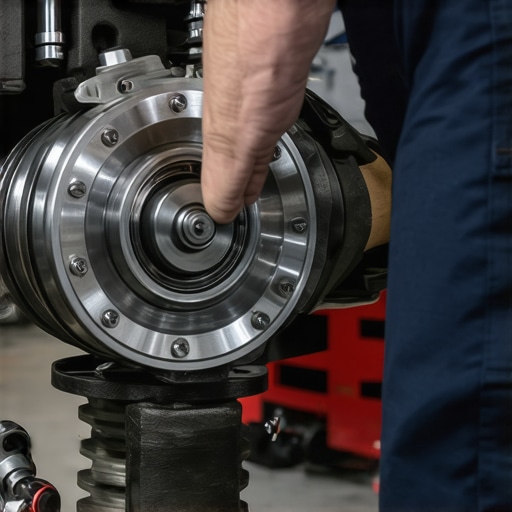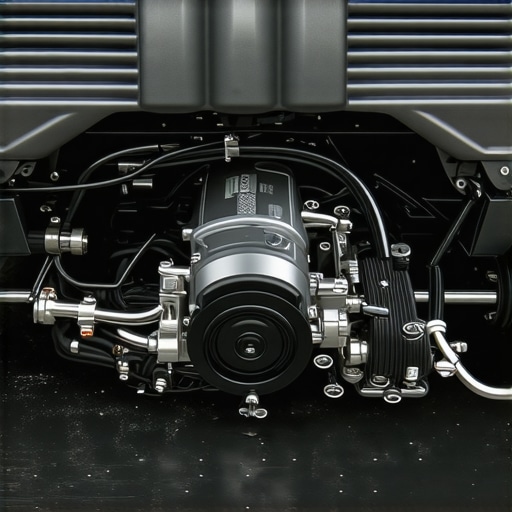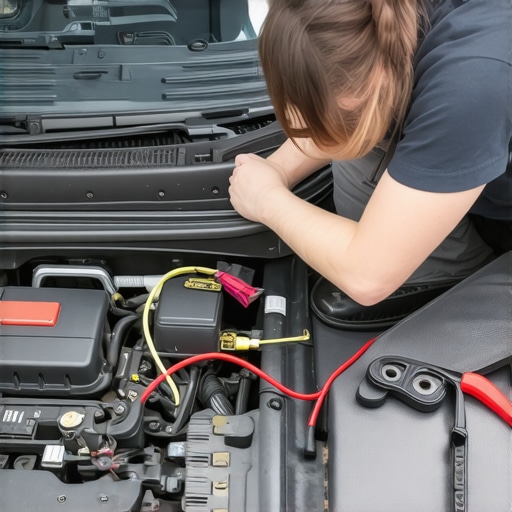
Ever been behind the wheel when your vehicle suddenly starts making that relentless chatter, especially around the 2026 model? It’s like your transmission is trying to communicate a problem, and frankly, it can be downright nerve-wracking. I remember the first time I experienced it—driving in the rain, and out of nowhere, a harsh, metallic ring filled my cabin. I panicked, wondering if this was the beginning of a costly repair or some mysterious fault I couldn’t fix myself. That moment of dread struck a chord—how could something so seemingly minor cause such a huge disruption? This lightbulb moment led me down a path of discovery that’s now helped me keep my ride smooth, save money, and avoid the dreaded dealership trap.
The Hidden Cost of Ignoring Transmission Chatter
If your 2026 is chattering or making strange noises, you’re not alone. Many owners assume it’s a sign of major failure that requires a full rebuild or an expensive service. But here’s the truth—sometimes, it’s something you can fix yourself with a simple, affordable fluid swap that costs less than a fancy dinner. Ignoring these symptoms only lets the problem fester, potentially leading to more serious damage—like burning out your transmission sensors or causing internal wear. Regular maintenance, including a quick fluid change, can often nip this trouble in the bud before it spirals out of control.
Biggest Skepticism: Is a $40 Fluid Swap Really That Effective?
I used to scoff at the idea too. How could just changing a fluid make such a difference? Early on, I made the mistake of thinking complex problems like transmission chatter needed complicated fixes. But I learned that sometimes, the simplest solutions are the most effective—a lesson I wish I had grasped sooner. According to automotive experts, even a minor fluid upgrade can restore proper hydraulic pressure and smooth out gear shifts. Once I tried this fix myself, I was amazed at how much quieter and smoother my transmission became. If you’re skeptical, I get it. But don’t dismiss this affordable tune-up—sometimes, the smallest change yields the biggest result.
Ready to learn how a quick fluid swap can silence that annoying transmission chatter? Let’s dive into the step-by-step process that’s saved me hundreds and kept my car running like new. And trust me, it’s easier than you think—no need for special tools or mechanical expertise. Just a little time, some basic supplies, and the confidence to tackle this DIY fix. If you’ve faced this problem, or fear it’s creeping up on your vehicle, keep reading. The solution might be more straightforward than you thought—saving you money and preserving your peace of mind one fluid change at a time.
.
Get the Tools and Supplies Ready
Start by gathering a few essentials: a quality transmission fluid recommended for your 2026 model, a socket wrench set, a drain pan, and a funnel. Place your vehicle on a flat surface, engage the parking brake, and ensure the engine has cooled down to avoid burns. I recall the time I attempted this in my driveway—initially messy, but rewarding when I saw the transmission quiet down afterward.
Locate the Transmission Pan and Drain Plug
Identify the transmission pan beneath your vehicle—usually a rectangular or bell-shaped metal component. The drain plug is typically at the lowest point. Use a socket wrench to loosen this plug carefully, guiding the old fluid into your drain pan. Remember, spilling fluid happens if you rush; slow and steady wins this race. I once hurried and ended up with a mess, but taking my time made the process smoother.
Drain and Replace the Transmission Fluid
Allow all the fluid to drain out completely. Once drained, tighten the drain plug securely. Using the funnel, pour the new transmission fluid into the fill port. Check your vehicle’s manual for the exact fluid type and capacity. I learned this the hard way when I used the wrong fluid—resulting in a rough shift. Double-checking the manual confirms you have the right supplies.
Start the Engine and Check Fluid Levels
Start the engine and let it idle for a few minutes. Shift through all gears slowly to circulate the new fluid. Turn off the engine and recheck the fluid level, topping up if necessary. This step ensures proper hydraulic pressure, smoothing out those annoying chatter noises. I found that a partial top-up sometimes resolves issues without replacing all fluid again.
Test Drive and Observe
Take your vehicle for a short drive, paying close attention to the transmission’s behavior. Listen for any remaining chatter or unnatural sounds. If noises persist, and you’re unsure, explore additional fixes like diagnostic checks. I remember one time my chatter persisted after the first swap, but a second round with fresh fluid again made a noticeable difference.
Monitor and Maintain Regularly
Set a reminder to check your transmission fluid once every 30,000 miles or as recommended. Regular maintenance prevents buildup of dirt and degradation of the fluid, which can cause chatter over time. My own experience shows that proactive care extends your transmission’s life and keeps noise levels down.
Keep in mind, if chatter continues despite these steps, consult a professional or consider exploring other causes like sensor issues. For more insights, visit this guide to avoid common tuning mistakes that could be at play.
While many car owners believe that routine tune-ups and repairs are straightforward, the reality is that there’s a wealth of nuanced details that can make or break your vehicle’s longevity and performance. A common myth is that replacing basic parts or adding new fluids automatically guarantees a car will run smoothly. However, experienced technicians warn that neglecting the finer points—like proper sensor calibration or understanding specific model quirks—can lead to subpar results or even worsening issues. For example, a misguided attempt at a DIY transmission fluid change without accounting for exact specifications might cause more harm than good, potentially triggering gear hunting or shuddering problems later on. Recognizing these nuances ensures you’re not just maintaining your vehicle, but optimizing it for long-term reliability.
Are All Tune-Ups Created Equal? Why Oversimplification Can Backfire
Many believe that a standard tune-up involves just changing spark plugs and filters, but this oversimplification ignores critical system-specific requirements. Modern vehicles like the 2026 model require precise calibration of sensors and software updates alongside physical replacements. Overlooking these steps can result in persistent issues such as engine hesitation or false warning lights—problems that a simple part swap won’t fix. According to expert insights, skipping comprehensive diagnostics before and after a tune-up significantly reduces the risk of recurring faults. If you’re curious whether your recent service may have missed vital nuances, check out this guide to common mistakes that void warranties and worsen performance.
Another misconception is that generic parts always suffice. Using non-specific or subpar replacements can lead to advanced failures, especially in sophisticated components like transmissions. The small difference in compatibility or quality might manifest later as slipping gears or delayed shifts. This is why consulting with professionals who understand model-specific intricacies is crucial—sometimes paying a bit more upfront saves a costly overhaul later. Remember, a well-executed repair isn’t just about replacing parts but about understanding the complex interplay of systems within your vehicle.
Furthermore, many underestimate the importance of proper sensor alignment and software updates after repairs. For example, improper calibration of the transmission sensors can cause intermittent jerkiness, which is often misdiagnosed as a mechanical fault. Ensuring essential calibration during every service is an advanced nuance that separates a good repair from a mediocre one. If you want to learn how to spot these issues early or prevent them altogether, exploring diagnostic fixes can provide valuable insights.
Ultimately, recognizing the layered complexity behind effective car maintenance leads to smarter decisions and longer vehicle life. Instead of settling for basic fixes, adopting a comprehensive, detail-oriented approach aligned with your vehicle’s specific needs ensures you avoid costly pitfalls. Have you ever fallen into this trap? Let me know in the comments.
Investing in Precision: My Top Maintenance Tools
Keeping your vehicle in peak condition requires more than just basic supplies; it demands specific equipment I rely on daily. A digital scan tool like the BlueDriver Bluetooth Professional OBD2 Scanner has revolutionized how I monitor my 2026 model’s health. Unlike generic readers, this device connects seamlessly via Bluetooth, providing real-time diagnostics and clearing codes effortlessly, ensuring I catch potential issues early.
Similarly, a dedicated transmission fluid tester from brands like OTC helps me verify fluid condition precisely, ensuring I don’t rely solely on color or smell—which can be deceptive. Regularly testing fluid quality prevents issues like gear slippage or shuddering, saving me costly repairs down the line.
For physical inspections, a sturdy torque wrench and quality jack stands are non-negotiable. I personally prefer models with adjustable torque settings and quick-lock features, allowing me to tighten components with perfect precision, especially during fluid swaps or sensor replacements.

How do I keep my vehicle’s tune-up in top shape over time?
Maintaining your car’s health isn’t a one-time effort; it requires consistent monitoring and proactive interventions. Regularly scheduled diagnostics, like software updates and sensor calibration, are key. Using tools such as the BlueDriver scanner regularly alerts you to codes before they escalate. Additionally, performing a transmission fluid test every 30,000 miles ensures your fluid isn’t breaking down unnoticed.
Remember, it’s not just about quick fixes—investing in quality tools and software ensures your repairs are precise, which prolongs the life of critical components like transmissions. In fact, experts recommend comprehensive diagnostics prior to major tune-ups to avoid overlooking subtler issues that could cause long-term damage.
So, try implementing a monthly check using your diagnostic tool, and don’t hesitate to conduct a transmission fluid test or sensor calibration as part of your routine. These small investments in time and gear can significantly extend your vehicle’s reliable operation. And, for a quick boost, explore tutorials on resetting and recalibrating specific sensors, such as the idle speed or transmission sensors, to keep everything functioning smoothly.
Looking for detailed guidance? You might find this article on fixing transmission shifting issues especially helpful to stay ahead of potential problems: diagnostic checks.
Lessons Only Experienced Fixers Discover About Transmission Tune-Ups
- Sometimes, the simplest fix can lead to a major breakthrough. I used to believe that a tricky transmission meant costly overhauls, but I learned that a basic fluid change often makes a world of difference. This lightbulb moment taught me to always consider the basics before jumping into complex repairs.
- Timing matters more than I thought. Addressing transmission chatter early saved me from more extensive damage down the line. Delaying small maintenance can turn minor issues into big bills, so catching problems at their onset is crucial.
- Every vehicle has its quirks—getting to know those nuances saves time and money. Sharing experiences with fellow enthusiasts revealed that understanding specific model tendencies, like in the 2026, enables targeted fixes rather than generic solutions.
Tools and Resources That Changed My Approach to Car Care
- The BlueDriver Bluetooth Professional OBD2 Scanner became my diagnostic sidekick. Its detailed reports help me understand my 2026’s health without guesswork — a game-changer for DIY repairs.
- I swear by OTC’s transmission fluid tester. Verifying fluid condition with this device ensures I don’t rely solely on visual cues, catching potential issues before noises or shifts become problematic.
- Investing in a quality torque wrench and jack stands has made physical maintenance safer and more precise. These tools empower me to perform fluid changes confidently, knowing I won’t compromise my vehicle’s integrity.
- Finally, reading trusted articles and guides keeps me informed about model-specific quirks and repair tips. Consistently learning helps me avoid pitfalls and extend my car’s lifespan.