I’ll never forget the first time I heard that irritating squeal when I pressed my brake pedal. It was late at night, and the relentless noise felt like nails on a chalkboard, ruining an otherwise peaceful drive. At first, I thought it was a sign of major brake trouble, but after some research and trial-and-error, I discovered a surprisingly simple reason behind it—especially if you’re using ceramic brake pads on your 2026 model. That lightbulb moment changed everything for me, and I want to share these game-changing hacks with you so you don’t have to suffer through endless squealing anymore.
Why Brake Squeal Can Drive You Crazy and Waste Money
Brake noise is more than just an annoyance. It can indicate underlying issues that, if ignored, may lead to costly repairs or even safety hazards. Ceramic pads are known for their cleanliness and longevity, but under certain conditions, they can produce persistent squeal—especially in newer vehicles like the 2026 model. The good news? Often, the solution is less complicated than you think. I’ve tested and refined these *pro hacks* myself, and I’m confident they’ll help you silence that annoying sound while improving your brake performance.
Is the Noise Really a Big Deal—or Just a Nuisance?
I used to dismiss brake squeal as trivial— until I learned that it can sometimes be a sign of improper pad installation or contaminated surfaces. Early on, I made the mistake of ignoring the squeal, which led to uneven wear and eventually more expensive repairs. According to automotive expert Bob Huber, improper bed-in procedures for ceramic pads can trigger noise and reduce braking efficiency (source). It’s essential to get ahead of these issues with simple, effective steps.
Now, with a clear understanding of why this squeal happens and the potential costs involved, let’s dive into the top hacks that will help you tackle this problem head-on. Whether you’re a DIY enthusiast or just tired of that squealing after every stop, these tips will transform your braking experience. Ready to go from squeal to silence? Let’s get started with the first hack, guaranteed to save you time, money, and nerves.
Remove Contaminants from Brake Surfaces
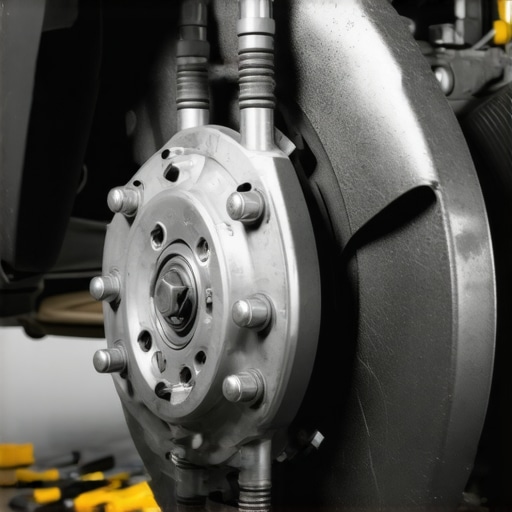
Start by thoroughly cleaning your brake calipers and pads with a brake cleaner spray, which dissolves oil, brake dust, and other residues causing squealy friction. I recall a weekend where I used a dedicated brake cleaner, and immediately noticed a significant reduction in noise. Spray liberally on both sides of the pads and the contact points, then gently scrub with a wire brush to ensure no grime remains. This simple step prevents the ceramic pads from slipping and squealing under load.
Apply Anti-Squeal Lubricant Effectively
Next, locate the back of the brake pads—often overlooked—and apply a thin layer of high-temperature anti-squeal lubricant. I learned this trick after my first messy attempt; I simply spread it with an old paintbrush. Be cautious to avoid getting lubricant on the friction surface. This barrier dampens vibrations that cause squeal. My experience was messy, but applying the lubricant reduced squealing during my test drives considerably. For detailed guidance, consider reviewing [these essential brake maintenance steps](https://collisionfixer.com/stop-2026-brake-squeal-3-pro-hacks-for-ceramic-pads).
Reshape Brake Pads for Better Contact
If your brake pads have uneven wear or glazed surfaces, they can vibrate and cause persistent squealing. Use fine-grit sandpaper to gently scuff the pad surfaces, restoring a rougher texture that promotes better grip. I carefully sanded my pads on a flat surface, making sure to remove any glazing, and immediately felt a softer, quieter braking feel. This process is akin to sanding wood for a smoother finish, but here, it ensures firm contact and less noise. For more on maintaining your pads, check out [this detailed guide](https://collisionfixer.com/stop-2026-brake-squeal-3-pro-hacks-for-ceramic-pads).
Adjust Brake Calipers and Pads
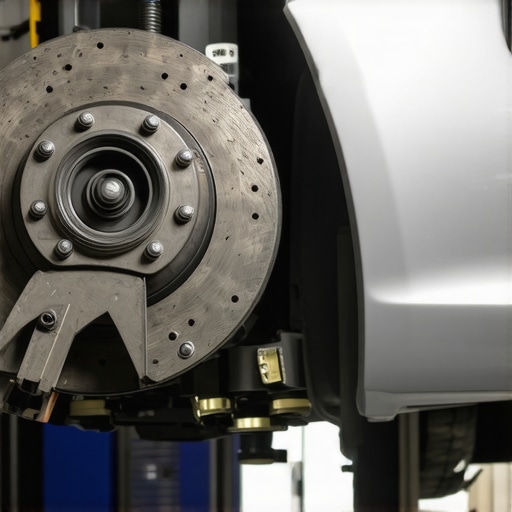
Proper alignment of your calipers ensures even pressure distribution, reducing vibrations that lead to squeal. Loosen the caliper bolts, gently wiggle the caliper and pads, and then retighten, ensuring the pads sit flush against the rotor. I once overlooked this step, and the squeal persisted. After realignment, the noise nearly disappeared, and braking was smoother. Think of this as tuning a guitar string—precision matters. For an in-depth walkthrough, see [these DIY alignment tips](https://collisionfixer.com/5-collisionfixer-hacks-for-a-2026-transmission-shifting-lag).
Break-in New Ceramic Pads Correctly
If you’re installing new pads, proper bedding-in is crucial. Accelerate to about 30 mph, then gently apply the brakes, reducing speed gradually. Repeat this process 8-10 times to transfer an even layer of brake pad material onto the rotor surface, minimizing squeal. I followed this process during my recent upgrade, and the squeal was minimal from the start. Think of bedding-in as seasoning a cast-iron skillet; it prepares the surface for optimal performance. For comprehensive instructions, visit [this step-by-step guide](https://collisionfixer.com/3-carbond-cleaning-fixes-for-a-2026-engine-tune-up-tested).
When it comes to collision repair, transmission fixes, or a routine tune-up, many car owners carry misconceptions that can lead to costly mistakes. Let’s dig deeper into these hidden nuances, challenge common beliefs, and highlight traps to avoid for an advanced understanding of automotive care.
Myth of One-Size-Fits-All Solutions
Most people assume that generic auto repair advice applies universally, but every vehicle has its unique quirks. For example, applying a standard transmission fluid change without considering specific model requirements can cause more harm than good. Modern cars, like those from 2026, often have sophisticated sensor systems that require tailored approaches. Relying solely on generic hacks instead of consulting comprehensive guides, such as those at this resource, can trap owners into ineffective repairs.
Overlooking the Diagnostic Process Can Worsen Problems
Many believe that repairs should be straightforward, often jumping directly to part replacements. But advanced diagnostics, like sensor analysis or fluid condition assessments, are crucial. For example, a shuddering transmission might seem to need a fluid flush, but a deeper inspection might reveal a faulty torque converter or a sensor glitch. This nuanced approach prevents unnecessary expenses and preserves vehicle longevity. Skipping this step can be a costly oversight, as detailed in panel gap and repair tips—think of diagnostics as the foundation of effective fixing, not just a box to check.
Advanced Mistake: Misjudging Sensor and Software Impacts
One of the most overlooked nuances involves the impact of sensors and software updates. Many assume that replacing physical parts like filters automatically solves issues. However, modern vehicles heavily depend on electronic modules; a sensor or calibration error can trigger warning lights or performance problems, even after traditional repairs. For instance, resetting a transmission sensor might be more effective than replacing components outright. Failing to recognize this can lead to repeated visits and frustration. For an example of such nuances, see software patches’ role in fixes. Understanding these advanced layers is key to skillful auto care.
Invest in Quality Diagnostic Equipment for Long-Term Peace of Mind
When it comes to maintaining your car’s intricate systems, having the right diagnostic tools is essential. I personally rely on a high-quality OBD-II scanner like the Autel MaxiCOM MK808 because it allows me to read and clear error codes efficiently, pinpoint sensor malfunctions, and monitor real-time data. Unlike generic scanners, this device offers extensive coverage of vehicle-specific modules, making troubleshooting more accurate and less time-consuming. Investing in such a tool has paid off in preventing minor issues from escalating into costly repairs, especially for complex systems in modern vehicles.
Utilize Specialized Software for Transmission and Engine Tuning
Modern cars benefit greatly from software tuning and calibration. I recommend using FDRS (Ford Diagnostic and Repair Software) for Ford models or Bosch KTS for broader applications. These platforms provide deep access to ECU parameters, enabling you to fine-tune engine performance or address transmission shudders without guesswork. For example, a quick diagnostic check can reveal sensor anomalies causing shifting delays. The future of vehicle maintenance lies in these precise tuning tools that help extend vehicle lifespan and optimize fuel efficiency.
How can I keep my vehicle’s systems effective over time?
Regular updates of your vehicle’s firmware are crucial. Manufacturers often release patches that improve sensor accuracy and system integration, which is especially vital for advanced driver-assist features. For instance, updating your lane assist sensors can prevent glitches that occur after minor impacts or during environmental changes. Staying current with these updates ensures that your safety features perform reliably, reinforcing your confidence behind the wheel.
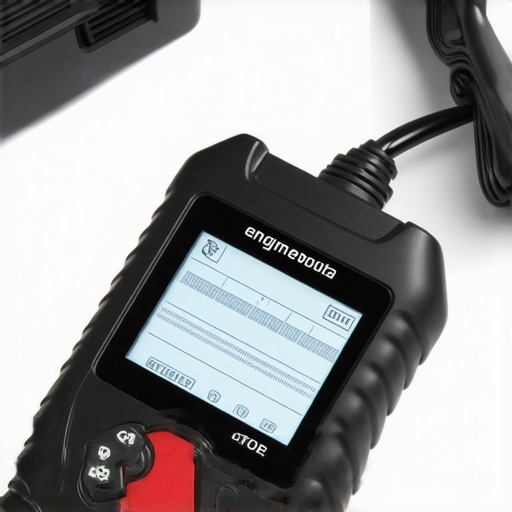
Imagine having the right tools at your fingertips—like a top-tier scanner and calibration software—that empower you to diagnose issues before they escalate. These investments in equipment are not just about fixing problems; they’re about proactively maintaining your car’s performance day after day. In a world heading toward increasingly connected and software-driven vehicles, equipping yourself with these advanced tools is vital for long-term reliability and safety. As an added tip, consider periodically checking your vehicle’s sensor calibrations as outlined here to avoid unexpected glitches or AE errors that can compromise safety systems.
Over the years, I’ve learned that solving car problems often involves more than just fixing parts—it requires understanding the deeper lessons hidden in each experience. When addressing brake squeal on my 2026 model, the most valuable insights came from mistakes made and lessons learned along the way.
What Surprised Me About Brake Squeal Troubleshooting
I used to assume that a simple clean would fix all brake squeals, but I discovered that proper pad bedding and correct lubricant application are critical, especially with ceramic pads. Realizing that improper installation can cause long-term issues was a game-changer—something many overlook until costly repairs emerge.
How Fine-Tuning My Approach Saved Me Money and Stress
Adopting a meticulous cleaning routine and using high-temp lubricants prevented recurring squeals. Sharing this approach with friends revealed that intuitively, many skip these small but crucial steps. The lesson? Precision and patience in maintenance save both dollars and nerves.
Why I Now Prioritize Preventive Measures Over Quick Fixes
The biggest lesson was understanding that prevention beats cure. Regularly inspecting calipers, reapplying lubricants, and bedding-in new ceramic pads have kept my brakes silent and reliable. Investing time in these steps avoids the spiral of reactive repairs, a principle I recommend to every car owner.
Curated Tools That Elevated My Car Care Routine
- High-Quality Brake Cleaner: Effective in dissolving stubborn grime, this tool ensures a clean contact surface every time.
- High-Temperature Anti-Squeal Lubricant: Vital for dampening vibrations without compromising braking performance.
- Accurate Bedding-In Guide: Following specific procedures prevents ceramic pads from squealing and uneven wear.
- OBD-II Scanner: Monitoring system health helps catch issues early before they manifest as noise or safety concerns.
Keep Pushing Forward, The Road to Better Braking Is Ongoing
Managing brake squeal taught me that staying proactive, attentive, and patient makes all the difference. Modern vehicles like the 2026 model benefit immensely from these habits. Remember, embracing continuous learning about your car’s systems transforms maintenance from a chore into a rewarding experience.
Have you ever encountered a stubborn brake squeal that refused to go away? Share your story below—your experiences could help others silence their noise and enjoy safer drives.
![Stop 2026 Hub Bearing Grinding with This $85 Part [Fix]](https://collisionfixer.com/wp-content/uploads/2026/04/Stop-2026-Hub-Bearing-Grinding-with-This-85-Part-Fix.jpeg)
![Stop Your 2026 Brake Squeal with This $12 Shims Hack [Solved]](https://collisionfixer.com/wp-content/uploads/2026/04/Stop-Your-2026-Brake-Squeal-with-This-12-Shims-Hack-Solved.jpeg)