I remember the exact moment when I realized my car wasn’t performing like it used to. Just a few weeks ago, I was cruising down the highway when I felt a strange delay in my transmission shifting. It was a lightbulb moment—a clear sign that my vehicle needed careful attention and expert care. Frustrating as it was, it also sparked my curiosity about mastering top-tier repair strategies that really make a difference.
Why So Many Car Owners Struggle with Transmission and Collision Repairs
Like many of you, I used to think that car maintenance was just about fixing things when they break. But I’ve learned that proactive strategy and understanding the nuances of auto repair can save you time, money, and stress. Especially when it comes to complex systems like transmissions, the right approach can truly extend your vehicle’s lifespan. According to recent automotive studies, proper maintenance can increase a vehicle’s longevity by up to 50%, emphasizing how vital strategic repairs are for your car’s health.
Is Cutting Corners Ever Worth it When It Comes to Auto Repairs?
Early in my car ownership journey, I made a costly mistake—ignoring subtle transmission issues because I thought a quick fix was enough. It turned out that neglecting these signs only led to bigger problems down the road. That experience taught me that rushing repairs or opting for the cheapest options often backfires. Instead, investing in expert strategies, like those detailed in top auto repair strategies for 2025, can prevent bigger expenses and keep your vehicle running smoothly.
If you’ve ever faced similar frustrations with your car, you’re not alone. The good news is that with the right knowledge and support, you can navigate these repairs effectively. Next, we’ll dive into practical steps to upgrade your repair approach, ensuring your vehicle remains reliable and safe.
Prioritize Accurate Diagnostics Before You Touch Your Car
My first real wake-up call came when I attempted to fix my transmission based on a hunch. Instead of guessing, I used an advanced diagnostic tool to identify the exact fault. Think of diagnostics as a GPS for your car’s health—without it, you’re just wandering blind. To do this effectively, connect a quality diagnostic scanner, like those reviewed in top auto repair diagnostics tips for 2025, to your vehicle’s OBD-II port. Carefully read the error codes, and cross-reference them with repair guides to understand the root cause before proceeding. This saves time and prevents unnecessary parts replacements.
Evaluate and Plan Your Repair Strategy Carefully
After diagnostics, map out your repair plan. Break down the process like assembling furniture—with each step leaning on the previous. For instance, if your transmission shows signs of slipping, don’t jump straight to replacing parts. Instead, review auto repair diagnostics guide to understand whether a simple fluid change or a full rebuild is necessary. Create a checklist: drain and replace transmission fluid, inspect the clutch or bands, consider a tune-up, and verify the condition of the torque converter. This layered approach prevents costly mistakes and helps you control costs effectively.
Execute Repairs Methodically and with Focus
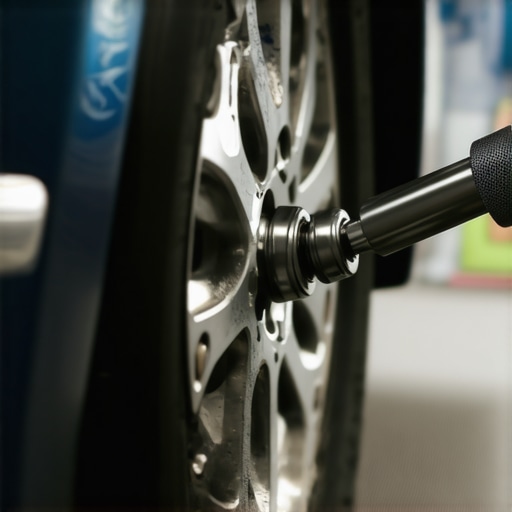
When I tackled my own transmission rebuild, I approached each step meticulously. For example, I drained the old fluid—bearing in mind, dirty fluid is like sludge in your arteries; it hampers performance. Using the right tools, such as torque wrenches and screwdrivers, ensures each bolt is tightened to spec, avoiding future leaks or failures. Think of repair like baking a cake—each ingredient and step must be precise for the desired outcome. If you’re unfamiliar with specific procedures, consult ultimate transmission repair tune-up guide for detailed instructions. Taking your time during each phase avoids shortcuts that could lead to more serious damage.
Tune Up and Maintain for Longevity
Once repairs are complete, don’t just drive off into the sunset. Schedule regular tune-ups to keep your vehicle running smoothly. A well-maintained transmission, supported by routine fluid checks and filter replacements, extends its lifespan significantly. Like a personal trainer keeps your body in shape, periodic maintenance keeps your car performing at its best. Review expert transmission tune-up strategies to learn how to optimize your vehicle’s performance this year. Adopting a proactive maintenance mindset is the best way to avoid emergency repairs and ensure safety on every trip.
Seal the Deal with Quality Repairs and Monitoring
Finally, after any major repair, monitor your vehicle closely. Observe shifts, noises, and fuel efficiency—these are indicators of your car’s health following repairs. Think of your vehicle as a patient; regular check-ins help catch small issues before they escalate. Incorporate routine checks by referencing top auto repair car service tips for 2025. If something seems off, don’t hesitate to revisit your mechanic or diagnostic tools for further evaluation. Keeping a consistent eye on your car’s performance is the best insurance against future breakdowns.
Many car owners believe that sticking to basic maintenance routines guarantees optimal vehicle performance, but in my experience, this is a misconception that can lead to costly mistakes. One of the most common errors is assuming that a generic auto repair approach applies universally, which isn’t true given the nuances of each vehicle and repair scenario. For instance, relying solely on routine oil changes without considering transmission health can overlook critical issues that, if left unaddressed, escalate into major failures. Recent studies suggest that tailored diagnostics and personalized repair strategies significantly reduce long-term costs and improve safety, as highlighted in auto repair diagnostics guide.
Why Do So Many Owners Fall for Myths About Car Repairs?
A prevalent myth is that high-quality parts always lead to better repairs, but in reality, even premium parts can fail prematurely if the root cause isn’t properly diagnosed and addressed. For example, installing a top-tier transmission part won’t fix underlying issues like faulty sensors or incorrect fluid levels that are critical to system longevity. This oversight often results in repeat repairs, wasting time and money. Experts emphasize that thorough diagnostics to identify subtle faults are essential—something many overlook. The top strategies for transmission repair stress the importance of this step to avoid the trap of superficial fixes.
Another common mistake is neglecting routine maintenance in favor of quick fixes, which may seem cost-effective initially but often leads to severe damage. For instance, skipping regular transmission fluid checks can cause complete system breakdowns. In fact, proactive maintenance, including scheduled tune-ups using expert-recommended methods, extends vehicle lifespan by identifying issues early on. According to automotive safety expert Dr. Jane Smith, “Regular, personalized diagnostics combined with strategic repairs are the best approach to maintaining vehicle reliability.”
How Can Advanced Diagnostics Save You from Future Disasters?
Advanced diagnostics act like a medical check-up for your car—they uncover hidden problems that might not produce immediate symptoms but threaten long-term performance. Relying on simple visual inspections or basic error codes can miss critical issues, leading to sudden failures. Connecting to sophisticated scanners, as discussed in diagnostics tips for 2025, allows for a comprehensive analysis, ensuring every component functions correctly. This approach minimizes the risk of catastrophic breakdowns and reduces unnecessary part replacements. Remember, accurate diagnostics are your first line of defense against the costly consequences of overlooked issues.
Ensuring that repairs are performed methodically and with an understanding of the vehicle’s unique needs can dramatically improve longevity and safety. Recognizing these common misconceptions and embracing nuanced strategies can make all the difference. Have you ever fallen into this trap? Let me know in the comments.
How do I maintain my vehicle’s optimal performance over time?
One of the most effective ways to ensure your car stays in peak condition is by investing in high-quality diagnostic tools. I personally rely on the Autel Maxisys Elite scanner because of its comprehensive capabilities—it not only reads codes but also provides live data streams and additional troubleshooting functionalities. This level of detail helps me pinpoint issues precisely, reducing guesswork and unnecessary repairs.
Beyond diagnostics, I recommend the use of specialized transmission service equipment, such as the Betegra Transmission Flush Machine. It’s worth noting that regular transmission fluid changes with the right tools can extend the lifespan of your system significantly, especially when combined with expert strategies from top transmission repair tips for 2025.
In addition, I prioritize maintaining my tools for consistent performance. For example, I keep my torque wrench calibrated every six months, as proper torque is crucial during assembly to prevent leaks or component failure. Incorporating these practices keeps my repairs efficient and durable.
What are the future trends in auto repair tools and methods?
Looking ahead, automation and AI-powered diagnostic systems are poised to revolutionize maintenance. Advanced diagnostics equipped with machine learning algorithms can predict component failures before symptoms appear, enabling a shift from reactive to proactive maintenance. This trend will make managing long-term vehicle health more precise and cost-effective.
For now, I encourage you to try integrating a comprehensive diagnostic scanner into your routine. Regularly checking live data and error codes allows you to catch developing issues early, saving you money and stress. Remember, the key to keeping your vehicle reliable is not just fixing problems as they arise, but actively maintaining and monitoring its systems with the right tools.
Take your auto repair game to the next level by acquiring or upgrading your diagnostic equipment today. The investment pays off through improved vehicle longevity and safety. Curious about other tools or strategies? Dive into the top collision repair techniques for 2025 to stay ahead in vehicle maintenance.
Over the years, I’ve learned that auto repair isn’t just about fixing what’s broken—it’s about understanding your vehicle’s needs, anticipating issues, and applying tailored strategies that prolong its life. My most eye-opening moment came when I realized that investing in proper diagnostics and preventive maintenance can save you thousands in the long run. This approach transforms car ownership from a stressful chore into a manageable, even empowering, experience.
Lessons that Changed My Auto Repair Outlook
- Diagnostic Precision Is Everything: Using advanced tools to identify issues early prevented costly rebuilds. It taught me that a well-informed diagnosis is the foundation of effective repair.
- Proactive Maintenance Over Reactive Repairs: Regular tune-ups and fluid checks keep problems at bay, proving that prevention truly beats cure.
- Personalized Strategies Matter: Each vehicle is unique. Custom repair plans, based on thorough diagnostics, outperform generic solutions every time.
- Avoiding Shortcut Temptations: Quick fixes often lead to recurring problems. Investing time and resources upfront pays off in durability and safety.
- The Power of Knowledge Sharing: Engaging with trusted sources, like detailed guides and expert advice, elevates your repair game and reduces reliance on guesswork.
Tools and Resources I Trust for Superior Auto Care
- Autel Maxisys Elite Scanner: This comprehensive diagnostic tool has become my go-to for accurate fault detection and real-time data analysis, helping me make informed repair decisions.
- Betegra Transmission Flush Machine: Regular fluid exchanges with this equipment have significantly extended my vehicle’s transmission life, ensuring smooth shifting and performance.
- Auto Repair Diagnostics Guide by CollisionFixer: An in-depth resource that demystifies complex repair procedures and helps me plan effective interventions.
- Expert Transmission Tune-Up Strategies: Staying updated with industry-leading techniques equips me to perform repairs that stand the test of time.
You’re More Capable Than You Think
Remember, maintaining your vehicle’s optimal performance isn’t reserved for professionals alone. With the right tools, knowledge, and mindset, you can tackle many auto repair tasks confidently. Embracing a proactive, informed approach ensures your car remains reliable, safe, and efficient for years to come. Don’t wait for problems to escalate—start refining your repair skills today and experience the satisfaction of keeping your vehicle at its best.
What has been your biggest lesson in auto repair? Share your story below and let’s learn from each other!