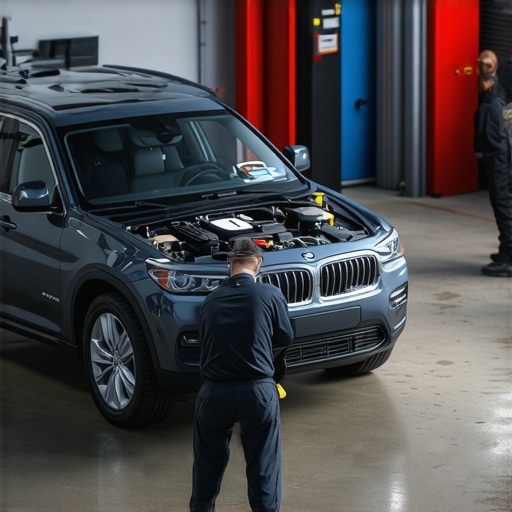
Ever had that sinking feeling after leaving the mechanic, realizing you just forked over way more than you expected? I’ve been there—watching the bill climb, thinking, Is this really necessary? That moment of frustration struck me early in my car-care journey. I was constantly overpaying, feeling like I was throwing money into a black hole, especially with the complexities around upcoming 2026 vehicle requirements.
One day, I hit a breaking point. I decided enough was enough. I dug into what trusted experts recommend, and what I found was eye-opening. Turns out, many car owners, myself included, fall into traps that inflate repair and service costs. But here’s the thing—by adopting just a few smart tactics, I was able to slash my expenses and keep my car in top shape without draining my wallet.
If you’ve ever left a service appointment and felt that familiar pinch—like you could have done it cheaper or better—then this post is for you. We’re going to explore four proven strategies that help you avoid overpaying during your 2026 car maintenance. These tactics aren’t about cutting corners but about becoming a more informed, confident car owner.
**Are You Losing Money on Car Services?**
Many drivers make costly mistakes early on, like trusting overpriced repairs or skipping crucial diagnostics. I remember one instance where I ignored a simple transmission check; that mistake led to major issues later, costing me far more than preventative care would have. According to industry stats, failing to follow proper maintenance can reduce a vehicle’s lifespan and increase repair costs significantly, sometimes by over 50% (source: [CollisionFixer](https://collisionfixer.com/top-auto-repair-diagnostics-tips-for-2025-collisionfixer)).
Our goal today is to equip you with tactics that will not only save you money but also improve your car’s performance and longevity. Once you master these strategies, you’ll approach car service with confidence instead of dread. Ready to become a smarter, more economical driver? Let’s dive into the first powerful tactic that transformed my approach to auto repairs.
Inspect Your Transmission Regularly
Think of your transmission as the heartbeat of your car—if it falters, everything else suffers. During my first attempt at inspecting mine, I learned to check the transmission fluid level and color. Using a simple dipstick, I pulled the fluid out and looked for clarity and proper level. Dark, gritty fluid indicated wear; low levels meant leaks. I added fluid through the fill plug as per manufacturer specs, referencing CollisionFixer’s transmission tips. This quick check prevented a costly failure later. Think of it like checking your blood pressure—you catch issues early before they escalate.
Note:
If you notice delayed engagement or slipping, schedule professional diagnostics immediately. For detailed steps, visit auto repair diagnostics.
Keep Your Engine in Tune
Running your engine efficiently is crucial for fuel economy and longevity. I once ignored a rough idle, dismissing it as minor. But that scratchy hesitation was a sign of spark plug wear. Replacing spark plugs is straightforward—remove the old ones, inspect for deposits, and install new plugs with a torque wrench. This process is like changing a filter—you remove the debris and restore airflow. For comprehensive strategies, see tune-up tips. Ensuring proper air-fuel ratio prevents unnecessary strain on components and saves money over time.
Monitor Your Brake System Vigilantly
Brakes are your safety net, but undervaluing their maintenance can cost more than just money; it’s a safety risk. During one brake check, I noticed a squeal when stopping—an early sign of pad wear. I replaced pads myself using a jack, socket set, and brake cleaner, following brake maintenance advice. Regular inspections include checking pad thickness, rotor condition, and brake fluid freshness. Remember, a quick probe with a flashlight can reveal wear before braking performance declines—think of it as giving your car’s feet a routine checkup.
Conduct Periodic Diagnostic Scans
Modern vehicles, especially those adhering to 2026 standards, rely heavily on sensors and electronic systems. I invested in an OBD-II scanner after experiencing a persistent check engine light. Connecting it was simple—plug into the port under the dashboard, run the scan, and interpret the codes. This step is like consulting a doctor for a quick diagnosis—connecting the dots before serious issues develop. Fine-tuning your car based on these results, guided by detailed guides like auto repair diagnostics, can significantly extend your vehicle’s blooming lifespan and reduce repair costs.
Conclusion
By adopting these proactive steps—regular transmission checks, timely engine tune-ups, vigilant brake inspections, and periodic diagnostics—you position yourself ahead of costly repairs. Think of it as maintaining your health: routine checkups prevent critical failures, and as a result, you save money and stay safe. Remember, detailed guides like car service tips are invaluable for deepening your understanding and ensuring every maintenance step is effective.While many believe that sticking to standard maintenance schedules guarantees their vehicle’s optimal performance, the reality is more nuanced. A common misconception is that generic advice applies universally, but automotive systems, especially with the upcoming 2026 standards, require more tailored care. For example, many drivers think that replacing transmission fluid regularity is unnecessary if the car isn’t shifting poorly—that’s a dangerous myth. In truth, neglecting advanced diagnostics or overlooking subtle transmission symptoms can lead to costly failures, as detailed in expert tips. Another widespread mistake involves relying solely on visual inspection without leveraging sophisticated diagnostic tools. Modern vehicles come equipped with sensors that detect issues invisible to the naked eye, especially with the integration of new collision avoidance tech. Utilizing auto repair diagnostics ensures proactive maintenance, preventing minor glitches from escalating. A significant trap many fall into is misinterpreting the significance of a check engine light. Some assume it’s a minor hiccup, but it often signals underlying issues like faulty sensors or transmission problems that can worsen without early intervention. For advanced drivers, understanding which signals to prioritize can mean the difference between a minor fix and a major overhaul. Curious about how to decode these signals? Dive into diagnostic insights. Think your car’s transmission is running smoothly? Not necessarily; subtle shuddering or delayed engagement can hint at imminent failure. As discussed in transmission maintenance strategies, early detection saves thousands. Now, let’s consider the advanced question: How can integrating sensor analytics and predictive diagnostics revolutionize vehicle maintenance before 2026? According to automotive experts, harnessing data from onboard sensors combined with machine learning models can predict failures before symptoms manifest, significantly reducing repair costs and downtime. This approach shifts maintenance from reactive to proactive, ensuring safety and efficiency. Are you leveraging these cutting-edge methods? If not, it might be time to rethink your maintenance game. Remember, genuine expertise involves recognizing these hidden nuances and acting accordingly. Have you ever fallen into this trap? Let me know in the comments.Maintaining your vehicle over time requires more than just routine oil changes; it involves strategic use of tools and methods that ensure longevity and performance. One indispensable tool I personally rely on is an advanced OBD-II scanner, like the BlueDriver. Unlike basic models, it offers comprehensive diagnostics, real-time data, and extensive code interpretations, empowering me to proactively identify issues before they escalate. This proactive approach saves me from costly repairs and keeps my transmission and engine running smoothly.
Additionally, investing in quality lubricants and consumables designed for 2026 standards, such as synthetic transmission fluids recommended by CollisionFixer, can significantly extending the intervals between service appointments. These products are formulated to withstand higher temperatures and tighter tolerances required by modern components.
Leveraging software platforms like Fuelly or MyCarfax helps me track maintenance history, upcoming service needs, and fuel economy trends. These apps provide reminders for fluid replacements, tune-ups, and inspections, making it easier to adhere to a long-term maintenance schedule.
From a maintenance perspective, adopting a systematic inspection routine—checking fluid levels, brake pads, and transmission health quarterly—prevents unexpected failures. Using a dedicated inspection mirror and a good flashlight allows me to spot early signs of wear and tear that are otherwise hidden.
Looking ahead, the trend is moving towards integrating sensor analytics with cloud-based diagnostics. Vehicles will increasingly communicate health status remotely, allowing for predictive maintenance rather than reactive repairs. According to industry experts, harnessing data from onboard sensors combined with machine learning models can predict failures before symptoms manifest, significantly reducing repair costs and downtime.
Curious how to implement these tools effectively? Start by upgrading your diagnostic equipment and tracking your maintenance with one of the recommended apps. For detailed strategies, check out top tune-up tips. Now is the perfect opportunity to embrace proactive car care—try running a full diagnostic scan this weekend and see what issues you can prevent before they become major repairs.
Lessons I Wish I Had Learned from CollisionFixer and Beyond
One of the most eye-opening lessons was realizing that not every car issue needs an expensive fix right away. Sometimes, a simple diagnostic scan or a minor transmission check could have prevented major expenses. Embracing proactive maintenance changed my entire approach, saving me thousands and extending my vehicle’s life.
Another lightbulb moment was understanding that trust in generic repair advice can be costly. Customized strategies and expert insights tailored to 2026 standards are vital, especially with evolving vehicle technology. Now, I always seek out specialized tips, like those found in auto repair diagnostics guides, before scheduling my next service.
Additionally, I learned that tools like advanced OBD-II scanners are game-changers. They empower you to catch issues early—think of them as your car’s health monitor. Combining these tools with diligent tracking apps such as MyCarfax has helped me build a maintenance routine that’s both cost-effective and thorough.
Finally, understanding that sensor data and predictive analytics will soon revolutionize vehicle care inspires me to stay ahead of the curve. By adopting these cutting-edge practices, you’ll not only dodge unexpected repair costs but also ensure safety and peak performance for years to come.