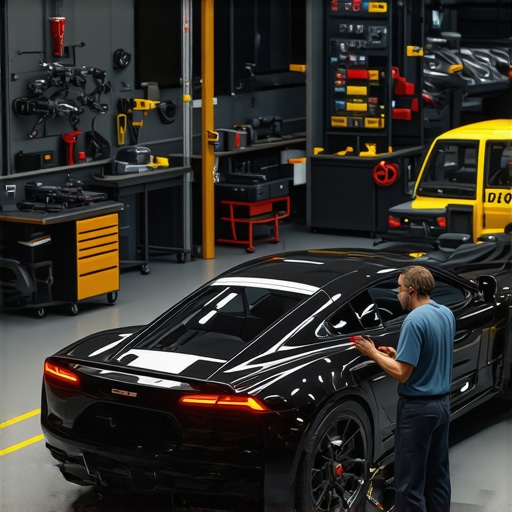
I remember the first time I ignored that strange noise coming from my engine during a morning commute. I brushed it off as a minor issue, only to discover later that it had escalated into a costly repair—one that could have been prevented with proper maintenance. That lightbulb moment taught me a valuable lesson: staying ahead of auto repairs isn’t just about fixing problems—it’s about avoiding them altogether. And with innovations in car technology, the landscape of reliable vehicle maintenance is changing faster than ever.
Why Staying Proactive Is Your Best Bet in 2025
Every driver wants their car to run smoothly and safely. Yet, so many of us overlook small issues until they become big headaches—expensive repairs or dangerous breakdowns. The truth is, modern vehicles are packed with complex systems that require a strategic approach to maintenance and repair. In fact, according to expert auto diagnostics tips, routine check-ups and early detection are now more critical than ever for optimal performance and safety. Investing time and effort into regular maintenance not only extends your car’s lifespan but also cuts down on unexpected expenses.
Have You Faced a Sudden Breakdown That Could’ve Been Prevented?
Trust me, I’ve been there. It’s frustrating and stressful, especially if you’re caught off guard. That’s why understanding the latest auto repair and car service tips for 2025 can make all the difference. From transmission tune-ups to collision fixes, staying informed empowers you to keep your vehicle in peak condition. Ready to learn how to avoid those costly surprises? Let’s dive into some proven strategies that will save you money and peace of mind this year.
Schedule Regular Check-Ups with Precision
Set a recurring appointment every 5,000 to 7,500 miles for professional inspections. I once went six months without a check-up and ignored minor oil leaks, which later turned into a costly transmission repair. Regular diagnostics help identify issues like brake wear or coolant leaks early. Use trusted auto diagnostic services linked here diagnostics tips to ensure your vehicle stays in peak condition.
Emphasize Transmission Maintenance
Transmission tune-ups are often overlooked, yet they are vital for smooth gear shifts and preventing costly failures. Think of your transmission as the heart of your car’s nervous system; if neglected, it can lead to stalls or complete failure. When I last performed a transmission flush, it involved changing fluid, inspecting seals, and adjusting linkage—steps outlined in this transmission tune-up guide. Regularly scheduling these services extends your transmission’s lifespan and keeps the ride smooth.
Stay on Top of Transmission Fluid Levels
Check your transmission fluid monthly, especially before long trips. Low fluid levels can cause overheating and gear slipping. Use the dipstick to verify levels and top up with manufacturer-approved fluid. This simple step is akin to hydrating your car—keeping it functioning optimally.
Perform Routine Collision Repairs Preventatively
Minor dents or scratches may seem cosmetic but can hide structural issues. A small collision fixing session, like the one I booked after hitting a pole, prevented rust and further damage. For comprehensive collision repairs or aesthetic fixes, consult experts using this collision repair tips. Maintaining your vehicle’s exterior integrity safeguards vital components from environmental damage.
Optimize Your Car Service Schedule
Follow manufacturer-recommended service intervals to replace filters, fluids, and worn belts. It’s much like a routine health check; staying proactive can catch issues before they worsen. I make a habit of tracking my service dates with an app, ensuring I don’t skip essential tasks, like air filter replacements, which directly impact engine performance. These scheduled services contribute to better fuel efficiency and longer vehicle life.
Understand Basic Tuning and DIY Checks
Simple maintenance tasks—like inspecting tire pressure, changing windshield wipers, or replacing spark plugs—can save you money. For example, I replaced my spark plugs following a tutorial from auto-repair tips and noticed smoother starts and improved acceleration. Keep your toolkit ready and learn these basic procedures to keep your vehicle running efficiently without always needing professional help.
Leverage Technology for Preventative Solutions
Utilize smartphone apps and onboard diagnostics to monitor real-time vehicle health. Modern cars often come equipped with alerts that warn about low oil pressure or battery issues. I personally use diagnostic apps that sync with my car’s OBD-II port, providing instant reports and maintenance reminders. This tech-savvy approach ensures you’re aware of potential problems before they escalate, making your maintenance proactive rather than reactive.
Document Your Maintenance History
Keep a detailed log of all repairs, inspections, and tune-ups. This habit helped me when I sold my car; having a record of consistent maintenance increased its resale value. Plus, it simplifies warranty claims and service scheduling with mechanics. Use digital tools or physical files—whatever keeps your records organized.
Many car owners operate under misconceptions that can lead to costly mistakes. One prevalent myth is that waiting until warning lights appear is acceptable—stick to scheduled inspections instead, as relying solely on dashboard signals often means damage has already progressed. Additionally, a widespread misunderstanding is that transmission fluid doesn’t need attention unless the vehicle exhibits shifting issues; in reality, regular transmission tune-ups, as detailed in this guide, can prevent failures before symptoms start manifesting. Many believe that collision repairs are purely aesthetic—however, ignoring minor dents can compromise structural integrity, so preventative collision fixes are crucial for safety and longevity. Another misconception is that DIY fixes always save money—advanced components like transmissions require professional diagnostics, highlighted in auto diagnostics tips to ensure accurate repair strategies. What most people overlook is that not all auto repairs are straightforward; nuance and knowledge matter, especially with the sophisticated systems in modern vehicles. Understanding these nuances can save you money and enhance your vehicle’s performance. Let’s dig deeper: How many times have you tried a DIY fix that backfired, costing you more in the long run? Recognize your mistakes and become an informed owner—your wallet and safety will thank you! Have you ever fallen into this trap? Let me know in the comments.
Tools I Recommend for Auto Maintenance
Having the right equipment can make all the difference in maintaining your vehicle effectively. I personally rely on a high-quality OBD-II scanner like the BlueDriver, which connects seamlessly to my smartphone via Bluetooth. It provides real-time diagnostics and error code readings, allowing me to identify issues early—saving money and preventing mishaps. Regularly checking your engine’s health with such an advanced tool ensures you’re proactive rather than reactive, aligning with the latest auto Diagnostics tips for 2025.
Another indispensable tool is a digital multimeter. This device helps me test battery voltage, inspect relays, and troubleshoot electrical issues effectively. I prefer models with auto-ranging capabilities, which save time and reduce errors. Learning to use a multimeter is a game-changer; it allows for precise measurements and quick diagnostics, especially useful when testing battery health or checking sensors. For detailed instructions, I consult expert guides on electrical troubleshooting.
Why Regular Maintenance Starts with the Right Software
Beyond physical tools, software plays a critical role. I recommend keeping a dedicated maintenance log using an app like Fuelly. Not only does it track oil changes, tire rotations, and filter replacements, but it also reminds you when to schedule your next service. Proper record-keeping ensures you adhere to manufacturer-recommended intervals and can help spot patterns that signal impending issues. Incorporating digital logs and diagnostics forms a comprehensive strategy for top car service tips for 2025.
How do I maintain my car’s performance over time?
One effective method is to perform routine transmission flushes at manufacturer intervals. I follow advice from the transmission tune-up guide that recommends changing transmission fluid every 30,000 to 60,000 miles, depending on your driving habits. Using the correct diagnostic tools and quality fluids can extend transmission life, prevent overheating, and maintain smooth gear shifts. Investing in these precise procedures ensures your vehicle remains reliable and safe on the road.
Future of Car Maintenance Tools
Looking ahead, merging diagnostic software with AI-driven analytics will further empower drivers. Imagine software that predicts failures before they occur based on your driving patterns—akin to what I’ve seen in emerging car health platforms. This evolution will make proactive vehicle care accessible even for less tech-savvy owners.
Ready to boost your maintenance routine? Start by integrating an advanced scanner like BlueDriver and commit to regular diagnostics. These tools combined with smart software can dramatically improve your vehicle’s longevity and safety on the road.
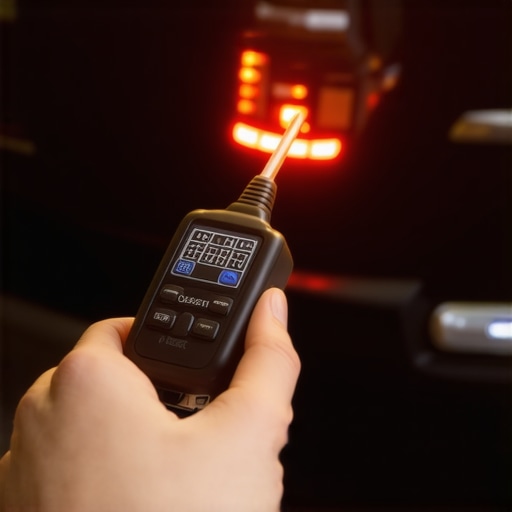
Over the years, I’ve realized that true expertise in auto repair and maintenance doesn’t come from following routines blindly but from understanding the nuances and learning from real-world experiences. One of my most eye-opening moments was discovering how integrating proactive strategies transformed my vehicle’s performance and longevity.
Lessons From the Trenches: My Auto Repair Revelations
- There’s no substitute for listening to your car: That strange sound or vibration often holds clues that, if addressed early, can prevent costly repairs. Ignoring these signals is a mistake I made, and it’s one I avoid now by staying attentive.
- Quality tools and diagnostics make all the difference: Investing in a reliable OBD-II scanner like BlueDriver enabled me to detect issues before they became emergencies, demonstrating the power of technology in everyday maintenance.
- Regular transmission care isn’t optional: It’s the lifeblood of smooth driving. Following expert guides, such as those found on transmission tune-up guides, has extended my car’s lifespan remarkably.
- Every small repair counts: Fixing minor dents early saved me from rust and structural issues later. It’s a reminder that preventative collision repairs safeguard not just aesthetics but safety.
Tools That Elevated My Maintenance Game
- OBD-II Scanners: Devices like BlueDriver are game-changers for real-time diagnostics and initial troubleshooting.
- Digital Multimeters: Testing electrical components became straightforward, helping me avoid unexplained electrical issues and ensuring my battery stayed healthy.
- Maintenance Apps: Using apps like Fuelly helped me track service intervals, ensuring I adhered to manufacturer recommendations without hassle.
Empowering Your Car Care Journey
Taking control of your vehicle’s health requires more than just tools—it’s about building a mindset of proactive care. Regular check-ups, diligent DIY checks, and understanding your car’s unique needs set the foundation for safe, reliable driving. Remember, staying informed with auto diagnostics tips ensures you’re always one step ahead. Trust me, the peace of mind that comes with knowing your car is in top shape is invaluable.
What I Wish I Knew Sooner
- Don’t wait for warning lights to escalate issues—routine inspections catch problems early and save money.
- Transmission health is critical—regular flushes and inspections prevent failures that can leave you stranded.
- Minor cosmetic repairs are investments in safety—they prevent structural weakening over time.
Explore More
- Top Car Maintenance Tips for 2025: A comprehensive guide to keep your vehicle performing at its best.
- Auto Diagnostics Tips: Learn how to monitor your car’s health effectively.
- Transmission Tune-ups: Extend your transmission’s lifespan with expert strategies.
Your Move Toward Better Vehicle Care
Remember, mastering auto maintenance isn’t reserved for mechanics; it’s empowering every driver to protect their investment. With the right knowledge, tools, and proactive habits, you can enjoy safer, smoother rides for years to come. Don’t wait for problems to knock—be the driver who leads the way in vehicle care. Ready to take the next step? Share your biggest auto maintenance challenge below and let’s tackle it together!



Emily Carter
Reading this post really resonated with me, especially the importance of proactive maintenance. I’ve learned the hard way that ignoring those early warning signs—like strange noises or minor leaks—can lead to much bigger problems down the road. I’ve started using an OBD-II scanner myself after noticing how much it helped identify issues early on, saving me from unexpected breakdowns. What I find interesting is how quickly car technology is evolving to support these preventative strategies, making it easier than ever for drivers to stay ahead. I wonder, though, how many owners are actually leveraging these diagnostic tools effectively? Do you think most people realize the potential of modern car tech to extend their vehicle’s lifespan? I’d love to hear what tools or techniques others have found most helpful in their maintenance routines.