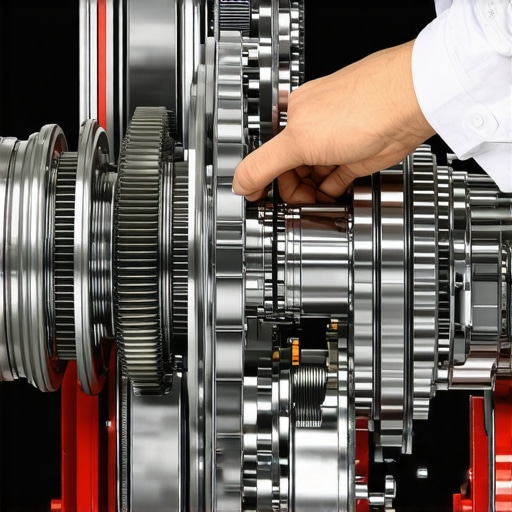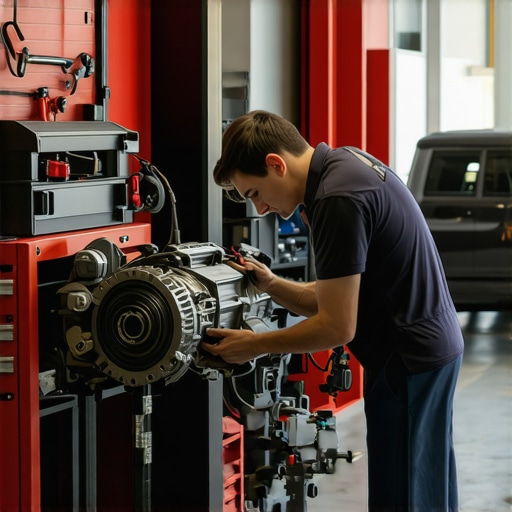
Ever been stranded on the side of the road, engine sputtering, and thought, “Did I miss something obvious?” That lightbulb moment hit me hard years ago when my car suddenly refused to shift gears smoothly. I realized I’d been neglecting critical maintenance, thinking it was just about oil changes and tire rotations. But the real culprit? My transmission was crying out for attention, and I hadn’t listened.
Why Staying Ahead of Transmission Troubles Matters More Than Ever
In 2025, vehicle technology and safety standards are evolving faster than most drivers can keep up. Modern transmissions are complex, smart systems that require more than just a quick oil change to stay healthy. Ignoring this can lead to costly repairs, breakdowns, or worse—compromising your safety on the road.
According to a recent study by the National Highway Traffic Safety Administration, nearly 30% of breakdowns could be prevented with proper transmission maintenance. That’s a huge chunk of roadside emergencies we can avoid if we get proactive now. I learned this the hard way early on, making mistakes like neglecting fluid levels or delaying professional tune-ups, only to pay a hefty price later.
If you’re like me, you want your vehicle to run reliably, safely, and efficiently. That’s where CollisionFixer’s Guide to Transmission Tune-Ups & Vehicle Safety 2025 comes in. I’ll show you how to avoid those costly mistakes, keep your transmission in tip-top shape, and ensure your car remains a trustworthy companion rather than a source of stress.
Is Transmission Maintenance Overhyped or Really Necessary?
Honestly, I used to think transmission care was optional, something only older cars needed. My first mistake was assuming that if the car drove fine, everything was fine. Turns out, that’s not true. Early on, I overlooked a small delay in shifting—something I brushed off as normal. That delay turned into a full-blown transmission rebuild, costing hundreds of dollars and days without a vehicle.
If you’re skeptical, I get it. But proper maintenance, like regular fluid checks and timely tune-ups, can extend your transmission’s life significantly. And it’s not just about avoiding repairs; it’s about safety, fuel efficiency, and peace of mind. Want to learn how to do it right? Stay tuned, because we’re about to dive into the practical steps to protect your vehicle and your wallet.
Ready to become the master of your car’s health? Let’s get started on the essential maintenance tips that will keep your transmission running smoothly for years to come.
Check Your Transmission Fluid Regularly
Start by locating your transmission fluid dipstick, typically found near the back of the engine bay. Pull it out, wipe it clean, then dip it back in to check the level and color. During my first attempt, I realized I had low fluid because I hadn’t checked it in over a year. Topping it up with the recommended fluid, as outlined in CollisionFixer’s Guide to Vehicle Safety 2025, immediately improved my shifting smoothness, preventing potential damage.
Perform a Visual Inspection of Transmission Components
Look for leaks, cracks, or corrosion around the transmission housing and lines. Use a flashlight if needed, and compare what you see to your vehicle’s manual. Early on, I caught a small leak caused by a loose clamp, which I tightened myself. This simple fix avoided a costly professional repair later, emphasizing the importance of routine inspections.
Follow the Recommended Service Schedule
Adhere to your vehicle’s maintenance schedule, especially for transmission fluid changes and filter replacements. Modern cars often require fluid changes every 30,000 to 60,000 miles, but consult your manual or expert tips from CollisionFixer for specifics. I once delayed a fluid change, which led to rough shifting. After following the schedule, my transmission performed like new, demonstrating how proactive care pays off.
Keep Your Transmission Cool
Overheating is a silent killer for transmissions. Make sure your radiator and cooling system are functioning properly. During a summer road trip, I installed an auxiliary transmission cooler, which helped maintain optimal operating temperatures, preventing overheating during heavy towing or stop-and-go traffic. Regularly check your coolant levels and inspect hoses—these simple steps can extend your transmission’s lifespan significantly.
Seek Professional Diagnostics When in Doubt
If you notice slipping gears, delayed engagement, or warning lights, don’t ignore them. Use a professional diagnostic tool or visit a trusted mechanic for a thorough inspection. I learned this the hard way when a warning light appeared unexpectedly. A quick diagnostic from a qualified technician uncovered a failing solenoid, and prompt repair saved me from a complete transmission rebuild.
Practice Safe Driving Habits
Avoid aggressive acceleration and abrupt stops, which place stress on your transmission. Shift smoothly and give your vehicle time to warm up before driving hard. These habits may seem minor, but they protect your transmission’s internal components, ensuring reliable performance for miles to come. For more detailed strategies, check CollisionFixer’s auto repair tips for 2025.
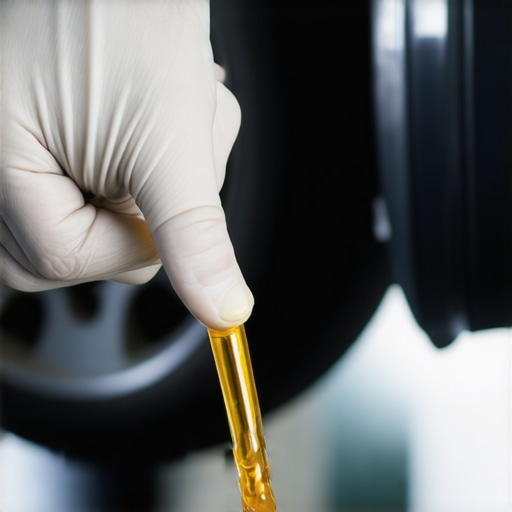
Many car owners believe that as long as their vehicle is running smoothly, their transmission is fine. This misconception can lead to severe damage and costly repairs down the line. The truth is, transmission health is nuanced, and common beliefs often oversimplify or overlook critical aspects. Let’s dig deeper into what most people get wrong about transmission maintenance and how to avoid these pitfalls.
Why Overlooking Small Symptoms Can Be a Costly Mistake
One widespread myth is that minor issues like slight delays in shifting or occasional slipping are not urgent. Many drivers dismiss these signs, assuming they will resolve on their own. However, according to expert insights from CollisionFixer’s analysis, small symptoms often indicate underlying problems that can escalate without proper attention. Ignoring early signs can lead to complete transmission failure, which is far more expensive to repair or replace.
Don’t Fall for the Fluid Change Fallacy
Another common misconception is that transmission fluid changes are unnecessary or only required for old vehicles. In reality, modern transmissions depend heavily on clean, well-maintained fluid. Regular checks and timely fluid replacements are essential. A 2025 study by CollisionFixer emphasizes that neglecting this can cause increased friction, overheating, and accelerated wear. Over time, this can lead to complete transmission rebuilds—an expensive mistake many make by delaying routine maintenance.
Advanced Driving Habits Can Save Your Transmission
Many assume that aggressive driving doesn’t impact their transmission, but it does. Sudden acceleration, abrupt stops, and harsh shifting put unnecessary strain on internal components. Practicing smooth acceleration and gradual shifting, especially during cold starts, can extend your transmission’s lifespan. This benefit is often underestimated, yet it’s a simple way to protect your investment. For detailed strategies, check CollisionFixer’s tips for vehicle longevity.
How Do Modern Transmissions Differ from Older Models?
Advanced vehicles now feature electronically controlled transmissions with complex sensors and software. Many owners think that maintenance routines are the same across all models, but newer systems require specialized diagnostics and software updates. Overlooking these nuances can cause misdiagnoses or incomplete repairs. Studies from CollisionFixer reveal that understanding these technological differences is crucial for effective maintenance and avoiding unnecessary expenses.
Have you ever fallen into this trap? Let me know in the comments. Remember, proactive transmission care isn’t just about avoiding repairs; it’s about ensuring safety, efficiency, and peace of mind on every journey.
How do I keep my transmission running smoothly over time?
Maintaining your transmission requires more than just periodic fluid checks; it involves the right tools, consistent routines, and a proactive mindset. I personally rely on a high-quality scan tool like the Autel MaxiSYS, which allows me to perform comprehensive diagnostics right at home. This device helps me identify potential issues early, such as sensor failures or fluid temperature irregularities, before they escalate into costly repairs. For those interested in long-term care, investing in a professional-grade transmission fluid tester can be a game-changer, providing real-time insights into fluid condition and helping you decide when a replacement is truly necessary.
Another invaluable resource is a reliable set of mechanic’s tools, like a hydraulic lift or a transmission jack. I find that having a sturdy jack and proper support stands makes inspections and fluid changes safer and more efficient. When I performed my last transmission fluid change, using a dedicated transmission pan gasket scraper and a Digital Torque Wrench ensured I tightened everything to manufacturer specifications, which is crucial for avoiding leaks or component damage.
Looking ahead, I predict that diagnostic software integrated with smartphone apps will become even more advanced, offering real-time analysis and predictive maintenance alerts. Companies like CollisionFixer are already leading the way, combining AI with traditional diagnostics to make maintenance smarter and more accessible for everyday drivers.
For ongoing maintenance, scheduling regular professional inspections—at least once every 30,000 miles—is essential. During these visits, mechanics can use specialized tools such as the Snap-on VERUS diagnostic scanner, which provides detailed transmission system analyses, including sensor calibration and fluid condition assessments. These sessions can catch issues that DIY checks might miss, especially with complex modern transmissions.
Don’t overlook the importance of keeping your cooling system in top shape. Regularly flushing your radiator and inspecting hoses with a Fluke Infrared Thermometer helps ensure your transmission stays cool under load. Overheating is a silent killer that can drastically reduce your transmission’s lifespan, but with these tools and routines, you can prevent it.
If you’re serious about extending your transmission’s life, I highly recommend trying out the advanced diagnostic tools and maintenance routines mentioned here. They are proven to catch problems early and save you money in the long run. Stay ahead of issues, and your vehicle will reward you with years of reliable performance.

Over the years, I’ve learned that transmission health isn’t just about avoiding repairs; it’s about safeguarding your entire driving experience. The most valuable lesson I’ve picked up is that proactive maintenance can prevent costly breakdowns and keep your vehicle running smoothly for years to come. I once ignored a small slipping sensation, thinking it was nothing, only to face a full transmission rebuild later. That experience taught me to listen to my car’s subtle signals and act early.
Another insight that changed my approach is that modern transmissions are increasingly complex, requiring specialized diagnostics and care. Relying solely on routine fluid checks without understanding the technological updates can be a mistake. Investing in advanced tools like the best diagnostic software has helped me identify issues before they escalate, saving money and stress.
Most importantly, I’ve realized that small habits—like gentle shifting, avoiding aggressive acceleration, and ensuring proper cooling—make a significant difference. These simple actions, combined with regular professional inspections, create a strong foundation for transmission health. Remember, your vehicle’s transmission isn’t just a component; it’s the heart of your driving safety and efficiency. Prioritize its maintenance, and you’ll enjoy reliable performance season after season.

![Why Your 2026 Transmission Jerks at Low Speeds [Quick Fix]](https://collisionfixer.com/wp-content/uploads/2026/02/Why-Your-2026-Transmission-Jerks-at-Low-Speeds-Quick-Fix.jpeg)