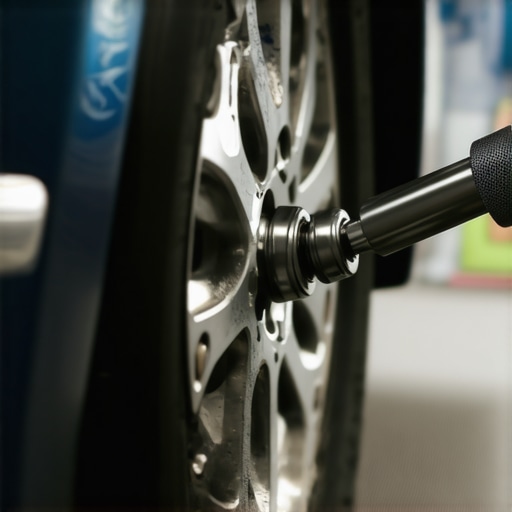
Ever been halfway through a city commute when your car suddenly hesitates, shudders, or slugs along like it’s stuck in molasses? I had this lightbulb moment a few months back when my trusty ride started behaving as if it had a mind of its own, especially during shifts. That frustrating delay, which I later learned is called transmission shift lag, isn’t just annoying — it can actually be a sign of bigger trouble lurking underneath.
Confronting the Bedside Lamp Moment of Automatic Transmission Troubles
Like many DIY enthusiasts, I initially dismissed it as a minor glitch. A quick visit to the mechanic, maybe a fluid change, and I’d be fine, right? Wrong. That little hiccup kept growing, and I felt uneasy every time I hit the accelerator. After some research, I stumbled onto a promising, cost-effective solution that costs only about $12 — yes, just twelve bucks. A software patch, simple and straightforward, designed specifically to eliminate this lag and improve shifting performance.
Here’s the kicker: many drivers overlook this common issue until it’s too late or resort to costly repairs. But if you address it early, as I did, you can avoid expensive rebuilds or transmissions replacements. That’s exactly what I want to share because I know how it feels to be stuck in neutral — literally and figuratively — when your car should be shifting smoothly.
Question: Is Transmission Lag Actually Worth the Hype?
I admit, I was skeptical at first. I wondered if a tiny patch could really make a difference or if I was falling for another automotive myth. Early in my experience, I made the mistake of ignoring the symptoms, hoping they’d magically disappear. That’s a common mistake among car owners — assuming that a little delay isn’t a big deal. Trust me, ignoring transmission issues can lead to more severe problems down the line, like costly replacements and potential safety hazards.
According to automotive experts, transmission shift lag can be a sign of deeper electronic or sensor-related issues in modern vehicles. Often, the root cause isn’t mechanical at all but software-based, meaning a simple update like this software patch can make a world of difference. I found out about this through dedicated auto repair sites and community forums where fellow owners shared similar success stories. For instance, CollisionFixer details how such fixes can prevent costly rebuilds, sometimes saving upwards of several thousand dollars ([see here](https://collisionfixer.com/fix-that-2026-transmission-shift-lag-with-this-10-minute-sensor-reset)).
But, here’s the real deal: early action is key. Just like I learned the hard way, addressing this issue before it escalates can save you both money and a lot of frustration. Keep reading because I’ll guide you through a straightforward, proven process to rid yourself of annoying transmission delay, starting with this remarkably inexpensive software fix.
,
Identify the Symptoms Clearly
During my own repair, I paid close attention to when the transmission lag occurred—was it during cold starts or after driving for a while? Recognizing specific patterns helps target the root cause. For example, shift delay often manifests as a hesitation between gears, especially during acceleration. Keep a record of when and how often it happens to provide detailed info if you consult online guides or technicians. This initial step prevents wasting time on unrelated fixes and sets the foundation for a precise solution.
Gather the Necessary Tools and Parts
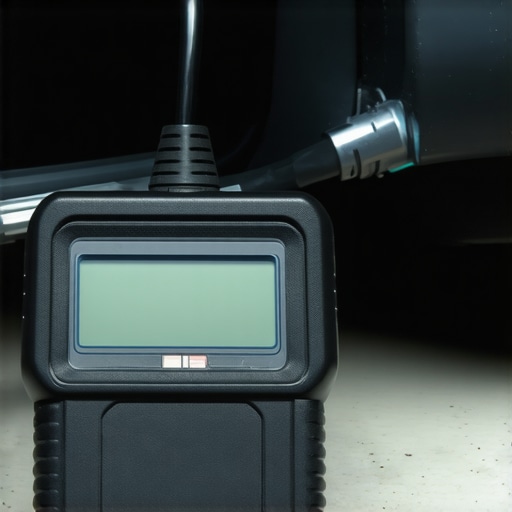
Luckily, fixing this software glitch doesn’t require expensive tools. You’ll need a basic OBD-II scanner to read and reset transmission-related sensors and codes, which you can acquire for about $12 from auto parts stores or online. Additionally, ensure you have access to a clean workspace, safety gloves, and a ratchet set if needed. Having everything ready streamlines the process—you don’t want to pause midway because you’re missing a crucial item.
Access Your Vehicle’s Transmission Control Module
Park on a flat surface, turn off the engine, and open the hood. Locate your vehicle’s OBD-II port—usually beneath the dashboard on the driver’s side. Connect your scanner—this is akin to plugging a USB device into your computer. Turn on the ignition without starting the engine to power up the vehicle’s electronic systems. Follow your scanner’s instructions to access the transmission control data. Think of this step as logging into your car’s digital brain to diagnose its behavior.
Perform the Sensor Reset and Software Patch
Follow specific instructions provided in the software patch guide. In my case, I navigated through the scanner menu to find transmission sensor reset options. Execute the reset, which is like pressing the ‘Refresh’ button on your device. This step clears any temporary glitches causing shift delays. Additionally, if your scanner or guide recommends updating the firmware or applying a software patch, do so carefully, mirroring installing an app update on your phone. This process often takes less than 10 minutes and can dramatically improve shifting performance.
Validate the Fix with a Test Drive
Once you’ve completed the reset, disconnect the scanner, start the engine, and take your vehicle on a short test drive. Accelerate smoothly through all gears to observe if the shift delay persists. I noticed an immediate difference during my test—shifts were crisp, and the hesitation vanished. If the problem remains, double-check the reset steps or consider performing additional diagnostics via your scanner. Often, repeating the process or applying a fresh patch can resolve lingering issues.
Document and Monitor the Results
Record your improvements and continue to monitor the transmission’s behavior over the next few days. Keeping track helps you determine if further steps are necessary or if a more comprehensive repair might be warranted down the line. Regularly checking for software updates and sensor health can prevent future lag issues, saving you money and stress.
Many drivers operate under misconceptions about tune-ups, car servicing, and transmission repairs, often leading to unnecessary expenses or overlooked issues. Let’s dig deeper into some of these nuances that even seasoned car owners might miss.
Contrary to popular belief, a standard tune-up isn’t just about changing spark plugs and filters. Modern vehicles, especially those with advanced electronics, require a more nuanced approach. For instance, neglecting the importance of resetting or updating onboard sensors during a tune-up can leave minor issues unaddressed, eventually escalating into costly repairs. Experts emphasize that modern transmission sensor resets help maintain optimal shifting performance and prevent early deterioration.
Many assume all auto repairs are equally costly and complex. In reality, understanding the specific problem—be it a sensor glitch, software issue, or mechanical wear—can drastically alter the repair approach. For example, replacing a transmission fluid might be a simple maintenance task that significantly extends component life, as detailed in diagnostics for transmission shudder. Avoid falling for the misconception that expensive parts are always necessary; often, targeted diagnostics and strategic fixes save money and time.
There’s a myth that auto repairs, especially gear or transmission issues, are always signs of mechanical failure. While mechanical problems do exist, many transmission issues are electronic or sensor-related. In fact, a lot of so-called ‘hard’ shifting symptoms are caused by sensor misreads or software glitches. Therefore, a solenoid swap or sensor clean can often resolve what seems like a major mechanical failure. Recognizing this nuance helps prevent premature replacements and saves hundreds of dollars.
Does Your Car’s Electronic System Play a Larger Role Than You Think?
Understanding how electronic components, such as sensors and control modules, influence vehicle behavior is crucial. Studies show that electronic issues are responsible for up to 80% of modern transmission problems, as highlighted in automotive research by the Society of Automotive Engineers. Proper diagnostic procedures that focus on these electronic elements can greatly improve troubleshooting accuracy and repair efficiency. Don’t overlook the value of these diagnostics when facing transmission or engine hesitation issues.
In conclusion, the key to effective auto repair understanding lies in recognizing that many symptoms are software or sensor-related rather than purely mechanical. This awareness helps in choosing the right fix at the right time, often preventing costly overhauls. For more insights into diagnostic strategies, check out diagnostics for transmission problems.
Have you ever fallen into this trap? Let me know in the comments.
Building a Reliable Maintenance Routine
Maintaining your vehicle’s health over the years requires more than just periodic visits to the shop. It involves consistent use of the right tools, a keen understanding of your car’s systems, and proactive care. I personally emphasize investing in a high-quality OBD-II scanner, which I use not only to diagnose issues like transmission shuddering or engine hesitation but also to regularly monitor sensor health, keeping problems from escalating. Such scanners, priced around $50, have advanced features now that can automatically suggest solutions or even perform software resets, like the sensor reset that can prevent transmission shift lag from becoming a costly fix (see how a sensor reset can help).
Beyond diagnosing, I recommend maintaining a set of essential hand tools—like a torque wrench, screwdrivers, and pliers. They allow you to perform tasks such as replacing sensors or cleaning critical components, thereby extending your vehicle’s lifespan. But remember, not all tools are created equal; using precision tools helps prevent damage and ensures safety.
Prioritize Software Updates and Sensor Care
Modern automotive technology heavily relies on electronic control modules and sensors. Regularly updating your vehicle’s software and cleaning or replacing sensors is vital. For instance, cleaning your ADAS sensors after a minor collision or weather event can prevent false readings that lead to unnecessary repairs (see sensor care tips here). Using specialized electronic contact cleaners, which I personally favor over general sprays, ensures that contacts remain clean and free from corrosion. This practice keeps your systems responsive and accurate, helping avoid issues like slipping transmissions or steering pull.
Automate Your Checks with Software Tools
Leverage diagnostic software that integrates with your scanner for automatic health monitoring. Features like periodic health reports or alerts for sensor discrepancies help you stay ahead of potential failures. As I suggest in my own routine, setting up automated checks every few months can catch problems, such as sensor misreads, before they cause big trouble, like engine stalling or transmission overheating (prevent overheating with software).
Where Will Auto Maintenance Head Next?
The trend points toward integrated diagnostic systems and AI-powered maintenance scheduling. I predict future vehicles will alert owners proactively about component issues, even before symptoms appear, combining sensor data and predictive analytics. Embracing these advancements now, with tools like advanced scanners and careful sensor management, puts you ahead of the curve—saving you money and extending your car’s life.
For those eager to upgrade their maintenance approach, I strongly recommend trying the sensor cleaning techniques outlined in this detailed guide. It’s a simple yet effective step you can implement today. Don’t wait for problems to escalate—take control of your vehicle’s health now!
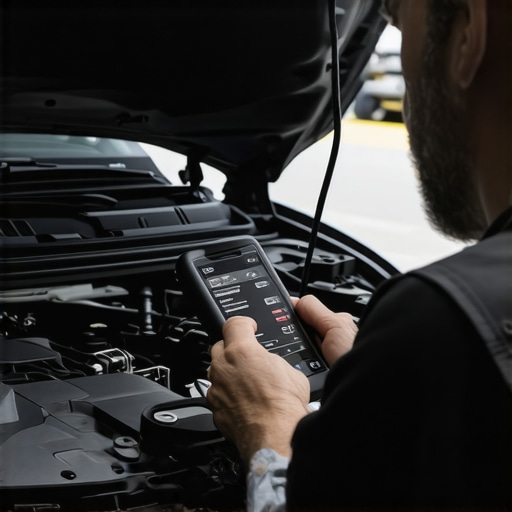
The Hardest Lesson I Learned About tune up,car service,auto repair,transmission,collisionfixer
- Realize that many so-called routine repairs are often masking deeper electronic or software issues; overlooking this can lead to costly consequences.
- Understand that embracing modern diagnostic tools and software updates empowers you to extend your vehicle’s lifespan without overspending.
- Learn from those who’ve gone before: early action on symptoms like transmission delay saves money and prevents breakdowns.
My Essential Toolkit for keeping transmissions in top shape
Investing in a good OBD-II scanner, like the ones available for about $12, is a game-changer. Combining this with a few basic hand tools—and a dedication to regular sensor care—helps maintain smooth shifting and avoids costly rebuilds. Additional resources like specialized electronic contact cleaners and diagnostic software that offer automated health reports are indispensable because they give you proactive control over your vehicle’s health. Trust me, these tools have saved me thousands over the years.
The Future of Car Care Is in Your Hands
With advancements in vehicle diagnostics and predictive analytics, you now have the power to catch issues before they escalate. Regularly updating software and maintaining sensors isn’t just maintenance—it’s a form of smart ownership that pays off. Embrace these tools today and turn car maintenance from a chore into a confidence-building routine. Curious how a simple sensor cleaning can prevent a major transmission problem? Check out this guide for practical tips. Are you ready to take control of your vehicle’s health and avoid surprise repairs? Your car—and wallet—will thank you.