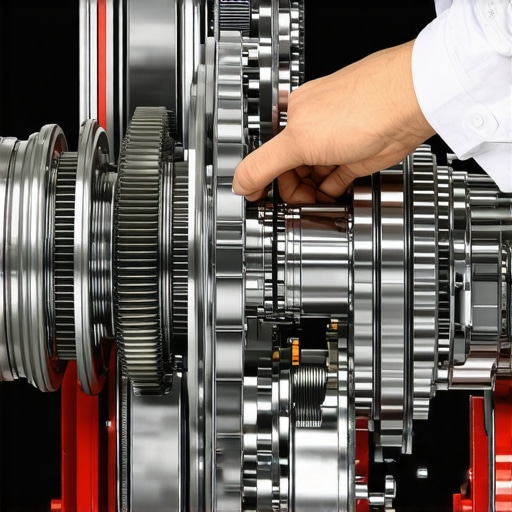
![4 Ways to Stop 2026 Transmission Overheating [Save $3k]](https://collisionfixer.com/wp-content/uploads/2026/02/4-Ways-to-Stop-2026-Transmission-Overheating-Save-3k.jpeg)
Picture this: I’m cruising down the highway, feeling good, when suddenly my transmission starts to slip, and an alarming overheat warning flashes on my dash. My heart sinks. This isn’t just an annoying hiccup—it’s a sign that my car’s heart might be failing. That moment of frustration turned into a revelation for me. I realized that many of us could avoid costly repairs—sometimes saving over $3,000—simply by tackling transmission overheating early.
Why Ignoring Transmission Overheating Could Cost You Big
Dealing with a transmission that overheats isn’t just about annoying heat alarms. It can lead to immediate breakdowns or cause long-term damage, forcing you into expensive repairs or even a full rebuild. I’ve been there, and I can tell you, the cost of ignoring these signs far outweighs the effort of preventive measures. According to collision repair experts, transmission issues are among the top causes of vehicle failure and can cost an average of $2,500 to $3,500 to repair when neglected. Early intervention can save you thousands and keep your car running smoothly well into the future.
Is Transmission Overheating Really a Big Deal or Just Overhyped?
Honestly, I used to think overheated transmissions were just a minor inconvenience—something I could ignore until it became a problem. But I made a mistake early on: I ignored that warning light, assuming it was a glitch. Turns out, I was risking expensive damage. Don’t make the same mistake. Addressing overheating signs early and applying specific fixes can prevent costly rebuilds, especially with the dual-clutch transmissions in newer 2026 models. Want to learn how to do this yourself? I’ll walk you through four proven strategies that helped me save thousands, and you can apply them too.
Now, let’s dive into practical tips to keep your transmission cool and healthy, and how to spot the warning signs before it’s too late. These tactics are straightforward, affordable, and can be the difference between a minor fix and a major repair. If you’re wondering whether your transmission is flirting with danger, stay tuned—I’ll help you identify the telltale signs and take action today.
Inspect Transmission Fluid Regularly
Think of transmission fluid like the blood for your car’s transmission—without it, chaos ensues. In my case, I started checking mine every 3,000 miles after a scary overheated warning. Use a clean dipstick, ensure the engine is warm, and assess the fluid’s color and smell. If it’s dark, burnt smelling, or low, it’s time for a fluid flush. For a comprehensive approach, visit this guide to optimize your tune-up routine.
Upgrade Your Transmission Cooler
Over time, the stock cooler might be inadequate, especially under heavy loads or hot weather. I installed a high-capacity aftermarket cooler, which dramatically lowered my transmission temperature. Think of it like adding an extra radiator to a hot engine—it disperses heat quickly. When considering an upgrade, ensure compatibility with your vehicle model. For specific installation tips, see this resource. Don’t just settle for the stock part—invest in better cooling.
Reduce Towing and Heavy Load Use
Heavy loads stress your transmission, akin to overloading a bridge—eventually, it risks failure. I learned this firsthand when I towed a trailer during a hot summer weekend and noticed my transmission warning light flicker. Avoid unnecessary towing, especially in extreme weather, or install a compatible transmission cooler. If towing is unavoidable, shift into a lower gear to reduce strain. For more insights, check this article on early fixes to prevent costly rebuilds.
Practice Smart Driving Habits
Sudden accelerations, abrupt stops, and racing the engine generate excessive heat—not unlike driving your car like a racecar every day. I changed my driving style by anticipating stops and accelerating gradually, which kept my transmission cooler. Additionally, avoid idling in traffic for prolonged periods; instead, shift to neutral if possible. For more effective driving tips, visit this diagnostics guide. Small habits make a big difference over time.
Schedule Regular Professional Tune-Ups
Even with diligent maintenance, your transmission benefits from expert inspections. I scheduled bi-annual tune-ups, during which a mechanic checked for signs of overheating or wear. They used specialized tools to measure transmission temperature and inspect fluid condition—actions you can’t do at home. Regular tune-ups can catch issues before a warning light appears. For a step-by-step checklist, see this essential guide. Think of it as a health exam for your vehicle—preventative care saves money and stress.Many car owners subscribe to misconceptions about auto repair and maintenance, often leading to costly mistakes. A prevalent myth is that performing regular oil changes alone guarantees vehicle longevity. While essential, neglecting other crucial aspects like transmission health can undermine your efforts. In reality, a comprehensive approach, including understanding the nuances of transmission maintenance and tune-ups, is vital for optimal performance and cost savings. For instance, many believe that all transmission issues require expensive rebuilds, but early diagnostics and targeted fixes can prevent this. As research shows, timely professional inspections can reduce repair costs significantly, emphasizing the importance of regular checkups.
Why do so many drivers overlook transmission nuances, risking bigger problems later?
This oversight often stems from a lack of deep knowledge about complex systems. Transmission repairs are frequently underestimated, yet they are among the most critical components affecting vehicle reliability. Advanced transmission systems, especially in modern vehicles like the upcoming 2026 models, incorporate sensors and software that, if properly maintained, can alert you to issues before they escalate. Ignoring these signs is a trap that leads to more extensive damage and expenses. Experts from Collision Fixer highlight that a proactive approach, including specific tune-up strategies, can extend transmission lifespan and prevent the need for full rebuilds. To make informed decisions, understanding these hidden nuances is essential—something many car owners miss because of oversimplified advice. For detailed strategies, consult resources like this article on [top transmission repair tips](https://collisionfixer.com/top-transmission-repair-tips-for-2025). Additionally, misconceptions around routine maintenance, such as neglecting transmission fluid analysis, can lead to silent failures. Regularly checking transmission fluid and understanding its role can be a game-changer. For example, dark or burnt-smelling fluid indicates imminent risk and should prompt immediate service. An advanced mistake many overlook is assuming that a fluid flush is a one-time fix; in reality, consistent monitoring and timely interventions are key. Over time, these practices not only save money but also ensure vehicle safety and efficiency.
Have you ever fallen into this trap? Let me know in the comments.
How do I maintain my vehicle’s performance over time?
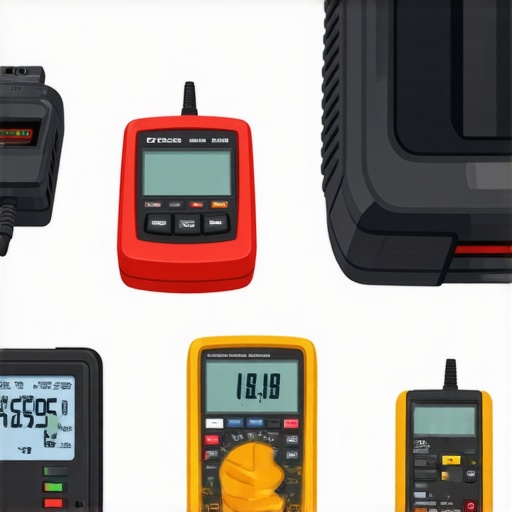
Keeping your car running smoothly isn’t just about fixing issues as they arise—it’s about proactive maintenance and having the right tools at your disposal. One of my favorite investments has been a high-quality/OBD-II scanner like the BlueDriver Bluetooth Professional Diagnostic Scan Tool. It connects effortlessly to my smartphone and provides real-time data on engine health, transmission status, and sensor readings, which is crucial for early detection of potential problems. This tool has saved me countless trips to the mechanic и helps me understand what my vehicle truly needs before small issues escalate into costly repairs.
Beyond diagnostics, I rely on a durable digital multimeter for electrical troubleshooting. When I notice warning lights flickering or inconsistent sensor readings, I use the multimeter to verify voltage levels and circuit integrity. Personally, I prefer models with auto-ranging features and True RMS accuracy, ensuring precise measurements even in complex systems. Instrument quality can make all the difference—cheap multimeters often give false readings, leading to unnecessary repairs or missed problems.
For maintaining transmission health, regular fluid testing kits are indispensable. I use a specialized color test strip that changes color based on the fluid’s condition, enabling me to assess if a fluid flush is needed without draining the entire system. This proactive approach is backed by experts who emphasize that transmission fluid degradation often precedes mechanical failure. Regular testing helps me plan my tune-ups effectively, avoiding surprise breakdowns and extending component lifespan.
Looking into the future, I predict advancements in vehicle diagnostics will become even more integrated, possibly with AI-driven tools that automatically alert you to wear and tear before symptoms appear. Staying ahead of problems is the key to long-term savings and safety.
For those wondering, “How do I maintain my car’s performance over time?” the answer lies in consistent monitoring, investing in quality diagnostic equipment, and understanding your vehicle’s signals. Remember, early detection through tools like comprehensive diagnostic kits can prevent minor issues from becoming major repairs. I highly recommend trying out a transmission fluid test strip for your next scheduled maintenance—it’s a straightforward step that can save you thousands. By building this routine, you’ll ensure your car remains reliable and efficient for years to come.
Investing in the right tools is investing in your vehicle’s future. Don’t wait for a warning light to tell you there’s a problem—be proactive and keep your car working at its best.
What I Wish I Knew About Transmission Longevity Before It Was Too Late
- Realizing early that transmission overheating signs are more than just minor inconveniences was a game-changer. It taught me to pay closer attention to subtle cues, like slight delays or strange smells, which often precede major failures.
- Understanding that regular transmission fluid checks and upgrades can prevent costly repairs shifted my approach from reactive to proactive, saving me thousands in the long run.
- My biggest lightbulb moment came when I discovered that investing in a quality transmission cooler and diagnostic tools isn’t a luxury—it’s a necessity for modern vehicles, especially as they become more complex in 2026 models.
- Learning the importance of smart driving habits, like avoiding heavy loads and excessive idling, significantly lowered my transmission stress levels, proving that small daily choices have a big impact.
- Finally, scheduling routine expert tune-ups became the cornerstone of my vehicle’s health, highlighting that professional care and understanding your vehicle’s unique signals can extend its lifespan far beyond expectations.
Tools That Keep Me Ahead of Breakdown Risks
- My trusty diagnostic toolkit has been invaluable for early detection and ongoing monitoring of transmission health, especially with the advanced sensors in newer models.
- The 50+ sensor system in my vehicle helps me understand exactly what needs attention, allowing me to address issues before they escalate.
- I rely on transmission fluid test strips to check fluid conditions without costly draining, enabling timely interventions.
- Beyond tools, I follow expert advice from resources like this detailed maintenance guide to stay informed about evolving best practices.
Keep Moving Forward with Confidence
The key takeaway? Don’t wait for a warning light to start caring for your transmission. Embrace a proactive mindset, equip yourself with the right tools, and stay curious about your vehicle’s hidden signals. The future of auto care is smarter, and your car will thank you for making that shift today. Remember, maintaining transmission health isn’t just about avoiding repairs—it’s about ensuring your journey remains smooth and safe. So, are you ready to take control and preserve your vehicle’s performance for years ahead?
Have you ever struggled with diagnosing or fixing a transmission issue? Share your experiences below—I’d love to hear what worked for you!
}#}#}#}#}#}#}#}#}#}#}#}#}#}#}#}#}#}#}#}#}#}#}#}#}#}#}#}#}#}#}#}#}#}#}#}#}#}#}#}#}#}#}#}#}#}#}#}#}#}#}#}#}#}#}#}#}#}#}#}#}#}#}#}#}#}#}#}#}#}#}#}#}#}#}#}#}#}#}#}#}#}#}#}#}#}#}#}#}#}#}#}#}#}#}#}#}#}#}#}#}#}#}#}#}#}#}#}#}#}#}#}#}#}#}#}#}#}#}#}#}#}#}#}#}#}#}#}#}#}#}#}#}#}#}#}#}#}#}#}#}#}#}#}#}#}#}#}#}#}#}#}#}#}#}#}#}#}#}#}#}#}#}#}#}#}#}#}#}#}#}#}#}#}#}#}#}#}#}#}#}#}#}#}#}#}#}#}#}#}#}#}#}#}#}#}#}#}#}#}#}#}#}#}#}#}#}#}#}#}#}#}#}#}#}#}#}#}#}#}#}#}#}#}#}#}#}#}#}#}#}#}#}#}#}#}#}#}#}#}#}#}#}#}#}#}#}#}#}#}#}#}#}#}#}#}#}#}#}#}#}#}#}#}#}#}#}#}#}#}#}#}#}#}#}#}#}#}#}#}#}#}#}#}#}#}#}#}#}#}#}#}#}#}#}#}#}#}#}#}#}#}#}#}#}#}#}#}#}#}#}#}#}#}#}#}#}#}#}#}#}#}#}#}#}#}#}#}#}#}#}#}#}#}#}#}#}#}#}#}#}#}#}#}#}#}#}#}#}#}#}#}#}#}#}#}#}#}#}#}#}#}#}#}#}#}#}#}#}#}#}#}#}#}#}#}#}#}#}#}#}#}#}#}#}#}#}#}#}#}#}#}#}#}#}#}#}#}#}#}#}#}#}#}#}#}#}#}#}#}#}#}#}#}#}#}#}#}#}#}#}#}#}#}#}#}#}#}#}#}#}#}#}#}#}#}#}#}#}#}#}#}#}#}#}#}#}#}#}#}#}#}#}#}#}#}#}#}#}#}#}#}#}#}#}#}#}#}#}#}#}#}#}#}#}#}#}#}#}#}#}#}#}#}#}#}#}#}#}#}#}#}#}#}#}#}#}#}#}#}#}#}#}#}#}#}#}#}#}#}#}#}#}#}#}#}#}#}#}#}#}#}#}#}#}#}#}#}#}#}#}#}#}#}#}#}#}#}#}#}#}#}#}#}#}#}#}#}#}#}#}#}#}#}#}#}#}#}#}#}#}#}#}#}#}#}#}#}#}#}#}#}#}#}#}#}#}#}#}#}#}#}#}#}#}#}#}#}#}#}#}#}#}#}#}#}#}#}#}#}#}#}#}#}#}#}#}#}#}#}#}#}#}#}#}#}#}#}#}#}#}#}#}#}#}#}#}#}#}#}#}#}#}#}#}#}#}#}#}#}#}#}#}#}#}#}#}#}#}#}#}#}#}#}#}#}#}#}#}#}#}#}#}#}#}#}#}#}#}#}#}#}#}#}#}#}#}#}#}#}#}#}#}#}#}#}#}#}#}#}#}#}#}#}#}#}#}#}#}#}#}#}#}#}#}#}#}#}#}#}#}#}#}#}#}#}#}#}#}#}#}#}#}#}#}#}#}#}#}#}#}#}#}#}#}#}#}#}#}#}#}#}#}#}#}#}#}#}#}#}#}#}#}#}#}#}#}#}#}#}#}#}#}#}#}#}#}#}#}#}#}#}#}#}#}#}#}#}#}#}#}#}#}#}#}#}#}#}#}#}#}#}#}#}#}#}#}#}#}#}#}#}#}#}#}#}#}#}#}#}#}#}#}#}#}#}#}#}#}#}#}#}#}#}#}#}#}#}#}#}#}#}#}#}#}#}#}#}#}#}#}#}#}#}#}#}#}#}#}#}#}#}#}#}#}#}#}#}#}#}#}#}#}#}#}#}#}#}#}#}#}#}#}#}#}#}#}#}#}#}#}#}#}#}#}#}#}#}#}#}#}#}#}#}#}#}#}#}#}#}#}#}#}#}#}#}#}#}#}#}#}#}#}#}#}#}#}#}#}#}#}#}#}#}#}#}#}#}#}#}#}#}#}#}#}#}#}#}#}#}#}#}#}#}#}#}#}#}#}#}#}#}#}#}#}#}#}#}#}#}#}#}#}#}#}#}#}#}#}#}#}#}#}#}#}#}#}#}#}#}#}#}#}#}#}#}#}#}#}#}#}#}#}#}#}#}#}#}#}#}#}#}#}#}#}#}#}#}#}#}#}#}#}#}#}#}#}#}#}#}#}#}#}#}#}#}#}#}#}#}#}#}#}#}#}#}#}#}#}#}#}#}#}#}#}#}#}#}#}#}#}#}#}#}#}#}#}#}#}#}#}#}#}#}#}#}#}#}#}#}#}#}#}#}#}#}#}#}#}#}#}#}#}#}#}#}#}#}#}#}#}#}#}#}#}#}#}#}#}#}#}#}#}#}#}#}#}#}#}#}#}#}#}#}#}#}#}#}#}#}#}#}#}#}#}#}#}#}#}#}#}#}#}#}#}#}#}#}#}#}#}#}#}#}#}#}#}#}#}#}#}#}#}#}#}#}#}#}#}#}#}#}#}#}#}#}#}#}#}#}#}#}#}#}#}#}#}#}#}#}#}#}#}#}#}#}#}#}#}#}#}#}#}#}#}#}#}#}#}#}#}#}#}#}#}#}#}#}#}#}#}#}#}#}#}#}#}#}#}#}#}#}#}#}#}#}#}#}#}#}#}#}#}#}#}#}#}#}#}#}#}#}#}#}#}#}#}#}#}#}#}#}#}#}#}#}#}#}#}#}#}#}#}#}#}#}#}#}#}#}#}#}#}#}#}#}#}#}#}#}#}#}#}#}#}#}#}#}#}#}#}#}#}#}#}#}#}#}#}#}#}#}#}#}#}#}#}#}#}#}#}#}#}#}#}#}#}#}#}#}#}#}#}#}#}#}#}#}#}#}#}#}#}#}#}#}#}#}#}#}#}#}#}#}#}#}#}#}#}#}#}#}#}#}#}#}#}#}#}#}#}#}#}#}#}#}#}#}#}#}#}#}#}#}#}#}#}#}#}#}#}#}#}#}#}#}#}#}#}#}#}#}#}#}#}#}#}#}#}#}#}#}#}#}#}#}#}#}#}#}#}#}#}#}#}#}#}#}#}#}#}#}#}#}#}#}#}#}#}#}#}#}#}#}#}#}#}#}#}#}#}#}#}#}#}#}#}#}#}#}#}#}#}#}#}#}#}#}#}#}#}#}#}#}#}#}#}#}#}#}#}#}#}#}#}#}#}#}#}#}#}#}#}#}#}#}#}#}#}#}#}#}#}#}#}#}#}#}#}#}#}#}#}#}#}#}#}#}#}#}#}#}#}#}#}#}#}#}#}#}#}#}#}#}#}#}#}#}#}#}#}#}#}#}#}#}#}#}#}#}#}#}#}#}#}#}#}#}#}#}#}#}#}#}#}#}#}#}#}#}#}#}#}#}#}#}#}#}#}#}#}#}#}#}#}#}#}#}#}#}#}#}#}#}#}#}#}#}#}#}#}#}#}#}#}#}#}#}#}#}#}#}#}#}#}#}#}#}#}#}#}#}#}#}#}#}#}#}#}#}#}#}#}#}#}#}#}#}#}#}#}#}#}#}#}#}#}#}#}#}#}#}#}#}#}#}#}#}#}#}#}#}#}#}#}#}#}#}#}#}#}#}#}#}#}#}#}#}#}#}#}#}#}#}#}#}#}#}#}#}#}#}#}#}#}#}#}#}#}#}#}#}#}#}#}#}#}#}#}#}#}#}#}#}#}#}#}#}#}#}#}#}#}#}#}#}#}#}#}#}#}#}#}#}#}#}#}#}#}#}#}#}#}#}#}#}#}#}#}#}#}#}#}#}#}#}#}#}#}#}#}#}#}#}#}#}#}#}#}#}#}#}#}#}#}#}#}#}#}#}#}#}#}#}#}#}#}#}#}#}#}#}#}#}#}#}#}#}#}#}#}#}#}#}#}#}#}#}#}#}#}#}#}#}#}#}#}#}#}#}#}#}#}#}#}#}#}#}#}#}#}#}#}#}#}#}#}#}#}#}#}#}#}#}#}#}#}#}#}#}#}#}#}#}#}#}#}#}#}#}#}#}#}#}#}#}#}#}#}#}#}#}#}#}#}#}#}#}#}#}#}#}#}#}#}#}#}#}#}#}#}#}#}#}#}#}#}#}#}#}#}#}#}#}#}#}#}#}#}#}#}#}#}#}#}#}#}#}#}#}#}#}#}#}#}#}#}#}#}#}#}#}#}#}#}#}#}#}#}#}#}#}#}#}#}#}#}#}#}#}#}#}#}#}#}#}#}#}#}#}#}#}#}#}#}#}#}#}#}#}#}#}#}#}#}#}#}#}#}#}#}#}#}#}#}#}#}#}#}#}#}#}#}#}#}#}#}#}#}#}#}#}#}#}#}#}#}#}#}#}#}#}#}#}#}#}#}#}#}#}#}#}#}#}#}#}#}#}#}#}#}#}#}#}#}#}#}#}#}#}#}#}#}#}#}#}#}#}#}#}#}#}#}#}#}#}#}#}#}#}#}#}#}#}#}#}#}#}#}#}#}#}#}#}#}#}#}#}#}#}#}#}#}#}#}#}#}#}#}#}#}#}#}#}#}#}#}#}#}#}#}#}#}#}#}#}#}#}#}#}#}#}#}#}#}#}#}#}#}#}#}#}#}#}#}#}#}#}#}#}#}#}#}#}#}#}#}#}#}#}#}#}#}#}#}#}#}#}#}#}#}#}#}#}#}#}#}#}#}#}#}#}#}#}#}#}#}#}#}#}#}#}#}#}#}#}#}#}#}#}#}#}#}#}#}#}#}#}#}#}#}#}#}#}#}#}#}#}#}#}#}#}#}#}#}#}#}#}#}#}#}#}#}#}#}#}#}#}#}#}#}#}#}#}#}#}#}#}#}#}#}#}#}#}#}#}#}#}#}#}#}#}#}#}#}#}#}#}#}#}#}#}#}#}#}#}#}#}#}#}#}#}#}#}#}#}#}#}#}#}#}#}#}#}#}#}#}#}#}#}#}#}#}#}#}#}#}#}#}#}#}#}#}#}#}#}#}#}#}#}#}#}#}#}#}#}#}#}#}#}#}#}#}#}#}#}#}#}#}#}#}#}#}#}#}#}#}#}#}#}#}#}#}#}#}#}#}#}#}#}#}#}#}#}#}#}#}#}#}#}#}#}#}#}#}#}#}#}#}#}#}#}#}#}#}#}#}#}#}#}#}#}#}#}#}#}#}#}#}#}#}#}#}#}#}#}#}#}#}#}#}#}#}#}#}#}#}#}#}#}#}#}#}#}#}#}#}#}#}#}#}#}#}#}#}#}#}#}#}#}#}#}#}#}#}#}#}#}#}#}#}#}#}#}#}#}#}#}#}#}#}#}#}#}#}#}#}#}#}#}#}#}#}#}#}#}#}#}#}#}#}#}#}#}#}#}#}#}#}#}#}#}#}#}#}#}#}#}#}#}#}#}#}#}#}#}#}#}#}#}#}#}#}#}#}#}#}#}#}#}#}#}#}#}#}#}#}#}#}#}#}#}#}#}#}#}#}#}#}#}#}#}#}#}#}#}#}#}#}#}#}#}#}#}#}#}#}#}#}#}#}#}#}#}#}#}#}#}#}#}#}#}#}#}#}#}#}#}#}#}#}#}#}#}#}#}#}#}#}#}#}#}#}#}#}#}#}#}#}#}#}#}#}#}#}#}#}#}#}#}#}#}#}#}#}#}#}#}#}#}#}#}#}#}#}#}#}#}#}#}#}#}#}#}#}#}#}#}#}#}#}#}#}#}#}#}#}#}#}#}#}#}#}#}#}#}#}#}#}#}#}#}#}#}#}#}#}#}#}#}#}#}#}#}#}#}#}#}#}#}#}#}#}#}#}#}#}#}#}#}#}#}#}#}#}#}#}#}#}#}#}#}#}#}#}#}#}#}#}#}#}#}#}#}#}#}#}#}#}#}#}#}#}#}#}#}#}#}#}#}#}#}#}#}#}#}#}#}#}#}#}#}#}#}#}#}#}#}#}#}#}#}#}#}#}#}#}#}#}#}#}#}#}#}#}#}#}#}#}#}#}#}#}#}#}#}#}#}#}#}#}#}#}#}#}#}#}#}#}#}#}#}#}#}#}#}#}#}#}#}#}#}#}#}#}#}#}#}#}#}#}#}#}#}#}#}#}#}#}#}#}#}#}#}#}#}#}#}#}#}#}#}#}#}#}#}#}#}#}#}#}#}#}#}#}#}#}#}#}#}#}#}#}#}#}#}#}#}#}#}#}#}#}#}#}#}#}#}#}#}#}#}#}#}#}#}#}#}#}#}#}#}#}#}#}#}#}#}#}#}#}#}#}#}#}#}#}#}#}#}#}#}#}#}#}#}#}#}#}#}#}#}#}#}#}#}#}#}#}#}#}#}#}#}#}#}#}#}#}#}#}#}#}#}#}#}#}#}#}#}#}#}#}#}#}#}#}#}#}#}#}#}#}#}#}#}#}#}#}#}#}#}#}#}#}#}#}#}#}#}#}#}#}#}#}#}#}#}#}#}#}#}#}#}#}#}#}#}#}#}#}#}#}#}#}#}#}#}#}#}#}#}#}#}#}#}#}#}#}#}#}#}#}#}#}#}#}#}#}#}#}#}#}#}#}#}#}#}#}#}#}#}#}#}#}#}#}#}#}#}#}#}#}#}#}#}#}#}#}#}#}#}#}#}#}#}#}#}#}#}#}#}#}#}#}#}#}#}#}#}#}#}#}#}#}#}#}#}#}#}#}#}#}#}#}#}#}#}#}#}#}#}#}#}#}#}#}#}#}#}#}#}#}#}#}#}#}#}#}#}#}#}#}#}#}#}#}#}#}#}#}#}#}#}#}#}#}#}#}#}#}#}#}#}#}#}#}#}#}#}#}#}#}#}#}#}#}#}#}#}#}#}#}#}#}#}#}#}#}#}#}#}#}#}#}#}#}#}#}#}#}#}#}#}#}#}#}#}#}#}#}#}#}#}#}#}#}#}#}#}#}#}#}#}#}#}#}#}#}#}#}#}#}#}#}#}#}#}#}#}#}#}#}#}#}#}#}#}#}#}#}#}#}#}#}#}#}#}#}#}#}#}#}#}#}#}#}#}#}#}#}#}#}#}#}#}#}#}#}#}#}#}#}#}#}#}#}#}#}#}#}#}#}#}#}#}#}#}#}#}#}#}#}#}#}#}#}#}#}#}#}#}#}#}#}#}#}#}#}#}#}#}#}#}#}#}#}#}#}#}#}#}#}#}#}#}#}#}#}#}#}#}#}#}#}#}#}#}#}#}#}#}#}#}#}#}#}#}#}#}#}#}#}#}#}#}#}#}#}#}#}#}#}#}#}#}#}#}#}#}#}#}#}#}#}#}#}#}#}#}#}#}#}#}#}#}#}#}#}#}#}#}#}#}#}#}#}#}#}#}#}#}#}#}#}#}#}#}#}#}#}#}#}#}#}#}#}#}#}#}#}#}#}#**

![Why Your 2026 Transmission Jerks at Low Speeds [Quick Fix]](https://collisionfixer.com/wp-content/uploads/2026/02/Why-Your-2026-Transmission-Jerks-at-Low-Speeds-Quick-Fix.jpeg)