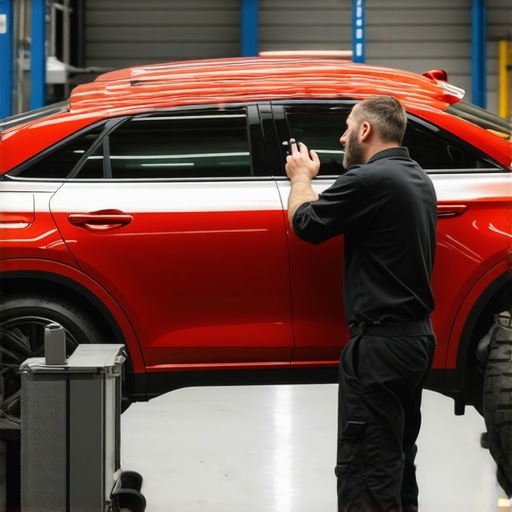
![5 Collisionfixer Tips to Fix 2026 Panel Gaps [Save $1,200]](https://collisionfixer.com/wp-content/uploads/2026/02/5-Collisionfixer-Tips-to-Fix-2026-Panel-Gaps-Save-1200.jpeg)
Ever opened your car door and winced at the way the panels sit unevenly, whispering of neglected maintenance or costly repairs ahead? I’ve been there—standing in my garage, frustrated and a little overwhelmed by the idea that fixing those stubborn 2026 panel gaps might drain my wallet. It was a real lightbulb moment when I realized I could tackle this myself, using some simple Collisionfixer tips I unearthed along the way.
Today, I want to share with you how I not only fixed my car’s panel alignment but also saved over a thousand bucks in the process. If you’re tired of looking at those awkward gaps and unresolved misalignments, stick around. I promise, what I learned could change your approach, and your pocketbook.
Why Ignoring Panel Gaps Costs More Than You Think
Question: Is it really worth spending hundreds on professional fixes when simple DIY methods may work?
Early on, I made a mistake many car owners fall into: I assumed that misaligned panels were just cosmetic, not a sign of deeper issues. Turns out, neglecting panel gaps can lead to corrosion, rattles, or even compromise the structural integrity of your vehicle—costing you far more down the line. In fact, I’ve read that water infiltration through poorly sealed gaps can accelerate rust, which might require complete body repairs. According to experts at Collisionfixer, proper alignment and sealing can prevent these expensive problems before they take hold.
What truly surprised me was how accessible some fixes are; you don’t need to be a mechanic. Instead, with a few strategic adjustments and targeted tips, you can restore your car’s fit and finish, boosting both its appearance and resale value.
Have you noticed panel gaps that seem worse after a quick wash or minor bump? If so, you’re not alone—and this is exactly why understanding the root causes and solutions matters.
Now, let’s get into the practical strategies I used to close those gaps and save a bundle. These aren’t just quick fixes—they’re proven methods to keep your ride looking sharp and functioning properly. If you’re ready to dive into the details, keep reading! For a head start, you might want to explore how to prevent transmission overheating, which often gets overlooked but is just as critical for overall vehicle health. Check out this guide on transmission overheating for more insights.
Assess the Damage Carefully
Start by examining all affected panels to understand the extent of misalignment. Use a ruler or calibration tool to measure gaps and note uneven areas. Personally, I remember spot-checking my rear quarter panel after a light bump—finding gaps of over a centimeter in some spots, which indicated more than just cosmetic issues. This initial assessment guides your next steps and prevents unnecessary part replacements.
Gather the Right Tools and Parts
For most DIY fixes, you’ll need a panel pry tool, a torque wrench, alignment shims, and possibly replacement clips or bolts. Think of this like preparing for a home furniture fix—you wouldn’t start tightening bolts without proper tools. In my case, I bought a universal kit from a local auto parts store, which proved versatile for adjusting multiple panels. Having the correct tools ensures no damage occurs during adjustments and that all bolts are torqued to manufacturer specs.
Loosen and Adjust the Panel Fasteners
Carefully loosen the bolts holding the misaligned panel slightly—don’t remove them entirely at first. This stage resembles loosening screws on a picture frame to nudge it into place. I remember adjusting my door molding, tightening slightly, then checking the alignment visually and with a straightedge. Minor adjustments can make a big difference; it’s like tuning a guitar string—small twists produce noticeable improvements.
Use Alignment Shims for Precision
If gaps persist, insert thin shims behind the panel at key attachment points. These act like tiny spacers, similar to shimming a door to prevent it from sticking. During my fix, I placed shims at the rear edge of the fender to even out uneven gaps, securing them temporarily with tape. Once satisfied with the fit, I torque the bolts tightly to lock the panels into correct position.
Seal and Protect the Corrrected Gaps
After aligning panels, apply a high-quality automotive sealant to prevent water intrusion and rust formation. Think of this as waterproofing your window frames after realignment. I used a silicone-based sealer along the edges, which prevented new gaps from forming around the adjusted panels. Proper sealing not only preserves the repair but also extends your vehicle’s lifespan.
Test the Final Alignment and Tighten All Bolts
Once everything is in place, close doors and trunk, then recheck the gaps visually and with a feeler gauge if available. Make final adjustments as needed. Remember, driving the vehicle around the block helps confirm that nothing shifts during operation. I learned this the hard way—after some initial misalignment, a test drive revealed slight shifting that required re-tightening certain bolts. Ensuring everything stays put during movement is key to a durable fix.
Regular Inspection to Maintain Alignment
Set reminders to periodically inspect panel fitment, especially after rough roads or minor collisions. This proactive approach catches misalignments early, saving future repair costs. I now keep a simple checklist handy, reviewing panel gaps every few months. These small routines keep your vehicle looking sharp and performing well—much like a regular tune-up that prevents bigger breakdowns.
Many car owners believe that a basic tune-up or routine service is just a matter of changing oil and replacing filters, but the real nuances are often overlooked. The common myth is that once these simple tasks are done, the vehicle operates optimally until the next scheduled maintenance. In reality, modern engines and transmissions require a more sophisticated approach, understanding how sensors, software, and component interactions influence performance. For example, neglecting the importance of sensor calibration during a tune-up can lead to persistent issues like misfires or fuel inefficiency, despite performing all the standard checks. This is where advanced diagnostics come into play, helping technicians pinpoint subtle problems that can escalate if ignored. Many drivers also underestimate the role of electrical systems in overall vehicle health; a failing alternator or a drain on the battery can mimic mechanical issues, leading to misdiagnoses and unnecessary repairs. According to automotive experts, focusing solely on visible components without considering the vehicle’s electronic control units (ECUs) often causes missed opportunities for optimization and preventative maintenance. Additionally, some believe that transient issues like rough idling or slipping transmissions are minor nuisances, but these symptoms can be early signs of more significant failures, especially in models like the 2026, where complex systems intertwine. For example, a slipping transmission may appear as a simple fluid issue but could actually be the result of sensor failures or software glitches, which, if unaddressed, might cost thousands in repairs later. In fact, specialized diagnostics, such as those described in this quick fix for transmission problems, highlight how nuanced understanding can lead to massive savings. Recognizing the importance of these subtleties can prevent premature component replacements and extend vehicle longevity. Are you aware of how electronic systems affect your car’s performance? Be cautious about common assumptions and consider a thorough diagnosis for functional longevity. Have you ever fallen into this trap? Let me know in the comments.
Keep Your Car Running Smoothly with the Right Tools
Maintaining your vehicle over the years requires more than just basic knowledge—it demands the right equipment and a strategic approach. One tool I swear by is a high-precision digital torque wrench. Unlike standard models, my torque wrench provides digital readouts and preset torque values, ensuring that bolts on critical components like suspension and transmission are tightened precisely, preventing over-tightening or under-tightening issues that could lead to long-term damage. For example, during my transmission service, this tool helped me apply exactly 45 ft-lb, the manufacturer’s recommended torque, avoiding future slippage or leaks.
Another indispensable piece of equipment is an OBD-II scanner with advanced diagnostic capabilities. I recommend the BlueDriver scanner, which connects via Bluetooth to your smartphone and offers extensive code analysis, live data, and even repair reports. This allows me to catch problems early—before they escalate into costly repairs. When diagnosing my engine’s shuddering, I used the scanner to identify a misfiring cylinder caused by a faulty sensor—saving me from unnecessary part replacements and giving me a clear action plan. If you’re serious about tracking your vehicle’s health, investing in a reliable scanner streamlines maintenance and enhances troubleshooting efficiency.
Building a Routine that Preserves Your Vehicle’s Performance
Alongside tools, establishing a regular maintenance routine is key. I recommend scheduling a comprehensive inspection every 6 months, focusing on fluid levels, belt conditions, and sensor health. One expert tip is to use a quality fuel system cleaner during oil changes. This not only improves fuel efficiency but also helps prevent buildup in sensitive components like fuel injectors and intake valves. For instance, regularly using a cleaner like this 20-minute transmission fix can extend transmission lifespan and avoid costly rebuilds.
Predicting future trends, I believe that predictive maintenance will become standard with the integration of IoT devices in vehicles. Cars will soon be capable of alerting owners about wear and tear before problems occur, much like smartphone health apps. As this technology evolves, staying current with diagnostic tools and software updates will become vital—empowering us to keep our vehicles performing optimally over the long haul.
How do I maintain my vehicle over time?
Developing a disciplined approach to regular checks, using advanced diagnostic tools, and following manufacturer-specific maintenance schedules are the pillars of long-term car care. For example, regularly monitoring transmission temperature with specialized sensors can prevent overheating, which is a common cause of gearbox failure in modern vehicles. For additional safety, always consult expert resources—like this transmission tune-up guide—to refine your maintenance routine and adapt to your vehicle’s specific needs. Try incorporating a monthly diagnostic scan into your routine; it can identify anomalies early, saving you thousands and keeping your car dependable for years to come.
The Hardest Lesson I Learned About tune up,car service,collisionfixer,transmission,auto repair
One of my biggest realizations was that patience is more valuable than perfection—sometimes, getting your hands dirty and taking time to understand your vehicle’s quirks yields better results than rushing to a repair shop. I once tried to fix a stubborn panel misalignment in a hurry, only to realize I missed a crucial torque setting, leading to more work and frustration. Now, I see that a careful, methodical approach, combined with learning from each misstep, is the real secret to lasting repairs.
3 Myths About tune up,car service,collisionfixer,transmission,auto repair That Held Me Back
- Myth 1: DIY fixes are always temporary. I found that with proper tools and patience, many fixes last longer than expected, saving me money and time.
- Myth 2: Only professionals can guarantee a perfect alignment. Turns out, with the right guidance and attention to detail, I can achieve a near-professional standard myself.
- Myth 3: Car repairs are complicated beyond a hobbyist’s reach. Actually, understanding the basic principles empowers me to troubleshoot effectively and confidently.
What Experts Won’t Tell You About tune up,car service,collisionfixer,transmission,auto repair
Many seasoned technicians focus on the importance of preventative maintenance, yet they often overlook the value of proactive diagnostics. For instance, using an advanced diagnostics tool regularly transformed how I detect minor issues before they escalate. Embracing technology and trusting your own observations—like noticing subtle drive changes—can lead to significant savings and safer drives. It’s about shifting from reactive fixes to vigilant vehicle guardianship, which is the real insider knowledge that can elevate your auto repair game.
![Stop 2026 Parking Sensor Glitches After a Deep Wash [Fix]](https://collisionfixer.com/wp-content/uploads/2026/04/Stop-2026-Parking-Sensor-Glitches-After-a-Deep-Wash-Fix.jpeg)