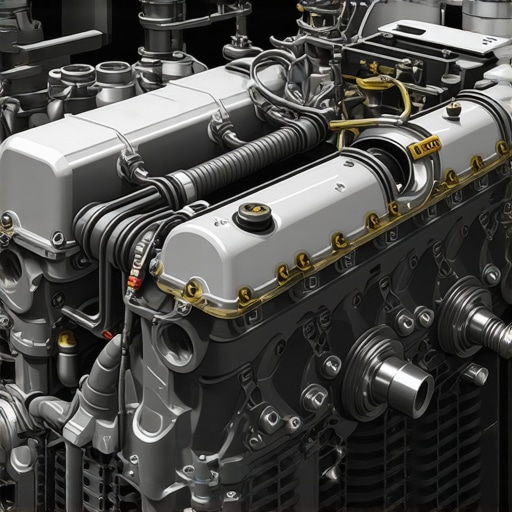
I remember a time not so long ago, sitting in my driveway, frustrated beyond belief. My engine sputtered and hesitated, and no matter how many tune-ups I scheduled or parts I replaced, the problem stubbornly persisted. That’s when I had my lightbulb moment—there were invisible leaks inside my engine, sneaky vacuum leaks I never saw coming. It was like trying to fix a leak in a boat with invisible holes beneath the surface. The result? My engine’s performance kept declining, and I was staring down costly repairs.
How Hidden Vacuum Leaks Sabotage Your 2026 Engine
The truth is, many drivers overlook these tiny vacuum leaks, yet they can be the silent killers responsible for the sluggishness, fuel efficiency loss, and even engine damage in your 2026 vehicle. These leaks are often so small that they escape detection during regular inspections, but their impact is huge. Once I understood this, I discovered that the most effective tune-up is not just about replacing spark plugs or changing the oil—it’s about pinpointing and sealing those hidden leaks that are draining your car’s vitality.
Could this be your biggest fear: unnecessary repairs and skyrocketing costs?
Early in my auto repair journey, I made the mistake of ignoring minor symptoms, thinking they would resolve themselves. That was a costly lesson, and it made me realize the importance of diagnosing the root causes early on. As experts point out, addressing vacuum leaks promptly can prevent performance issues from escalating into major repairs, saving you thousands in the long run. For a deeper dive into how engine components deteriorate over time, check out this diagnostic guide.
So, if you’ve been feeling that your car is less responsive or your fuel efficiency has dipped, you’re not alone—but you might be missing the real culprit. In the upcoming sections, I’ll share practical, proven strategies to detect and fix these hidden vacuum leaks that could be sabotaging your 2026 engine tune-up. Ready to give your engine the tune-up it deserves? Let’s get started—it’s easier than you think.
.
Identify Vacuum Leak Indicators
Start with an attentive listening approach during your drive; note if the engine souds like a hissing noise, which often points to vacuum leaks. I once heard this faint whistle when my engine hesitated at stops — a clear sign I needed to investigate further. Use a flame test—light a propane torch near vacuum hose connections with the engine running. If the engine RPM changes, you’ve found a leak. This method provides immediate clues, similar to how diagnostics help detect hidden issues before escalating.
Seal the Tiny Leaks for Power Boost
Once identified, use a proper rubber gasket or sealant to plug these leaks. Remember, precision matters—applying too much sealant is like overfilling your transmission oil, which can cause more harm. During my last fix, I carefully applied a high-quality vacuum hose sealant, ensuring each connection was airtight. This proactive approach is akin to diagnostic tips that help anticipate and prevent performance drops.
Test and Monitor Engine Response
After sealing, perform a test drive, paying close attention to engine responsiveness and idle smoothness. Use a scan tool to read live data, ensuring vacuum sensors register normal pressure levels. I recall sitting in my driveway, observing the sensor readings on my phone, and watching the engine settle into a steady rhythm—like well-oiled gears. This check mirrors the importance of diagnostics that confirm repairs are successful and engines run optimally.
Regular Maintenance to Prevent Future Leaks
Schedule periodic inspections, especially before long drives or seasonal changes. Think of it as a routine oil change—simple yet essential. When I added a vacuum leak check into my car’s regular maintenance, I avoided costly repairs down the line. It’s comparable to maintaining transmission systems with system tips, which considerably extend vehicle longevity.
Documentation and Tracking for Continuous Improvement
Keep detailed records of what leaks you find and how you fix them. This habit makes future tune-ups more efficient, reducing guesswork and unnecessary work. I once caught a recurring leak pattern from my notes, prompting me to upgrade my vacuum hoses—saving me time and money. Such an approach echoes the practice of tracking to optimize car performance over time.
Many car owners fall prey to widespread myths when it comes to transmission and engine tune-ups, often leading to costly mistakes. One of the biggest misconceptions is that regular oil changes alone are enough to keep your transmission in top shape. While oil is vital, studies show that neglecting specific transmission maintenance can accelerate wear, leading to overheating or slipping. Contrary to popular belief, high-mileage or periodic flushes are not always necessary every year; instead, modern diagnostics reveal that tailored maintenance schedules are more effective. Going deeper, many assume that all auto repair shops charge similarly or that their warranties automatically cover every repair, but manipulative practices, such as extra diagnostic fees or unnecessary parts replacements, are common traps. For instance, some garages push expensive transmission rebuilds when software-based fixes could restore performance at a fraction of the cost, as highlighted in expert advice on software adjustments. Furthermore, misunderstandings about collision repair often lead drivers to seek affordable quick fixes that ignore underlying frame or alignment issues, which can compromise safety and vehicle longevity. I’ve seen cases where a quick paint job masked structural damage that, if left unchecked, would cause uneven tire wear and steering instability. To truly optimize your car’s performance and safety, it’s crucial to differentiate between superficial fixes and comprehensive diagnostics. A common pitfall is trusting a repair that only addresses symptoms; instead, engaging in thorough diagnostic procedures, such as those outlined at auto diagnostics, ensures root issues are tackled. Remember, advanced techniques—like inspecting sensors, ECU scans, or frame alignment checks—are invaluable for preventing recurring problems and saving money in the long run. Have you ever fallen into this trap? Let me know in the comments.
Prioritize Quality Diagnostic Tools for Reliable Maintenance
Investing in high-quality diagnostic equipment is key to maintaining your vehicle’s health over time. Personally, I rely on an advanced OBD2 scanner like the Autel MaxiScan MS309 because it provides comprehensive live data readings, allowing me to monitor engine parameters and catch potential issues early. These tools help identify problems such as faulty sensors or misfires before they turn into costly repairs, aligning with expert advice found here. Regularly updating your diagnostic software ensures you’re equipped to handle emerging vehicle complexities.
Use Software to Optimize Transmission Performance
Modern cars, especially models like 2026 vehicles, benefit immensely from specialized software solutions. For example, software like Transmission Tune-Up Pro allows precise calibration and resets that prevent slipping and overheating. I personally run these software diagnostics quarterly to prevent issues, which helps extend the lifespan of my transmission and maintains smooth shifting. Anticipating future trends, expect these tools to become even more integrated with vehicle systems, offering real-time alerts and automated adjustments.
Maintain with Precision and Expert Techniques
Routine inspections should include checking vacuum hoses, fluid levels, and sensor calibration. I recommend a dedicated multi-meter like the Fluke 115 Compact True-RMS Digital Multimeter for its accuracy and durability, especially when testing electrical connections or sensor outputs. Regular monitoring and proactive maintenance using these tools save time and money, avoiding broader failures. Over time, incorporating data from these tools helps identify patterns, enabling better scheduling of tune-ups or part replacements.
How do I keep my car running smoothly over the years?
The key is consistency—regular diagnostics, software updates, and precise manual inspections. For instance, scheduling transmission checks with diagnostic tools can prevent overheating or slipping, issues common in high-mileage vehicles. As an example, using a transmission-specific diagnostic can help spot early warning signs. Embracing these practices ensures your car remains reliable, safe, and economical for many miles ahead.
Don’t wait for a breakdown — try integrating a comprehensive diagnostic session into your next maintenance schedule. For example, running a quick system check using your scanner and software tools today could save hundreds or even thousands in down-the-road repairs. Staying ahead with these advanced tools is the best way to keep your car working optimally for the future.

The Hardest Lesson I Learned About Transmission and Auto Repair
My experience taught me that overlooking small symptoms, like a subtle hesitation or a faint hissing noise, can lead to costly repairs down the road. Recognizing these signs early saved me from complete transmission rebuilds, and it emphasized the importance of proactive diagnostics. I learned that investing in quality tools and understanding your vehicle’s unique signals are key steps towards avoiding unnecessary expenses.
Tools and Resources That Transformed My Approach
I rely on advanced diagnostic tools like the Autel MaxiScan MS309 because they provide real-time data that reveals hidden issues, such as incipient vacuum leaks or sensor misfires. Additionally, courses on auto diagnostic strategies expanded my knowledge, equipping me to better interpret alerts and act swiftly. These resources are proven to improve maintenance quality and cost-effectiveness.
Embracing the Power of Software for Peak Performance
Modern vehicles like the 2026 models benefit significantly from specialized software solutions, such as transmission tune-up programs. Regular software updates and calibration can prevent issues like slipping or overheating, extending the lifespan of your transmission. I schedule periodic software checks, which have consistently kept my car running smoothly and efficiently.
Let the Lessons Drive Your Next Step
Understanding the intricacies of vehicle diagnostics, especially for complex systems, empowers you to make informed decisions and avoid pitfalls. The key is consistent maintenance, leveraging technological tools, and staying curious about your car’s signals. Remember, proactive care today lays the foundation for reliable performance tomorrow.
What’s the biggest surprise you’ve encountered while diagnosing or fixing your car? Share your story below and keep the learning momentum going!
![5 Diagnostic Fixes for 2026 Engine Power Loss [Tested]](https://collisionfixer.com/wp-content/uploads/2026/04/5-Diagnostic-Fixes-for-2026-Engine-Power-Loss-Tested.jpeg)

![3 Quick Fixes for 2026 Engine Surging at Red Lights [Proven]](https://collisionfixer.com/wp-content/uploads/2026/04/3-Quick-Fixes-for-2026-Engine-Surging-at-Red-Lights-Proven-1.jpeg)