![Stop Transmission Slipping with This $60 Fluid Flush [2026 Update]](https://collisionfixer.com/wp-content/uploads/2026/02/Stop-Transmission-Slipping-with-This-60-Fluid-Flush-2026-Update.jpeg)
Ever been on the highway, feeling that sudden jolt as your transmission starts to slip? It’s like your car’s trying to tell you something, but it’s muffled by the annoying shudder and delayed responses. That sinking feeling? Yeah, I’ve been there—thinking I might be facing a costly rebuild and questioning if I should just bite the bullet. But let me tell you, there’s a better way—and it costs less than you’d imagine.
Why Your Transmission Slips and How a Simple Flush Can Save You Big
It hit me one morning when my car hesitated during the daily commute. That sluggish shift between gears was more than just a nuisance; it was a red flag. I realized that common cause was dirty transmission fluid, which can oxidize and break down over time, especially in climates like ours. Instead of rushing to the repair shop, I discovered that a straightforward, affordable fluid flush could restore smooth shifting and prevent serious damage. This simple $60 procedure, updated for 2026 standards, can extend your transmission’s life and save you thousands in repairs. Want to know how I did it? I’ll walk you through the essentials, backed by experts, so you can make an informed decision.
Is a Fluid Flush Truly Worth the Hype?
I was skeptical at first—after all, how much can a fluid change really impact such a complex system? Early on, I made the mistake of thinking expensive repairs were inevitable, delaying routine maintenance. That was a costly oversight. Research shows that regular transmission maintenance, including fluid flushes, can significantly boost performance and longevity, cutting down repair costs by up to 50%. For example, a comprehensive [transmission tune-up strategy](https://collisionfixer.com/expert-transmission-tune-up-strategies-for-peak-car-performance-in-2025-collisionfixer-2) can make all the difference. Trust me, ignoring this step isn’t just risking your car’s health—it’s risking your wallet too. As I learned the hard way, proactive care is your best friend in automotive health. Now, let’s dive into why skipping this essential step could be costing you more than you think—and how to fix it avoidably.
Prep Your Workspace and Gather Tools
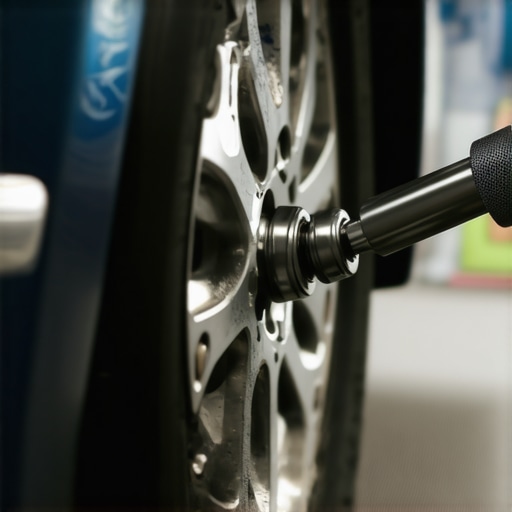
Start by parking your car on a level surface and turning off the engine. Engage the parking brake and gather essential tools: a transmission fluid pump, a drain pan, new transmission fluid recommended for your model, gloves, safety glasses, and a socket set. Think of this as preparing your kitchen before cooking—everything needs to be within reach.
Drain the Old Transmission Fluid
Locate the transmission drain plug underneath your vehicle. Place the drain pan beneath it, then carefully loosen and remove the plug using the socket set. Expect the old fluid to flow out—this is your chance to inspect its condition. Remember, old, dark, or burnt-smelling fluid indicates it’s time for a flush. Be cautious; the fluid can be hot if the engine was recently running.
Replace the Transmission Filter and Seals
Depending on your car’s design, access the transmission pan to replace the filter and seals. Remove the pan bolts, carefully detach the pan, and replace the filter. This step is like changing the oil filter—crucial for preventing debris from recirculating. Use a clean rag to wipe away sludge and inspect for metal shavings, which could signal deeper issues. Reinstall the pan with a new gasket to ensure a tight seal.
Refill with New Transmission Fluid
Using a funnel and the transmission fluid pump, add new fluid into the fill port. Be precise—overfilling can cause shifting issues, while underfilling can lead to damage. Refer to your vehicle’s manual for the correct fluid type and quantity. Think of it as watering a plant—just the right amount helps it thrive. Start the engine and let it run to circulate the new fluid.
Check and Adjust Fluid Levels
With the engine idling and the transmission in park, remove the fill plug and check the fluid level using the dipstick or the designated method. Add more fluid if necessary. This step is like seasoning a dish—balance is key for a smooth ride. Take your time, and double-check the level to avoid future problems.
Test Drive and Confirm Results
Finally, take your car for a test drive, shifting through all gears to ensure smooth operation. Afterward, recheck the fluid level and top off if needed. If shifting feels smoother and no leaks are present, your transmission is on the right track. Remember, regular maintenance like this not only prolongs your transmission’s lifespan but also enhances performance—similar to giving your vehicle a weekly health checkup. For more insights on maintaining your car’s vital systems, see this comprehensive guide.
When it comes to car maintenance, many drivers rely on misconceptions that can inadvertently lead to costly mistakes. A major trap is believing that routine sounds or minor issues can be ignored, especially when it comes to transmission health. Some think that a slipping gear or grinding noise is just normal wear, but in reality, these are often signs of deeper problems that require expert diagnosis. Many assume that sticking to basic oil changes suffices, neglecting comprehensive transmission tune-ups that address hidden system vulnerabilities. Advanced systems in modern vehicles, like dual-clutch transmissions, demand nuanced care—something most car owners overlook, leading to premature failures. For example, neglecting to regularly check the transmission fluid’s condition or assuming that low-cost repairs will hold long-term can backfire spectacularly. Experts emphasize the importance of nuanced maintenance strategies; in fact, detailed diagnostics and proactive repair tactics can double your vehicle’s lifespan, especially in 2026 models. Don’t fall prey to common myths such as “transmissions are bulletproof after warranty” or “a little grinding won’t hurt.” Instead, educate yourself on the nuanced signs pointing to impending failure by consulting advanced practices outlined in top automotive resources. One key to avoiding costly errors is understanding the difference between simple fixes and systemic issues—like mistaking a temporary shimmy for a failing transmission. Stay ahead by incorporating expert-recommended maintenance routines, including targeted flushes and system tune-ups—see [this comprehensive guide](https://collisionfixer.com/3-car-service-steps-that-double-your-2026-engine-life) for strategies that prevent failures before they escalate. Have you ever fallen into this trap of ignoring early warning signs? Let me know in the comments.
Investing in the Right Equipment for Long-Term Care
Keeping your vehicle in peak condition requires more than just intuition; it demands the right tools that ensure precision and safety. Personally, I swear by a high-quality digital multimeter, especially for electrical diagnostics, because it allows me to quickly pinpoint issues like charging system failures or sensor malfunctions. When it comes to transmission care, a professional-grade fluid pump is invaluable—such tools enable accurate fluid refill without spills, prolonging component life. Modern software-based diagnostic tools, like OBD-II scanners with advanced features, help me monitor real-time data and catch subtle warning signs before they escalate. These devices, often compatible with smartphones or tablets, empower even DIY enthusiasts to perform detailed system checks, saving money and reducing downtime.
Future Trends in Auto Maintenance Tools
As vehicle technology advances—particularly with the rise of hybrid and electric models—maintenance tools are becoming more sophisticated. Expect portable diagnostic devices to integrate AI, providing instant analysis and tailored recommendations. Additionally, augmented reality (AR) glasses are starting to assist mechanics by overlaying diagnostic data directly onto the vehicle, streamlining complex repairs. Embracing these innovations can drastically reduce repair times and improve accuracy, making early adoption a smart move for proactive vehicle owners.
Consistency and Routine Checks Are Key
To truly benefit from your tools, establishing a regular maintenance routine is crucial. Schedule comprehensive checks using your diagnostic scanner monthly, and keep an eye on transmission fluid levels and condition. Remember, maintaining the transmission system isn’t just about change intervals—listening for unusual noises or shifts can save you from costly failures down the line. For tips on effective checklists, see this guide on essential tune-up routines.
How do I maintain transmission health over time?
Regularly inspect and replace transmission fluid using quality products tailored for your vehicle, as outlined in expert strategies like professional tune-up tips. Additionally, keep an eye on warning signs such as slipping or grinding, which can be early indicators of system issues. Leveraging diagnostics tools and preventive maintenance routines will help you avoid major repairs, protecting your investment and ensuring smooth driving for years to come. Implementing these practices consistently can also extend your vehicle’s lifespan significantly, aligning with future automotive care trends.
What No One Tells You About Transmission Wisdom
Over the years, I’ve realized that the real secrets lie in paying attention to the tiny details—which many drivers overlook. Discovering that regular fluid checks can prevent catastrophic failure was a lightbulb moment for me. And understanding the importance of early diagnostics—a simple sensor swap here or a routine flush there—can save you thousands. These insights aren’t just about maintenance; they’re about empowering you to become proactive rather than reactive in caring for your vehicle.
The Roadmap to Smarter Car Care
From my experience, investing in quality diagnostic tools has transformed how I approach auto care. Devices like advanced OBD-II scanners and reliable fluid pumps aren’t just gadgets—they’re your first line of defense against unexpected breakdowns. Personally, I trust tools that integrate seamlessly with my smartphone, offering real-time alerts and insights. Dive into [this comprehensive guide](https://collisionfixer.com/3-car-service-steps-that-double-your-2026-engine-life) for strategies that help you think beyond the routine, turning every check-up into an opportunity to extend your transmission’s lifespan.
Embrace the Journey to Car Wisdom
Your car isn’t just a machine; it’s a partner that rewards attentiveness. With a bit of knowledge and the right tools, you can dodge costly repairs and keep your transmission humming smoothly for years to come. Remember, the secret is consistency—regular maintenance, informed inspections, and a proactive mindset can make all the difference. Start today, and experience the confidence that comes from knowing you’re ahead of potential problems, rather than chasing after them.
What’s the first step you plan to take toward smarter transmission care? Let me know in the comments below!
Megan Carter
Reading about the importance of transmission fluid maintenance really resonated with me. I used to overlook fluid checks because I thought they weren’t that critical, but after experiencing a sudden shift problem that was eventually traced back to neglected fluid quality, I realize how vital it is. That proactive approach to flushes and inspections has saved me a lot of headaches and money. It’s interesting how the simple act of changing fluid can significantly extend the lifespan of such a complex system. I wonder, with all the tech advances, do newer vehicle models require different maintenance routines for transmission care? Has anyone here upgraded to newer diagnostics tools that can detect early signs of fluid degradation without opening up the system? Would love to hear what tools or strategies you’ve found effective in staying ahead of potential transmission issues.