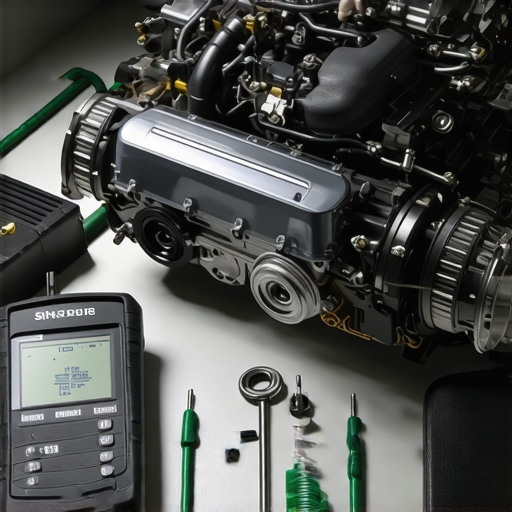
I remember the moment clearly—my hybrid groaned, hesitation creeping into every acceleration, and I suddenly felt that tiny spark of panic. It hit me how easy it is to neglect routine maintenance, especially with newer models like hybrid engines that seem to run smoothly for miles. That lightbulb moment made me realize: I had been overlooking critical tune-up items that could save me a ton of trouble and money down the road.
Why Staying Ahead of Engine Tune-Ups Matters for Your Hybrid’s Future
Today, I want to share my journey and what I’ve learned about keeping my 2026 hybrid in peak shape. As technology advances, so do the nuances of engine care. The truth is, neglecting a few simple checklists can lead to performance issues, costly repairs, or even early engine failure. What’s more, with the push towards hybrid efficiency, maintaining your engine isn’t just about avoiding breakdowns; it’s about maximizing fuel economy and reducing emissions.
Research shows that regular engine tune-ups can improve gas mileage by up to 4%, which adds up significantly over time—especially with the rising fuel prices and the environmental benefits of efficient driving. But the real challenge is knowing what to check, especially with the sophisticated systems integrated into 2026 hybrids.
Here’s where I went wrong early on: I assumed that because my car was running fine, everything was okay. Turns out, small issues like dirty air filters or worn spark plugs silently sap power and efficiency. I wish I had known sooner that a proactive approach to engine maintenance is a game-changer.
In this post, we’ll dive into the five vital checklist items that will help you keep your hybrid running smoothly, save money, and enjoy peace of mind. If you’ve ever experienced sudden engine hesitation or strange noises, don’t worry—we’ll cover how to troubleshoot and prevent these with simple steps.
So, do you find yourself ignoring routine engine care until something goes wrong? You’re not alone—but trust me, a little attention now can prevent big headaches later.
Ready to get your hands dirty and ensure your 2026 hybrid runs like a dream? Let’s start with the first critical item on that list: checking your engine’s air and fuel systems. For tips on diagnosing more complex transmission issues, check out [this guide](https://collisionfixer.com/expert-transmission-tune-up-strategies-for-peak-car-performance-in-2025-collisionfixer). Now, onto the core checks that will keep your engine singing for years to come.
Inspect Your Air and Fuel Systems Regularly
To ensure your hybrid engine runs smoothly, start by checking the air filter. Pull out the filter and look for dirt or debris. A clogged air filter hampers air intake, reducing efficiency and performance. If dirty, replace it immediately—it’s a quick fix that pays off. Next, inspect the fuel injectors for any buildup or clogging. Use a fuel system cleaner additive, or have a professional perform a thorough cleaning to keep fuel delivery optimal. I once found my fuel injectors clogged after neglecting this step, which caused sluggish acceleration. Cleaning them improved my MPG and engine responsiveness. For more insights on diagnosing engine shaking, visit this guide. 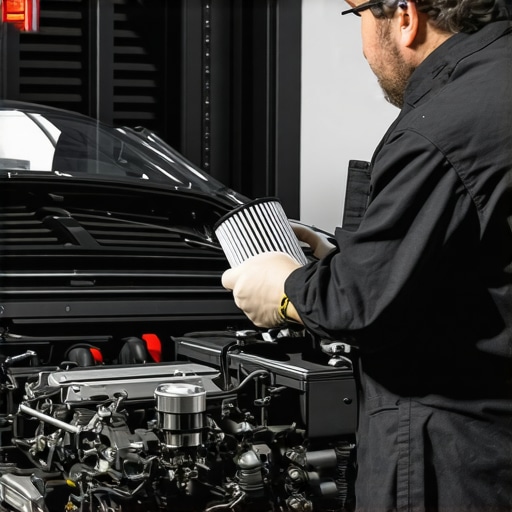
Many car owners believe they understand the basics of collision repair and auto maintenance, but there’s a common misconception that can lead to costly mistakes. The prevailing myth is that all repairs or tune-ups are straightforward and that following generic advice will always suffice. In reality, the intricacies of modern vehicle systems—especially with hybrid and electric models—demand a nuanced approach that only seasoned experts recognize.
For instance, many assume that a simple fluid change or replacing spark plugs will resolve engine issues, but overlooking deeper diagnostics can cause ongoing problems. Rushing into repairs without understanding the sophisticated sensors and control modules embedded in 2026 vehicles risks misdiagnosis and suboptimal fixes. According to industry experts, neglecting to employ advanced diagnostic tools, such as those detailed in auto repair diagnostics tips, significantly increases the chance of overlooking underlying problems.
One trap many fall into is assuming that transmission issues are always mechanical—when, in fact, software glitches often mimic physical failures. For example, certain transmission error codes can be caused by firmware glitches or sensor malfunctions, not mechanical wear. This is where understanding the importance of checking for software-related faults becomes crucial for effective repair strategies.
Why do so many mistakes happen during transmissions repairs?
A significant reason is misdiagnosing electrical or sensor issues as mechanical failures. Modern transmissions, especially in 2026 hybrid models, rely heavily on electronic controls that require a different repair mindset. Failing to recognize the impact of this can result in unnecessary part replacements or even complete transmission rebuilds. Experts advise that precise diagnostics, including sensor testing and software updates, can often resolve what looks like hardware failure. To avoid these pitfalls, consult comprehensive guides like transmission repair strategies.
Moreover, there’s a dangerous assumption that all car service and collision fixes are expensive or time-consuming. In truth, understanding the critical nuances—such as early detection of mechanical wear, sensor calibration, or software optimization—can save considerable money and time. Skilled technicians leverage specialized tools, detailed in auto repair tips, to accurately identify the root causes quickly, preventing unnecessary overhauls.
So, are you confidently steering through repairs based on surface-level fixes, or are you aware of these hidden complexities? Recognizing that not all issues are purely mechanical and that advanced diagnostics are essential represents a vital shift in how you approach vehicle maintenance. This awareness ensures you’re not caught in the trap of superficial fixes, which often lead to recurring problems and higher costs. Have you ever fallen into this trap? Let me know in the comments.
Maintaining your vehicle’s performance over time requires more than just casual inspections—it’s about leveraging the right tools and adopting structured methods. One of the most effective investments I made was in a high-quality OBD-II scanner. Unlike generic code readers, my BlueDriver provides detailed diagnostics and real-time data, which helps me identify issues like early transmission glitches or engine misfires before they escalate. For hybrid vehicles, understanding specific sensor data is crucial; tools like this keep me ahead of potential failures. Additionally, I rely on a digital torque wrench for precise tightening during repairs, ensuring components like the transmission’s differential are assembled to manufacturer specifications, reducing the risk of long-term damage. When it comes to software, I use AutoEnginuity diagnostic software, which offers comprehensive coverage for specific makes and models, including the latest 2026 hybrids. Its deep system access allows me to perform tasks like calibrating sensors or updating firmware—critical steps for sustained reliability. Looking ahead, the trend points toward integrated diagnostic platforms that combine hardware and cloud-based analytics, making proactive maintenance more accessible and accurate than ever.
How do I maintain those tools to ensure longevity?
Regular calibration and firmware updates are key. For instance, I set a quarterly schedule to update my diagnostic software and verify the accuracy of my torque wrench. This routine helps prevent misdiagnosis and over-tightening, which can cause costly repairs down the line. Investing in maintenance-friendly tools not only prolongs their lifespan but also enhances diagnostic confidence. I also recommend keeping a detailed log of repair data, which can reveal patterns or emerging issues—saving you from surprises later. Remember, the most advanced tools are only as good as the user’s maintenance habits. To improve your diagnostic accuracy, try running firmware updates using the latest version available from your tool’s manufacturer. For comprehensive guidance, see expert diagnostic tips. As vehicles become more sophisticated, integrating these tools into your routine ensures your hybrid or traditional car remains in prime condition, saving you time and money in the long run.
Less-than-Obvious Lessons That Transformed My Hybrid Maintenance Approach
One of the most profound realizations I had was that modern hybrid engines demand a proactive, nuanced approach to maintenance. I used to let minor irregularities slide, thinking my vehicle was too new to worry about small issues. But neglecting simple checks, like air filters or software updates, can silently erode performance over time. The lightbulb moment? Recognizing that routine, detailed diagnostics—like utilizing advanced tools I trust—are essential for catching problems early and ensuring longevity. Additionally, I discovered that many myths about hybrid repairs, such as the misconception that all issues require expensive replacements, are just that—myths. Real expertise, combined with the right resources, makes all the difference.
Tools and Resources That Keep My Hybrid Running Smoothly
The core of my maintenance routine revolves around trusted tools that unlock deeper insights into my vehicle’s health. The high-quality auto repair diagnostics tips guide has been invaluable, helping me interpret error codes precisely and avoid unnecessary repairs. I rely on a BlueDriver scanner for real-time data, which gives me peace of mind by catching issues before they escalate. My digital torque wrench ensures components are tightened perfectly, preventing long-term damage, especially in sensitive hybrid systems. For software updates and sensor calibrations, I turn to AutoEnginuity, a tool that provides comprehensive coverage tailored to the latest 2026 models. These resources, combined with my commitment to regular checks, create a maintenance ecosystem that minimizes surprises and maximizes performance.
Take Charge of Your Hybrid’s Future Today
The journey to a well-maintained hybrid is ongoing, but every step taken now sets the stage for a dependable and efficient future. Don’t wait for warning lights or strange noises—be proactive. With a few simple practices, guided by reliable tools and expert knowledge, you can extend your vehicle’s lifespan and save significant repair costs. Remember, the effort you invest today pays off in smoother drives, better fuel economy, and peace of mind tomorrow. Your hybrid deserves this care—start making these small but impactful adjustments now and experience the difference firsthand.
![5 Diagnostic Fixes for 2026 Engine Power Loss [Tested]](https://collisionfixer.com/wp-content/uploads/2026/04/5-Diagnostic-Fixes-for-2026-Engine-Power-Loss-Tested.jpeg)

![3 Quick Fixes for 2026 Engine Surging at Red Lights [Proven]](https://collisionfixer.com/wp-content/uploads/2026/04/3-Quick-Fixes-for-2026-Engine-Surging-at-Red-Lights-Proven-1.jpeg)