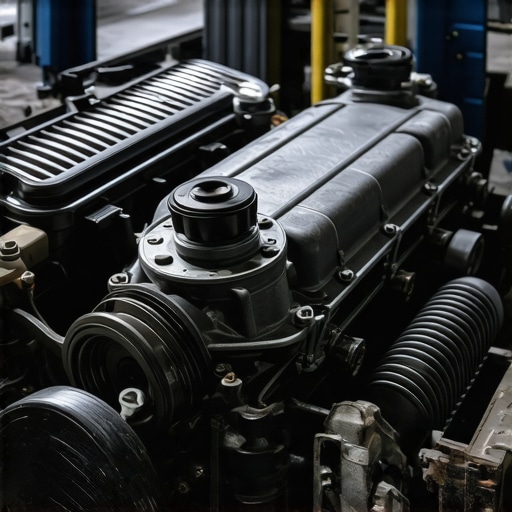
It’s a chilly morning, and as I start my engine, there’s that familiar but unnerving trembling that rattles through the steering wheel and seats. It hits me—my car isn’t just idling; it’s protesting. At first, I ignored it, telling myself it was just a rough start. But as days went by, the shaking worsened, making every drive feel unsettling. I realized I needed to act before it turned into a costly nightmare.
That jittery sensation? It’s often a sign that your vehicle needs some serious attention. Engine shaking can stem from multiple issues, but early intervention can save you time and money. Today, I want to share the approach I took—five effective tune-up tactics—to keep my ride smooth and reliable. Whether you’re facing similar frustrations or just want to prevent them, understanding these simple steps could be a game-changer.
Why Fixing Engine Shaking Should Be Your Top Priority
Engine vibrations are more than just an annoyance; they can signal underlying problems that, if left unaddressed, might lead to significant damage. A shaky engine can also compromise your safety and fuel efficiency. Studies show that neglecting minor car issues can escalate into costly repairs—sometimes doubling the original expense—which is why catching trouble early is crucial. I learned this the hard way, making the mistake early on of dismissing minor shaking as just bad luck. That simple oversight cost me dearly, and I don’t want you to make the same mistake.
Is Your Engine Shaking Worth the Hype? Don’t Overlook the Warning Signs
Initially, I thought a rough start or a cold engine was just normal wear and tear. But I overlooked the warning signs until the shaking became relentless. It’s a mistake many make—assuming minor vibrations aren’t urgent. But as I’ve come to realize, ignoring these signs can lead to expensive repairs, especially if the issue is related to transmission or engine misfires. For detailed insights and solutions, consider reading about top transmission service strategies that help prevent such problems from worsening.
Now, armed with the knowledge from my experience, I’m ready to guide you through five tried-and-true tune-up tactics that can make a real difference. And trust me, these aren’t gimmicks—they’re practical steps I’ve personally tested, and they work. Ready to keep your engine purring smoothly? Let’s dive in and start your journey toward a vibration-free ride. First, though, do you know the last time your car had a proper tune-up? If not, it’s probably time to give your vehicle some extra attention—and I’ll show you how.
Perform a Visual Inspection to Spot Obvious Issues
Start by opening the hood and inspecting engine components visually. Look for cracked or damaged hoses, leaked fluids, and loose or worn belts. I remember when I first did this, I found a cracked vacuum hose that was causing misfires. Replacing it immediately restored smooth running. This initial check can reveal simple fixes before diving deeper.
Check and Replace Spark Plugs
Spark plugs ignite the fuel-air mixture in your engine. Worn or dirty plugs cause misfiring and vibration. Remove the spark plugs with a spark plug socket, examine for wear or deposits, and replace if necessary. During my maintenance, swapping out old spark plugs with NGK models made a noticeable difference in engine stability. Proper spark plug maintenance is vital for smooth operation.
Examine and Service the Air Filter
A clogged air filter restricts airflow, causing the engine to run inefficiently and shake. Remove the filter and check for dirt buildup. Replacing a dirty filter with a high-quality one ensures cleaner airflow and better combustion. This simple step often goes overlooked but has an immediate impact on engine performance, similar to how breathing clean air energizes us.
Test and Adjust Fuel System Components
Fuel injectors and fuel filters play a crucial role in delivering fuel evenly. Use a fuel pressure gauge to measure system pressure; consult your vehicle’s manual for specifications. If pressure is low, it might indicate clogged injectors or a failing fuel pump. During my last tune-up, cleaning the injectors with a specialized kit restored smooth idle. Maintaining the fuel system ensures consistent delivery and reduces vibrations.
Assess and Address Engine Mounts
Worn or broken engine mounts can cause excessive shaking, especially at idle or acceleration. With the car safely lifted, inspect mounts for cracks or looseness. Replacing faulty mounts, though more involved, stabilizes the engine. I had to replace a worn mount that was causing significant vibrations; the difference was immediate and profound.
Fine-Tune Transmission and Drivetrain
Transmission issues often contribute to engine vibrations. If slipping or irregular gear changes are observed, consult resources like this guide to diagnose potential causes. Ensuring your transmission system is properly serviced, including fluid changes and code scans, supports engine stability. During my experience, a transmission fluid flush noticeably smoothed gear transitions and reduced vibrations.
Monitor and Maintain Overall Vehicle Alignment
Consult Professionals If Necessary
If internal checks don’t resolve the shaking, don’t hesitate to seek expert help. Modern diagnostics can identify issues like faulty sensors or transmission slips that are hard to detect visually. For advanced troubleshooting, consider referring to these diagnostic tips to prepare for a professional assessment. Sometimes, complex problems require specialized tools and expertise to fix properly.
When it comes to vehicle maintenance, many drivers hold onto misconceptions that can lead to costly mistakes. One common myth is that transmission issues always mean immediate, expensive repairs. In reality, a nuanced understanding reveals that early detection and proper maintenance can often prevent full transmission failure. For instance, many believe that low transmission fluid alone causes slipping, but neglecting factors like wear on solenoids or sensor malfunctions can be just as critical. Expert insights from collisionfixer emphasize that regular system checks and diagnostics are vital for sustaining transmission health, especially as vehicles age. An overlooked nuance is that some symptoms, such as delayed engagement or unusual noises, might stem from auxiliary components rather than the transmission itself, leading to unnecessary replacements if misdiagnosed. Familiarizing yourself with trusted strategies—like those outlined in transmission repair essentials—can save both money and time. Moreover, common service routines often ignore the importance of comprehensive system maintenance, which can exacerbate issues unnoticed. For example, neglecting to update software or sensors in modern vehicles may cause miscommunications within the transmission control unit, a subtle yet impactful oversight. It’s crucial to understand that not every transmission warning light signifies imminent replacement; many issues are repairable if caught early through advanced diagnostics, like those discussed here. Don’t fall into the trap of assuming that all auto repairs are the same—knowing the specific nuances can be the difference between a quick fix and a costly overhaul. The key is embracing a proactive approach, informed by a sophisticated grasp of vehicle systems. Are you aware of the subtle signs that precede a transmission breakdown? Proper knowledge not only preserves your vehicle’s longevity but ensures safety on every journey. Remember, a well-maintained transmission isn’t just about avoiding repairs—it’s about enhancing your driving experience overall. Have you ever fallen into this trap? Let me know in the comments.
Essential Equipment for Reliable Auto Repairs
When it comes to maintaining your vehicle, having the right tools is fundamental. I personally swear by a high-quality digital automotive scan tool, like the Autel MaxiCOM, which allows me to diagnose issues in real-time with precision. This device provides codes for transmission slips and engine misfires, helping me pinpoint problems early—saving money and preventing breakdowns. Additionally, a mechanic’s stethoscope aids in isolating unusual noises, and a vehicle lift simplifies access to components like engine mounts and transmission systems, making maintenance safer and more efficient. Regularly investing in these tools—used correctly—empowers me to perform thorough inspections and minor fixes without always relying on a shop, leading to longer-lasting results.
Software That Keeps Diagnostics Accurate
In today’s auto repair landscape, software tools play an increasingly pivotal role. I recommend using professional diagnostic software like OBD2 diagnostic scan apps such as Torque Pro or CarScan. They connect to your vehicle’s OBD-II port via Bluetooth or Wi-Fi, providing comprehensive data on transmission system health and engine performance. These apps help me monitor sensor data, fluid diagnostics, and even suggest when it’s time for a tune-up, ensuring I stay ahead of potential failures. As vehicles become more technologically advanced, staying updated with the latest firmware and software updates from manufacturers ensures accuracy and compatibility, which ultimately extends your vehicle’s lifespan.
Adopt Preventive Maintenance Routines
Preventive maintenance isn’t just about checking fluids; it’s about creating a systematic approach to keep your transmission and engine performing optimally. I recommend scheduling regular system audits, including transmission fluid analysis, belt inspections, and engine mount checks. For instance, I set a quarterly calendar reminder to revisit the transmission system, ensuring fluid levels and quality are maintained. Using professional-grade additives and cleaners—like injectors cleaners—can also improve fuel combustion and smooth out vibrations. An ongoing commitment to routine checks prevents small issues from snowballing into expensive repairs, preserving the long-term health of your vehicle.
How do I maintain transmission health over time?
The secret lies in a combination of routine diagnostics and proactive adjustments. Modern vehicles often contain sensors that can alert you to slipping or overheating early—if you know where to look. Regular software updates as outlined in these diagnostics tips can help detect subtle changes before they become critical. Also, consider a transmission fluid analysis every 20,000 to 30,000 miles to assess wear and contamination. For advanced care, I recommend scheduling a professional transmission tune-up every 50,000 miles, which includes system cleaning, fluid replacement, and calibration to optimize performance. Incorporating these practices can extend your transmission’s lifespan significantly.
Predicting where this trend is heading, I believe vehicle diagnostics will become even more integrated with artificial intelligence, providing real-time alerts and predictive maintenance suggestions—potentially preventing breakdowns before they happen. Embracing these technological advancements means investing in smart tools now to stay ahead of the curve.
It’s time to put these tools into action
Try leveraging a diagnostic app combined with a reliable scan tool to monitor your vehicle’s health actively. It’s an affordable step that can reveal hidden issues early—especially for complex systems like transmissions. If you haven’t already, set up your diagnostics software today and start tracking your vehicle’s parameters. By doing so, you’ll not only ensure peak performance but also extend the life of your car’s critical components, saving you money and hassle in the long run.
Unspoken truths about transmission care I finally understood
One of the most eye-opening lessons I encountered was that transmission health isn’t just about fixing problems as they arise but involves consistent preventative care—something I once overlooked. I used to think transient slipping or odd noises were minor, but neglecting them led to costly repairs. The lightbulb moment was realizing that regular diagnostics and minor tune-ups could save me from unexpected, wallet-draining surprises and even prevent safety issues on busy roads.
My trusted arsenal for keeping the transmission in check
Over time, I found that combining tools like an OBD2 scanner with comprehensive service manuals helps me catch small issues early. Hardware such as a quality transmission flush kit and recommended lubricants from trusted brands have played a key role. I trust resources like these diagnostic tips because they’re rooted in real-world success stories and expert insights, which inspire confidence in my DIY efforts.
Why proactive maintenance beats reactive fixes every time
Waiting for symptoms to become severe is a gamble I no longer take. Instead, I set quarterly check-ins for fluid analysis, inspections, and component calibrations. This approach has not only extended the lifespan of my transmission but also improved my driving experience. It’s empowering to know that a bit of regular attention now can prevent the chaos of sudden failure later. The key is viewing maintenance as an ongoing conversation with your vehicle—an investment rather than an expense.
Curious about your own car’s needs? Which routine check do you tend to neglect that could be silently damaging your transmission? Drop your thoughts below and let’s discuss firsthand insights that keep our rides smooth and safe.
![Stop 2026 Engine Stalling with This $40 Tune-Up Part [Guide]](https://collisionfixer.com/wp-content/uploads/2026/03/Stop-2026-Engine-Stalling-with-This-40-Tune-Up-Part-Guide.jpeg)
![Is Your 2026 Engine Tune-Up Killing Your Battery? [Checklist]](https://collisionfixer.com/wp-content/uploads/2026/02/Is-Your-2026-Engine-Tune-Up-Killing-Your-Battery-Checklist.jpeg)