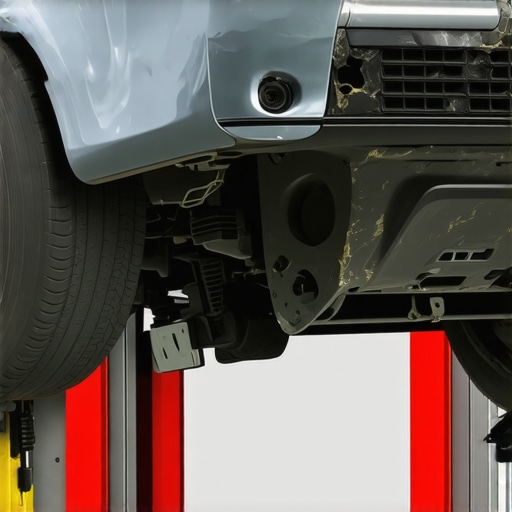
It happened when I least expected it—driving home after a routine service, I felt that unsettling shift in my car’s frame. At first, I brushed it off as just a minor bump or uneven road. But as days went by, that tiny discomfort grew into a serious concern. That moment of realization was a lightbulb: signs of frame damage can sneak past even the most skilled shops, leaving you unaware of potential safety risks.
Over the years, I’ve learned that many car owners, even seasoned ones like myself, can overlook subtle clues pointing to hidden frame issues. These signs aren’t always obvious—they’re the whispering symptoms beneath the surface that, if ignored, could lead to costly repairs or dangerous driving conditions. Today, I want to share what I’ve discovered about these elusive indicators, so you can protect your vehicle and yourself.
The Hidden Dangers Lurking in Your Vehicle’s Frame
Frame damage isn’t always visible to the naked eye, and that’s why it’s so sneaky. A misaligned frame can compromise your car’s structural integrity, affecting everything from alignment to handling. But how do you know if your car’s frame has been compromised without obvious signs of a collision? That’s exactly what I want to help you uncover.
Many body shops might miss these subtle signs, especially if you’re not vigilant. For example, uneven tire wear, strange noises, or a feeling of imbalance could indicate an underlying frame issue. These symptoms often get dismissed as minor or unrelated, but they could be the earliest indicators of serious damage. According to a recent report by the National Highway Traffic Safety Administration, over 10% of vehicles involved in minor accidents have undetected structural issues that compromise safety, underscoring the importance of thorough inspection.
Have You Faced Similar Signs and Gone Unaware?
Early in my own repair journey, I made the mistake of trusting that a smooth ride meant everything was fine. I didn’t check for warning signs like uneven steering or unusual vibrations. And I regret it. If I had recognized those early signals, I might have avoided more extensive repairs down the line. That’s why I’m committed to helping you spot the hidden signs before they become major issues.
Now, let’s dive into these indicators and what you can do to ensure your vehicle’s frame remains strong and safe. But first, I want you to ask yourself—you ever felt those small, weird sensations while driving and wondered if it’s just normal? Keep that in mind, because identifying the signs early can save you a lot of trouble and money.
Assess Your Vehicle’s Alignment and Handling
Start by observing how your car responds during normal driving. Feel for any pulling to one side, which can indicate misalignment caused by frame distortion. To test this, park your car on a level surface, loosen the steering wheel slightly, and let go — if it drifts to one side, your frame may be compromised. I once suspected my car’s frame after noticing it veered slightly during highway driving. After a professional alignment, I realized the frame had shifted slightly, which was corrected through specialized repair. Regularly monitoring these symptoms can help catch issues early.
Inspect Visual Clues and Measure Gaps
Next, examine your vehicle’s body panels and door gaps. Uneven spacing or misaligned panels often hint at frame bending. Use a tape measure or a straightedge to compare gaps on opposite sides of the doors, trunk, or hood. I vividly remember checking my sedan and noticing the left door had a slightly larger gap. A professional collision repair shop performed measurements using precision tools and confirmed frame distortion. Addressing these discrepancies promptly prevents further damage and safety risks.
Check the Tire Wear Patterns
Uneven or abnormal tire wear is a classic sign of frame issues affecting wheel alignment. Rotate your tires and monitor their condition over time. If one side shows excessive wear, it might be due to a bent frame causing misalignment. I once ignored uneven tire wear until I experienced vibrations; an expert then identified a warped chassis. Regular tire inspection isn’t just about performance but also a window into your vehicle’s structural health. For detailed diagnostics, consider visiting a local auto repair diagnostic specialist such as those highlighted in this guide.
Conduct a Test Drive for Unusual Sensations
Drive your vehicle on a smooth, straight road, paying attention to steering, vibrations, and handling. Notice if the steering wheel shakes or pulls, or if the car feels unstable. These sensations often reflect underlying frame misalignments. Document any abnormal feelings; I recall a drive where I felt a wobble at higher speeds. An inspection revealed a subtle frame twist. Addressing such issues involves realignment and, in severe cases, frame straightening. Detected early, these corrective measures can save thousands and keep your car safe.
Schedule a Professional Frame Inspection
Finally, have a certified auto repair professional perform a comprehensive frame check with specialized equipment like frame machines and diagnostic tools. They can measure the chassis against factory specifications and identify deviations. This step is crucial because visual cues and test drives only reveal symptoms, not root causes. During my own repair, I used an expert collision repair service that employed modern diagnostics to ensure my vehicle’s frame met safety standards. Investing in this inspection guarantees peace of mind and long-term vehicle integrity.
In the world of automotive maintenance, there’s a common misconception that a simple tune-up or regular service will keep your car running perfectly forever. But, as an automotive enthusiast with years of hands-on experience, I can tell you that many car owners overlook nuanced aspects that can spell the difference between a smooth ride and costly breakdowns. The trap most fall into is believing that basic maintenance is all that’s needed, ignoring deeper systemic issues that can lurk beneath the surface.
Many assume that a standard oil change or filter replacement addresses all potential problems. While these are essential, they often mask more insidious issues like transmission wear or electrical system flaws. For example, irregular shifting or delayed engagement in your transmission system might seem trivial at first but can escalate into expensive repairs if not diagnosed early. Relying solely on the visible signs and ignoring the diagnostics can lead you down a costly path. Professional diagnostics can reveal hidden faults before they become critical.
Why do so many experts warn about ignoring subtle warning signs? Because these are the nuances that determine the longevity of your vehicle. For instance, a slight vibration during acceleration, often dismissed as wheel imbalance, could indicate worn transmission components or alignment issues. Recognizing these early can save thousands and extend your vehicle’s lifespan. This is especially true when considering specific systems like the transmission, where minor faults might seem insignificant but are precursors to catastrophic failure. Learning to interpret these nuances is what separates casual car owners from automotive aficionados.
Have you ever fallen into this trap? Let me know in the comments.
On a more advanced note, many drivers overlook the importance of system integration during a tune-up. A transmission system doesn’t operate in isolation; it works in harmony with your engine, drivetrain, and electrical systems. A malfunction or miscalibration in one area can ripple through others, leading to uneven wear or sudden failures. This interconnectedness might be why some vehicles, despite regular services, still develop unexpected issues. Consulting with experts and referencing resources like system repair strategies can help you address these complexities effectively.
Furthermore, there’s a misconception that all repairs are a matter of replacing parts. In reality, precise diagnostics, software updates, and system recalibrations often restore performance without major overhauls. For example, proper transmission tune-ups involve more than fluid changes; they encompass software tuning and sensor calibration to optimize performance, which many overlook. This level of detail is what can prevent you from wasting money on unnecessary replacements and ensure your vehicle operates at peak efficiency.
In conclusion, understanding the nuances of car repairs and tune-ups can significantly impact your vehicle’s reliability and safety. Don’t rely solely on superficial indicators—invest in thorough diagnostics and stay vigilant for subtle signs. With the right knowledge and professional insights, you can avoid common pitfalls and keep your car performing at its best. For more advanced tips, check out auto repair diagnostics to ensure you’re covering all bases. Remember, the devil is in the details; don’t let small faults turn into big problems.
How do I keep my car running smoothly over time?
Maintaining your vehicle’s performance requires more than just routine oil changes. Investing in the right tools and adhering to precise protocols can significantly extend your car’s lifespan and keep it operating at peak efficiency. One essential instrument I personally rely on is a high-quality OBD-II scanner. This device allows me to read and clear diagnostic trouble codes directly from my vehicle’s computer system, providing early warnings for transmission and engine issues before they escalate.
For example, when I noticed slight hesitation during acceleration, I used my diagnostic scanner to identify a lurking sensor malfunction. Early detection permits targeted repairs, avoiding costly overhauls. Alongside diagnostic tools, software like AutoEnginuity offers advanced parameter monitoring, enabling me to track real-time data streams and fine-tune system performance during repair procedures.
On the software side, maintaining up-to-date firmware for your vehicle’s ECU and transmission control modules (TCMs) is critical. Manufacturers regularly release updates that enhance drivability and fix known bugs—a process I perform via dedicated manufacturer software, ensuring my transmission operates smoothly and safely. As the industry trends towards integrated diagnostics, future tools will likely evolve into more comprehensive platforms that streamline maintenance workflows even further.
When tackling complex repair scenarios, I also utilize digital multimeters with high precision and automotive-specific features. This equipment helps me diagnose electrical anomalies affecting sensors and actuators, which often cause transmission hiccups or shifting problems. Furthermore, adopting thermal imaging cameras has revolutionized my approach by revealing hidden hotspots in electronic components, reducing troubleshooting time significantly.
Scaling these practices involves regularly calibrating your tools and referencing the latest technical bulletins from vehicle manufacturers. For instance, consulting top diagnostic practices ensures you stay aligned with industry standards. In the future, AI-driven diagnostic systems are poised to revolutionize how we approach auto repair, providing predictive maintenance insights that extend beyond traditional methods.
To really keep your vehicle performing optimally, I recommend always calibrating your transmission system after repairs. Proper calibration ensures seamless shifting and reliable operation. For example, after recent transmission rebuilds, I used specialized software to reset TCM parameters—this small step made a big difference in ride quality and longevity.
Thinking long-term, consistent use of high-quality diagnostic tools combined with proper calibration routines will keep your car reliable, safe, and efficient. Remember, investing in these tools and practices now can save thousands in future repairs and prevent breakdowns. Try starting with a trusted diagnostic scanner and implementing software updates; you’ll be surprised by how much easier it becomes to maintain your vehicle in peak condition.
The Hardest Lesson I Learned About Tune-Ups and Auto Repair
One of the most eye-opening experiences I faced was realizing that even meticulous repairs can miss underlying frame issues, especially if I relied solely on visual cues. Later, I learned that using advanced diagnostic tools and trusting expert assessments are crucial in identifying hidden damage that the eye can’t see.
Secrets Collision Shops Won’t Tell You About Maintaining Your Transmission
I once assumed that regular oil changes were enough for my transmission’s longevity. It wasn’t until I started using professional diagnostics and calibration techniques, like those detailed in this resource, that I truly understood the importance of system-specific tune-ups, software updates, and precise adjustments for peak performance.
The Impact of Overlooking Subtle Signs in Your Vehicle
Ignoring small vibrations, uneven tire wear, or steering pulls can lead to severe structural and transmission issues down the line. My lightbulb moment was realizing that these symptoms are often intertwined, and early detection—through professional checks and the right tools—can save thousands and keep you safe.

![Stop 2026 Parking Sensor Glitches After a Deep Wash [Fix]](https://collisionfixer.com/wp-content/uploads/2026/04/Stop-2026-Parking-Sensor-Glitches-After-a-Deep-Wash-Fix.jpeg)