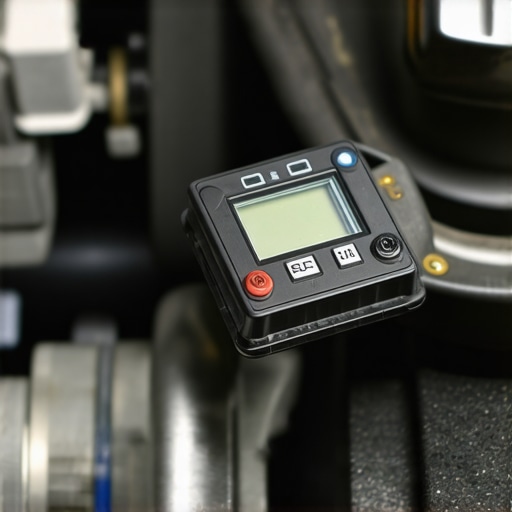
It was just another routine weekend car tune-up, or so I thought. I had my trusty tools, a good dose of optimism, and a simple plan to keep my 2026 model running smoothly for the coming year. But then I noticed something strange—my engine started acting off, sputtering and hesitant like a smoker trying to breathe through a clogged straw. The light bulb went off: one of those cheap sensors I picked up online might be the culprit, and I had no idea how a $20 part could muddle my entire engine performance.
The Unexpected Crash in My Engine Performance
When I installed that budget sensor, I believed I was saving a couple of bucks for a quick fix, trusting that quality didn’t matter so long as the part was new. But within days, my engine’s smooth purr was replaced with rough idling and power dips. It felt like my car was sabotaging itself, and honestly, I was close to throwing in the towel. Turns out, that inexpensive component was causing a cascade of issues, leading to more repair costs and frustration than I ever anticipated. If you’re reading this, you know exactly that helpless feeling—when a small, seemingly harmless part derails your whole engine tune-up.
What We’ll Cover Today
Don’t worry—this is a story with a silver lining. Today, I’ll share how my experience taught me to dodge these costly mistakes and what to look out for when choosing critical engine components. We’ll explore the pitfalls of relying on very cheap sensors, the importance of quality in auto parts, and how to identify genuine value versus deceptive low-cost options. By the end, you’ll know how to prevent your own engine from turning into a money pit, and I’ll even point you toward trusted resources like our simple top car maintenance tips to keep your engine healthy.
Is Cheaping Out Really Worth It or Just a Trap?
Early in my auto repair journey, I made a crucial mistake. I thought that saving a few dollars on small parts wouldn’t matter much—until it did. That tiny sensor’s failure showed me how quality plays a vital role in long-term engine health. Studies confirm what many experienced mechanics say: investing in reputable parts reduces repair costs over time and enhances performance. So, next time you’re tempted to buy that suspiciously cheap sensor, pause and ask yourself whether saving now is worth the risk of a costly engine overhaul later.
Prioritize Quality Parts Before Beginning Repairs
When I replaced my faulty sensor, I learned that quality trumps price. I chose parts from reputable brands to ensure durability. To do this effectively, always research trusted suppliers and avoid ultra-cheap alternatives that might seem tempting but can cause future headaches. Use resources like the top car maintenance tips guide to identify reliable parts sources. Remember, investing upfront saves money over time and prevents repeat repairs.
Test Components Before Full Reassembly to Prevent Future Failures
After installing the new sensor, I turned on the engine to see if the problem persisted. This step is crucial; testing allows you to catch issues early. For example, start the engine, listen for irregular noises, and observe dashboard signals. Use diagnostic tools if available—many affordable code readers can save you a trip to the mechanic. Conducting these tests helps ensure all parts function correctly before sealing everything up, reducing the risk of recurring problems later.
Follow a Step-by-Step Repair Sequence
I followed a systematic process: disconnect the battery, remove the faulty sensor, replace it with a high-quality part, reconnect wiring carefully, and then reassemble. Think of auto repair like building a piece of furniture; skipping steps or doing them randomly can cause instability. Adhering to an ordered sequence minimizes errors and ensures components fit perfectly. For detailed procedure guides, consult resources like the auto repair diagnostics tips.
Double-Check Connections and Tighten Fasteners Properly
After reassembling, I inspected all connections, ensuring wires were snug and fasteners tight. Loose connections mimic symptoms of faulty parts, leading to misdiagnoses. Use appropriate tools such as torque wrenches to tighten bolts to manufacturer specifications. Think of it like tightening screws on a boat’s hull—if not secure, water seeps in. Properly secured connections гарантировать reliable performance and avoid costly rework.
Validate Repairs with a Road Test and Diagnostic Scan
Once everything was reassembled, I started the engine and took it for a test drive, observing performance and listening for irregularities. Simultaneously, I ran a diagnostic scan to confirm error codes were cleared. Performing a road test helps catch issues like engine hesitation or transmission slippage that static checks might miss. This final step confirms that your repair was successful and the vehicle is ready for regular use. For additional tips on transmission care, visit transmission maintenance strategies.
Many drivers believe that auto repair is just about fixing obvious problems or following routine schedules, but the reality is far more nuanced. One common misconception is that all auto parts are created equal, leading many to opt for the cheapest options available. However, as I experienced firsthand with those cheap sensors, quality often correlates directly with durability and performance, especially in critical components like transmissions. Choosing inferior parts might seem cost-effective initially but can result in costly repairs down the line, sometimes more expensive than investing in reputable, manufacturer-recommended parts. To avoid falling into this trap, always prioritize quality over price by researching trusted suppliers and consulting authoritative resources such as our top car maintenance tips.
Building a Reliable Auto Maintenance Toolkit
When it comes to keeping your vehicle in top shape, having the right tools can make all the difference. I swear by a high-quality digital multimeter, like the Fluke 115, because it provides precise readings for battery health, alternator output, and sensor diagnostics, saving me hours of guesswork. A durable torque wrench ensures fasteners are tightened to manufacturer specifications, preventing issues from loose bolts in critical areas such as transmission casings. For fluid checks, I rely on a professional-grade fluid transfer pump, which makes changing transmission fluid neat and efficient, extending component lifespan.
Leveraging Software for Diagnostics and Maintenance
Modern vehicles communicate via complex electronic systems, making diagnostic tools indispensable. I use an OBD-II scanner like the BlueDriver Bluetooth Pro because it pairs seamlessly with my smartphone and offers detailed code explanations, allowing me to identify root causes quickly. This proactive approach helps me plan repairs before problems escalate. Additionally, I utilize maintenance tracking apps such as Car Minder Plus, which keep records of fluid changes, part replacements, and service intervals—crucial for long-term vehicle health. As technology advances, these tools are becoming even smarter, predicting failures before they occur, aligning with industry forecasts for predictive maintenance in the automotive world.
How do I keep my auto repairs performing smoothly over time?
Consistent maintenance is the key to long-lasting vehicle performance. I follow manufacturer-recommended schedules outlined in our top car maintenance tips, and I employ diagnostic scans at regular intervals to catch issues early. For example, annual transmission fluid analysis, supported by advanced testing kits like the AMSOIL Transmission Fluid Tester, can reveal early signs of degradation before symptoms appear. This proactive stance helps me avoid costly overhauls and keeps my car running reliably for miles ahead. Looking ahead, I predict that integration of AI-driven diagnostics will make maintenance even more precise, enabling drivers to address problems remotely and quickly. I highly recommend trying out an app-connected diagnostic device today to get ahead of potential issues—investment that pays off in peace of mind and vehicle longevity.
What I Wish I Knew Before Trusting Cheap Car Sensors
My biggest lightbulb moment was realizing that cutting corners on auto parts might seem like a savings but can turn into a costly lesson. High-quality sensors and components are engineered for durability and precise performance—skimping on them often leads to repeat failures and expensive repairs, especially in critical areas like transmissions and engine management. My advice? Invest in trusted brands and verify seller credibility before making a purchase; your vehicle’s health depends on it.
The Hidden Value of a Well-Stocked Auto Repair Toolkit
Having the right tools isn’t just about convenience; it’s about safeguarding your vehicle from small issues becoming big nightmares. From a sturdy torque wrench to a reliable diagnostic scanner, these tools empower you to catch problems early. Trust me, the peace of mind they offer outweighs the initial cost, and I often refer to our top car maintenance tips to keep my kit updated and ready.
Applying a Step-by-Step Approach Keeps Repairs Reliable
Rushing or skipping steps during repair can compound problems rather than fix them. I learned to follow a logical sequence—disengage, replace, reconnect, test—each time ensuring every component functions properly before moving on. This disciplined method reduced rework and preserved my vehicle’s performance, often outperforming professional repairs I’ve read about in trusted resources like expert transmission tune-up strategies.
Listening to Your Vehicle Can Prevent Costly Breakdowns
Sometimes, strange sounds or rough idling are warnings from your car—signs that something’s amiss. Developing a habit of paying close attention, paired with diagnostic checks, has saved me from bigger failures. For example, early detection of transmission slipping or engine hesitation using auto repair diagnostics tips has kept my maintenance schedule on track. Remember, your vehicle’s cues are like a friend’s hints—they deserve your attention.
Small Fixes, Big Results: Protect Your Investment
Every preventive step—like testing sensors before final assembly or tightening fasteners properly—adds up to longer-lasting performance. These small but crucial actions prevent issues such as transmission shudders or engine misfires, saving hundreds over time. I encourage every driver to adopt these habits, and for more guidance, explore our top car maintenance tips. Your vehicle is an investment; treat it with the care it deserves, and it will reward you with miles of reliable service.
![5 Diagnostic Fixes for 2026 Engine Power Loss [Tested]](https://collisionfixer.com/wp-content/uploads/2026/04/5-Diagnostic-Fixes-for-2026-Engine-Power-Loss-Tested.jpeg)

![3 Quick Fixes for 2026 Engine Surging at Red Lights [Proven]](https://collisionfixer.com/wp-content/uploads/2026/04/3-Quick-Fixes-for-2026-Engine-Surging-at-Red-Lights-Proven-1.jpeg)