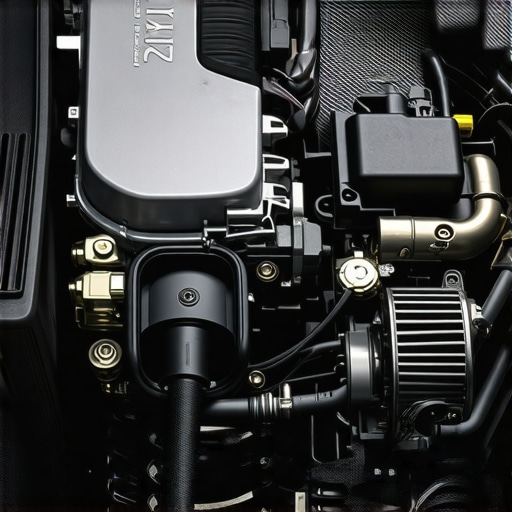
It was a cold morning when I turned the key, and my car refused to start. A sinking feeling hit me—had I overlooked something essential? That moment was a real eye-opener, revealing just how sneaky electrical drains can be. I thought I knew my car inside out, but those hidden culprits nearly left me stranded. If you’ve ever faced a sudden dead battery or struggled with inexplicable power issues, you’re not alone.
Why Your 2026 Battery Keeps Dying: The Hidden Culprits
Many drivers assume that a dead battery is just a matter of age or weather, but often, unseen electrical drains are behind the problem. These tiny power leaks can persist for weeks or months, quietly sapping your battery without obvious signs. The tricky part? They’re not always easy to spot without a keen eye and some know-how. I’ve been down that road and learned the hard way—early detection can save you hundreds.
Is My Car Repair Actually Worth the Hype or Just a Scam?
Early on, I made a costly mistake: I dismissed minor electrical flickers as no big deal, only to realize later that they indicated bigger issues. That oversight cost me extra in repairs and left me questioning whether I was being duped by mechanics. Trust me, having knowledge about what to look for is empowering—it’s the difference between a quick fix and a blown-up bill. For further insights, check our comprehensive guide on auto repair diagnostics.
So, how do we identify these silent battery killers before they drain your wallet and patience? Keep reading, because I’m about to share proven strategies that helped me still keep my batteries alive and kicking through the tricky 2026 season.
Identify Electrical Culprits Step-by-Step
Start by turning off all accessories and removing the key, then open your hood and disconnect the negative battery terminal. Use a multimeter set to amperes to test the current flowing from the battery; a reading above 50 milliamps indicates a drain. I once followed this simple step in my garage, and the meter showed an unexpected 200 milliamps, revealing a faulty alarm system that had been draining my battery for weeks.
Locating the Source of Power Drain
Next, systematically pull fuses one at a time while monitoring the multimeter. When the current drops significantly, you’ve pinpointed the circuit causing the drain. For example, I found my interior light circuit was stuck on due to a malfunctioning door switch, which I fixed immediately. This process is like unplugging sections of a device to see which component causes the issue, a straightforward way to identify hidden electrical leaks.
Addressing the Root Cause Effectively
Once identified, examine the component or wiring linked to that circuit. Using a wiring diagram specific to your 2026 model can speed this up. Replace or repair the faulty part, such as a burned relay or frayed wire. Remember, a faulty relay can be as sneaky as a bad connection hiding behind the scenes. After fixing, retest with the multimeter to ensure the drain has ceased. I once replaced a corroded relay that had been silently killing my battery, saving me costly repairs later and restoring peace of mind.
Maintaining Your Vehicle to Prevent Future Problems
Regularly inspecting battery cables for corrosion and ensuring tight connections can prevent sneaky drains from developing. Additionally, consider a periodic auto diagnostic scan to catch underlying issues early. In my experience, preventative checks, especially before seasons with harsh weather, safeguard against unexpected power failures. Check resources like auto repair diagnostics for tips tailored to the latest models and tech updates. Staying proactive keeps your car ready and saves money in the long run.
Another effective step is to monitor for any abnormal electrical behavior, such as flickering lights or unusual dashboard warnings. These may signal hidden problems like a failing alternator or faulty sensor. Addressing these early with proper diagnostics, as explained on expert diagnostics guides, can extend your vehicle’s lifespan. Maintenance is not just about fixing what’s broken but preventing problems from taking root, a lesson I learned through experience and careful attention.
Knowing When to Call in the Experts
Some issues might require specialist tools or expertise, especially when dealing with complex electrical systems. If after your tests, the problem persists or you’re unsure about interpreting readings, consult a professional. Skilled technicians can perform comprehensive diagnostics, akin to a doctor with specialized equipment, ultimately saving you time and potential damage. Don’t hesitate to explore trusted sources like auto repair tips for deciding when a professional is necessary. Knowing your limits and acting wisely can prevent costly repairs down the road.
Contrary to popular belief, many vehicle owners get the fundamentals of transmission maintenance wrong, often leading to costly repairs down the line. It’s a common myth that simply changing the fluid at regular intervals guarantees a healthy system; however, neglecting the nuances of transmission care can be a silent killer for your vehicle’s longevity. For instance, not addressing slight slipping or delayed engagement early can cause irreversible damage, a point highlighted in expert resources on transmission service strategies.
Don’t Fall for the ‘More Fluid Is Better’ Trap
Many drivers believe topping off transmission fluid or using generic additives will fix performance issues, but in reality, overfilling can lead to foaming and aeration, which impairs lubrication and accelerates wear. It’s a nuanced process where the type of fluid and correct fill levels matter immensely, something often misunderstood by side-of-the-road DIY attempts. Relying solely on fluid level checks without considering transmission temperature or fluid condition can be misleading, so be cautious about simplistic solutions. Regular, professional transmission diagnostics are essential, especially before problems manifest.
Mastering the Art of Detecting Early Transmission Problems
Advanced vehicle diagnostics go beyond the basic warning lights. Many drivers overlook subtle clues like uneven shifting, transmission shuddering, or a delayed response, which can indicate early failure points. Paying attention to these signs and addressing them promptly with expert diagnostics can save your repair budget. For example, a slight delay in gear engagement might seem minor but could signify issues with clutch packs or solenoids, according to auto repair diagnostics. Tackling such problems early prevents them from escalating into full-blown transmission rebuilds.
Why Overlooking the Transmission Cooler Could Cost You
Many overlook the importance of the transmission cooler, assuming it’s just an ancillary component. In reality, neglecting to keep the cooler clean and functional can lead to overheating, which significantly shortens transmission life. Regular inspection, especially in extreme weather conditions that stress cooling systems, is crucial. Incorporating coolant flushes and cooler checks into scheduled maintenance as recommended by industry experts can make a big difference. Remember, a well-maintained cooler helps maintain optimal operating temperatures, extending your transmission’s lifespan.
Look out for sneaky signs like a burning smell or transmission fluid leaks—these often signal deeper issues that need professional intervention. The key is a proactive approach, combining routine maintenance with a keen eye for early symptoms. This nuanced understanding can make all the difference between a smooth-running vehicle and an expensive repair nightmare. Curious about more advanced tips? Explore our top transmission repair tips for comprehensive strategies.
Have you ever fallen into this trap of ignoring early transmission signs? Let me know in the comments, and share your experiences so others can learn from them!
Maintaining your vehicle’s transmission and overall auto health requires more than just instinct—you need the right tools and a strategic approach. One of my favorite investments is a high-quality scan tool like the Autel MaxiScan MS309. It’s surprisingly affordable yet offers extensive diagnostic capabilities, allowing me to interpret error codes accurately and catch issues early before they escalate. Regularly connecting my scanner during routine checkups helps me stay proactive, especially with complex systems like constantly evolving transmissions. For deeper diagnostics, I rely on software like Mitchell 1 or AllData, which provide manufacturer-specific repair info and wiring diagrams, essential for precise repairs and tune-ups.
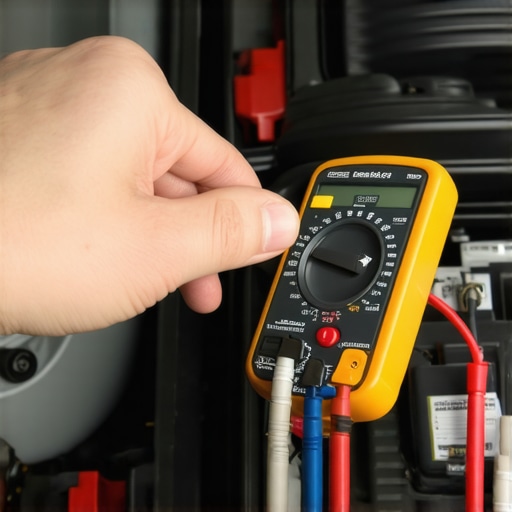
Beyond diagnostics, I swear by a good multimeter for electrical troubleshooting. A Fluke 115 multimeter, though pricier, gives me the precision I need to detect subtle electrical drains that can sneakily harm my battery over time. Inspections of battery terminals and wiring harnesses—combined with these digital tools—form the backbone of my maintenance routine, reducing unexpected breakdowns.
It’s imperative to document and monitor your findings. I keep a detailed maintenance log, noting the dates, issues identified, repair actions taken, and parts replaced. This record proves invaluable when diagnosing recurring problems or planning long-term upgrades.
Looking ahead, the trend is shifting toward integrated vehicle management systems and IoT-enabled diagnostics. As vehicles become smarter, tools that can interpret real-time data will become standard, enabling even more precise maintenance schedules.
### How do I maintain transmission health over time?
Adopting a consistent reminder system for fluid changes and software updates ensures my transmission remains smooth. I follow expert guidelines and schedules from trusted sources, regularly checking for updates via manufacturer portals. For example, a recent upgrade to my diagnostic workflow included utilizing a dedicated transmission scan tool like the Snap-On MODIS, which provides detailed live data streams and enhances troubleshooting efficiency.
Regularly testing the transmission fluid condition with a dipstick test kit helps me spot early signs of degradation—think burned smell or dark color—that indicate it’s time for a change. Additionally, I schedule periodic professional tune-ups, integrating advanced diagnostics as outlined in [expert transmission tune-up strategies](https://collisionfixer.com/expert-transmission-tune-up-strategies-for-peak-car-performance-in-2025). This proactive stance saves me costly repairs and ensures optimal performance.
I encourage every car owner to start integrating one of these tools into your routine today. A small investment in diagnostics can vastly improve your vehicle’s longevity and safety. For an immediate step, try performing a battery drain test using your multimeter to detect hidden electrical issues—it’s simple, effective, and can save you from being stranded unexpectedly.
What I Didn’t Know About Transmission Care Could Fill a Manual
One of my biggest lightbulb moments came when I realized that ignoring subtle transmission issues, like slight shudders or delayed shifts, often led to costly repairs. Promptly addressing these signs can save you hundreds, if not thousands, over time. Trusting the right diagnostic tools and knowing when to seek expert help turned out to be a game-changer in maintaining my vehicle’s longevity.
Resources That Transformed My Auto Maintenance Approach
Equipping myself with tools like the Autel MaxiScan MS309 provided real-time insights into my car’s health. Learning to interpret error codes with tools like Mitchell 1 gave me confidence in managing repairs early. These resources, combined with trusted advice from collisionfixer.com, have been invaluable in my auto maintenance routine.
Stepping Into Ownership With Confidence
Taking charge of my car’s health taught me that proactive maintenance, supported by the right diagnostics, is the best shield against unexpected breakdowns. Don’t wait for warning lights to turn red—start integrating simple checks and routine inspections today. Your vehicle—and your wallet—will thank you for it. What’s the first step you’re willing to take in your auto care journey? Share your thoughts below!
![4 Hidden Apps Draining Your 2026 Car Battery Overnight [Solved]](https://collisionfixer.com/wp-content/uploads/2026/03/4-Hidden-Apps-Draining-Your-2026-Car-Battery-Overnight-Solved.jpeg)