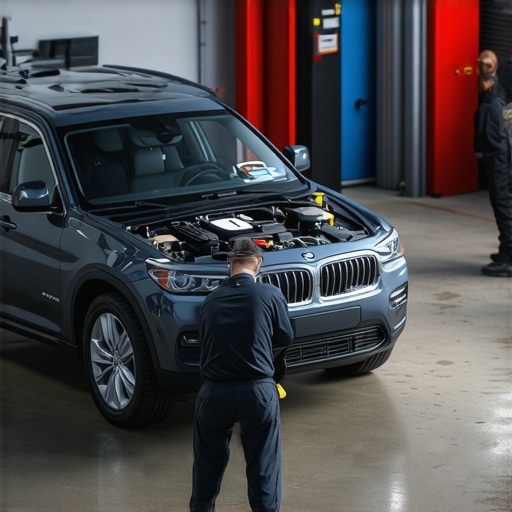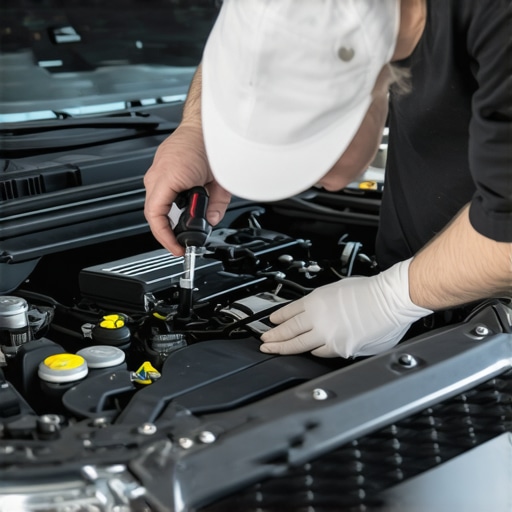
I remember the moment clearly. I was cruising down the highway, feeling good until my fuel gauge dipped faster than I expected. That sudden drop in gas mileage hit me like a punch in the gut. Turns out, I had been ignoring one seemingly small but incredibly crucial maintenance step for months—one that secretly saps your fuel efficiency and costs you hundreds over time. It was a lightbulb moment, and I knew I wasn’t alone.
In my years of auto repair experience, I’ve seen countless drivers overlook this vital step, thinking they’re saving time or money. Spoiler alert: they’re actually losing both. Today, I want to share what I’ve learned about this neglected car service step that kills gas mileage, especially as we gear up for 2026 models. Together, we’ll unravel why skipping this part can be a silent fuel drain—and more importantly, how you can fix it.
The Hidden Culprit Behind Poor Gas Mileage in 2026 Vehicles
Many drivers don’t realize that routine maintenance isn’t just about avoiding breakdowns; it’s about keeping your entire vehicle running efficiently, especially your transmission fluid and related systems. If these components aren’t maintained properly, your engine struggles to operate at peak performance, leading to excessive fuel consumption.
You might be asking, “Is this really that important? Can’t I just wait until my next big repair?” Trust me, I’ve made that mistake early in my career. Putting off regular checks often results in more costly repairs down the line, and in many cases, a significant dip in gas efficiency. For example, neglecting transmission service can cause slippage that makes your engine work harder—directly sipping more fuel.
To avoid such pitfalls, I recommend staying ahead with scheduled maintenance. For practical tips on maintaining your transmission system, check out our comprehensive guide [top transmission auto repair tips for 2025](https://collisionfixer.com/top-transmission-auto-repair-tips-for-2025-collisionfixer-7). It’s a game-changer for preserving your vehicle’s performance and saving you money.
Now, before we dive into the specific steps to prevent this fuel drain, consider whether you’ve faced unexplained drops in MPG lately. If so, you’re not alone—and it’s probably linked to this very issue. Let’s explore this further and see how you can keep your car running smoothly and efficiently for 2026 and beyond.
Drain the Old, Refresh the New
Start by locating your transmission fluid reservoir, usually under the hood. Use a qualified funnel or transmission flush machine to drain the existing fluid completely. Think of it as replacing old oil in your bike; the cleaner oil ensures smoother operation and prevents slippage that can sap your fuel mileage. For detailed procedures, visit top transmission system maintenance strategies for 2025. Ensure you’re using the manufacturer-recommended transmission fluid to avoid compatibility issues.
Check and Replace the Filter Regularly
Just like a coffee filter keeps grounds out of your cup, the transmission filter traps debris that can hamper performance. Locate the filter, typically accessible after removing the transmission pan, and inspect it for clogging or damage. If it looks grimy or worn, replace it to maintain proper fluid flow. Think of it as cleaning your air filters; a clear filter facilitates better fluid circulation, which translates into more efficient power transfer. For more detailed filter replacement techniques, see top transmission auto repair tips for 2025.
Adjust the Transmission Bands and Gears
Modern transmissions rely on precise band and gear adjustments. Using professional diagnostic tools, check for any slack or improper calibration. Misadjusted bands are like a loose belt; they cause slipping, leading to higher engine effort and fuel consumption. To fine-tune these components, follow procedures outlined in expert transmission tune-up strategies for peak car performance. Frequency of adjustment depends on vehicle usage, but inspecting every 20,000 miles is a good baseline.
Inspect and Replace Seals and Gaskets
Leaking seals create pressure issues and cause fluid loss, akin to a leaky tire pressure. Conduct a visual inspection around transmission seals and gaskets, looking for signs of oil leaks or deterioration. Replacing faulty seals prevents fluid loss and maintains optimal pressure, ensuring smooth gear shifts and reducing fuel waste. Use genuine parts to guarantee compatibility and longevity. For seal replacement instructions, refer to top transmission repair tune-up strategies.
Test Drive and Adjust Accordingly
After completing maintenance, take your vehicle for a test drive. Monitor how smoothly it shifts and listen for odd noises. During the drive, pay attention to shifting points and acceleration response. If the transmission feels slippy or shifts incorrectly, recheck your adjustments or visit a professional. Remember, a well-maintained transmission is like a well-orchestrated team—each component must operate in harmony to save fuel and enhance vehicle longevity. For troubleshooting tips, see top auto repair diagnostics tips for 2025. Keep this routine in your maintenance calendar to prevent costly repairs and unnecessary fuel drain in your 2026 models.Many drivers believe that sticking to basic oil changes and tire rotations is sufficient for maintaining their vehicle’s performance, but this oversimplifies what effective auto repair truly involves. A prevalent misconception is that the most expensive repairs happen only when something catastrophic occurs, leading many to delay critical diagnostics and preventive measures. However, as an experienced auto repair professional, I can tell you that neglecting nuanced service details—like transmission system checks or detailed diagnostics—can silently erode your vehicle’s efficiency and safety over time.
One sneaky myth is that “if it isn’t broken, don’t fix it.” This mindset might work for appliances, but cars demand proactive maintenance, especially with modern vehicles moving toward complex computer-controlled systems. Overlooking signals like subtle shifts or engine hesitation can escalate into costly repairs if caught too late. For example, failing to perform regular diagnostics can hide underlying issues such as transmission slippage or sensor failures that deteriorate vehicle health and increase fuel costs.
Here’s a crucial nuance often missed: the importance of understanding the interconnectedness of systems. A simple transmission fluid change isn’t just about preventing gear slipping; it affects fuel efficiency, engine performance, and even safety features. Many are unaware that ignoring transmission seals or gaskets can lead to leaks, pressure drops, and subsequent component wear—costly mistakes that could have been avoided with regular, detailed inspections.
**Are most people getting the right subtle signs?** Many miss early warning signs like uneven shudders or delayed shifting, which are indicators of more serious issues ahead. Advanced diagnostics, including sensor calibration and component testing, can identify these early, saving you money and downtime. In fact, experts emphasize that timely transmission checks significantly reduce the risk of major failures.
Another trap is neglecting the importance of expert tune-ups tailored to your vehicle’s specific model and driving habits. Routine tune-ups don’t just keep your car running smoothly—they optimize fuel efficiency and prolong your car’s lifespan. Overlooking these can lead to unnecessary wear, increased emissions, and higher long-term costs.
In summary, tackling car maintenance myths involves recognizing that every component plays a role in overall performance. Skipping detailed diagnostics or preventative tune-ups might seem like saving a few dollars now but can lead to much greater expenses later. Staying informed and proactive ensures your vehicle remains reliable and efficient. Have you ever fallen into this trap? Let me know in the comments and share your experiences.
Keep Your Car Running Smoothly with the Right Tools
Maintaining your vehicle over the long term requires more than just basic knowledge; it demands precision tools that enable you to diagnose, repair, and optimize performance efficiently. One of my top recommendations is investing in a high-quality automotive scan tool—specifically, the OBD2 scanner. I personally prefer models like the BlueDriver Bluetooth Professional OBDII Scan Tool because of its reliability, user-friendly app interface, and comprehensive diagnostic capabilities. It allows me to access real-time data, clear error codes, and monitor sensor functions, which are crucial for detecting transmission issues early and preventing costly repairs.
Alongside the scan tool, I rely heavily on a digital multimeter for electrical diagnostics. This simple yet essential device helps me check voltage levels, battery health, and wiring integrity. Over time, I’ve found that having a precision multimeter with auto-ranging and data hold features streamlines troubleshooting and ensures that my vehicle remains in peak condition.
Utilize Software for Proactive Maintenance
Automotive diagnostic software has evolved rapidly, and I use programs like top auto repair diagnostics tips for 2025 to stay ahead of potential issues. These tools offer insights into sensor calibration, transmission performance, and system errors that are invisible to the naked eye. For instance, regular software updates can improve diagnostics accuracy and help predict component failures before they happen, saving time and money in the long run.
Regular Calibration and System Checks
Beyond tools, adopting a systematic approach to calibration is vital. I schedule routine checks on critical systems such as transmission sensors, engine control modules, and emission controllers. Using diagnostic tools, I verify that data streams align with manufacturer specifications. This helps identify subtle deviations that could signal early wear or misalignment, especially as vehicles approach 2026 model updates. Continuous calibration ensures the longevity of your transmission and maintains optimal fuel efficiency.
How do I maintain my vehicle’s systems over time?
Consistent use of professional-grade diagnostic tools, combined with manual inspections, forms the backbone of effective long-term maintenance. I recommend setting a bi-annual schedule to run comprehensive diagnostics, review sensor readings, and clean or replace filters as needed. Keeping detailed records of these check-ups helps you track trends and predict when parts might need attention. For more detailed procedures, consider following top transmission system maintenance strategies for 2025. By proactively addressing minor issues, you prevent major failures and keep your vehicle performing at its best for years to come.
As technology advances, I predict that integrating AI-driven diagnostic tools will become standard, enabling even more precise maintenance schedules. Embracing these innovations now will give you a significant advantage in avoiding unexpected breakdowns and costly repairs.
Start implementing a regular diagnostic routine today—perhaps by integrating an advanced scanner into your maintenance plan—and notice how much smoother your vehicle runs. Remember, staying ahead with the right tools is the key to long-term vehicle health and performance.

Every time I think I’ve seen it all in auto repair, a new lesson pops up—especially when it comes to maximizing fuel efficiency and preventing costly repairs. The most valuable insights often come from those lightbulb moments, like realizing that neglecting transmission system health can silently sap your gas mileage. My deepest tip is to stay proactive with detailed diagnostics and regular tune-ups, because early detection can save you thousands—and keep your vehicle running like new well into 2026 and beyond.
What I Wish I Knew Before Letting My Guard Down
Small oversights add up fast. Missed transmission checks or delayed sensor calibrations seem minor until they cause major issues—trust me, I’ve been there. The biggest lesson? Consistent, expert diagnostics enable you to catch issues before they cost you. For example, using software like top auto repair diagnostics tips for 2025 can be a game-changer.
Every component communicates in whisper tones. When a sensor starts misbehaving or a gasket leaks, your entire vehicle responds—often with decreased fuel efficiency. Recognizing these early signs isn’t just about avoiding breakdowns; it’s about unlocking savings and peace of mind.
The power of precise calibration cannot be underestimated. Regularly checking and recalibrating transmission sensors ensures your system operates smoothly, preventing unnecessary fuel consumption. Incorporate systematic calibration routines into your maintenance plan, guided by detailed procedures from expert transmission tune-up strategies for 2025.
Trust only proven tools and resources. Investing in high-quality diagnostic tools like the BlueDriver Bluetooth Professional OBDII Scan Tool has saved me countless hours and money. Paired with software updates, these tools position you ahead of engine and transmission issues, particularly as 2026 models make diagnostics even more critical.
Regular maintenance is your ally for longevity. Scheduling bi-annual push-button diagnostics and system checks keeps your car performing at its peak, saving you from surprise breakdowns and expensive repairs. It’s about being in control and turning preventive care into savings victory.
Tools of the Trade for Future-Proofing Your Ride
My essential toolkit includes not only a premium OBD2 scanner but also a digital multimeter—these are the unsung heroes of home auto repair. With cutting-edge diagnostic software, I can preemptively catch misalignments and sensor failures. Staying updated with transmission maintenance strategies further sharpens my approach, boosting both fuel efficiency and safety.
Going Beyond the Routine to Keep Your Car in Top Gear
Advanced calibration protocols, systematic inspections, and proactive diagnostics aren’t just maintenance—they’re investments in your vehicle’s future. As technology evolves, especially with the impending 2026 models, embracing innovative tools like AI-driven diagnostics will become standard. My advice? Start today—integrate a reliable scanner into your routine, stay educated, and keep your vehicle ahead of the curve.
What I Learned Could Save You Thousands—Are You Ready?
Don’t let hidden issues quietly drain your fuel economy or turn into expensive repairs. By understanding and applying deep diagnostics and targeted maintenance, you’re not just preserving your car—you’re transforming your driving experience into a smarter, more cost-effective journey. Remember, proactive steps today lead to smoother rides tomorrow.
What’s the first maintenance step you plan to take this week to boost your 2026 vehicle’s performance? Share your thoughts below—I’d love to hear about your journey toward smarter auto care!
.