Ever had that sinking feeling when your car suddenly shudders to a halt, or you notice your transmission slipping just when you need to get somewhere important? I remember the exact moment I ignored some warning signs, only to face costly repairs later. It’s a common story among car owners, and honestly, it’s a mistake I don’t want you to make. That light on your dashboard might seem minor now, but ignoring it can lead to serious headaches down the road. Today, I’m going to share some essential tips that will help you stay ahead of auto issues in 2025 and beyond.
Why Staying Proactive with Your Car Matters More Than Ever
Vehicles are becoming smarter, but they also demand more attention from us car owners. With advancements in technology, the cost of neglect can skyrocket fast. Regular maintenance and understanding the signs of trouble can save you hundreds, if not thousands, of dollars. Plus, a well-maintained car is safer, more reliable, and better for the environment. Trust me, I’ve learned the hard way that catching issues early is always cheaper and less stressful than waiting until you’re stranded on the side of the road. In fact, according to a recent study, proper vehicle maintenance can extend the lifespan of your car by up to 30%. That’s a huge incentive to get familiar with the latest auto repair tips for 2025.
Is DIY Auto Repair Actually Worth the Hype?
I used to think I could handle everything myself, but early on, I made the mistake of trying to fix my transmission without proper knowledge. It turned into a bigger mess, costing me more time and money. Now, I know the value of expert advice—like those found in top auto repair tips for 2025. If you’re considering tackling repairs yourself, make sure you’re well-informed, or you might end up doing more harm than good. Sometimes, trusting professionals is the smartest move, especially with complex systems like transmissions and collision repairs.
So, if you’ve ever faced the frustration of unexpected breakdowns or just want peace of mind, stick around. We’re about to dive into proven strategies that will keep your vehicle in peak condition, help you avoid costly repairs, and ensure your safety on the road. Ready to become your car’s best friend? Let’s get started with the essentials that every driver should know for 2025.
Inspect Your Fluid Levels Regularly
Think of your car’s fluids as the blood that keeps it alive and thriving. During my last tune-up, I checked my transmission fluid and noticed it was darker than usual. A quick top-up and flush, guided by auto repair tips for 2025, prevented potential transmission issues. Regularly inspecting oil, coolant, brake fluid, and transmission fluid can catch leaks or contamination early, saving you from expensive repairs later.
Follow a Consistent Maintenance Schedule
Creating a maintenance calendar is like setting a health schedule for your car. I started my routine with a simple checklist based on my vehicle’s manual, which I found detailed in best car maintenance tune-ups for 2025. This included oil changes, tire rotations, and brake inspections. Sticking to this schedule ensures vital components like your transmission, brakes, and engine remain in top shape, reducing the chance of breakdowns.
Learn to Recognize Early Warning Signs
Pay attention to subtle signals from your vehicle, like strange noises or vibrations. Once, my car started to shudder during acceleration; I used auto repair diagnostics tips to pinpoint the issue, which turned out to be a worn-out transmission mount. Addressing these signs early, such as dashboard warning lights or unusual sounds, can prevent minor problems from escalating into major repairs.
Use Quality Parts and Tools for DIY Repairs
If you’re tackling repairs yourself, invest in high-quality parts and tools. I once attempted to replace my air filter with cheap parts, which led to poor performance. After consulting collision fixer repair strategies, I learned that using OEM components ensures longevity and optimal performance. Proper tools and genuine parts are crucial for safe, effective repairs, especially for complex systems like transmissions and collision repairs.
Schedule Professional Check-Ups
While DIY maintenance helps, professional inspections are irreplaceable. I booked a comprehensive check-up before a long road trip, which caught a minor transmission misalignment. This proactive step, recommended in auto repair tips for 2025, keeps your vehicle reliable and safe. Regular professional diagnostics can identify issues hidden to the untrained eye, ensuring your car remains in peak condition.
Many car owners fall into common misconceptions that can lead to costly mistakes. For instance, a widespread myth is that ignoring dashboard warning lights isn’t a big deal. In reality, those signals are your vehicle’s way of communicating serious issues that, if left unaddressed, can cause extensive damage. Understanding the nuances behind these warnings is crucial, especially as vehicles become more sophisticated with advanced diagnostics. Relying solely on the idea that “if it isn’t bothering me, it’s fine” can trap you into expensive repairs later. Regular check-ups and paying attention to early signs can save you a lot of grief. Have you ever fallen into this trap? Let me know in the comments.
Why Do People Overlook Transmission Maintenance
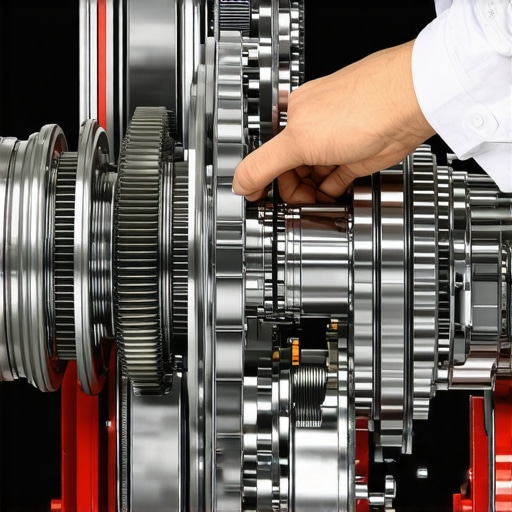
A common mistake is neglecting transmission service until symptoms become severe. Many believe that transmission fluid lasts forever, but this is a dangerous misconception. Modern vehicles require specific intervals for fluid changes, often much sooner than owners expect. Skipping these can lead to transmission slipping, overheating, or complete failure—costing thousands to repair. Experts suggest that proactive transmission maintenance, including system diagnostics, can prevent these issues. For example, systematic transmission checkups are essential for longevity. Don’t wait until a warning light appears—regular service keeps your transmission smooth and reliable.
What Advanced Mistakes Are Most Drivers Missing in Auto Repair
One overlooked aspect is the importance of using high-quality parts and tools, even for DIY repairs. Many enthusiasts assume that cheap replacements will do, but this often backfires. OEM parts and professional-grade tools are designed to meet precise specifications, ensuring durability and safety. For instance, replacing your brake components with inferior parts can compromise your safety, especially during emergency braking. According to industry experts, investing in quality components and proper diagnostics, such as those outlined in auto repair tips for 2025, is a smart move. Cutting corners here may save money short-term but risks expensive repairs and safety hazards in the long run. Think of it as an investment in your vehicle’s future performance.
In conclusion, the hidden nuance is that auto repair is as much about mindset as it is about mechanics. Challenging these myths and understanding the true importance of timely, quality service can dramatically extend your car’s lifespan and reliability. Stay informed, use expert advice, and don’t fall into the trap of complacency. Your vehicle—and your wallet—will thank you.
Maintaining your vehicle over time requires more than just routine check-ups; it demands the right tools, software, and methods to ensure longevity and optimal performance. Over the years, my approach has evolved from using basic manual tools to integrating advanced diagnostic systems that save me time and money. Let me share some specific equipment and techniques I personally swear by, which can help you keep your car running smoothly well into 2025 and beyond.
Invest in a Quality OBD-II Scanner for Accurate Diagnostics
One of the most transformative tools I’ve added to my auto repair arsenal is a high-quality OBD-II scanner. This device connects to your car’s diagnostic port and provides instant insights into engine, transmission, and other system issues. I prefer models that offer live data streaming and freeze-frame data—features that help me quickly identify problems before they escalate. For instance, catching a transmission sensor fault early can prevent costly repairs. I recommend models compatible with mobile apps, which allow for detailed analysis and trend tracking over time.
Utilize Digital Torque Wrenches to Ensure Proper Tightening
When working on critical components like your transmission or suspension, using a digital torque wrench guarantees precise tightening—something I learned the hard way after damaging a transmission bolt due to guesswork. These tools connect to your smartphone or display digital readouts, ensuring you meet manufacturer specifications. This level of precision extends component lifespan and prevents future failures, especially as vehicles become more sensitive to improper assembly.
Adopt Software for Maintenance Scheduling and Record-Keeping
Staying on top of maintenance schedules is easier with dedicated software. I personally use a cloud-based app that tracks oil changes, fluid flushes, and part replacements, alerting me when service is due. This proactive approach aligns with auto repair tips for 2025 and ensures my transmission and other systems receive timely care. Digital records also help when consulting professionals or selling the vehicle later.
Embrace Advanced Cleaning and Lubrication Methods
Maintaining your transmission and other moving parts isn’t just about replacing fluids; it’s also about cleaning and lubrication. I use ultrasonic cleaning devices for small parts like sensors and connectors, which removes grime and corrosion that can impair function. For lubrication, I prefer synthetic lubricants that resist breakdown over time, extending service intervals. This meticulous approach is vital as vehicles evolve with tighter tolerances and sensitive components.
Where Is the Future of Car Maintenance Heading?
Looking ahead, I predict an increasing reliance on AI-driven diagnostics and predictive maintenance systems. These innovations will analyze data from sensors in real-time, alerting you to potential failures before symptoms appear—saving time and money. To stay ahead, I recommend embracing these technologies now, such as integrating advanced diagnostic tools and software that monitor your transmission’s health continuously.
To start, try upgrading your current diagnostic setup with a model that offers live data analysis—it’s a game-changer that can prevent major issues. Keeping your car in peak condition isn’t just about fixing problems; it’s about leveraging technology and precise tools to prevent them altogether. Ready to upgrade your maintenance game? Invest in the right tools today and enjoy a safer, more reliable ride tomorrow.
Three Lessons That Changed My Auto Repair Approach
- Don’t underestimate small issues: I once ignored a squealing brake pad, thinking it was minor. That led to a complete brake system overhaul. Now, I always address early warning signs, knowing they often signal bigger problems ahead.
- Invest in quality tools and parts: Cheap parts saved me money initially but caused more damage down the line. Trusting OEM parts and professional tools, like those recommended in auto repair tips for 2025, is a game-changer for longevity and safety.
- Regular diagnostics save money: Using an OBD-II scanner has helped me catch transmission issues early, saving thousands. It’s a small investment that pays huge dividends over time.
My Go-To Resources for Auto Repair in 2025
- High-quality diagnostic tools: The latest auto repair tips guide provides insights into choosing the best scanners and diagnostic systems.
- Professional repair manuals: I trust OEM manuals for precise instructions, especially for complex systems like transmissions and collision repairs, which you can find through trusted auto parts suppliers.
- Expert tutorials and forums: Online communities offer real-world advice and troubleshooting tips, invaluable when dealing with tricky repairs or diagnostics.
Seize the Moment and Take Control of Your Car’s Future
Auto repair is evolving rapidly, and the best way to stay ahead is to embrace new technology, maintain consistent schedules, and never ignore early signs. Your vehicle is more than just a machine—it’s a vital part of your life. By applying these lessons now, you’re setting yourself up for safer, more reliable driving in 2025 and beyond. Ready to get started with smarter auto care? Your journey to a longer-lasting, better-performing vehicle begins today.

![Why Your 2026 Transmission Jerks at Low Speeds [Quick Fix]](https://collisionfixer.com/wp-content/uploads/2026/02/Why-Your-2026-Transmission-Jerks-at-Low-Speeds-Quick-Fix.jpeg)