
I’ll never forget that sinking feeling when I started my car one chilly morning last winter, only to hear a strange clunk and a sluggish start. It was a wake-up call that I’d been neglecting my vehicle’s needs. That moment made me realize how crucial regular maintenance is—especially with cars evolving so rapidly. If you’re like me, you probably want to avoid those surprise breakdowns and costly repairs, right? Well, the good news is, with the right tune-up strategies, you can keep your car running smoothly well into 2025 and beyond.
Why Car Tune-Ups Matter More Than Ever in 2025
Technology in cars is advancing at lightning speed. Modern vehicles are packed with sensors and computer systems that require precise maintenance to function optimally. Skipping routine tune-ups can lead to decreased fuel efficiency, increased emissions, and even safety risks. According to a recent study, poorly maintained engines can reduce fuel economy by up to 15%, which adds up quickly at the pump. That’s why staying ahead with proactive care isn’t just a good idea—it’s a smart move for your wallet and your safety.
Is All the Hype About Car Maintenance Actually Worth It?
Early on, I made the mistake of ignoring small issues, thinking they weren’t urgent. But neglecting simple tasks like fluid changes or filter replacements can snowball into major problems. For example, I once postponed a transmission fluid service, and it ended up costing me a lot more than a simple flush. I learned that consistent, targeted maintenance—like following expert advice on auto repair tips for better vehicle longevity—is essential for avoiding those costly surprises.
Today, I want to share practical, proven strategies to ensure your car stays in top shape throughout 2025. From essential tune-up routines to the latest innovations, I’ll guide you through what works best based on real-world experience and industry insights. Ready to take control of your vehicle’s health? Let’s dive into the key maintenance practices that will keep your ride reliable and efficient for years to come.
Replace Fluids Before They Cause Damage
Think of your car’s fluids as the bloodstream that keeps everything running smoothly. I vividly remember one winter when I neglected my coolant; the engine was on the verge of overheating during a long drive. After that, I started scheduling regular fluid checks. To do this effectively, I recommend checking your oil, coolant, transmission fluid, and brake fluid monthly, especially before big trips. Use a clean rag to inspect fluid levels and color—dark, dirty fluids are a sign you need a flush. For transmission fluid, it’s crucial to follow transmission repair strategies to ensure smooth gear shifts and prevent costly repairs. If you’re unsure how to check, most vehicles have dipsticks or reservoir indicators—consult your owner’s manual or a trusted mechanic for guidance.
Keep Your Filters Clear for Better Performance
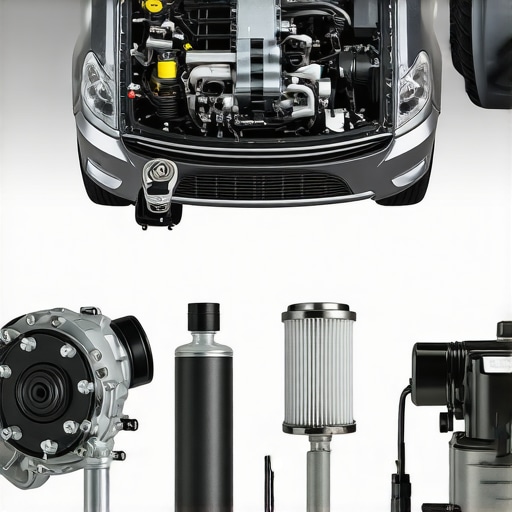
Clogged filters are like a blocked nose—they hinder airflow and reduce efficiency. Once, I ignored my air filter until my fuel economy dropped noticeably. Replacing filters is straightforward and inexpensive. First, locate your air filter—usually in the engine bay—and remove it. If it’s dirty or clogged, replace it with a new one. Don’t forget cabin filters, which affect air quality inside your vehicle. Regular filter replacements boost engine performance and cabin comfort. For expert tips, check out auto repair tips for better vehicle longevity on filter maintenance.
Optimize Spark Plugs to Ignite Power
Sparks fly in your engine—literally. Old or worn spark plugs can cause misfires, reduced power, and higher emissions. I once postponed spark plug replacement, leading to rough idling and poor acceleration. Replacing spark plugs is simple: disconnect the old ones, check the gap, and install new plugs according to your vehicle’s specifications. Use a torque wrench to avoid over-tightening. Well-maintained spark plugs ensure your engine runs efficiently and smoothly. For detailed guidance, see auto diagnostics tips and learn how proper ignition system care improves performance.
Inspect and Maintain Your Battery
Your car’s battery is its power source. I learned this the hard way when my battery failed unexpectedly on a cold morning. To prevent this, regularly check for corrosion on terminals, clean them with a wire brush, and ensure connections are tight. Test your battery’s voltage with a multimeter—anything below 12.4 volts signals a need for replacement. Also, keep an eye on the age; most batteries last 3-5 years. For a comprehensive battery care routine, visit auto diagnostics for expert advice.
Schedule Professional Tune-Ups for Peak Performance
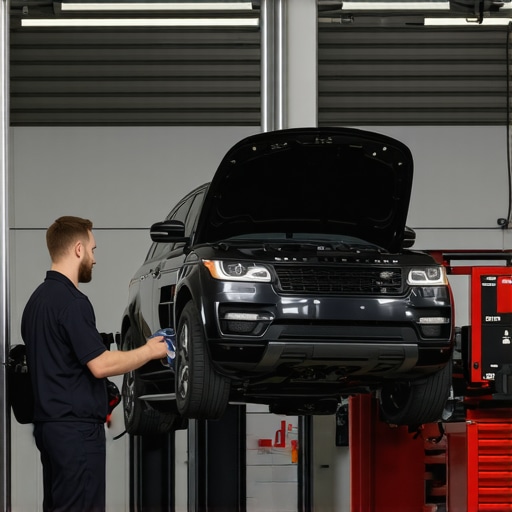
While many maintenance tasks are DIY-friendly, some require specialist tools and knowledge. I once tried to perform a full tune-up myself but missed a crucial timing adjustment, which affected engine performance. That’s when I decided to schedule regular professional tune-ups. A qualified mechanic can perform thorough inspections, adjust timing, and calibrate systems for optimal operation. For the latest in tune-up strategies, explore peak performance tune-up tips for 2025. Remember, proactive maintenance saves money and extends your vehicle’s lifespan.
Many car owners operate under misconceptions that can lead to costly mistakes. Let’s dig deeper into some of the most prevalent myths about vehicle maintenance that you might still believe, despite evidence suggesting otherwise. Being aware of these nuances can save you time, money, and keep your car running smoothly for years to come.
Is Regular Oil Change Really Necessary Every 3,000 Miles?
While traditional advice has emphasized changing your oil every 3,000 miles, modern engines and synthetic oils have shifted this paradigm. According to industry experts, many vehicles now can go 5,000 to 7,500 miles between oil changes, and some high-end models even longer. The key is following your manufacturer’s recommendations, which are based on rigorous testing and tailored to your specific vehicle. Rigidly sticking to the old 3,000-mile rule might lead to unnecessary oil changes, wasting money and resources. Always check your owner’s manual or consult trusted sources like auto repair tips for better vehicle longevity.
Replacing Coolant and Fluids Only When They Look Dirty
Many believe that if coolant or transmission fluid appears clean, it’s still effective. However, fluids can degrade chemically and lose their protective properties without changing color or clarity. Over time, contaminants and corrosion inhibitors break down, increasing the risk of engine overheating or transmission failure. Regularly scheduled flushes—based on your vehicle’s maintenance schedule—are critical. Don’t fall into the trap of waiting until you see visible dirt; instead, trust recommended intervals and professional diagnostics, as outlined in transmission repair strategies.
Skipping Tire Rotations Will Save You Time and Money
This is a common misconception. Many think tire rotations are optional or only necessary if there’s uneven wear. In reality, regular rotations promote even tire wear, extend the lifespan of your tires, and improve fuel efficiency. Neglecting this simple maintenance step can lead to premature tire replacement and compromised safety. Pay attention to your owner’s manual for rotation intervals, typically every 5,000 to 7,500 miles. And if you want to maximize your tire performance, check out auto repair tips for better vehicle longevity.
Advanced Question: How Can I Detect Hidden Transmission Problems Before They Become Catastrophic?
Great question! Many drivers overlook subtle signs of transmission issues until they manifest as major failures. Symptoms like slipping gears, delayed engagement, or unusual noises often indicate underlying problems. Modern vehicles equipped with sensors can detect early signs of transmission wear, but not everyone has access to sophisticated diagnostics. Regular inspections and proactive maintenance—such as transmission system maintenance—are your best bets. Also, paying attention to fluid levels and color can offer clues; dark, burnt-smelling transmission fluid is a red flag. Staying ahead with professional tune-ups can prevent costly repairs and ensure your transmission runs reliably for years.
Keeping your vehicle running smoothly over time requires more than just routine checks; it demands the right tools and methods. Personally, I rely on a combination of professional-grade diagnostic equipment and high-quality maintenance products to ensure my car stays in top shape. Investing in these tools has paid off by catching issues early and saving money on repairs. As automotive technology evolves, so do the tools needed to maintain it. I predict that in the coming years, smart diagnostic systems integrated with mobile apps will become standard, making maintenance more accessible and precise for everyone.
How do I maintain my car’s performance over time?
One of my go-to tools is the OBD-II scanner, which allows me to read engine codes instantly. I use a Bluetooth-enabled device connected to my smartphone, giving me real-time data and alerts about potential issues before they escalate. For example, if the scanner detects a misfire or sensor malfunction, I can address it promptly, often avoiding costly repairs. I also keep a set of quality hand tools—socket wrenches, screwdrivers, and torque wrenches—so I can perform basic tasks like replacing filters or spark plugs without unnecessary trips to the mechanic. When it comes to fluids, I prefer synthetic oils and high-grade coolant, which I buy from trusted suppliers. These products tend to last longer and perform better under demanding conditions.
For more advanced diagnostics, I use professional-grade software that interfaces with my vehicle’s ECU, enabling me to fine-tune settings and run detailed system checks. This approach aligns with expert advice found in auto repair tips for better vehicle longevity. Regularly updating my diagnostic tools and software ensures I stay ahead of emerging issues, especially as vehicles incorporate more electronic components. Additionally, I schedule annual professional inspections where mechanics use specialized equipment to perform comprehensive system analyses, including transmission and brake diagnostics.
In the future, I believe connected car systems will enable remote diagnostics and predictive maintenance, further simplifying long-term vehicle care. For now, mastering the use of a reliable OBD-II scanner and maintaining a well-stocked toolkit remains one of the best ways to keep your car performing at its best. I encourage you to try integrating a Bluetooth diagnostic device into your routine—it’s a game-changer for early problem detection and peace of mind.
The Hardest Lesson I Learned About Car Tune-Ups
One of my biggest revelations came when I realized that not all maintenance routines are created equal. I used to believe that sticking to the basic oil change schedule was enough, but I learned the hard way that neglecting deeper diagnostics and system checks can lead to costly breakdowns. That lightbulb moment taught me to embrace comprehensive tune-up strategies, including transmission and ignition system checks, which I now consider essential for long-term vehicle health.
3 Myths About Car Maintenance That Held Me Back
For years, I bought into myths like “coolant only needs changing if it looks dirty” or “tire rotations are optional.” These misconceptions almost cost me dearly. The truth is, fluids degrade chemically over time, regardless of appearance, and regular tire rotations are critical for even wear and safety. Dispelling these myths was a game-changer, empowering me to adopt proactive maintenance habits that keep my car running smoothly and safely.
What Experts Won’t Tell You About Maintaining Your Car in 2025
Many auto professionals are now emphasizing the importance of integrated diagnostic tools that can detect issues before symptoms appear. I personally rely on Bluetooth-enabled OBD-II scanners to monitor my engine’s health in real-time. Additionally, experts recommend regularly updating your vehicle’s software and staying ahead of emerging electronic systems. These insights have helped me avoid surprises and keep my car performing at its best well into 2025 and beyond.
Curated Recommendations for Smarter Car Care
- Auto Diagnostic Tools: I trust the latest Bluetooth OBD-II scanners because they connect seamlessly with my smartphone, allowing me to catch issues early. This investment pays off by preventing costly repairs.
- Professional Tune-Up Services: Regular visits to qualified mechanics ensure my vehicle gets thorough system checks, including calibration and system diagnostics, which I can’t do myself.
- Educational Resources: The articles on auto repair tips for better vehicle longevity have significantly improved my understanding of maintenance schedules and best practices.
Your Next Step to Better Vehicle Maintenance
Taking control of your car’s health is within reach. With the right tools, knowledge, and proactive mindset, you can extend your vehicle’s lifespan and save thousands on repairs. Remember, a well-maintained car isn’t just about avoiding breakdowns; it’s about enjoying safer, more reliable driving every day. So, why wait? Start implementing these strategies today and experience the difference yourself!

Emily Carter
Reading this post really hit home for me, especially the part about regularly checking and replacing car fluids. I used to think as long as the engine seemed fine, everything was okay. But after a cold start one winter morning, my engine barely made it and I realized I’d neglected coolant and oil checks. Since then, I’ve started setting reminders to check fluid levels monthly, particularly before long trips. It’s surprising how small routine tasks like these can prevent major headaches later on. Also, I’ve recently invested in a Bluetooth OBD-II scanner, which makes monitoring engine health much easier and helps catch issues early. It’s a game-changer for someone like me who isn’t a mechanic but wants to stay on top of car maintenance. How do others balance DIY checks with professional tune-ups, especially with the complexity of modern vehicles? Would love to hear your tips and experiences.
Benjamin Foster
This post really emphasizes how vital regular maintenance has become with the rapid technological advancements in vehicles today. Having recently switched to synthetic oils and scheduling quarterly professional inspections, I’ve noticed my car runs more smoothly and fuel efficiency has improved. One thing I’ve learned is that modern cars often have complex electronic systems that need routine calibration, which DIY checks might miss. I also make it a point to stay updated with manufacturer recalls and software updates, as these can sometimes affect overall performance. I’m curious, how many of you use connected diagnostic tools or apps that sync with your vehicle’s ECU? I find that proactive approaches like using these tech tools help catch potential issues early, saving money and preventing breakdowns. For those still hesitant about moving from DIY to professional care, what has been your experience? Do you find that a hybrid approach works best?