It was a warm Saturday afternoon when I finally admitted defeat. My car stuttered and lurched during my usual weekend drive, and I couldn’t shake the feeling that I was throwing money into the gas tank without getting much back. That moment was a lightbulb—these little mishaps in car maintenance can secretly sabotage my fuel efficiency, and I had no idea.
How Small Car Service Oversights Are Draining Your Wallet
If you’re like me, you might think that regular refueling and maybe a tune-up now and then are enough to keep your car running smoothly and efficiently. But what if those unnoticed mistakes in your routine maintenance are quietly raising your gas expenses? The truth is, skipping or rushing certain service steps can lead to poorer mileage, more emissions, and even costly repairs down the line. And in 2026, with fuel prices still fluctuating, optimizing your car’s performance is more critical than ever.
I’ve learned from my own missteps—like neglecting a simple air filter change—that caring for your vehicle involves more than just filling up at the pump. According to recent studies, improper maintenance can reduce fuel efficiency by up to 30%. That’s enough to significantly dent your savings over the year. So today, I want to share the common mistakes I made early on, which I now know are major culprits behind gas guzzling, and how you can avoid them.
Is Regular Maintenance Really Worth the Effort?
Honestly, I used to think some of these tune-ups and inspections were optional or only if something was visibly wrong. But skipping routine checks like tire pressure, oil quality, or transmission fluid levels can lead to increased fuel consumption and even dangerous breakdowns. When I ignored my transmission warning signs, for example, I ended up with worse mileage and costly repairs. Trust me, it’s better to catch issues early—the same way a professional mechanic [recommends](https://collisionfixer.com/effective-auto-repair-diagnostics-top-tips-for-peak-2025-vehicle-performance).
Are you experiencing unexplained drops in your gas mileage or strange car behaviors? If so, you’re not alone. Let’s explore the specific car service mistakes that could be silently draining your fuel budget—and how to fix them before it’s too late.
Stop Wasting Fuel: The Top 7 Mistakes to Avoid
Check and Replace Your Air Filter Regularly
During a busy Saturday, I recall pulling over to swap out my grimy air filter after noticing sluggish acceleration. Think of the air filter as a mask preventing dirt from entering your lungs; in your car, it stops debris from clogging your engine. A clogged air filter restricts airflow, causing your engine to work harder and consume more fuel. To prevent this, set a reminder every 12,000 to 15,000 miles to inspect and replace your air filter. For a quick DIY, locate the filter housing, remove the old filter, and insert a new one—clear and simple. Skipping this step is like trying to breathe through a clogged straw, leading to inefficient combustion and higher gas bills. For detailed guidance, visit this comprehensive tune-up guide.Many car enthusiasts believe that routine maintenance is straightforward, but let’s dig deeper into some common misconceptions that can trip up even seasoned drivers. A prevalent myth is that only major repairs, like transmission overhauls, truly matter. In reality, the small details—like timely fluid changes or proper tire alignment—play a critical role in vehicle longevity. Overlooking these nuances can lead to costly repairs down the line, as emphasized by experts in effective auto repair diagnostics. For example, neglecting transmission warning signs can compound minor issues into major failures, reducing performance and safety.
What Do Advanced Drivers Overlook When Maintaining Their Cars?
One advanced mistake is assuming that a quick visual inspection suffices. Actual diagnostics often reveal hidden problems invisible to the naked eye, such as minute leaks or early-stage component wear. Relying solely on visual cues might cause you to miss early indicators of transmission issues or other system failures. This oversight underscores the importance of comprehensive diagnostics, which can detect problems before they escalate. To master this, consider consulting expert maintenance strategies and scheduling regular system checks, as recommended by top auto repair specialists. For a detailed approach, explore collisionfixer’s top tips for peak vehicle performance and understanding critical signs of transmission health. Remember, diligent, advanced diagnostics save money and boost safety; don’t fall into the trap of complacency. Have you ever fallen into this trap? Let me know in the comments.
Investing in Quality Diagnostic Tools for Reliable Maintenance
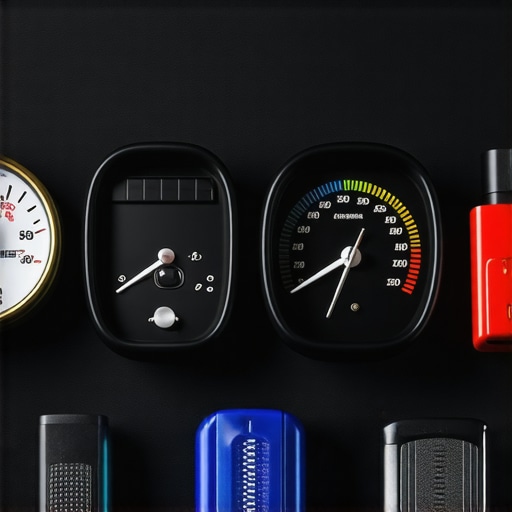
Personally, I rely on an OBD-II scanner like the BlueDriver to diagnose issues early. It’s a portable device that connects seamlessly to my smartphone, providing real-time data and code readings. This tool has saved me countless trips to the mechanic by catching transmission warning signs early, as discussed in this resource. Investing in a good scanner is a game-changer for proactive maintenance, allowing you to pinpoint issues before they escalate.
Utilizing Software to Track Maintenance and Performance
Beyond hardware, I use specialized software like My Carfax to log all service activities, repairs, and even upcoming maintenance reminders. This digital record helps me ensure that I don’t forget essential tune-ups, such as fluid changes or transmission diagnostics, which can improve fuel efficiency and extend vehicle lifespan. As technology advances, integrating these platforms will become standard practice for car owners aiming to optimize their car’s long-term results.
Tools That Make Routine Checks Easier
For hands-on maintenance, I swear by a quality set of torque wrenches and tire pressure gauges. Correct torque settings, especially for transmission components, prevent damage and ensure proper function, as highlighted in effective auto repair strategies. Maintaining consistent tire pressure not only improves handling but also enhances fuel efficiency. Regular use of these tools simplifies maintenance and helps achieve consistent, long-term performance.
Future Trends in Car Maintenance Tools
The next evolution points toward integrated diagnostic systems with AI-driven insights, making maintenance smarter and more predictive. Imagine a system that alerts you about transmission wear before symptoms appear—saving you money and stress. As experts predict, adopting such tools will become essential for drivers committed to long-term vehicle health, especially with increasing vehicle complexity.
How do I keep my car’s transmission in top shape over time?
Regular transmission fluid checks, using diagnostic scans to monitor system health, and scheduling professional tune-ups are vital steps. Wear and tear can be sneaky, but with the right tools and consistent routines, you can detect and address issues early—preventing costly repairs and ensuring smoother drives. For expert transmission maintenance strategies, check out this guide. Try setting a quarterly schedule for diagnostics and fluid analysis; it’s an advanced tip that pays off in reliable performance and peace of mind.
Over the years, my journey into car maintenance has transformed from a few quick fixes to a comprehensive approach that saves me both money and stress. The real eye-opener was realizing how small overlooked details could drain my fuel budget and compromise safety. Embracing a proactive maintenance mindset not only keeps my vehicle running smoothly but also shields me from unexpected expenses—something every driver should aspire to achieve.
The Hardest Lesson I Learned About auto repair,transmission,car service,collisionfixer,tune up
- Consistency over perfection: Skipping routine checks might seem harmless but often leads to compounded issues that are costly and dangerous in the long run. I found that setting reminders for simple tasks like oil changes or inspecting transmission fluid pays off.
- Tools are worth the investment: Personally, I trust my OBD-II scanner to detect early transmission warnings—saving trips and money. Quality diagnostics empower proactive decisions.
- Don’t underestimate the small stuff: Changing air filters or maintaining tire pressure sounds trivial but significantly impacts fuel efficiency. As I learned, paying attention to these details results in smoother rides and lower costs.
- Knowledge is power: Reading expert guides like this comprehensive tune-up resource helped me understand when to act and what to prioritize, making me more confident in handling my car.
- Adopt emerging tech early: Integrating smart software for scheduling maintenance has streamlined my routine, making it easier to stay on top of critical tasks and avoid costly repairs.
My Top Tools and Resources for Car Confidence
- BlueDriver Scanner: My go-to device for early diagnostics—trustworthy and easy to use.
- My Carfax: Keeps all maintenance logs in one place, reminding me timely services to boost fuel efficiency and safety.
- Torque Wrenches and Tire Gauges: Essential for DIY checks, ensuring everything is tightened and inflated properly.
- Auto Repair Guides: Reading expert articles like this resource keeps me informed on best practices and latest tools.
Take Charge of Your Car’s Future Today
Investing in good maintenance habits today sets the foundation for reliable, safe, and fuel-efficient driving tomorrow. Remember, small steps lead to big savings, and embracing tech advances can make the process even easier. Don’t delay—your vehicle’s performance and your wallet will thank you. Ready to start transforming your car care routine?
What routine maintenance tip has made the most difference for you? Share below—I’d love to hear your experiences!
**