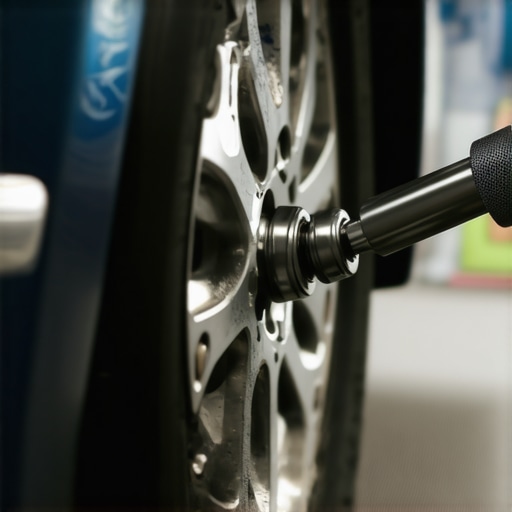
I’ll never forget the sinking feeling in my stomach when my car suddenly lurched during a drive, and I knew something was wrong. It was one of those moments that make you question whether you’re prepared for the road ahead. As a seasoned car enthusiast, I’ve learned the hard way that ignoring subtle signs in your vehicle can lead to costly repairs — sometimes even a dangerous breakdown. And with the upcoming 2026 models bringing new technology and challenges, staying ahead of potential transmission issues becomes more critical than ever.
How a Small Signal Could Save You Big Money
Most drivers don’t realize that your transmission often gives warning signs long before a complete failure. Catching these early indicators can mean the difference between a simple repair and a full-blown transmission rebuild. Today, I want to walk you through these warning signs, so you’re not caught off guard on your next drive. Trust me, being proactive with transmission maintenance isn’t just smart — it could save you from being stranded or facing expensive repairs down the line. For deeper insights, check out top tips for transmission repair to keep your vehicle performing at its best.
Is Transmission Trouble Overhyped or Actually a Big Deal?
I once made the mistake of dismissing a slipping feeling when shifting gears, thinking it was just a minor glitch. That was a costly error. Early in my experience, I underestimated how quickly small symptoms could escalate. Ignoring early signs like delayed responses or unusual noises often leads to more extensive damage — and higher costs. According to automotive experts, timely diagnosis and maintenance can significantly extend your transmission’s life. Learning what to watch for isn’t just about saving money; it’s about safety and peace of mind on the road. If you’re curious about protecting your car, exploring maintenance strategies can be a game-changer.
Inspect Transmission Fluid Regularly
Start by checking your transmission fluid at least once a month, especially before long trips. Locate the transmission fluid dipstick (usually red or yellow) under the hood, and with the engine warm, pull it out and wipe it clean. Reinsert and pull it out again to check fluid level and color. If the fluid is low, cloudy, or smells burnt, it’s a sign you need an immediate top-up or professional inspection. During my personal experience, I caught a slight fluid discoloration early, leading to a quick flush rather than an expensive rebuild, illustrating how simple checks can save hundreds.
Learn to Recognize Early Warning Signs
Pay attention to subtle cues like delayed gear engagement, slipping, or unusual noises when shifting. These symptoms often occur days or weeks before a major failure. For instance, I once noticed my transmission hesitation during acceleration, which I initially dismissed as rough driving. A timely visit to an auto repair professional, guided by strategies from top transmission repair tips, revealed a worn clutch pack. Addressing it early saved me from a full transmission overhaul.
Perform Basic Maintenance Tasks
Beyond inspections, regular transmission fluid exchanges are crucial. Most vehicles benefit from a fluid change every 30,000 to 60,000 miles; check your owner’s manual for specifics. Use genuine parts and high-quality fluids, as recommended in transmission system maintenance strategies. When I replaced my transmission fluid myself, I used a drain and fill method—draining the old fluid, refilling with manufacturer-recommended oil, then shifting through gears with the engine running. This DIY approach, detailed in auto repair tips, improved my vehicle’s responsiveness and extended its lifespan.
Schedule Professional Checkups
Even diligent DIY maintenance isn’t a substitute for expert diagnostics. Book a comprehensive transmission test at your trusted auto repair shop every 60,000 miles or as recommended. Technicians use specialized tools to assess system pressure, detect leaks, and evaluate electronic controls. I once skipped this step and faced sudden transmission failure; now, I rely on scheduled inspections aligned with advice from expert maintenance guidelines. Regular professional assessments catch issues before they escalate, saving you money and time.
Optimize Driving Habits to Reduce Strain
Hard acceleration, abrupt stops, and excessive idling increase transmission wear. Aim for smooth, gradual shifts and avoid overstressing your vehicle, especially in stop-and-go traffic. During a road trip, I consciously shifted gears gently and avoided constant high RPMs, which noticeably decreased system heat and strain. This extends transmission life and keeps repairs at bay, a tip reinforced by car maintenance tips.
 Many car owners operate under misconceptions, believing that regular oil changes alone keep their vehicle in top shape. However, this oversimplification ignores the intricate nuances of transmission health and auto repair. For instance, it’s a common myth that transmission fluid doesn’t need frequent checking, yet overlooked fluid quality and levels can silently degrade your transmission’s performance, leading to costly repairs. Advanced warning signs like subtle hesitation or delayed shifts often go unnoticed because drivers dismiss them as normal wear. But research from automotive experts shows that early detection of these symptoms can prevent complete transmission failure, saving thousands in repairs.
Another misconception is the belief that all auto repairs are purely reactive—wait until something breaks before addressing it. In reality, proactive maintenance, including timely tune-ups, can extend your vehicle’s lifespan considerably. Many neglect essential steps like inspecting transmission components or performing system diagnostics, which can reveal hidden issues before they manifest visibly.
A common trap is relying solely on a mechanic for diagnostics without understanding basic vehicle signals. For example, a slight delay in gear engagement might seem minor but could indicate developing internal problems. Addressing this early with professional diagnostics tips could avert an expensive overhaul.
For advanced car owners seeking to refine their maintenance routine, consider this: optimizing driving habits and scheduling regular system checkups can drastically improve transmission longevity. Engaging with specialized practices isn’t just about fixing problems—it’s about enhancing overall safety and performance.
A crucial insight is that not all transmission issues are obvious; many are the result of subtle, cumulative stresses. Recognizing signs like uneven shifting or strange noises can be the difference between a straightforward repair and a catastrophic failure. Remember, the key lies in understanding your vehicle beyond the basics. Dive into comprehensive strategies to protect your investment and keep your car running smoothly by exploring expert-driven methods outlined in top repair tips and maintenance strategies.
Have you ever fallen into this trap? Let me know in the comments.
Investing in Quality Diagnostic Equipment
One of the most critical investments you can make as a car enthusiast is in reliable diagnostic tools. Personally, I rely on an OBD-II scanner like the BlueDriver Wireless Bluetooth Pro because it offers comprehensive readings and integrates seamlessly with my smartphone. This allows me to quickly identify error codes relating to transmission issues or engine performance, enabling proactive maintenance rather than reactive repairs. These tools provide real-time data, helping you catch anomalies before they escalate into costly repairs and ensuring your vehicle remains in optimal condition over the years. As vehicle technology advances, especially with upcoming models, staying ahead with modern diagnostic software is imperative.
Prioritizing Regular Fluid Checks and Changes
Maintaining clean transmission fluid is vital for sustained performance. I check my transmission fluid monthly, ensuring it’s at the proper level and inspecting its color and smell. Using a high-quality fluid like Castrol Transmax Import Multi-Vehicle ensures compatibility with modern transmissions and longevity. Regular fluid exchanges—usually every 30,000 to 60,000 miles—help prevent overheating and wear. This routine not only prolongs transmission life but also acts as a diagnostic checkpoint, where professionals can detect early signs of degradation by analyzing fluid samples, guiding further maintenance strategies.
Utilizing Maintenance Scheduling Software
Long-term maintenance demands discipline, which is why I depend on software like AutoMate or RepairPal to keep track of service intervals. These applications send reminders for oil changes, fluid flushes, and system inspections, reducing the risk of overlooked tasks. They also store vehicle history, making it easier to identify recurring issues or plan future upgrades. As vehicle technology evolves, connecting your car to smart diagnostics can provide insights beyond manual checks, fostering a proactive approach that ensures your auto repair routines adapt with the latest standards and practices.
Building a Relationship with Trusted Auto Professionals
While DIY tools are empowering, establishing a good rapport with reputable auto repair shops offers invaluable support. I recommend visiting places like CollisionFixer, where skilled technicians utilize cutting-edge diagnostic techniques to detect and address issues early. Regular checkups allow for comprehensive assessments, especially for complex systems like transmissions, which become more intricate with new technological advancements. Having a trusted mechanic ensures that when problems arise unexpectedly, you’re prepared with expert guidance and tailored solutions that extend your vehicle’s lifespan.
Embracing Preventive Maintenance and Future Trends
The future of auto repair leans heavily toward integrated, AI-driven diagnostics and predictive maintenance. Trends suggest that vehicles will increasingly communicate their needs proactively, guiding owners in timely interventions. As a car enthusiast, staying informed about these innovations and investing in compatible tools today prepares you for a seamless transition into this new era. I encourage you to try advanced diagnostic checks now—like analyzing transmission fluid condition or testing electronic control modules—to experience firsthand how preventive care can save you money and headaches down the road. For actionable insights, explore expert maintenance strategies and incorporate them into your routine.
What I Didn’t Know About Transmission Whispers
One of the most eye-opening lessons I learned was the importance of listening to your vehicle’s subtle signals. Ignoring small hesitations or strange noises can cost hundreds or even thousands in repairs. I once dismissed a slight delay in shifting, thinking it was normal wear, only to face a major overhaul later. This experience taught me to pay attention to every little cue and trust my instincts. If you want to stay ahead of costly damage, understanding that early symptoms are often your car’s way of whispering trouble is vital.
Curating a Toolkit for Disaster Prevention
Over the years, I’ve curated a set of diagnostic tools that have truly changed my maintenance game. My trusted OBD-II scanner, for example, helps me catch errors early, especially with the complex electronics in upcoming 2026 models. Relying on high-quality tools not only saves time but also puts you in the driver’s seat of your car’s health. Combining this with regular DIY inspections and professional checkups, as advised in auto repair diagnostics guides, makes all the difference.
The Emotional Power of Proactive Care
There’s an empowering feeling that comes with taking charge of your vehicle’s wellbeing. It’s not just about avoiding expensive repairs; it’s about cultivating a relationship with your car based on trust and awareness. Every time I perform routine transmission fluid changes or schedule professional tune-ups, I’m investing in my safety and peace of mind. That proactive mindset inspired me to learn more about future trends, ensuring I stay ahead of the curve for optimal performance. Embracing this approach means you’re not just fixing problems—they’re preventing them from ever occurring.
How To Make Your Transmission Last Beyond Expectations
If you want your transmission to outperform the typical lifespan, focus on the small daily choices—gentle shifting, avoiding aggressive acceleration, and regular maintenance routines. Moreover, staying informed about latest strategies, like those outlined in system maintenance tips, can remarkably extend your vehicle’s life. Remember, investing in quality parts and diagnostic tools today isn’t just maintenance; it’s a commitment to safer, more reliable driving tomorrow.