
It was a chilly morning, and I was pulling out of my driveway when suddenly, my car lurched and stalled. That sinking feeling hit me — I knew I was staring down a costly repair. But what struck me hard was realizing how unprepared I was despite years of tinkering with my vehicle. That moment sparked a lightbulb: staying ahead with expert transmission and auto repair strategies isn’t just smart; it’s essential for top performance in 2025.
Why Staying Ahead in Auto Repair Matters More Than Ever
In today’s fast-evolving automotive world, neglecting your vehicle’s maintenance isn’t just risky — it’s costly. Modern cars, especially those with sophisticated transmission systems, require precision care and strategic upgrades to perform their best. I’ve learned personally that even minor oversights can snowball into major failures, leaving you stranded or facing hefty bills.
The good news? There’s a way to avoid the breakdowns, keep your ride smooth, and ensure safety on every trip. It’s about adopting proactive, expert-driven strategies that keep vehicles performing at their peak. For a deeper dive into comprehensive tips, check out [top transmission repair and auto repair tips for 2025](https://collisionfixer.com/top-transmission-repair-auto-repair-tips-for-2025-success).
Is Investing in Expert Maintenance Really Worth It?
Early in my auto repair journey, I made the mistake of delaying expert tune-ups, thinking I could handle small fixes myself. That oversight led to unnecessary expenses and increased downtime. Trust me, leaning on skilled specialists isn’t just a smart move — it’s a necessity, especially with complex systems like transmissions. Sometimes, a quick consultation with a professional can save you from a costly mishap. If you’re skeptical, consider this: according to the AAA Foundation, proper maintenance can extend vehicle lifespan by up to 30% and reduce repair costs significantly.
So, if you’ve ever faced a sudden breakdown or dreaded those mysterious transmission noises, you’re not alone. We’re about to explore proven strategies to prevent those headaches and keep your vehicle running flawlessly in 2025. Ready to get your car performing at its best? Let’s dive into the essentials.
Schedule Regular Professional Inspections to Catch Problems Early
Begin with routine check-ups. Just like a doctor examines a patient to prevent illness, a qualified mechanic performs comprehensive diagnostics to identify issues before they escalate. I once noticed my transmission shifting oddly, but a quick inspection revealed a worn-out clutch that, if ignored, could have led to costly repairs. Regular inspections, recommended at least every 6,000 miles, can include fluid analysis, system scans, and visual assessments, significantly reducing unexpected breakdowns. For expert diagnostic strategies that boost your vehicle’s longevity, visit this guide.
Master Fluids and Filter Replacement for Smooth Performance
Think of your transmission fluid as the blood of your vehicle — it keeps the system lubricated and cool. Replacing it periodically prevents overheating and corrosion. I once forgot to change my transmission fluid during a major service, resulting in sluggish shifts. Following the recommended schedule, typically every 30,000 to 60,000 miles based on your car model, ensures the system operates seamlessly. Using the correct type of fluid and filter is crucial; consult your vehicle’s manual or a trusted auto specialist. To learn about effective maintenance routines, check top auto repair tips.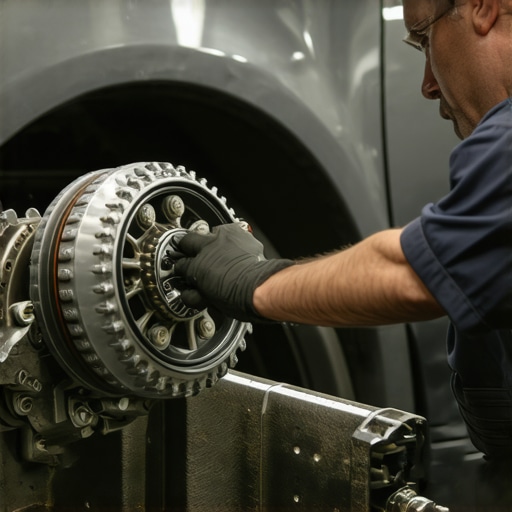 In this image, a mechanic shows a transmission fluid change process, emphasizing cleanliness and proper fluid selection.
Utilize Diagnostic Tools for Precision Repairs
Instead of guesswork, adopt electronic diagnostic tools that read real-time data from your engine and transmission control modules. These tools can pinpoint issues such as sensor failures or software glitches. I recall using a portable scanner during a roadside repair when my car exhibited error codes signaling transmission trouble. The quick readout allowed me to adjust or replace parts before extensive damage occurred. Investing in a good diagnostic scanner or trusting your mechanic with one can save time and money. For advanced diagnostics tips, see this resource.
Follow Proper Tune-Up Procedures for Peak Output
Regular tune-ups involve inspecting spark plugs, air filters, and ignition wires, which indirectly affect transmission performance. I once neglected my car’s air filter, causing the engine to strain — which, in turn, affected smooth gear shifts. Scheduled tune-ups—every 10,000 to 15,000 miles—keep your engine and transmission running in harmony. Use a reputable service provider to ensure all aspects are addressed, including software updates for modern transmissions. Learn more about tune-up strategies at here.
Implement Protective Measures During Major Repairs
When the system demands extensive work, such as clutch replacements or rebuilds, proper handling is vital. Cover exhausts and nearby components to prevent debris entry. I personally experienced a messy repair job when a mechanic overlooked sealing a transmission opening, resulting in dirt ingress that delayed the project. Clear communication and ensuring a clean workspace are essential. Additionally, choosing certified repair centers minimizes risks. For tips on ensuring safety during repairs, visit this article.
Stay Informed About Upgrades for Optimal Performance
Technology evolves rapidly. Upgrading to newer transmission control modules or software patches can enhance performance and longevity. I once upgraded my vehicle’s transmission software, which improved responsiveness and fuel economy. Regularly consult trusted sources or your mechanic about firmware updates and performance-enhancing parts. To keep your vehicle in top shape, explore diagnostic and upgrade tips.
Many car owners operate under misconceptions about auto repair, often leading to costly mistakes and overlooked nuances. One widespread myth is that routine maintenance isn’t urgent until a problem arises. In reality, waiting for symptoms to appear—like strange noises or shifting issues—can cause small issues to escalate into major failures. Experts emphasize the importance of proactive diagnostics and regular check-ups, as detailed in top auto repair tips for 2025.
A common trap is assuming all auto repair shops provide the same quality, which isn’t true. Choosing certified and experienced technicians can significantly impact the longevity and safety of your vehicle. In fact, trusting unqualified personnel can result in improper adjustments or missed signs of deeper problems, especially with critical systems like transmissions. A study by AAA highlights that proper maintenance extends vehicle lifespan by up to 30%, underlining how vital expert care is.
Many believe that DIY fixes are effective for minor issues, but this can be a costly mistake. Simple tasks like fluid checks might seem straightforward, yet incorrect handling—such as using the wrong transmission fluid—can cause severe damage. For advanced repair strategies, see auto repair diagnostics.
Now, you might wonder: How can one truly master auto maintenance without falling into these traps? The key lies in understanding the hidden nuances of vehicle systems, especially the transmission, which demands specialized knowledge. For instance, many overlook the significance of software updates in modern vehicles, which can improve performance and prevent failures. Regular software diagnostics and tune-ups are often underestimated but are crucial, as explained in transmission tune-up strategies.
Being aware of these misconceptions and nuances can save you thousands and keep your vehicle performing at its best. Remember, neglecting expert guidance or rushing repairs can lead to dangerous situations on the road. By investing in quality assessments and continuous learning, you can outsmart common pitfalls and ensure your auto maintenance is both effective and long-lasting. Have you ever fallen into this trap? Let me know in the comments.Maintaining your vehicle over time is about more than just routine oil changes; it requires the right tools and knowledge to diagnose and address issues proactively. One indispensable device I personally rely on is an advanced automotive diagnostic scanner. Unlike basic code readers, my preferred model, the Autel MaxiCOM MK808, provides comprehensive data insights, capturing live sensor readings and performing system tests. This allows me to identify issues like transmission irregularities before they escalate, saving time and money. Regularly updating the scanner’s software ensures access to the latest diagnostic capabilities, which is crucial given the fast-evolving automotive tech landscape. Additionally, I swear by a quality set of precision torque wrenches; proper torque application prevents damage during repairs or component replacements, especially for delicate transmission parts. For fluid management, I recommend a hydraulic fluid extractor — it streamlines fluid changes, ensuring thorough replacement without mess or waste. Looking ahead, predictive maintenance tools utilizing AI are becoming more accessible, promising to alert drivers to potential failures before symptoms appear, further reducing downtime. To maintain your vehicle effectively over time, integrating these tools into your routine is a game-changer. If you haven’t tried a diagnostic scanner recently, I recommend starting with one that offers system scanning and live data — it can profoundly improve your auto repair outcomes. Want to get ahead of potential issues? Use your scanner to check your transmission system this weekend and see what insights you uncover.
Lessons That Opened My Eyes to Transmission Challenges
- Realizing that even small delays in maintenance can trigger costly failures made me rethink my approach to auto care. The biggest lesson was understanding that postponing expert inspections often leads to unforeseen expenses, emphasizing the importance of proactive care.
- Discovering the power of diagnostic tools transformed my troubleshooting process. Diagnosing issues early with advanced equipment saves money and prevents breakdowns, proving that investing in the right tools is a game-changer.
- Learning that transmission systems require more than just fluid changes—it’s about understanding software updates and system diagnostics—brought new appreciation for comprehensive maintenance routines.
Your Roadmap to Smarter Vehicle Upkeep in 2025
If you’re serious about keeping your car running smoothly, consider exploring the full spectrum of auto repair strategies. From regular diagnostics to timely tune-ups, staying informed and proactive is vital. Investing in advanced diagnostic tools and seeking advice from trusted professionals can significantly extend your vehicle’s lifespan and safety.
Keep Your Momentum: Your Turn to Take Action
Taking charge of your vehicle’s maintenance requires ongoing learning and dedication. Embrace the knowledge shared here, and don’t wait for warning signs—preventive care is your best defense in 2025 and beyond. Are you ready to elevate your auto care routine? Share your experiences or questions below and join the conversation about keeping transmissions in peak condition!
Emily Thompson
Reading this article really hits home for me. I once ignored a small transmission noise, thinking it was just minor, only to face a costly rebuild later. It’s a lesson in how proactive maintenance with expert help can save both money and stress. I’ve started using a diagnostic scanner myself now, which has been an eye-opener—saving time and catching issues early. I think many car owners underestimate the importance of regular fluid changes and digital diagnostics, especially as vehicles become more complex with software updates. What’s been your most surprising discovery through diagnostics or repairs? I’d love to hear tips on how to better integrate preventive measures into routine car care, especially for older transmissions that are more prone to failure.
Nathaniel Carter
This post really highlights the importance of proactive maintenance, especially as vehicles become more technologically advanced. I remember a time when I ignored a minor slipping transmission, thinking it’d fix itself, but it led to a much more expensive repair down the road. It’s a good reminder that investing in regular diagnostics and expert tune-ups isn’t just about avoiding breakdowns; it’s about optimizing performance and extending the lifespan of the vehicle. One challenge I’ve faced is staying consistent with fluid changes, especially on older cars where the manual isn’t always clear about intervals. I’ve found that keeping a maintenance log helps me stay on track. Has anyone used modern AI-powered diagnostic tools at home? I’m curious about how effective they are compared to professional equipment and if they’re worth the investment for everyday car owners.