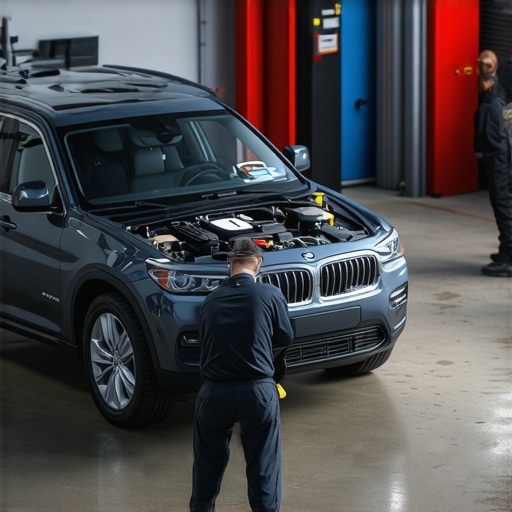
I remember the heat of last summer when my car unexpectedly broke down on a busy highway, leaving me stranded and frantically searching for a mechanic. That moment was a wake-up call. It made me realize how often we neglect routine car maintenance until a minor issue turns into a major, costly repair. Like many drivers, I used to think that visiting the mechanic only when something was visibly wrong was enough. But early on, I made the mistake of ignoring subtle signs—like strange noises or declining performance—which often worsen over time and lead to expensive fixes.
Today, I want to share with you the secrets I’ve learned about top car service and collision fixer tips for 2025. This isn’t just about fixing problems; it’s about staying ahead of them, ensuring safety, and saving money in the long run. These tips helped me keep my vehicle running smoothly, and I believe they can do the same for you.
Why Staying Up-to-Date with Vehicle Maintenance Matters More Than Ever
Will You Be Ready When Your Car Tells You It’s Time for Service?
It’s easy to put off maintenance because, frankly, life gets busy. But ignoring the early warning signs can lead to breakdowns that disrupt your schedule and drain your wallet. Did you know that according to the Department of Energy, regular vehicle maintenance can improve fuel efficiency by up to 20%? That’s serious savings combined with enhanced safety.
Looking back, one of my biggest regrets was neglecting my transmission fluid checks. I dismissed the slight hesitation during gear shifts, thinking it was just a minor glitch. Turns out, neglecting automatic transmission service led to costly repairs that could have been prevented with timely maintenance. Early on, I learned that simple steps like checking and replacing transmission fluid can significantly extend your vehicle’s lifespan.
If you’re like me, you want to avoid the stress of unexpected breakdowns. That’s why knowing the critical auto repair tips and collision fixes for 2025 could make all the difference. Whether it’s keeping your transmission in prime condition or addressing collision damage before it worsens, being proactive saves money and keeps you safe.
Are you facing frequent breakdowns or unsure whether your vehicle needs urgent attention? You’re not alone, and the good news is, with the right information and regular checkups, you can avoid most major issues. Ready to dive into the essentials of top vehicle care? Let’s get started with our first practical step toward vehicle reliability and safety.
Diagnose Before You Dive Into Repairs
Start with a thorough assessment of your vehicle’s condition. Use an OBD-II scanner to identify hidden issues like engine trouble codes, which can be a game-changer. I once used a basic scanner on my sedan, uncovering a faulty sensor that was causing poor fuel economy—fixing this early saved me hundreds. Regular diagnostic checks can prevent minor issues from escalating. For advanced diagnostics, consider consulting a professional or using reliable auto-repair apps to pinpoint problems efficiently, as suggested in top auto repair diagnostics tips.
Prioritize Systematic Maintenance for Longevity
Check and Replace Fluids Regularly
Think of your car’s fluids as its lifeblood. Engine oil, transmission fluid, coolant—keeping them at optimal levels prevents wear. During a recent tune-up, I followed the step-by-step transmission fluid replacement outlined in this guide. The result? My transmission shifted smoother, and I avoided costly repairs. Schedule fluid changes based on your vehicle’s manual or signs like sluggish shifting or overheating. Don’t delay—these simple steps are vital for sustained performance.
Inspect Brakes and Tires Monthly
Safety hinges on your brakes and tires. Use a tread depth gauge to ensure tires have enough grip; less than 2/32 inch is a red flag. Brake pads should be checked for thickness—if you hear squealing or feel vibrations, it’s time for replacement. I once ignored a squeak, leading to rotor damage. Addressing brake issues early with advice from collisionfixer’s tips saved me from emergency repairs. Regular inspections prevent accidents and costly repairs.
Fix and Prevent Collisions Smartly
Collision repairs go beyond fixing dents—they involve structural realignment and safety feature calibration. Initially, I thought a minor bumper dent was cosmetic, but after reading this article, I realized timely collision fixes can prevent further damage and keep safety systems effective. When involved in a minor accident, document everything, assess the damage, and seek professional repair. Remember, stone chips and scratches can escalate into rust if ignored—prevention is cheaper than repair.
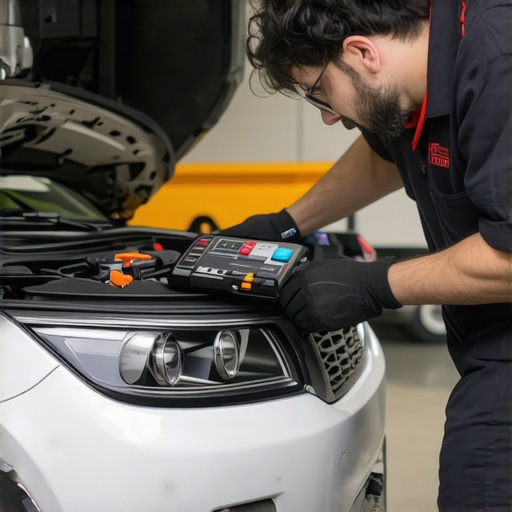
Use a reliable collision repair technician to realign your vehicle’s frame and restore safety features, ensuring your car performs optimally after any collision.
Maintain Auto Parts for Peak Performance
Replace filters—air, fuel, and cabin—at manufacturer-recommended intervals. Dirty filters can choke performance and reduce fuel efficiency, as I learned when my MPG suddenly dropped. Invest in quality parts and follow guides like these maintenance tips. Keep belts, hoses, and battery terminals clean and tight. A well-maintained engine runs smoother, lasts longer, and saves money.
Stay Ahead With Professional Help
Some repairs require specialized tools and expertise—don’t try to DIY complex fixes. Regular visits to trusted mechanics, guided by expert service tips, ensure your vehicle remains in top shape. I once attempted to fix a transmission issue myself but ended up needing professional help—lessons learned. Building a relationship with a reliable mechanic simplifies future maintenance and repairs.
While many car owners believe they understand the basics of tune-ups and auto repairs, there’s a common misconception about what truly constitutes effective vehicle care. One widespread myth is that sticking rigidly to scheduled oil changes and part replacements guarantees vehicle longevity. However, experts like those at CollisionFixer warn that neglecting the specific conditions of your car’s usage and environment can undermine these routines. For instance, a vehicle driven mostly in city traffic with frequent stop-and-go may require more frequent brake inspections than standard intervals, illustrating that maintenance isn’t always one-size-fits-all.
Another misconception involves the perceived complexity of transmission repairs. Many assume that only specialists can handle these issues, leading to delays or neglect. But according to expert strategies, understanding the nuanced signs of transmission wear—such as delayed engagement or unusual noises—enables proactive maintenance, preventing costly replacements. Delaying diagnosis in this area is a common mistake that many drivers fall into, often resulting in complete system failure.
What truly trips up even seasoned DIY enthusiasts is the lumping together of different repair processes without regard for their nuances. For example, collision repairs are often mistakenly viewed as cosmetic, but modern advancements emphasize the importance of realigning structural components and recalibrating safety systems to maintain vehicle integrity. As highlighted in top maintenance tips, failing to address these critical aspects can compromise occupant safety.
Now, an advanced question: How does understanding the specific calibration procedures of modern collision repair influence the longevity of safety features like airbags and collision sensors? This is a subtle but crucial aspect that many overlook, yet it significantly affects the vehicle’s overall safety performance post-repair. Studies from the National Highway Traffic Safety Administration indicate that improper calibration can diminish the effectiveness of such systems, underlining the importance of specialized collisionfixer techniques for comprehensive repairs.
By recognizing these nuanced distinctions, vehicle owners can avoid common pitfalls that compromise safety and performance. Remember, routine maintenance should be tailored to your vehicle’s unique needs and driven by an informed understanding of complex repair requirements. Have you ever fallen into this trap? Let me know in the comments.Maintaining your vehicle’s performance over the long term requires more than just basic knowledge—investing in the right tools and software can make all the difference. One of my go-to instruments is a quality scan tool like the Autel MaxiSys Elite, which I personally use because of its comprehensive diagnostics capabilities. It allows me to quickly identify engine trouble codes, monitor live data, and even access manufacturer-specific parameters, saving me both time and money. I’ve found that a reliable diagnostic scanner is essential for spotting issues early, especially with complex systems like transmissions or collision-related damages.
Why Invest in a Good Diagnostic System
Beyond basic scanners, I rely on advanced diagnostic software like the Autel MaxiSys series to perform deeper analysis during routine checkups. These tools integrate seamlessly with my vehicle’s onboard systems, providing precise insights into transmission health or collision sensor calibration. Using such software has helped me anticipate problems before they escalate, aligning with expert advice found in top auto repair diagnostics tips. The future of vehicle maintenance is leaning heavily towards digital diagnostics, making these tools indispensable for proactive care.
How do I keep my tools effective over time? Regular calibration and firmware updates are key. For example, I schedule firmware updates for my scan tools whenever a new version is released to ensure compatibility with the latest vehicle models and systems. Additionally, maintaining physical tools—keeping precision screwdrivers, multimeters, and cleaning supplies handy—ensures accurate diagnostics and effective repairs. I also invest in protective cases and proper storage to prolong their lifespan, which is crucial for long-term reliability.
For fluid checks, I use a high-quality oil hydrometer, allowing me to quickly assess oil viscosity and detect potential contamination. This personal touch saves me from unexpected engine issues and keeps my vehicle running smoothly. Combining these physical tools with software solutions creates a comprehensive maintenance strategy that extends vehicle lifespan and enhances safety.
Predicting the Maintenance Trend
Looking ahead, I believe that automation and AI-driven diagnostics will become standard, making vehicle care even more precise. Manufacturers are increasingly integrating diagnostic systems directly into vehicle control units, guided by advanced algorithms. Staying ahead of this curve means equipping yourself with up-to-date tools and knowledge, such as the latest diagnostic apps and calibrated equipment. This proactive approach not only simplifies repairs but also provides peace of mind during long drives or collision repairs. If you haven’t already, try upgrading your diagnostic scanner this year—it’s a game-changer for understanding your vehicle’s health and ensuring it runs reliably for thousands of miles to come.Over the years, I’ve discovered that true vehicle care goes beyond quick fixes and routine checks—it requires an eye for detail and a mindset of continuous learning. One of my most eye-opening lessons was realizing that the greatest improvements often come from small adjustments I initially overlooked. For example, adopting a habit of inspecting my transmission fluid every few months revealed early signs of wear that could have led to costly repairs if left unnoticed. This taught me that proactive maintenance, driven by curiosity and care, is the secret to longevity.
Another hard-earned insight was understanding the importance of calibration after collision repairs. Initially, I thought fixing dents was enough, but I learned that recalibrating safety systems like collision sensors and airbags is vital for long-term safety. Consulting expert resources like CollisionFixer showed me that precise calibration can make the difference between a repaired vehicle and a safe, reliable one.
Lastly, I realized that investing in advanced diagnostics tools isn’t just for professionals. Personal use of reliable scanners such as the Autel MaxiSys series has empowered me to detect issues early and avoid unnecessary expenses. This tool has been invaluable in my auto care arsenal, transforming how I approach maintenance and repairs. Embracing these lessons has reshaped my perspective, inspiring confidence and proactive engagement with my vehicle.
Remember, the key to mastering car maintenance isn’t perfection but a commitment to learning and improvement. Every small step you take toward understanding your vehicle’s needs adds up over time, ensuring safety, efficiency, and peace of mind for the road ahead. So, what’s one area of your auto care routine you’re ready to upgrade today? Share your thoughts below!