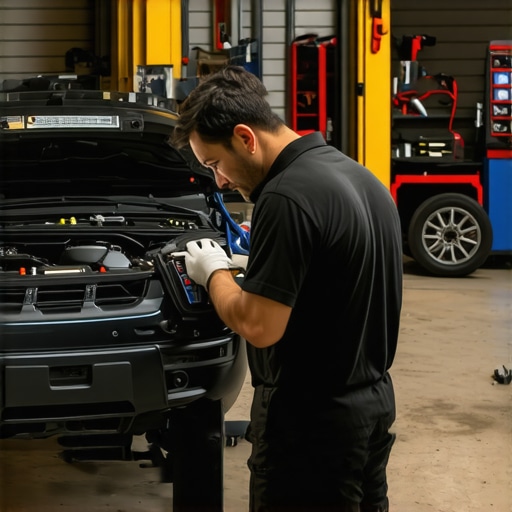
I remember the moment vividly — cruising down the highway when my engine sputtered and jolted unexpectedly. That lightbulb moment hit hard: my vehicle wasn’t running smoothly because I had overlooked basic yet crucial maintenance. Like many car owners, I used to assume that if it wasn’t broke, it didn’t need fixing. But neglecting routine tune-ups and diagnostics can silently sabotage your car’s performance and safety. Today, I want to share proven auto repair and diagnostics tips I’ve learned over the years to help you keep your vehicle in peak condition.
Why Regular Auto Maintenance Matters More Than Ever
In today’s bustling world, a reliable vehicle isn’t just a convenience — it’s a necessity. Proper maintenance ensures your car runs efficiently, saves you money on costly repairs, and keeps you safe on the road. Yet, a surprising number of drivers delay essential services, unaware of the long-term damage this can cause. For example, neglecting transmission care can lead to significant issues down the line, affecting your driving experience and safety. According to a study by the automotive experts at CollisionFixer, proactive diagnostics and tune-ups can extend your vehicle’s lifespan and prevent accidents caused by mechanical failures.
Is Excessive Repair Really Worth the Hype?
One common skepticism I hear is whether investing in frequent repairs and diagnostics truly offers value. Early in my journey, I made the mistake of dismissing small warning signs, thinking they’d go away. That hesitation cost me more in the end. The truth is, small issues like irregular vibrations or delayed gear shifts often signal deeper problems that, if addressed early, can save hundreds — even thousands — in repairs later. Overlooking these signs can lead to breakdowns or accidents. For example, a minor transmission slipping can morph into a complete failure if not caught early, which is why consulting resources like TransmissionFixer offers invaluable insights.
Have you ever ignored a warning light or unusual sound from your vehicle, only to pay the price later? If so, you’re not alone. But the good news is, with straightforward diagnostics and regular tune-ups, you can keep your car running smoothly without the surprise breakdowns. Next, let’s explore some of the most effective auto repair strategies that have helped me and countless others boost vehicle performance and safety.
Inspect Your Vehicle Regularly to Catch Issues Early
Start by conducting visual checks every month. Look for fluid leaks, cracked hoses, or worn belts. When I first learned this, I caught a coolant leak before it caused engine overheating, saving me a costly repair. Park your car on a level surface, open the hood, and examine the engine bay for any irregularities. Remember, early detection prevents minor problems from escalating into major repairs.
Perform Basic Fluid Checks and Changes
Check oil, transmission fluid, brake fluid, and coolant levels monthly. Use the dipstick or reservoir markers for accuracy. I once neglected a low transmission fluid level, which led to slipping gears. With proper maintenance, you can ensure smooth shifting. For transmission fluid, follow recommended intervals or if you notice slipping or delayed engagement, consult transmission repair experts for optimized service strategies.
Drain and Refill with Correct Fluids
Use the right type of oil and fluids specified in your vehicle’s manual. When changing the oil, drain it completely and replace the filter. This simple step can boost engine efficiency. During my last oil change, I double-checked the manual and used recommended synthetic oil, which resulted in quieter operation and better fuel economy.
Check and Replace Brake Components Promptly
Inspect brake pads, rotors, and fluid at least twice a year. Listen for squealing sounds or feel for reduced responsiveness. Once, I ignored faint squeaks and ended up replacing warped rotors and worn pads, which was more expensive. Regular brake service not only extends component life but also guarantees safety. If you notice fluid leaks or spongy pedal feel, visit a professional for comprehensive diagnostics.
Keep the Transmission System Running Smoothly
Transmission health is critical for safety and performance. Regularly check for transmission fluid leaks, delays in shifting, or abnormal noises. Remember, the transmission acts like a bloodline, circulating essential fluid to keep everything running. If you experience slipping or jerking, consider consulting transmission system specialists to avoid long-term damage.
Optimize Suspension and Tires for Better Handling
Maintain proper tire pressure, rotate tires regularly, and inspect suspension components. I once neglected tire rotation, leading to uneven wear and poor handling. Properly inflated tires improve fuel efficiency and safety, while a healthy suspension ensures smooth rides. Check tire tread depth and alignment; if handling feels off or vibrations increase, seek expert diagnostics.
Apply Preventive Collision Fixes for Safety
Address minor dents or scratches promptly to prevent rust and corrosion. Upgrading safety features like new brake pads and reinforced bumpers can be a game-changer. I replaced a dent from a small collision before rust took hold, saving more extensive repairs later. For comprehensive collision fixes, check out collision repair strategies in 2025.
Document Your Maintenance Schedule
Keep a log of all repairs, replacements, and inspections. This habit helps identify recurring issues and ensures timely service. When I kept detailed records, I noticed my high-beam headlight flickering coincided with a faulty relay that I replaced quickly, avoiding unsafe driving conditions.
Leverage Professional Diagnostics and Tune-Ups
Even meticulous DIY maintenance has limits. Regular professional diagnostics can identify hidden issues. When I experienced unexpected vibration, a full diagnostic revealed a failing CV axle. Investing in expert tune-ups ensures that complex systems like the transmission and drivetrain operate at peak performance. Explore diagnostics techniques for 2025 for deeper insights.
Many car owners believe they understand what a tune-up, transmission service, or general auto repair entails, but misconceptions abound among even seasoned drivers. Let’s dig deeper into some common pitfalls, hidden nuances, and myths that can lead you astray—recognizing these can significantly improve your vehicle’s longevity and safety.
One widespread myth is that modern vehicles require fewer tune-ups than older models. While it’s true that newer cars benefit from advanced engineering and longer intervals, dismissing routine maintenance entirely is a mistake. For instance, relying solely on dashboard warning lights without regular diagnostics can cause you to miss subtle issues. Continuous assumptions that synthetic oils or high-mileage treatments alone will solve all problems often overlook the importance of comprehensive system checks—especially critical components like transmissions.
A common trap many fall into pertains to transmission care. It’s a misconception that once a transmission is serviced, no further attention is needed until failure. In reality, ongoing diagnostics and proactive tune-ups are vital. As shown by experts at CollisionFixer, advanced diagnostic tools can detect early signs of wear or fluid breakdown that aren’t obvious. Neglecting these nuances can lead to costly repairs or complete transmission failure.
Another advanced mistake involves underestimating the importance of precise fluid management. Not all transmission fluids are created equal, and using the wrong type due to a lack of familiarity with your vehicle’s specific requirements can cause accelerated wear. Moreover, many overlook that the quality and condition of other fluids—like brake or coolant fluids—interactively affect overall vehicle health. Regular, purposeful diagnostics help identify subtle degradations before they escalate.
This brings us to a crucial question for experienced owners:
How can professional diagnostics adapt to evolving vehicle technology in 2025?
New vehicles increasingly rely on complex electronics, sensors, and adaptive systems that traditional diagnostic methods might not fully capture. According to CollisionFixer, integrating advanced diagnostic software that can interpret data from a car’s onboard computer systems in real-time is essential for effective maintenance. This proactive approach helps catch issues early, ensuring repairs are timely and cost-effective.
So, what does this mean for you? It emphasizes that auto repair and tune-ups aren’t just about replacing parts—they involve understanding the nuances of each vehicle’s unique needs. Failing to grasp these intricacies often leads to unnecessary repairs or overlooked risks. Keep in mind that staying informed about the latest diagnostic techniques and maintenance strategies can dramatically boost your vehicle’s performance in the long run.
Have you ever fallen into this trap? Let me know in the comments and share your experiences with automotive myths or hidden repair nuances. Staying ahead in auto care starts with challenging common assumptions and embracing expert knowledge.Maintaining your vehicle over the years requires more than just basic checks; it demands precision tools and proven methods to ensure reliability and safety. One essential device I personally rely on is a high-quality OBD-II scanner. Unlike generic code readers, my preferred model provides real-time live data streams, allowing me to monitor critical engine parameters continuously. This proactive approach helps catch issues like misfires or sensor failures before they escalate. Additionally, investing in a digital multimeter has been invaluable for diagnosing electrical problems, especially when checking for voltage drops across components. For transmission-specific maintenance, I utilize specialized diagnostic software like Techstream, which enables deep insights into the health of electronic control units (ECUs). Connecting this tool directly to the vehicle’s port allows me to run comprehensive system tests, reset adaptive parameters, and clear error codes—ensuring my transmission operates smoothly and extends its lifespan. Looking ahead, the trend points toward more integrated diagnostic ecosystems, combining hardware and AI-driven insights, making professional-grade tools increasingly accessible to dedicated DIYers. This evolution will elevate maintenance from routine to predictive, minimizing unexpected breakdowns.
How do I keep my tools sharp and my methods current over time?
Regularly updating diagnostic software and calibrating devices like multimeters ensures accuracy. I also subscribe to industry forums and attend workshops when possible, staying abreast of the latest advancements in vehicle diagnostics. Personally, I’ve found that pairing my OBD-II scanner with apps that analyze historical data helps identify patterns—like fluctuating coolant temperatures—that hint at underlying issues. Engaging with such detailed insights allows me to schedule preventive maintenance more effectively, saving me money and stress down the road. If you’re serious about keeping your vehicle performing at its best, I recommend trying out a professional-grade diagnostic tool, such as a scan tool with live data capabilities. This investment empowers you to perform deeper inspections and catch potential problems early, especially with complex systems like transmissions. For additional guidance on tool selection and maintenance strategies, be sure to explore expert tips on auto diagnostics. Start leveraging these precise tools today—your vehicle will thank you with years of reliable service.
Lessons That Changed My Approach to Auto Care
One of the most eye-opening lessons I learned was that the smallest warning signs, like a faint squeal or a slight shifting delay, often point to more significant issues lurking beneath the surface. Addressing these early can be the difference between a simple repair and a complete transmission overhaul. Moreover, I realized that trusting automated systems without manual inspections can lead to missed problems, which is why combining tech diagnostics with personal vigilance is crucial. Lastly, I discovered that ongoing education about new repair techniques and tools regularly upgraded my ability to keep my vehicle performing its best, reinforcing that continuous learning is vital for any serious car owner.
Tools and Resources That Keep Me Ahead of Car Problems
My reliable OBD-II scanner with live data analysis has been a game-changer, providing real-time insights into my engine’s health. The expert transmission diagnostics tips from CollisionFixer keep me updated on the latest maintenance strategies. A subscription to automotive forums like RepairPal has connected me with seasoned mechanics who share practical advice. Additionally, I trust the comprehensive guides provided by CollisionFixer for upgrading my repair knowledge. These resources combine expert insights with community support, keeping my maintenance routine both effective and current.
Fuel Your Drive with Confidence and Knowledge
Being proactive about auto repair and diagnostics is empowering—not just for your vehicle’s longevity but for your peace of mind on every trip. My experience has shown that timely interventions, coupled with the right tools and information, can save you thousands and extend your car’s life well beyond expectations. So, take that first step—invest in your understanding, equip yourself with effective diagnostics, and embrace a maintenance mindset that prioritizes safety and performance. Your vehicle deserves the best, and your confidence behind the wheel depends on it.


James Carter
This post made me reflect on how often I overlook small warning signs until they become expensive problems. I remember once ignoring a slightly squeaky brake pad, only to find out later that it had warped rotors, leading to a much costlier repair. Your emphasis on regular visual checks and fluid maintenance really resonates with my experience — catching issues early not only saves money but can prevent unsafe situations. I’ve started using a simple checklist for monthly inspections, which has made a big difference. One thing I’m curious about is how often others recommend professional diagnostics for modern vehicles with complex electronic systems? With the rapid advancements in car tech, I wonder if quarterly check-ups are enough or if there’s a better approach to catch the hidden issues early on. Also, does anyone have favorite tools or apps that help track maintenance and diagnostics effectively? Would love to hear what works best for the community.