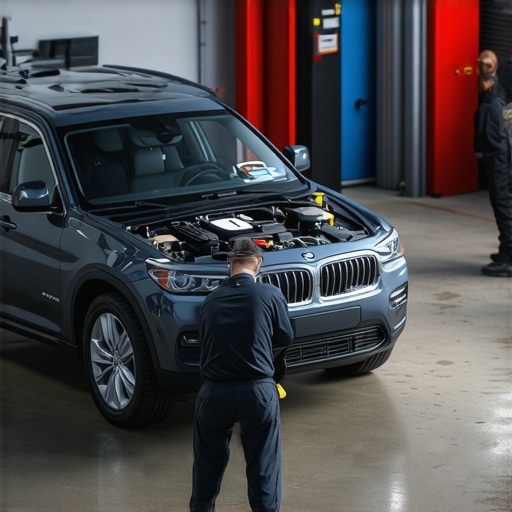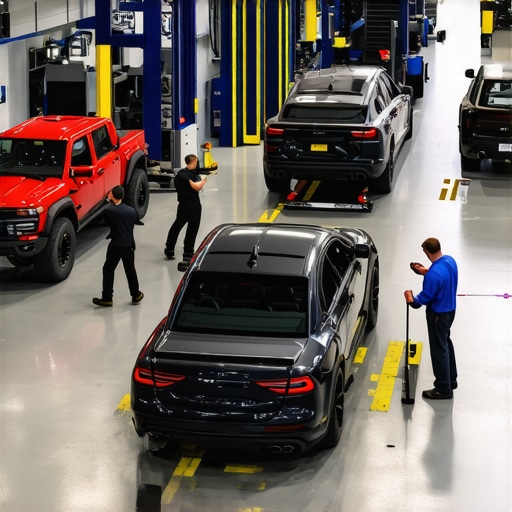
I vividly remember the day my car left me stranded on the side of the road, engine sputtering and warning lights blinking like a Christmas tree. That moment was a wake-up call. I realized I was neglecting crucial maintenance, thinking it was just extra expenses rather than a vital investment in my vehicle’s longevity and safety. Since then, I’ve learned that proactive car care isn’t just about avoiding breakdowns; it’s about ensuring your vehicle performs at its best, especially with the advancements coming in 2025.
Why Staying Ahead with Car Maintenance Matters More Than Ever
In 2025, the automotive landscape is evolving rapidly. Modern cars are smarter, more efficient, and packed with sophisticated systems that require expert attention. Skipping routine maintenance can lead to costly repairs, safety risks, and diminished vehicle lifespan. According to a recent study, neglecting regular auto repairs can decrease your car’s resale value by up to 20% and significantly increase the risk of accidents caused by mechanical failure. That’s why staying on top of your car’s service schedule is no longer optional — it’s essential.
But let’s be real. Many car owners, myself included at one point, feel overwhelmed by the sheer amount of advice out there. From complex transmission repair tips to high-tech diagnostics, it’s easy to get lost. I made a crucial mistake early on: I waited too long to get my transmission checked, thinking minor slips were nothing. That delay cost me more in repairs down the line. Learning from that, I now focus on simple, effective strategies to keep my ride smooth and safe. Want to avoid my pitfalls? Keep reading, because I’ll share proven methods that help you maintain peak vehicle performance in 2025.
Is Car Maintenance Actually Worth the Hype?
Trust me, I was skeptical at first. I wondered if all the fuss was just marketing hype. Turns out, regular auto service can save you a ton of money and hassle. For example, a comprehensive tune-up can improve fuel efficiency and extend your car’s life — and it’s easier than you think. Early on, I ignored some basic checks and paid the price. Now, I follow a simple maintenance routine, like regular oil changes and brake inspections, which I learned from trusted sources such as Collisionfixer’s expert tips. This proactive approach not only keeps my car running smoothly but also gives me peace of mind every time I hit the road.
So, if you’ve ever faced the frustration of unexpected breakdowns or the worry about safety on your daily commute, know that there are effective, manageable steps you can take. The good news is, you don’t need to be a mechanic to stay ahead — just a little knowledge and routine care go a long way. Ready to dive into some practical strategies that will make your car in 2025 more reliable and efficient? Let’s get started!
Start with a Visual Inspection
Before diving into complex repairs, perform a quick visual check of your car. Look for leaks, worn belts, cracked hoses, and tire wear. I once noticed a small oil leak beneath my car after a short drive. This simple glance saved me from a potential engine issue because I caught it early and scheduled a repair.
Schedule Regular Oil Changes
Oil is the lifeblood of your engine. Follow your manufacturer’s recommended interval, which often increases with newer synthetic oils. I set calendar reminders to keep track, avoiding the mistake of skipping an oil change that nearly caused my engine to seize. For expert advice, visit Collisionfixer’s tune-up strategies.
Check and Replace Filters
Air and cabin filters trap dirt and debris. Replacing them every 15,000 to 30,000 miles improves fuel efficiency and cabin comfort. I replaced my air filter myself—an easy task that took less than 10 minutes, saving me money and ensuring my engine breathes clean air. Use the guide at Collisionfixer’s diagnostics tips for more insights.
Monitor Tire Health
Proper tire maintenance affects safety and fuel economy. Check tire pressure monthly and look for uneven wear. I once ignored a slow leak, which led to a blowout on the highway. After that scare, I invested in a portable air compressor and checked my tires regularly, extending their lifespan and ensuring safe rides.
Prioritize Brake System Checks
Brakes are critical for safety. Listen for squeaks or grinding sounds. During a routine check, I discovered my brake pads were 30% worn and replaced them before any failure. For detailed brake maintenance tips, refer to Collisionfixer’s safety-focused repair guide.
Inspect and Maintain Transmission System
The transmission often gets overlooked but is vital for smooth shifting and efficiency. I learned this the hard way when my transmission slipped, leading to costly repairs. Regularly check transmission fluid levels and quality—use the vehicle’s manual as a guide. For expert tactics, visit Collisionfixer’s transmission repair insights.
Schedule Professional Service Checks
While DIY maintenance saves money, professional diagnostics uncover hidden issues. I book a full vehicle inspection twice a year, focusing on systems like the cooling, suspension, and electrical components. This proactive approach catches problems early and keeps my car running optimally in 2025.
Keep Records and Follow the Schedule
Maintain a maintenance log—digital or paper. Tracking service dates and parts replaced helps prevent missed intervals. I use my phone calendar and notes, which reminds me of upcoming services like timing belt replacements or fluid flushes. Staying organized is key to long-term vehicle health.
Implementing these straightforward steps has transformed my car care routine. By staying proactive and informed, you can avoid costly repairs, enhance safety, and enjoy a reliable ride well into 2025 and beyond.
Many car owners fall prey to misconceptions about what it truly takes to keep their vehicle in top shape. While routine maintenance like oil changes and tire rotations are essential, there’s a deeper layer of nuance that often gets overlooked. Let me share some insights that can save you money and extend your car’s lifespan, especially as cars become more sophisticated in 2025.
Why Most People Underestimate the Complexity of Transmission Care
Contrary to popular belief, transmission maintenance isn’t just about topping off fluid levels. Modern transmissions, especially with the advancements in 2025, rely heavily on precise fluid quality and timing. Many assume that if the car shifts smoothly, everything is fine. But neglecting subtle signs like delayed engagement or unusual noises can lead to costly repairs. Regularly checking and replacing transmission fluid based on manufacturer guidelines is crucial, and more drivers should consider expert insights from Collisionfixer’s transmission tips. Skipping this step might seem harmless but can lead to system failure, especially as vehicle systems become more complex.
Beware of the Pitfall: The Over-Reliance on DIY Fixes
While DIY auto repair can be satisfying and budget-friendly, it’s a trap to assume that every issue can be resolved without professional diagnostics. For example, a rough idle or check engine light might seem minor, but they could signal underlying problems with sensors or the transmission system. Rushing into DIY fixes without proper diagnostics often results in wasted money and time, or worse, worsening the problem. An effective strategy is to combine basic checks with periodic professional inspections, as detailed in Collisionfixer’s diagnostic tips. It’s about knowing your limits and recognizing when to seek expert help.
Are Tune-Ups Still Relevant in a Tech-Driven Future?
Many believe tune-ups are outdated, but in reality, they’ve evolved alongside vehicle technology. A proper tune-up in 2025 isn’t just about replacing spark plugs or filters; it involves optimizing electronic systems and ensuring sensors communicate effectively. Overlooking these can lead to poor fuel economy and increased emissions. Regularly scheduled tune-ups, guided by the latest industry standards, are vital—see Collisionfixer’s tune-up strategies for more details. Think of it as a holistic approach to vehicle health, combining traditional mechanics with advanced diagnostics.
Have you ever fallen into this trap? Let me know in the comments. Understanding these hidden nuances ensures you’re not just maintaining your car — you’re optimizing its performance and longevity in the fast-evolving automotive landscape of 2025.
Maintaining your vehicle’s performance over time requires more than just basic checks; it involves leveraging the right tools and adopting precise methods. Personally, I rely on a combination of high-quality diagnostic software and precision tools to ensure my car remains in peak condition. For instance, I use an OBD-II scanner like the BlueDriver to monitor real-time data from my engine and transmission systems. This scanner connects effortlessly via Bluetooth to my smartphone, providing detailed codes and live sensor readings that help me identify potential issues before they become costly repairs.
Another tool I highly recommend is a digital multimeter. It’s invaluable for testing electrical components such as sensors, relays, and wiring connections—especially when diagnosing complex transmission or sensor-related issues. I personally prefer models with auto-ranging features, which simplify testing by adjusting automatically, saving time and reducing errors. Combining this with a quality service manual tailored to my vehicle makes troubleshooting more efficient.
For routine maintenance, I use a mechanical torque wrench set. Proper torque application during tasks like tightening bolts on transmission components or suspension parts ensures safety and longevity. I’ve found that a calibrated torque wrench prevents over-tightening, which can damage parts or compromise safety. Investing in a digital torque wrench with preset values, like the GearWrench model, helps me maintain consistency across different repair tasks.
Looking ahead, the trend in auto repair tools is moving towards smarter, integrated diagnostic systems that can communicate directly with vehicle ECUs via wireless connections. As cars become more digitally interconnected, I predict that future tools will incorporate AI-driven diagnostics, enabling even faster and more accurate repairs. Industry experts suggest that by 2025, many DIY enthusiasts will adopt these advanced systems, making routine checks more accessible and precise.
How do I maintain my tools and keep my system effective over time?
The key is regular calibration and updates. Software diagnostics need periodic updates to stay compatible with evolving vehicle systems, and physical tools like torque wrenches or multimeters should be calibrated annually. Additionally, I keep a dedicated toolkit case with all my essential equipment organized and protected from dust and moisture. This ensures I’m always ready for quick inspections or repairs, saving time and money while enhancing safety.
If you’re eager to step up your car maintenance game, I highly recommend trying out a diagnostic app integrated with your smartphone, paired with a reliable OBD-II scanner. This combo allows you to monitor your transmission and engine health in real-time, giving you peace of mind and early warnings about potential issues. Staying proactive with these tools will future-proof your vehicle’s performance and help you avoid surprises on the road.
The Hard Lessons That Changed My Approach to Car Care
One of the biggest revelations I had was realizing how overlooked transmission health can sabotage your vehicle’s performance. I used to ignore subtle signs like delayed shifts or odd noises, thinking they were minor issues. That oversight cost me dearly when my transmission failed unexpectedly, leading to hefty repairs. Now, I prioritize regular transmission fluid checks and diagnostics, knowing that modern cars in 2025 depend heavily on precise system maintenance to avoid breakdowns.
Tools That Became My Best Friends in Auto Repair
Investing in a good OBD-II scanner like BlueDriver transformed my ability to catch problems early. It provides real-time data and fault codes right on my phone, saving me trips to the mechanic. I also rely on a digital torque wrench from GearWrench to ensure I tighten bolts correctly during repairs, preventing future issues. These tools empower me to handle routine maintenance confidently and catch issues before they escalate, especially with the advanced technology in cars today.
Embracing the Future of Car Maintenance
As vehicle systems become more interconnected, I believe the most valuable skill is staying updated with evolving diagnostics and repair techniques. Regular calibration of your tools and software updates ensures your diagnostics remain accurate. With integrated apps and smarter tools on the horizon, DIY enthusiasts will soon have even more powerful options to keep their cars in peak condition without always relying on professionals. The key is continuous learning and embracing new tech to stay ahead in 2025 and beyond.