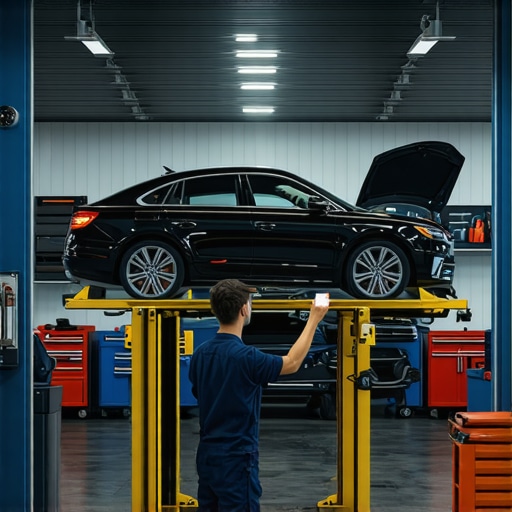
Ever been stranded on the side of the road because of a sudden transmission failure or a mysterious engine hiccup? I sure have. It’s that sinking feeling—your car, which you rely on daily, suddenly refuses to cooperate. And after countless repairs, I realized something crucial: proactive maintenance isn’t just about fixing problems after they happen; it’s about preventing them altogether. That lightbulb moment changed my entire approach to car care, and I want to share that with you today.
Why Staying Ahead of Auto Repairs Saves You Money and Stress
In my early days of car ownership, I often ignored routine maintenance, thinking it was an unnecessary expense. Big mistake. Neglecting simple tune-ups or transmission checks can lead to costly repairs down the line. For example, a neglected transmission system can cause significant damage if not properly maintained, as noted by experts at Collision Fixer. Regular inspections and tune-ups aren’t just preventative—they’re essential for keeping your vehicle running smoothly, extending its lifespan, and saving you a bundle in repair costs.
Have You Faced Sudden Breakdowns That Could Have Been Prevented?
If you’re like me, you might wonder whether all these maintenance tips are really worth the effort. I used to dismiss them, thinking I could just handle problems when they arose. But my mistake was not catching early signs of trouble, which turned small issues into major headaches. The good news? With the right knowledge and a bit of proactive effort, you can avoid the panic and expense of unexpected breakdowns. Ready to learn how to keep your vehicle in top shape? Keep reading, because I’ll guide you through the most effective maintenance strategies for 2025, backed by expert advice and real-world experience. And trust me, these tips will make driving safer, cheaper, and less stressful.
Let’s dive into the practical steps you can take today to ensure your car remains reliable and efficient for years to come. From transmission tune-ups to collision repairs, mastering these essentials will keep your vehicle in peak condition and ready for whatever the roads throw your way.
Inspect Your Transmission Regularly and Catch Small Issues Early
Think of your transmission like the blood flow in your body; when it’s healthy, everything runs smoothly. Last spring, I decided to perform a basic transmission check myself after reading a tip from Collision Fixer. I started by checking the transmission fluid level and color — if it’s dark or smells burnt, it’s a sign to get professional help. During my inspection, I noticed a slight delay when shifting gears. Instead of ignoring it, I booked a quick service. This simple step prevented a looming costly repair and kept my car performing reliably. Regular inspections, at least twice a year, can reveal early signs of trouble before they become expensive problems.
Follow a Step-by-Step Tune-Up Routine
Routine tune-ups are the foundation of a healthy transmission. I used to skip this, thinking it was unnecessary. But after a minor transmission slip during a trip, I realized I needed to get serious. Following a comprehensive guide like Collision Fixer’s tune-up guide, I replaced the transmission filter, changed the fluid, and checked the seals. This process is like giving your car a health check-up. It’s straightforward if you follow a step-by-step method, and it can extend your transmission’s lifespan while boosting efficiency.
Schedule Professional Maintenance Before Problems Escalate
Despite DIY checks, some issues require expert eyes. I make it a point to schedule professional maintenance annually. A trained technician uses diagnostic tools to identify hidden problems, much like a doctor’s MRI. For instance, I brought my car to a mechanic after noticing a slight whining noise during acceleration. They performed a diagnostic and recommended a transmission fluid flush, which I booked immediately. This proactive approach saved me from a potential breakdown on the highway. Regular professional checkups, guided by expert diagnostics, ensure your vehicle’s systems stay in top shape.
Keep Your Car Clean and Well-Lubricated
Maintaining cleanliness and lubrication is vital. I once neglected to clean my transmission filter, which led to debris buildup and sluggish shifting. After cleaning and replacing the filter, I noticed an immediate improvement. Think of your transmission like a well-oiled machine — dirt and lack of lubrication cause friction and wear. Regularly check your transmission fluid levels, and top up or replace as needed. This simple upkeep prevents unnecessary wear and keeps everything running smoothly.
Use Quality Parts and Follow Manufacturer Recommendations
Always use parts that meet your vehicle’s specifications. I learned this the hard way when I tried a cheap transmission fluid substitute — it caused more harm than good. Now, I stick to OEM parts and fluids, referencing guides like Collision Fixer’s recommended products. Correct parts ensure compatibility, durability, and optimal performance, especially in demanding driving conditions.
By following these practical steps—regular inspections, routine tune-ups, professional diagnostics, proper lubrication, and quality parts—you can significantly extend your vehicle’s life and avoid costly repairs. Proactive maintenance is your best bet for reliable, safe driving in 2025 and beyond.
Many car owners fall prey to misconceptions that can inadvertently lead to costly repairs and missed opportunities for better performance. As an automotive enthusiast with years of hands-on experience, I’ve seen how these myths persist despite clear evidence to the contrary. Let’s dig deeper into some of the most common misunderstandings and why they might be holding you back from optimal car care.
Are Cheap Parts Really Just as Good as OEM?
One widespread belief is that aftermarket or generic parts are a cost-effective alternative to OEM components. While this might seem like a smart way to save money, it’s often a trap. Cheap parts can compromise your vehicle’s reliability, especially in critical systems like the transmission. For example, using subpar transmission fluid or filters can lead to accelerated wear and early failure. Experts at Collision Fixer emphasize that quality parts designed specifically for your vehicle ensure compatibility and longevity, ultimately saving you money in the long run.
Don’t fall for the myth that all parts are created equal—your car deserves the best to perform safely and efficiently.
Skipping Routine Maintenance Won’t Hurt
Many believe that neglecting routine tune-ups or inspections won’t have immediate consequences. However, this mindset can be a costly mistake. Small issues like minor fluid leaks or worn-out filters might seem insignificant initially but can escalate quickly. Regular professional diagnostics, like those recommended at Collision Fixer, allow you to catch problems early before they become major repairs. Think of it as a health check-up for your vehicle—preventative care that keeps everything running smoothly.
Ignoring routine maintenance is a false economy that often results in more expense and stress down the road. Stay proactive, and your car will thank you.
Advanced Question: How Can I Detect Transmission Issues Before They Get Serious?
Great question. Modern vehicles are equipped with sophisticated diagnostic systems, but many drivers miss the early warning signs of transmission trouble. Unusual slipping, delayed shifting, or a burning smell are all indicators that your transmission needs attention. Regularly checking your transmission fluid—its level, color, and smell—can reveal a lot. If the fluid is dark or smells burnt, it’s time to consult a professional. As I’ve learned from Collision Fixer, proactive measures like fluid flushes and filter replacements can extend your transmission’s lifespan significantly.
Investing in early diagnostics and maintenance can save you from expensive repairs and breakdowns. Remember, catching issues early is always better than waiting for a full-blown failure.
Have you ever fallen into this trap? Let me know in the comments. Staying informed and proactive is the best way to keep your vehicle in top shape and avoid unnecessary surprises on the road.
Keeping your vehicle in top shape over the years requires more than just routine check-ups; it demands the right tools, software, and methods. When I first started diving into auto repair, I quickly realized that having the proper equipment is crucial for diagnosing issues early and ensuring long-lasting performance. Today, I want to share the tools I personally rely on to maintain my car’s transmission, perform effective tune-ups, and handle collision repairs efficiently.
Invest in a Quality OBD-II Scanner
One of the most valuable tools I use regularly is a reliable OBD-II scanner. Unlike generic code readers, my preferred scanner offers live data streaming, freeze-frame data, and deep diagnostic capabilities. This allows me to identify transmission trouble codes early, monitor sensor readings, and catch potential problems before they escalate. For instance, when my transmission started slipping, the scanner revealed a specific error related to the solenoid, prompting me to perform a targeted fluid flush and filter replacement. This proactive step saved me from costly repairs down the line. As automotive diagnostics move toward more integrated systems, investing in a high-quality scanner is essential for DIY enthusiasts and professionals alike.
Use Software-Driven Maintenance Schedules
Beyond hardware tools, software has revolutionized how I schedule and track maintenance. I rely on apps and cloud-based systems that sync with my vehicle’s onboard computer to remind me of upcoming service intervals, record repairs, and suggest diagnostics based on driving habits. This approach ensures that I never miss a tune-up or fluid change, keeping my transmission and other critical systems in peak condition. Looking ahead, I believe vehicle maintenance will become even more integrated with AI-driven diagnostics, allowing for predictive repairs that prevent breakdowns entirely.
Employ a High-Quality Torque Wrench
Proper torque application is vital when replacing transmission components or performing collision repairs. My trusted torque wrench ensures that bolts are tightened to manufacturer specifications, preventing over-tightening or under-tightening, which can lead to failures or safety issues. I prefer digital torque wrenches because they provide precise measurements and an audible alert once the correct torque is reached. This small but critical tool has helped me avoid issues like leaks or component misalignment, extending the lifespan of my repairs.
Keep a Portable Power Tool Kit Handy
For quick fixes and routine maintenance, a portable power tool kit with impact drivers and cordless drills is indispensable. I use mine for tasks such as replacing filters, tightening brackets, or removing stubborn bolts during collision repairs. Modern lithium-ion batteries provide enough power for most tasks, making it easier to work efficiently without needing to lug around heavy tools. Having this kit ready at all times helps me stay on top of maintenance and ensures that minor issues don’t turn into major repairs.
Plan for Future Innovations in Car Maintenance
Looking ahead, I predict that tools like augmented reality (AR) glasses and advanced diagnostic software will become standard in auto repair. These innovations will allow technicians and DIYers to visualize internal components and receive real-time guidance, reducing errors and speeding up repairs. Investing early in compatible devices will prepare you for this evolution in car maintenance, ensuring your vehicle stays in excellent condition well into the future.
If you’re ready to elevate your car care routine, start by integrating a high-quality OBD-II scanner and a reliable torque wrench into your toolkit. These investments will pay off by simplifying diagnostics and ensuring precise repairs. Remember, staying ahead with the right tools is the key to long-term vehicle health and safety.
For more expert tips on transmission and auto repair, check out Collision Fixer’s comprehensive repair guides.
The Hardest Lesson I Learned About car service, transmission, auto repair, tune up, collisionfixer
- One of the biggest mistakes I made early on was ignoring the subtle signs of transmission trouble. I thought a little slipping or delayed shifting was normal, but it was actually my car whispering for help. Catching these signs early, like checking fluid color and level regularly, saved me from complete transmission failure.
- Another lesson was the value of using high-quality parts. I once tried a cheap transmission fluid, thinking I was saving money, only to face sluggish shifts and more wear. Now, I stick with OEM recommended fluids and filters, which I trust to keep my transmission smooth and durable.
- DIY checks are helpful, but professional diagnostics are indispensable. A quick visit to a skilled technician with advanced diagnostic tools can uncover hidden issues that DIY might miss, preventing costly repairs later.
- Maintaining cleanliness and proper lubrication isn’t just about aesthetics—it’s about function. Regularly replacing transmission filters and topping up fluids keeps everything running efficiently and extends the lifespan of your transmission system.
- Investing in the right tools, like a quality OBD-II scanner and a precise torque wrench, transformed my ability to perform effective tune-ups and repairs. These tools empower you to diagnose issues early and execute repairs with confidence, saving money and time.
My Essential Toolkit for Keeping Your Car in Peak Shape
- High-Quality OBD-II Scanner: My go-to for early diagnostics and live data, helping me catch problems before they escalate. I trust models with deep diagnostic capabilities for peace of mind.
- Reliable Torque Wrench: Ensures bolts are tightened accurately, preventing leaks and misalignments. A small investment that pays off in safety and durability.
- Portable Power Tools: Impact drivers and cordless drills make routine maintenance and collision repairs quicker and easier, especially in tight spots or stubborn bolts.
- Maintenance Software: Apps that sync with my vehicle’s system remind me of service schedules and track repairs, keeping me proactive rather than reactive.
Don’t Wait for the Road to Turn Against You
Taking control of your vehicle’s health isn’t just about avoiding breakdowns—it’s about empowering yourself with knowledge and the right tools. The future of car maintenance is moving toward smarter diagnostics and proactive care, so why not start today? Remember, your car’s longevity depends on your commitment to regular, quality maintenance. Keep learning, stay vigilant, and drive with confidence knowing you’re doing everything to ensure your vehicle stays reliable for years to come.
What’s the most surprising thing you’ve learned about transmission maintenance? Share your story below and let’s learn from each other’s experiences!


Maggie Foster
Reading through this post really resonated with me because I’ve experienced those dreaded breakdowns on the highway that could’ve been avoided with earlier maintenance. I particularly appreciated the emphasis on regular transmission checks—something many people overlook until a problem manifests. A few months ago, I noticed my car was shifting a bit sluggishly, but I ignored it thinking it was minor. After reading this, I realize timely fluid checks and using quality parts could have saved me a lot of stress and money. It’s impressive how small proactive steps, like a simple filter replacement, can significantly extend the life of a vehicle.
Evelyn Brooks
This post really hits home for me because I’ve also faced unexpected vehicle breakdowns that devastated my schedule and wallet. I completely agree with the emphasis on proactive maintenance—especially checking transmission fluid regularly. I used to dismiss routine checks until I had a minor shift delay, which turned into a costly repair because I ignored small signs. Since then, I’ve started following a more disciplined maintenance routine, including regular fluid analyses and quality part replacements. Has anyone found that keeping a detailed maintenance log helps in catching issues early? I find that tracking these small steps provides clarity and peace of mind. Also, I’m curious if anyone has experience with specific brands of transmission fluids or filters that proved particularly reliable? Sharing these practical tips has motivated me to stay ahead of potential problems rather than react after the fact. It’s incredible how minor investments now can save big headaches later.
Jonathan Mitchell
This article offers such practical advice, especially about routine transmission inspections. I’ve learned firsthand how small issues like delayed gear shifts can quickly escalate if ignored. I once skipped a transmission fluid check, and it led to a costly repair. Now, I make it a point to check fluid levels and color every few months. Plus, using quality OEM parts really makes a difference; I found that after switching to trusted brands, my car runs smoother and lasts longer. The tip about leveraging diagnostic tools like OBD-II scanners really resonates with me—being able to catch trouble codes early saves both time and money.
Regarding the question about maintaining a maintenance log, I’ve found it surprisingly helpful. Tracking service dates, fluid changes, and parts used helps identify patterns and plan future maintenance better. For those interested, does anyone have recommendations on the best affordable scanners that also provide deep diagnostic data? I’d love to hear your experiences. Overall, consistent proactive care is key to vehicle longevity and avoiding unexpected breakdowns. How do others balance between DIY checks and professional diagnostics? Would be great to learn different approaches.
Lily Adams
This post really highlights some crucial points about transmission care that many drivers overlook. I had a similar experience where ignoring small signs like delayed shifting resulted in a major repair cost. The tips about regular inspections and using quality parts can’t be overstated—they truly make a difference in the longevity of your vehicle. I’ve recently started using a maintenance app that tracks all service history and upcoming schedules, which helps me stay proactive. What do you think is the most overlooked routine maintenance task that could actually prevent big issues? For me, it’s definitely checking the transmission fluid levels. Regular small checks far outweigh the hassle of unexpected breakdowns. Do others find that digital tools or logs improve their maintenance routines? Would love to hear your thoughts or recommendations for reliable, affordable diagnostic tools that help keep everything in check.