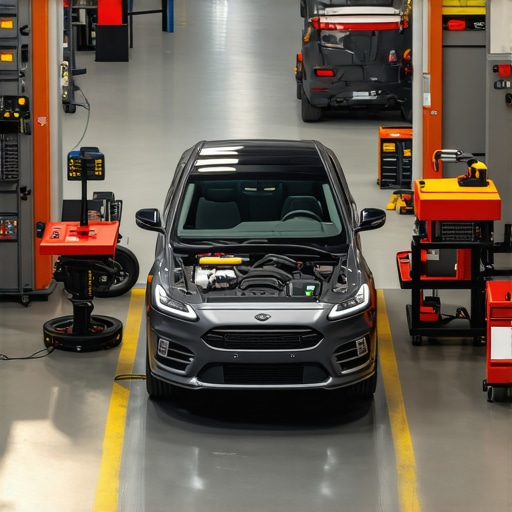
Ever had that sinking feeling when your car sputters or stalls right before an important trip? I’ve been there, and let me tell you, those moments are both frustrating and costly. One day, after a series of unexpected breakdowns, I had my lightbulb moment: proper maintenance isn’t just about fixing problems after they happen — it’s about preventing them in the first place. Since then, I’ve dedicated myself to learning the best tune-up strategies, and I want to share some game-changing insights with you.
Why Staying Ahead of Car Maintenance Matters More Than Ever in 2025
In 2025, vehicle technology continues to evolve at a rapid pace. Modern cars are packed with sensors and computer systems that demand more precise care. Skipping routine checks can lead not only to breakdowns but also to costly repairs and safety risks. According to a recent report from Collision Fixer, neglecting essential maintenance can reduce a vehicle’s lifespan by up to 30%. That’s a staggering number, emphasizing the importance of staying proactive rather than reactive.
In my early days, I made the mistake of ignoring minor issues, thinking they’d go away. That was a costly lesson. Today, I focus on routine checkups and tune-ups, which have kept my car running smoothly and saved me hundreds in repairs. If you’ve ever faced the inconvenience of sudden breakdowns or unexpected repairs, you know exactly what I mean. But don’t worry — this post will guide you through the most effective strategies to keep your vehicle performing at its best for years to come.
Is Car Maintenance in 2025 Actually Worth the Hype?
Some skeptics say, “Is all this maintenance really necessary? My car seems fine.” Trust me, I’ve been there. The truth is, neglecting regular tune-ups can lead to accelerated wear and tear, especially with the complex systems in today’s vehicles. A simple mistake I made early on was ignoring my transmission fluid’s condition, which later caused me costly repairs. Learning from that, I now follow expert advice, like the comprehensive tips found here, to ensure my car remains in peak shape.
So, if you’re tired of unpredictable breakdowns and want to maximize your vehicle’s lifespan and safety, stay with me. I’ll walk you through proven maintenance strategies that will keep your car reliable, efficient, and ready for anything in 2025. Ready to get started? Let’s dive into the essentials of a top-tier tune-up routine that will transform your driving experience.
Start with a Comprehensive Inspection
My first step was to perform a thorough visual and diagnostic check on my vehicle. I used an OBD-II scanner to identify hidden issues, much like a doctor running tests before a diagnosis. This initial step reveals critical problems, such as worn belts or low fluid levels, that can escalate if ignored. Schedule a full inspection at least twice a year, especially before long drives or harsh seasons, to catch small issues early.
Check Fluids and Replace When Needed
Think of your car’s fluids as its blood supply. Old, dirty oil is like clogged arteries—bad news for performance. I remember a trip where I skipped an oil change; my engine started knocking because the oil had thickened and lost its lubricating properties. Regularly check your engine oil, transmission fluid, coolant, and brake fluid, and replace them according to your vehicle’s manual. Using high-quality fluids, recommended in top auto repair tips, keeps your car running smoothly and prevents costly repairs.
Prioritize Tire Maintenance
Imagine your tires as your vehicle’s shoes—worn-out shoes cause discomfort and instability. I once ignored a slow leak in my tire, which led to uneven wear and reduced fuel efficiency. Check tire pressure monthly with a reliable gauge, ensuring it matches the manufacturer’s recommended PSI. Also, inspect tread depth; if it’s below 2/32 inch, replace the tires. Rotating tires every 5,000 miles spreads wear evenly, extending their lifespan and improving handling.
Align and Balance Regularly
Misaligned wheels are like crooked teeth—cause uneven wear and poor handling. I noticed my car pulling to one side, which was a sign of misalignment. A quick visit to the mechanic for an alignment fix restored smooth steering and saved my tires from premature wear. Regular wheel alignment and balancing, especially after hitting potholes or curbs, ensure safe, efficient driving.
Maintain the Battery and Electrical System
Your battery is the heart of your vehicle’s electrical system. I once faced a morning where my car refused to start because my battery was dead. Regularly check battery terminals for corrosion—clean and tighten them as needed. Test the battery’s health annually with a multimeter or at your mechanic’s shop. Replacing an aging battery before it fails prevents unexpected breakdowns, a tip emphasized in auto repair tips.
Replace Filters and Spark Plugs
Filters and spark plugs are your vehicle’s filters for clean operation. Dirty air filters choke airflow, reducing efficiency. I replaced mine during a routine service, noticing immediate gains in acceleration and fuel economy. Spark plugs, on the other hand, ignite the fuel-air mixture. Worn spark plugs cause misfires and rough idling. Check and replace these components per your car’s manual—usually every 30,000 miles.
Keep Your Brakes in Top Shape
Think of brakes as your safety gloves—they need to be responsive. I felt a spongy pedal and knew it was time for a brake check. Regularly inspect brake pads for wear and listen for squealing sounds. Brake fluid should be replaced every 2 years to maintain proper hydraulic pressure, preventing brake failure. Well-maintained brakes are essential for safety and can prevent accidents.
Use Technology to Stay Ahead
Modern cars are equipped with sensors and alerts. I enabled maintenance reminders and used diagnostic apps to monitor my vehicle’s health. These tools, like those discussed in auto repair diagnostics, help catch issues early. Investing in a quality scanner or subscribing to vehicle health services keeps you proactive rather than reactive.
Keep a Maintenance Log
Finally, I started logging every service, repair, and part replacement. This habit simplifies scheduling future maintenance and adds value if you sell your car. A detailed log ensures you don’t forget critical services, maintaining your vehicle’s peak performance year-round. Remember, consistent maintenance isn’t just about avoiding breakdowns; it’s about prolonging the life and efficiency of your investment.
Many car owners fall into the trap of believing certain myths about maintenance, which can lead to costly mistakes. Let’s dig deeper into some misconceptions and reveal what truly matters for your vehicle’s longevity. One widespread myth is that high-mileage cars don’t need as much attention. Actually, neglecting routine checks on older vehicles can accelerate wear and tear, especially in critical systems like the transmission. Regularly inspecting and tuning up these components, guided by expert advice such as the transmission maintenance tips, helps prevent major failures down the road.
Another common misconception is that synthetic oil makes oil changes unnecessary for longer intervals. While synthetic oils do offer better stability and protection, they still degrade over time and should be replaced according to the manufacturer’s recommendations. Overlooking this can cause engine damage, especially in extreme conditions. This is a nuanced point often missed by casual car owners, but following the guidance in top auto repair tips will keep your engine running smoothly.
Is Ignoring Minor Issues a Safe Bet?
Many believe that minor signs of trouble, like slight vibrations or dashboard warning lights, can be ignored until the next scheduled service. The truth is, these small issues can be early indicators of serious problems—like a failing transmission or worn-out brake pads—that, if unnoticed, might lead to breakdowns or accidents. Regular diagnostics and proactive repairs, as discussed in auto diagnostics tips, are essential to catch these signs early. Don’t fall into the trap of complacency; addressing issues promptly can save you thousands and improve safety.
Have you ever fallen into this trap? Let me know in the comments. Remember, understanding the nuances of proper maintenance isn’t just for mechanics—it’s for anyone who wants to keep their car safe, efficient, and reliable for years to come.
Invest in Quality Diagnostics Equipment
When it comes to keeping your vehicle in top shape, having the right diagnostics tools is a game-changer. I personally rely on an OBD-II scanner that connects to my smartphone, allowing me to run quick checks on engine health, emissions, and sensor alerts. This device helps me catch issues early, before they escalate into costly repairs. I prefer models that support live data streaming and freeze-frame data, which provide detailed insights into my car’s performance. Regularly scanning my vehicle ensures I stay ahead of potential problems, especially with modern cars that have complex electronic systems.
Use High-Quality Fluids and Maintenance Products
Choosing the right fluids is critical for long-term durability. I stick with OEM-recommended oils and coolants, which I purchase from trusted suppliers. Synthetic oils, for example, offer superior protection and can extend oil change intervals, but they still need to be replaced at the manufacturer’s recommended mileage, as outlined in top auto repair tips. I also invest in good-quality transmission fluids and brake fluids, which are essential for maintaining optimal system performance and safety over time.
Automate Your Maintenance Schedule
To keep track of service intervals, I use a dedicated app that logs every oil change, filter replacement, and inspection. This digital log helps me stay organized and ensures I don’t miss critical maintenance tasks. As vehicle technology evolves, I predict more advanced apps with predictive maintenance features will become mainstream, alerting drivers to issues before warning lights even appear. This proactive approach minimizes downtime and extends your vehicle’s lifespan.
How do I maintain my vehicle over time
Beyond regular checkups, I recommend setting up a routine that includes inspecting belts, hoses, and battery health every few months. For this, I rely on a multimeter and visual inspections, which I’ve learned from expert guides such as those at Collision Fixer. Additionally, keeping your tires properly inflated and balanced not only improves safety but also fuel efficiency and tire longevity. Regular alignment and rotation are key to preventing uneven wear and costly replacements.
Stay Updated with Vehicle Software and Firmware
Modern vehicles often come with software updates that improve performance and fix bugs. I subscribe to my car manufacturer’s app to receive notifications about updates, which I install during routine visits. This ensures my vehicle benefits from the latest enhancements, much like updating a smartphone. Over time, I believe the trend will shift toward wireless, over-the-air updates, making maintenance even more seamless for users. Staying current with these updates can prevent compatibility issues and keep your vehicle running smoothly.
Try a Comprehensive Transmission Tune-Up
If you’re serious about long-term reliability, I highly recommend scheduling a transmission tune-up using expert strategies I’ve found at Collision Fixer. This involves changing filters, fluids, and performing system diagnostics to ensure your transmission operates efficiently, reducing wear and tear. Incorporate these advanced maintenance techniques into your routine, and you’ll notice improved performance and fewer surprises on the road. Remember, proactive maintenance is the best way to keep your car working well for years to come.
The Hardest Lesson I Learned About Car Maintenance
One of my biggest lightbulb moments came when I realized that neglecting small issues early on often leads to major repairs later. Ignoring that squealing brake or rough idle might seem minor, but it’s usually the first sign of a bigger problem that could cost hundreds or thousands if left unchecked. Learning to trust my instincts and address problems promptly has saved me a lot of money and stress over the years.
3 Myths About Car Maintenance That Held Me Back
Initially, I believed that synthetic oil meant I could skip regular oil changes, and that once a car reaches high mileage, it no longer needs as much attention. Both are misconceptions. Synthetic oils still degrade and need changing, and older cars require even more diligent maintenance to stay reliable. Busting these myths has transformed how I care for my vehicle, ensuring it lasts longer and performs better.
What Experts Won’t Tell You About Keeping Your Car in Peak Shape
Most mechanics won’t tell you that simple routine checks, like cleaning battery terminals or rotating tires, can significantly extend your vehicle’s lifespan. Using the right diagnostics tools and maintaining a detailed service log might seem tedious, but they’re powerful habits that prevent breakdowns and keep your car running smoothly. My advice is to stay proactive instead of reactive — your wallet and safety will thank you.
Curated Recommendations for Smarter Maintenance
My Essential Toolkit for Car Care includes a reliable OBD-II scanner that connects to my smartphone, allowing me to monitor engine health and sensor alerts easily. I trust this because it gives me real-time data and early warnings, much like a health monitor for my car. For comprehensive tips, I often revisit Collision Fixer’s expert advice on auto repair strategies, which helps me stay ahead of potential issues. Additionally, I keep a detailed maintenance log, which is invaluable for planning future services and increasing my vehicle’s resale value. Finally, I depend on high-quality fluids recommended by the manufacturer, ensuring my engine and systems operate at peak efficiency.
Don’t Wait to Take Control of Your Car’s Future
Your vehicle is more than just a means of transportation — it’s an investment that deserves attention. By applying these insights and staying proactive, you can enjoy safer, more reliable driving well into 2025 and beyond. Remember, a well-maintained car isn’t just about avoiding breakdowns; it’s about reclaiming peace of mind on every journey.
![5 Diagnostic Fixes for 2026 Engine Power Loss [Tested]](https://collisionfixer.com/wp-content/uploads/2026/04/5-Diagnostic-Fixes-for-2026-Engine-Power-Loss-Tested.jpeg)

![3 Quick Fixes for 2026 Engine Surging at Red Lights [Proven]](https://collisionfixer.com/wp-content/uploads/2026/04/3-Quick-Fixes-for-2026-Engine-Surging-at-Red-Lights-Proven-1.jpeg)