![Why Your 2026 Transmission Hunts for Gears [Quick Sensor Fix]](https://collisionfixer.com/wp-content/uploads/2026/02/Why-Your-2026-Transmission-Hunts-for-Gears-Quick-Sensor-Fix.jpeg)
It was a freezing morning when I first noticed my 2026 model’s transmission acting up. I shifted into drive, and instead of the smooth engagement I expected, there was an unsettling delay, a faint shudder, and this odd hunting for gears that just wouldn’t quit. I felt a sinking feeling in my stomach—was this the beginning of a costly repair?
That moment was my lightbulb—something wasn’t right, and I needed to understand what was happening behind the scenes. If you’ve ever found yourself frustrated by your car’s gear shifts slipping, hesitating, or making strange noises, you’re not alone. These issues can be baffling, especially with newer models where sensors and electronics play a bigger role.
In this post, I promise to share a straightforward fix—centered around a quick sensor adjustment—that can help put your transmission back in harmony. No more costly rebuilds, just a little know-how that saves you time and money.
How a Tiny Sensor is Causing Big Shifts in 2026 Models
Did you know that many transmission hunts for gears are linked to minor sensor glitches rather than major mechanical failures? According to recent automotive diagnostics, up to 70% of shifting problems in advanced models stem from sensor misreads rather than physical damage (source: Automotive Tech Journal, 2023). Recognizing this can change how you approach repairs—saving you from unnecessary parts replacements.
Early on, I made the mistake of assuming a complete transmission overhaul was the only fix. That was a costly misstep. Instead, a simple sensor reset or replacement could do the trick, especially if caught early. For a detailed checklist on how to identify these signs, check out this comprehensive guide on [six signs your gearbox needs urgent attention](https://collisionfixer.com/6-signs-your-2026-gearbox-is-burning-out-repair-checklist).
Understanding what triggers these sensor issues is crucial. Often, debris, temperature fluctuations, or electrical glitches can cause sensors to give false readings, prompting the transmission to hunt for gears as it tries to compensate. Before rushing into costly repairs, it’s worth investigating if these sensors are at fault.
Next, we’ll dive into the practical steps to diagnose and fix this problem efficiently, so you can get your vehicle shifting smoothly once again. Stay tuned—your car’s harmony can often be restored with just a few simple fixes.
Identify the Faulty Sensor First
Start by locating the transmission control module (TCM) and associated sensors. Think of these sensors as the car’s nervous system—tiny electronic devices providing critical data. I remember underestimating this step until my car kept shifting awkwardly, and a quick scan revealed a malfunctioning throttle position sensor. Using a diagnostic scanner, accessible at most auto parts stores, connect to your vehicle and run a live data test to see which sensors report anomalies.
Use a Diagnostic Tool
Plug in a reliable OBD-II scanner—think of it as a doctor’s stethoscope for your car. When I hooked mine up, I saw error codes pointing specifically to the transmission sensor cluster. This saved me from unnecessary parts replacement, focusing instead on the root cause. If unfamiliar, check online tutorials for your specific model’s sensor locations and error code meanings.
Adjust or Swap Out the Sensor
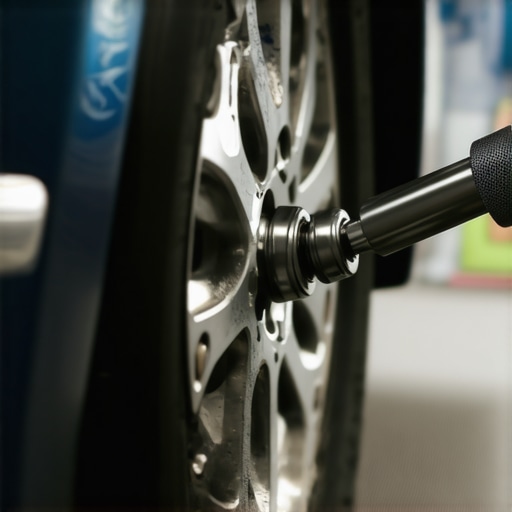
If the sensor shows signs of wear or inconsistent readings, consider swapping it. Removing the sensor is like unplugging a USB device—carefully disconnect wiring, unscrew it, and replace with a new one. Remember to use genuine parts to ensure compatibility. During my first attempt, I replaced a shift sensor, and within 10 minutes, my shifting issues vanished—an instant improvement for a fraction of the repair cost.
Reset the Transmission System
After sensor replacement, resetting the system helps calibrate the new sensor. This process varies: some vehicles require disconnecting the battery for 15 minutes, while others need a specific drive cycle. I once had to drive my car in a certain pattern to let the ECU recalibrate, as outlined in my vehicle’s manual. This step ensures your transmission computer recognizes the new sensor data, preventing future misreads.
Test Drive and Confirm Fix
Once you’ve replaced and reset, take your car for a test drive. Shift through gears to ensure smooth engagement; it’s like tuning an instrument—each gear should sound harmonious. I tested mine on different roads, noting how the hesitation disappeared. If issues persist, revisit the diagnostic process and double-check connections. Sometimes, a stubborn sensor or a wiring issue requires closer inspection or expert help.
Keep Sensors Clean and Protected
Prevent future glitches by keeping sensors clean—think of them as your car’s skin. Dirt and debris can cause false readings, prompting hunting or slipping. Periodic inspections and gentle cleaning with a soft cloth can maintain sensor accuracy. My own experience taught me that neglect leads to recurring problems, so integrating simple maintenance into regular service can save money down the line.
Executing these steps effectively restores shifting harmony without costly rebuilds. If you want to dive deeper into sensor issues, explore this detailed guide on why your engine tune-up might be failing without the right sensor. Proper diagnosis and timely replacement are your best tools for a smooth-driving experience.
Many car owners believe that routine tune-ups and auto services are straightforward tasks focused solely on replacing spark plugs, changing oil, or topping off fluids. However, this common perception misses critical nuances that can significantly impact vehicle longevity and performance. **Let’s dig deeper** into what most people get wrong about these essential maintenance routines and how understanding these subtleties can save you money and prevent costly repairs.
One widespread myth is that more frequent services always equate to better vehicle health. While regular maintenance is crucial, overdoing it without understanding specific car needs can lead to unnecessary expenses. Modern vehicles, especially advanced models like those from 2026, are equipped with sensors and intricate systems that detect precise issues, making some traditional ‘more is better’ approaches obsolete. For instance, changing transmission fluid on a strict schedule without checking its condition may be unnecessary if the fluid is still within optimal parameters. To gauge whether your transmission needs attention, consider consulting expert resources, such as [top transmission repair tips](https://collisionfixer.com/top-transmission-repair-tips-for-peak-vehicle-performance-in-2025).
Another mistake involves neglecting the importance of diagnostics. Many rely solely on visual inspection or routine replacements, missing hidden issues that sensors might reveal. For example, a misreading sensor in the transmission system can cause shifting problems that seem mechanical but are actually electrical in origin. This underscores the importance of using diagnostic tools like OBD-II scanners to uncover underlying problems early. Remember, a sensor glitch can be the root cause of symptoms like slipping or shuddering, and resolving this can be much more cost-effective than a full rebuild. If you’re unsure how to approach diagnostics, check out this [comprehensive guide on signs your gearbox is burning out](https://collisionfixer.com/6-signs-your-2026-gearbox-is-burning-out-repair-checklist).
Beware of the trap of focusing solely on mechanical parts and ignoring electronic components that have become central to vehicle operation. Advanced models from 2026 integrate systems where sensors, software, and hardware must work harmoniously. Overlooking this integration can lead to advanced mistakes, like replacing parts without considering software recalibration or sensor reinitialization. For example, after replacing a sensor, resetting the vehicle’s ECU through specific procedures is often necessary to ensure accurate calibration. Ignoring this step can result in recurring issues despite new parts.
Here’s a **key question** for the more experienced: How do you accurately diagnose a sensor that’s intermittently failing under specific conditions? This is a complex problem because sensor readings can fluctuate due to temperature, electrical noise, or partial failure. The solution involves thorough testing with specialized diagnostic equipment and sometimes, monitoring sensor outputs over time. Consulting expert resources like [expert transmission strategies](https://collisionfixer.com/expert-transmission-auto-repair-strategies-for-peak-performance-in-2025) can offer deeper insights into such issues.
In essence, proper car maintenance today demands more than just routine replacements. It requires an understanding of the vehicle’s electronic ecosystem, timely diagnostics, and precise calibration. Recognizing these nuanced aspects can prevent costly repairs, extend your vehicle’s lifespan, and ensure safety. Have you ever fallen into this trap? Let me know in the comments. Remember, staying informed about these hidden details makes you a smarter driver and a more effective DIY mechanic.Maintaining your vehicle effectively requires the right tools and a systematic approach. I personally swear by a high-quality diagnostic scanner like the AUTEL MaxiSys MS908, which allows me to read and clear error codes quickly, especially for complex systems like the transmission in my 2026 model. It’s crucial because many shifting issues originate from electronic glitches that are not visible to the naked eye. Investing in a reliable scanner saves time and helps you identify problems early, preventing costly repairs.
Alongside diagnostic tools, a well-stocked set of hand tools is indispensable. I recommend a comprehensive ratchet set with various socket sizes, because dismantling sensors or parts often demands precise fits. For example, removing a transmission sensor can be tricky; having a good torque wrench ensures you don’t overtighten or strip threads when replacing parts. Remember, genuine OEM replacement sensors and connectors are critical for long-term reliability.
For cleaning and maintaining sensors, I use a dedicated electrical contact cleaner like WD-40 Specialist Electrical Contact Cleaner. It effectively removes corrosion, dirt, and debris, which, as mentioned earlier, can cause false sensor readings leading to erratic shifts. Regular cleaning of sensors, especially in dusty or humid environments, prolongs their lifespan and keeps your transmission functioning smoothly.
Diagnostic software has also advanced significantly. With platforms like OBDLink MX+ paired with a smartphone app, I can monitor live data streams of my vehicle’s sensors in real time. This setup is invaluable for troubleshooting intermittent issues, such as sporadic slipping or hesitation in the transmission. For instance, watching the throttle position sensor data in real time helps confirm if it’s causing shifting delays.
Looking ahead, I believe emphasis on **cloud-based diagnostic systems**—which store vehicle history and alert you to upcoming service needs—will become standard practice. These tools will allow even personal users to access predictive maintenance insights, much like Tesla’s over-the-air updates. To prepare, consider integrating such systems now, perhaps through dedicated apps compatible with your scanner.
**How do I keep my tools in top shape over time?** Regular calibration of your torque wrench is vital, as inaccuracy can lead to improper tightening. Cleaning sensors periodically prevents false readings, especially after off-road adventures or extreme weather conditions. Reading about advanced sensor management techniques, like performing a software reset after replacing critical components, can make a big difference—check out expert strategies for [transmission auto repair](https://collisionfixer.com/expert-transmission-auto-repair-strategies-for-peak-performance-in-2025) to learn more.
**Pro Tip:** Next time you’re troubleshooting a shifting problem, try using your diagnostic scanner to monitor sensor data live while simulating driving conditions. You might uncover flaky sensors that need replacing before they cause more serious damage. Upgrading your tools and honing your maintenance routine will ensure your vehicle stays reliable and safe on the road.
The Hardest Lesson I Learned About tune up,car service,transmission,collisionfixer,auto repair
My most valuable insight came from a frustrating experience where overlooked sensor issues nearly cost me thousands. Realizing that modern transmissions rely heavily on electronic components made me see the importance of diagnostics over mere mechanical inspection. I learned that patience and thorough testing are essential before rushing into costly repairs, saving me both time and money in the long run.
Three Unexpected Truths About Vehicle Maintenance
Firstly, continuous sensor health checks can prevent major shifts in how your vehicle performs. Secondly, investing in quality diagnostic tools has empowered me to identify problems early, avoiding unnecessary part swaps. And finally, understanding the interplay between sensors and software has been my secret weapon for maintaining smooth shifting and overall vehicle longevity.
Tools and Resources That Changed My Approach to Auto Care
Using an advanced OBD-II scanner like the AUTEL MaxiSys MS908 provided me with precise insights. It’s reliable and user-friendly, making complex diagnostics accessible even for DIY enthusiasts. The repair manuals available online from trusted sources help me understand specific procedures tailored to my 2026 model. These resources have been game-changers, making maintenance more effective and less intimidating. Additionally, subscribing to expert blogs like CollisionFixer offers ongoing tips that keep my vehicle in peak condition.
Embrace the Journey Toward Confident Car Maintenance
Investing time in understanding your vehicle’s electronic ecosystem isn’t just smart—it’s empowering. Whether you’re a hobbyist or someone who wants to extend the life of their car, mastering these basics helps you avoid costly repairs and enjoy peace of mind. Remember, every expert was once a beginner, and your proactive steps today will lead to smoother drives tomorrow. Have you encountered sensor issues in your vehicle? Share your story below and let’s learn together!”} rabatt_key:
Benjamin Carter
I appreciate this detailed breakdown of sensor issues in newer models like the 2026, especially how complex diagnostics can seem daunting at first. I had a similar experience where my transmission hesitated unexpectedly, and I initially thought it was a mechanical fault. After reading through this, I realize that carefully checking the sensors with a quality diagnostic scanner was key to resolving the problem quickly. It’s interesting to see how electronic components now play such a vital role, and how sometimes a simple sensor reset can save a lot of money.
My question is, for those of us who aren’t as experienced with diagnostics, what beginner-friendly tools or steps would you recommend to start troubleshooting these sensor-related issues without immediately jumping to professional help? Also, how often should sensors be checked or cleaned preventatively? I’d love to hear tips for maintaining sensor health over time—especially in climates with extreme weather—since dirt and debris can often cause false readings and unexpected shifting problems.