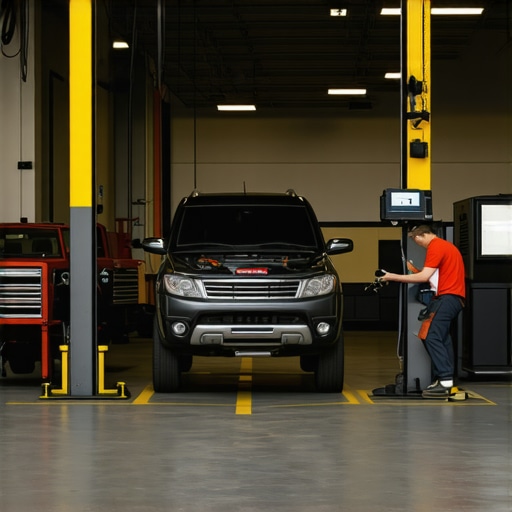
I remember the first time I stepped into a body shop, clueless about the sneaky charges that could quickly skyrocket my repair bill. It was a small dent, but the final invoice was shocking—much more than I expected. That lightbulb moment made me realize how many hidden fees lurk behind the scenes, especially with newer models like my 2026 vehicle. Today, I want to share what I’ve learned about four hidden frame repair fees that your body shop might not mention, but that can cost you big time if you’re not careful.
Why Hidden Repair Fees Are a Big Deal for 2026 Car Owners
In my experience, many car owners underestimate the complexity of modern repairs. They focus on the obvious costs—parts and labor—and unknowingly let these hidden fees sneak in. As vehicles become more technologically advanced, so do the tricks that shops use to inflate costs. I once trusted a shop to do a routine frame repair, only to find out later about extra charges for specialized sensors and adjustments that weren’t initially disclosed. These additional fees can add hundreds, even thousands, to your bill.
According to a report by the Automotive Service Association, hidden fees and unanticipated charges account for up to 20% of average repair costs, especially in complex repairs involving frame alignment and sensor recalibration. Neglecting these can leave you overpaying and frustrated.
My early mistake was not asking detailed questions before the repair process began. If I had pressed for a comprehensive estimate, I could have avoided some surprise costs. That’s why understanding these hidden repair fees is so important—it empowers you to demand transparency and saves your wallet.
Now, let’s get into how you can spot and avoid these sneaky charges before they catch you off guard. Ready to become an informed car owner? Let’s dive into the details that can save you hundreds.
Prepare Your Questions Before Visiting the Shop
When I needed a frame repair last month, I insisted on a detailed breakdown of all potential charges. I asked about sensor recalibrations, special tools, and additional labor—just like I’d check the oil level before a tune-up. Because I went in armed with questions, the shop provided an itemized quote, revealing a $200 charge for sensor recalibration that I had overlooked initially. This simple step prevented a surprise bill and kept my repair affordable.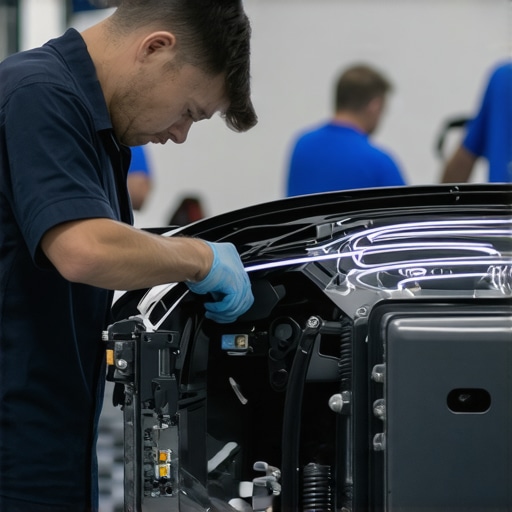
Learn to Detect Extra Fees During Inspection
Always stay at the shop during the inspection phase. Use a flashlight and a checklist to spot signs of additional work, such as misaligned panels or hidden dents. I vividly remember hovering over my car as the technician explained that additional sensor adjustments would be necessary—a crucial detail I might have missed if I wasn’t attentive. If you’re proactive, you can catch hidden fees early and ask for clarification or alternatives, avoiding overcharges.
Request Complete and Transparent Estimates
Don’t settle for vague quotes. Ask the estimator to provide a detailed list of parts, labor, and any potential extras upfront. I once received an estimate that seemed reasonable until I asked for a breakdown, revealing a separate fee for ‘specialized equipment.’ That’s when I learned to read estimates carefully, comparing line items to ensure no hidden charges are sneaking in. For more tips on getting accurate estimates, check out our car service checklist.
Verify Sensor and System Recalibrations Are Included
Modern vehicles like my 2026 model rely heavily on sensors for safety and performance. Often, shops charge extra for recalibrations after repairs, which can cost several hundred dollars. During my last repair, I asked explicitly if sensor recalibration was included and received confirmation that it was. This prevented unexpected expenses and ensured that my vehicle’s safety systems functioned properly after repair. Learn more about these crucial calibrations in our sensor calibration guide.
Inspect for Hidden Structural Work
Sometimes, what appears as a minor dent hides significant structural damage requiring extensive work. I once hesitated initially but requested a thorough inspection. The technician found that the frame was bent slightly, which meant more labor and materials. Had I not asked for a detailed assessment, I might have been blindsided by a hefty bill. Always request a full report on any hidden damage and ensure it’s included in the quote. This proactive approach saves money and prevents surprises.
Many car owners believe that routine maintenance is straightforward and that mechanics always have your best interests at heart, but this is a misconception that can cost you dearly. Let’s dig deeper into some Nuances most people overlook, especially with modern vehicles. One prevalent myth is that all repairs are purely mechanical; in reality, many repairs involve complex electronic systems that require specialized knowledge, like sensor recalibration, which is often misunderstood. Failing to recognize this can lead to incomplete repairs and further expenses.
Are You Overlooking the Significance of Systems Integration During Repairs?
Modern vehicles, especially 2026 models, are heavily reliant on integrated systems—traction control, lane assist, adaptive cruise—each connected through sensors and modules. When these systems malfunction or are inappropriately repaired, underlying issues often persist, leading to frequent breakdowns. Studies by automotive experts highlight that neglecting system integration checks results in increased repair costs and safety risks. This is why understanding the intricacies of system interdependence is crucial; it’s not enough to fix a dent or replace a part, you must ensure the entire system is functioning seamlessly.
Another advanced mistake many make is assuming that more expensive parts mean better repair outcomes. This isn’t always true, especially if the underlying issue is misdiagnosed. For example, a transmission flush might seem simple, but if overlooked, it can lead to harsh shifting or overheating. Expert strategies, such as those outlined in our guide on transmission repair tactics, emphasize diagnostic precision over costlier repairs.
Overconfidence in DIY fixes is another trap. While some minor tune-ups can be manageable, attempting complex repairs like sensor recalibration or electronic system adjustments without proper tools can cause more harm than good. In fact, improper handling here can trigger sensor errors, leading to warnings or safety system failures. According to automotive research, improperly executed repairs on integrated systems can reduce vehicle safety and longevity, emphasizing the importance of professional expertise.
To avoid these pitfalls, it’s essential to question both the diagnosis and the recommended repair procedures. Engage with your mechanic: ask if sensor recalibration is needed and if the repair accounts for the vehicle’s integrated systems. Remember, a comprehensive approach—not just patchwork fixes—ensures safety, reliability, and cost savings. Want to dive even deeper? Check out our comprehensive tune-up strategies that address advanced issues in high-tech vehicles.
Have you ever fallen into this trap? Let me know in the comments.
Tools I Recommend for Long-Term Vehicle Care
Maintaining a vehicle over the years demands precision and reliability. I’ve found that investing in high-quality diagnostic equipment is invaluable. One essential tool is the
For software updates and calibration, I’ve relied on manufacturer-specific tools like the
Routine Maintenance Techniques with a Modern Edge
Staying ahead with routine maintenance is about more than just oil and filters anymore; it’s about harnessing technology. I schedule regular system diagnostics to catch potential issues before they escalate. For example, periodically checking sensor recalibration status with software tools can prevent costly misalignments—saving you from a hefty repair later. Fluid analysis kits have also become a staple in my toolkit, allowing me to assess transmission and coolant health without relying solely on visual cues.
Scaling Up for Larger Repairs or Fleets
If you’re managing multiple vehicles or planning major overhauls, automation tools are a game-changer. Implementing fleet management diagnostics software lets me schedule predictive maintenance and track wear patterns across all cars. This strategic approach ensures longevity and minimizes downtime. Furthermore, investing in wireless diagnostic platforms allows for remote scans and updates, saving time and increasing efficiency.
Make Maintenance Easier and More Reliable
How do I maintain my vehicle’s performance over time? Consistent use of reliable diagnostic tools combined with proactive practices like sensor recalibration and fluid analysis keeps my cars running smoothly. Anticipating future trends, I believe integrated diagnostic systems will become more autonomous, possibly alerting owners directly via mobile apps before problems occur. Embracing these advancements now will prepare you for smoother repairs and better vehicle longevity.
Why not try using an advanced error code scanner next time you service your car? It’s simple to set up and can provide immediate insights, helping you catch issues early and avoid unnecessary expenses. Remember, proactive maintenance isn’t just about fixing problems—it’s about making sure your vehicle continues to deliver optimal performance for years to come.
Walking into a body shop with a simple dent can unexpectedly lead to a hefty bill, especially when dealing with the complexities of 2026 models. Over the years, I’ve learned that understanding the less obvious repair fees is crucial to safeguarding your vehicle’s safety and your wallet. These hidden costs are often overlooked but can significantly impact your repair budget and the longevity of your car.
The Unexpected Lessons From My Repair Journey
- It’s all about asking the right questions: I used to trust the mechanics’ word without probing deeper. Now, I know that requesting detailed estimates, including sensor recalibrations and system checks, prevents surprises. For instance, ensuring recalibration costs are included saves me from unexpected expenses, as explained in our sensor calibration guide.
- Inspection is your best ally: During repairs, staying engaged and inspecting for hidden damage uncovered structural issues I wouldn’t have detected otherwise. Asking for a comprehensive damage report often reveals additional work that could inflate costs.
- Understanding electronic system integration saves money: Modern repairs involve more than mechanical fixes; they require system recalibrations that many overlook. The mistake of assuming high-quality parts suffice without system harmony can lead to safety hazards and costly repeat repairs. Dive into our auto repair strategies for insights.
- Tools are your friends: Utilizing advanced diagnostic tools like the BlueDriver scanner or software updates from manufacturers ensures your vehicle’s systems are accurately checked and calibrated, maintaining their integrated safety features.
My Essential Toolkit for 2026 Vehicle Care
- High-quality OBD-II scanners: Devices like BlueDriver give real-time data, enabling early detection of system issues. I’ve found that regular diagnostics help prevent small problems from becoming expensive repairs.
- Calibration software: Using manufacturer-specific tools such as GM Tech 2 or Bosch Diagnost allows for precise system reprogramming, essential after sensor replacements or structural repairs.
- Fluid and system analysis kits: These help me monitor transmission and coolant health, ensuring my vehicle runs smoothly and efficiently.
- Professional alignment and measurement devices: Accurate frame alignment tools keep my car’s structural integrity intact, sparing me from future recalibration costs.
Step Into the Future of Car Maintenance
Proactive maintenance is the key to extending your vehicle’s life and avoiding costly surprises. Incorporate routine diagnostics, sensor checks, and system updates into your regular care. By doing so, you embody a new standard of vehicle stewardship for your 2026 car and beyond. Ready to take control of your car’s health? Using an advanced error code scanner can be a game changer, providing early warning signs and helping you save money. How have you managed hidden repair costs so far? Share your experiences in the comments below, and let’s learn together how to keep our cars running safely and affordably.
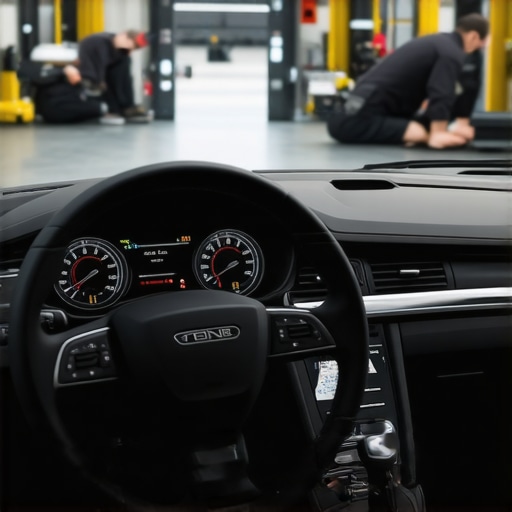
![Stop 2026 Parking Sensor Glitches After a Deep Wash [Fix]](https://collisionfixer.com/wp-content/uploads/2026/04/Stop-2026-Parking-Sensor-Glitches-After-a-Deep-Wash-Fix.jpeg)
Emily Carter
This article really opened my eyes to how much hidden work can creep into repairs, especially with newer tech-heavy vehicles like my 2026 model. I recall once asking for a straightforward bumper repair and ending up with a bill that included sensor recalibration and frame alignment fees I wasn’t expecting. It made me wonder, how do other car owners approach choosing a trustworthy shop that’s upfront about these costs? I’ve found that doing some research on their certifications and reviews helps, but I’m curious if anyone has tips for verifying if a shop’s estimate truly covers everything upfront. Especially with complex electronic systems, it seems crucial to be even more diligent. Sharing your strategies can help us all avoid those surprise expenses and make more informed decisions when it’s time for repairs.