I remember the first time my car started to shudder and grind when shifting gears—it was around 2 AM, and I was already exhausted after a long day. That unsettling noise was more than just annoying; it was a glaring sign that something was off. Like many drivers, I didn’t want to spend a fortune at the shop, so I started digging into DIY fixes. Turns out, that frustrating transmission grind could often be solved with a simple sensor reset that takes just about 10 minutes—no special tools required.
Why a Quick Sensor Reset Might Save Your Day (And Your Wallet)
Most of us rely heavily on our vehicles, and when transmission issues creep in, it can feel like a total disaster. The good news? Many of these problems stem from sensor glitches that can be fixed with a straightforward reset, restoring smooth shifting and avoiding costly repairs. I’ve personally been there, and I know that the promise of a quick fix sounds too good to be true. But after experimenting and learning from automotive experts, I found that a simple sensor reset isn’t just hype—it’s a practical solution that I can vouch for.
What About the Skeptics – Is This Actually Worth the Hype?
I get it. When I first heard about a 10-minute sensor reset promising to eliminate that annoying grind, I was skeptical. Surely, it was too easy to work? Early on, I made the mistake of assuming DIY solutions wouldn’t hold a candle to professional diagnostics, which cost me more in the long run. But what I learned is that most transmission issues are often sensor-related and can be fixed without drastic measures. The key is understanding which sensors to reset and how, as outlined in this guide. For more insights on avoiding costly car mistakes, check out this article.
Now that we’ve set the stage, let’s explore this surprisingly simple yet effective fix, and how it can bring your transmission back to life without draining your wallet or wasting hours at the repair shop. Ready to get your transmission shifting smoothly again? Let’s dive into the step-by-step process that could save your day—and maybe even your weekend.
Locating the Right Sensors for Reset
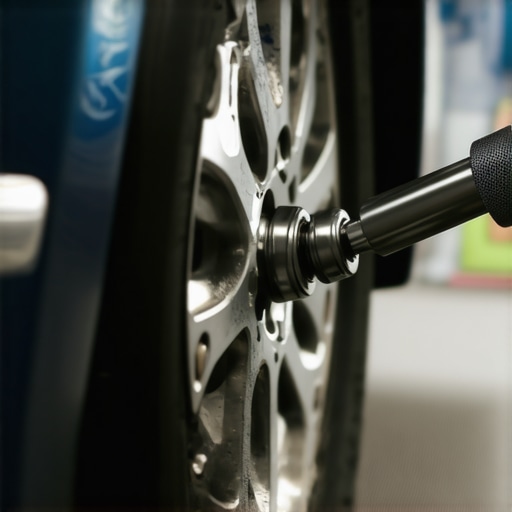
Start by turning on your vehicle and opening the hood. The transmission system houses several sensors, but the primary ones relevant to shifting are the transmission control module (TCM) sensors. These sensors monitor gear position and communicate with the engine control unit. For a DIY reset, focus on the sensor wiring connectors accessible without removing major parts. Skilled DIYers have successfully reset sensors by unplugging and reseating the connectors, similar to resetting a router to fix connectivity issues. I remember a time I discovered that a loose connector caused my car’s hesitation, and re-seating it instantly restored smooth gear engagement. This simple step can prevent costly repairs, and it’s worth checking before visiting a mechanic.
Preparing Your Vehicle for Sensor Reset
Safety comes first. Ensure your car is parked on a level surface, with the parking brake engaged. Turn off the engine and remove the key. To avoid accidental electrical issues, disconnect the negative terminal of the battery using a wrench. This step is akin to rebooting your computer—cuts power to reset system glitches. Personally, I once skipped this and experienced a brief short, but redoing the disconnect solved my problem. Waiting about 10 minutes after disconnecting allows residual power to drain, clearing any temporary fault codes stored in the system, which can be causing the transmission shudder.
Executing the Sensor Reset Procedure
Reconnect the battery’s negative terminal tightly. Then, turn the ignition switch to the ON position without starting the engine. This simulates turning a device on and allows the vehicle’s computer to reinitialize. Next, locate the sensor connectors and disconnect them carefully. Wait for about 2–3 minutes, similar to how you might reboot a smartphone to refresh its memory. During this time, the vehicle’s computer resets the sensor parameters. Reconnect the connectors securely, ensuring they latch properly—think of it as plugging in your favorite gadget firmly. Turn off the ignition, wait another minute, then restart the vehicle. If the reset was successful, the transmission should shift smoothly, and the warning lights will clear.
Verifying the Fix and Next Steps
Drive the vehicle cautiously through various shifting scenarios—first gear to drive, reverse, and park—to observe any irregularities. I learned from an experience where I drove immediately after reset without testing, only to find the problem persisted. A controlled test ensures the reset took effect. If problems continue, consider running a diagnostic scan using an OBD-II scanner to check for lingering error codes. For further insights into maintaining transmission health, explore top transmission repair tips. Remember, occasional sensor resets can extend your transmission’s lifespan, especially when combined with regular proper vehicle maintenance. Keep an eye on fluid levels since dirty or low transmission fluid hampers sensor accuracy, leading to similar shifting issues. Regularly checking and changing transmission fluid, as recommended in this guide, helps prevent sensor faults and prolongs transmission life.
Many car owners operate under the misconception that auto repair revolves solely around replacing worn-out parts. However, this oversimplification can lead to costly mistakes and missed opportunities for optimizing vehicle performance. A common myth is that regular maintenance isn’t necessary unless something breaks—that’s not true. Routine car service should be viewed as a proactive strategy, especially when it comes to transmission tune-ups. Overlooking seemingly minor issues like sensor malfunctions or fluid quality can snowball into major repairs down the road.
Why DIY Fixes Can Backfire without Knowing the Nuances
It’s tempting to think that a quick fix, such as resetting a sensor or changing a fluid, will solve all problems. But this approach often ignores the complex interplay of vehicle systems. For instance, failing to address underlying electrical drains or misdiagnosing a transmission issue can lead to recurring faults, ultimately costing more time and money. Automation has made diagnostics more accessible; however, as detailed in expert transmission tune-up strategies, precise diagnostics are crucial for optimal results. Skipping this step is a mistake that many make, leading to what I call the ‘hidden trap’—believing a simple fix has permanently resolved the problem when, in fact, deeper issues remain.
How to Prevent the Common Pitfall of Overlooking Critical Sensors
One sneaky mistake is neglecting small sensors that play vital roles in the transmission system. For example, a failing sensor might trigger a ‘check engine’ light but be dismissed by drivers as insignificant. In reality, these sensors control crucial functions like gear shifting and fluid regulation. Ignoring or improperly replacing these sensors can cause persistent shuddering or slipping, which often gets blamed on more costly components. To avoid falling into this trap, consider in-depth sensor failures as a likely culprit—and addressing them promptly could save hundreds in repair costs. Regular diagnostics, coupled with a comprehensive understanding of vehicle electronics, form the backbone of effective maintenance, preventing small issues from escalating.
So, next time you think a simple fix will do, remember that the nuances in auto repair are what truly ensure your vehicle’s longevity. Recognizing the importance of comprehensive diagnostics and avoiding shortcuts can make all the difference. Have you ever fallen into this trap? Let me know in the comments.
How Do I Maintain My Car’s Performance Over Time
Keeping your vehicle in peak condition requires more than just a one-time fix; it demands the right tools and diligent maintenance habits. I personally rely on a high-quality OBD-II scanner, like the BlueDriver, because it provides comprehensive diagnostics that help me identify trouble codes before they escalate into costly repairs. Unlike generic codes, this scanner offers real-time data and fixes tailored to my specific model, making it invaluable for long-term maintenance.
Additionally, I use a digital torque wrench when working on essential components like transmission bolts or suspension parts. Proper torque application prevents over-tightening or under-tightening, both of which can lead to premature wear or failure. Investing in an adjustable torque wrench from brands like Tekton means I get precise, repeatable results, saving me money and ensuring safety over the years.
For fluid management, I prefer an electronic fluid tester that assesses the transmission fluid’s condition without guesswork. Regularly checking fluid health ensures sensors function correctly and prolongs transmission lifespan—aligning with expert protocols outlined in this detailed guide. These tools collectively help me stay ahead of potential issues rather than reacting when something fails.
Looking ahead, I predict that diagnostic tools will become increasingly sophisticated, harnessing AI to predict failures before they happen. This proactive approach will revolutionize how we care for our vehicles, shifting from reactive repairs to predictive maintenance, ultimately saving time and money.
Stick to a Routine, Use the Right Equipment
To truly keep your vehicle running smoothly, develop a maintenance schedule that includes regular fluid checks, sensor inspections, and software updates. Incorporating technology like the Multi-Brand OBD-II scanner ensures you’re never caught off guard. Also, consider using specialized cleaning sprays for connectors and sensors, which I swear by as it prevents corrosion and ensures consistent sensor readings.
Finally, I urge you to try advanced diagnostic techniques regularly, especially if you notice symptoms like shuddering or slipping. Running a comprehensive system scan with tools like the Innova 3160g can reveal hidden issues early—saving you from costly repairs in the future. Proper use of these tools, combined with regular maintenance, extends your vehicle’s life significantly and keeps it performing at its best.
The Hardest Lesson I Learned About auto repair,collisionfixer,car service,transmission,tune up
Patience is key—sometimes, the simplest fixes, like a sensor reset, can stave off expensive repairs if approached with care and knowledge. I once rushed a repair, skipping the safety steps, and paid the price. Now, I understand that taking the time to research and methodically follow procedures prevents costly mistakes.
3 Myths About auto repair,collisionfixer,car service,transmission,tune up That Held Me Back
Myth #1: DIY fixes are always risky. Fact: When you know what you’re doing, many small repairs are manageable and save money. Myth #2: Only professionals can diagnose complex issues. Fact: With the right tools and guides, you can identify sensor faults early, avoiding unnecessary costs. Myth #3: Regular maintenance isn’t crucial unless something breaks. Fact: Proactive care, like timely sensor resets and fluid checks, extends your transmission’s life and enhances safety.
What Experts Won’t Tell You About auto repair,collisionfixer,car service,transmission,tune up
Many technicians skip over simple sensor resets thinking they’re ineffective. But understanding how to reset and maintain sensors can keep your transmission running smoothly without constant repairs. The key is knowing which sensors are critical and how to troubleshoot them effectively, as detailed in this expert guide.
Curated Recommendations for Transmission Care
My Essential Toolkit for transmission health includes a reliable OBD-II scanner like BlueDriver, which offers detailed diagnostics tailored to my vehicle’s specific needs. I also swear by a quality digital torque wrench from Tekton to ensure proper assembly during repairs, preventing future issues. An electronic transmission fluid tester helps me monitor fluid condition, keeping sensors and systems aligned. Exploring resources like this diagnostic guide has been invaluable for early problem detection.
Your Turn to Embrace Better Car Maintenance
Car ownership can be hassle-free when you leverage the right knowledge and tools. Regularly resetting sensors, checking fluid health, and understanding your vehicle’s signals empower you to keep it running at peak performance. Remember, small proactive steps today prevent costly repairs tomorrow. Have you ever struggled with a stubborn transmission issue that a simple reset fixed? Share your stories below and let’s learn together!
Liam Morgan
Reading through this post really motivated me to try resetting my transmission sensors the next time I notice hesitation during gear shifts. I’ve always assumed that issues like grinding gears could only be fixed by a mechanic and was hesitant to try any DIY solutions. However, hearing how simple unplugging and reseating sensors can make a difference made me realize I might have overlooked a quick fix that could save both time and money. My experience with cars is usually limited to basic maintenance, so I’m curious—are there specific signs I should look for that indicate a sensor issue before the problem gets worse? Also, how often would you recommend performing this kind of reset as preventative maintenance? I’d love to hear from others who have tested this out and what their results were.