
I remember the exact moment I realized I was taking my car’s maintenance for granted. It was a freezing winter morning, and suddenly my transmission started slipping. What should have been a simple check-up turned into a costly repair because I ignored early warning signs. That experience was a real wake-up call for me—and maybe for you too.
Why Proper Car Maintenance Can Save You Thousands
If you’re like me, you’re probably tempted to delay routine maintenance, thinking it’s a hassle or unnecessary expense. But the truth is, neglecting small issues now can lead to major breakdowns later. In fact, according to industry experts, regular maintenance could help you avoid upwards of 50% of auto repair costs over a vehicle’s lifespan. That’s money back in your pocket and peace of mind on the road.
Is Skipping Maintenance Actually Worth the Risk?
Early on, I made the mistake of waiting too long to address my transmission’s subtle slips. I thought it was minor and would resolve itself—big mistake. This delay nearly doubled my repair costs and kept me off the road for days. If you’re skeptical about whether proper maintenance makes a difference, consider this: preventative care isn’t just about avoiding breakdowns. It’s about ensuring your safety, optimizing performance, and extending the life of your vehicle. Curious about how to start? Check out top car service tips for 2025 that can help you stay ahead of costly repairs and keep your car running smoothly.
Now, let’s delve into the practical steps that will help you prevent surprises and keep your car in peak shape for the year ahead. Are you ready to become proactive about your vehicle maintenance? If you’ve faced unexpected breakdowns or costly repairs, you’re not alone—and there’s a smarter way to care for your ride.
Start with a comprehensive vehicle inspection
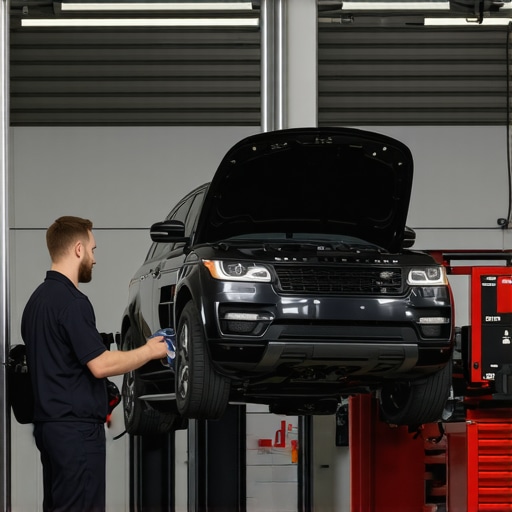
Picture yourself as a doctor diagnosing a patient; you need to identify all issues before recommending treatment. Begin by checking fluid levels—engine oil, transmission fluid, coolant—using the dipstick or reservoir markings. Inspect belts and hoses for wear or cracks. For transmission specifically, look out for signs of slipping or delayed engagement, which hint at underlying issues that require timely diagnosis. Regularly scheduled auto repair diagnostics, like those outlined in these tips, can help catch problems early and save money.
Maintain fluid levels and quality diligently
Think of transmission fluid as the blood of your vehicle—if it gets thick or dirty, everything from shifting to cooling becomes inefficient. Regularly check the transmission fluid level; if it’s low or darkened, it’s time for a fluid change. Using high-quality synthetic fluids can improve transmission performance and longevity. For a detailed guide on maintaining your transmission system, visit this comprehensive guide. Remember, negligence here can turn a simple maintenance into a costly repair, much like neglecting blood tests can lead to severe health issues.

Perform targeted tune-ups to optimize performance
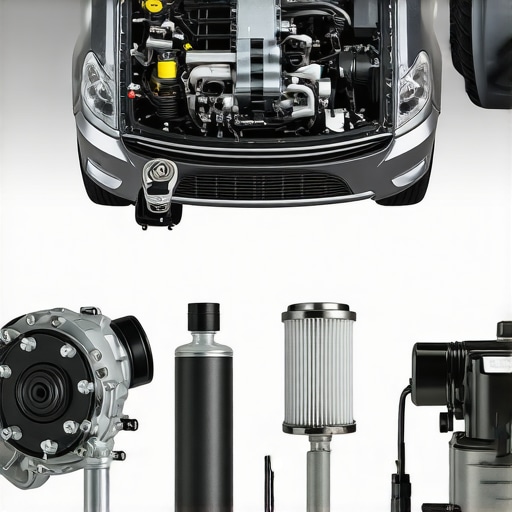
Consistent tune-ups are like personalized workouts for your car—keeping everything in peak condition. Focus on replacing filters, spark plugs, and inspecting the ignition system. For transmission, a tune-up might involve adjusting pressure valves or replacing worn clutches, especially if shifting feels off. Applying professional strategies such as those highlighted in tune-up strategies for 2025 can dramatically improve driveability and safeguard your transmission from future failures.
Pay attention to signs of trouble and address them promptly
Think of early warning signs like a fever—ignoring them can lead to serious health crises. Transmission slipping, strange noises, delayed engagement, or fluid leaks are indicators that your system needs immediate attention. Don’t wait for a breakdown to act; as shown in repair tips, proactive repairs can prevent extensive damage. When issues arise, opt for expert diagnoses to pinpoint problems precisely and choose the right repair options.
Schedule regular professional checkups
Think of your vehicle as a patient requiring routine checkups. Visiting a trusted auto repair service provider ensures that diagnostics are up-to-date and that subtle issues don’t become emergencies. For advice on selecting quality service, review tips for top auto repair. Consistency here maintains vehicle safety and performance, offering peace of mind for every journey.
Keep detailed maintenance records
Imagine having a medical history; it helps doctors provide better care. Similarly, detailed records of maintenance and repairs ensure that your mechanic understands your vehicle’s history, enabling precise diagnostics and effective solutions. This habit also helps track when important services like fluid changes or part replacements are due, making it easier to stay ahead. For further insights, see auto repair diagnostics tips.
When it comes to car maintenance, many believe that sticking to basic repairs and routine oil changes is enough to keep their vehicles in top shape. However, this oversimplification overlooks nuanced issues that can compromise vehicle safety and performance. One common myth I often encounter is the idea that transmission fluid can be neglected as long as the car runs smoothly. In reality, transmission fluid deteriorates over time, affecting shifting and cooling efficiency, which can lead to costly repairs if not addressed proactively. Experts emphasize that regular checks and timely fluid changes are crucial, and neglecting this can cause damage similar to ignoring early signs of illness in a patient. Avoid falling into the trap of assuming that minor symptoms like delayed engagement or slipping are insignificant; these can be early indicators of more severe transmission issues. For advanced car owners, understanding the importance of detailed diagnostics and targeted tune-ups is vital. Developing a habit of consulting specialized resources, such as the comprehensive expert guides on car safety and maintenance, can make a significant difference. Misunderstanding the subtleties of auto repair not only risks vehicle longevity but also your safety on the road. Many drivers underestimate the complexity of transmission systems, believing that generic fixes suffice. Yet, sophisticated strategies, like precise pressure adjustments and clutch inspections, are necessary for optimal performance. Without this knowledge, people often fall into avoidable repair traps, costing more in the long run. To truly optimize your vehicle’s health, consider deepening your understanding of advanced transmission tune-up techniques. Remember, superficial fixes won’t suffice—only a thorough, expert approach guarantees safety and performance. Have you ever fallen into this trap? Let me know in the comments to share your experiences and learn more about avoiding these common pitfalls.
Maintaining your vehicle’s transmission and overall auto systems over time requires more than just basic tools. I personally rely on a set of specialized equipment and software to ensure precise diagnostics and effective repairs. One indispensable tool in my arsenal is the OBD-II scanner. I use the BlueDriver Bluetooth OBD-II Adapter because it offers advanced diagnostics and real-time data that help me identify issues before they become costly failures. Connecting it to my smartphone via dedicated apps, I can monitor transmission codes, fluid temperatures, and sensor performance effortlessly, streamlining the maintenance process. For more comprehensive analysis, I also employ auto repair diagnostic tips for 2025 to stay ahead of emerging tech trends.
Another critical piece of equipment is the digital torque wrench. This tool ensures that nuts and bolts—especially on components like clutches and pressure plates—are tightened precisely to manufacturer specifications. Over-tightening can damage parts or cause leaks; under-tightening risks component failure. I prefer models like the Tekton Digital Torque Wrench because it provides accurate readings and helps me uphold the integrity of transmission repairs and tune-ups. As tools evolve, I predict integration of AI-assisted torque settings will become standard, making maintenance even more reliable.
In terms of software, I recommend using transmission tune-up strategies for 2025 software to plan and document your repairs meticulously. Keeping detailed records using diagnostic software not only tracks your vehicle’s health but also informs future maintenance cycles, reducing long-term costs and downtime.
How do I maintain long-term performance and scale my car service skills?
Regularly updating your tools and embracing new diagnostic techniques is key. As technology advances—such as the move toward smart transmission controllers—your equipment must evolve accordingly. Investing in a professional-grade scan tool and staying informed through industry-specific resources like CollisionFixer’s diagnostics tips can markedly improve your ability to perform reliable long-term maintenance. Don’t forget to attend workshops or online courses offered by expert platforms that focus on the latest in auto repair technology.
By combining precise tools, continuous education, and strategic diagnostics, you keep your vehicle in top shape for years to come. I encourage you to try out a professional-grade diagnostic scanner this month—it’s a game-changer for proactive maintenance and preventing costly breakdowns.
Keeping your car system in peak health isn’t just about fixing problems when they arise; it’s about embracing a proactive mindset with the right tools that grow with your skills. Trust me, investing now in advanced diagnostics and proper torque tools will save you time and money in the long run.

Lessons from the Trenches: What I Wish I Knew Sooner
- Skimping on early warning signs like slipping or strange noises often leads to costly repairs; catching issues early transforms your car’s lifespan.
- Investing in quality diagnostic tools and learning how to interpret their data provides unmatched confidence and saves money over time.
- Recognizing the subtle cues your transmission gives you—like delayed engagement—can prevent breakdowns before they happen.
- Regular, targeted tune-ups tailored to your vehicle’s needs are the secret weapon to maintaining peak performance in the long run.
- Building a strong relationship with a trusted auto repair professional ensures your transmission gets the care it deserves, extending its lifespan.
My Go-To Resources for Car Care Wisdom
- Top car service tips for 2025 — A comprehensive guide that keeps me ahead of the curve with the latest maintenance strategies.
- Expert transmission tune-up strategies for 2025 — Deep dives into advanced techniques that safeguard my vehicle’s longevity and performance.
- Auto repair diagnostic tips for 2025 — Essential insights for interpreting error codes and preventing minor issues from escalating.
- CollisionFixer’s safety-focused repair guides — They blend technical expertise with safety priorities, giving me peace of mind on every drive.
Embrace Your Role as Your Car’s Best Steward
Your vehicle is more than just a machine; it’s a crucial part of your daily life. Taking proactive steps in transmission maintenance, equipped with the right knowledge and tools, sets you apart as an informed car owner. Remember, a well-maintained transmission not only boosts performance but also enhances safety and saves you money in the long run. Why wait for a breakdown when you can prevent it? Start today, stay consistent, and watch how your vehicle rewards your care with reliable service and smooth rides ahead.
How have you managed your transmission maintenance routines? Share your experiences below—let’s learn from each other and drive smarter together!
,

James Carter
Reading through this post really resonated with me, especially about the importance of early detection when it comes to transmission issues. I had a situation last year where my transmission was slipping occasionally, but I thought it was just a minor glitch. It wasn’t until I noticed delayed engagement and strange noises that I finally took it to a mechanic. Turns out, regular diagnostics and paying attention to those subtle cues could have saved me quite a bit of money and stress. Now, I make it a point to check my fluid levels and listen to what my car is telling me. Has anyone found specific diagnostic tools or routines particularly effective for spotting transmission problems early? I’ve been considering getting a more advanced scanner—any recommendations? It’s amazing how much proactive maintenance can extend the lifespan of a vehicle and save costs in the long run. Would love to hear more tips or personal stories on how others keep their transmission in top shape without waiting for a breakdown.