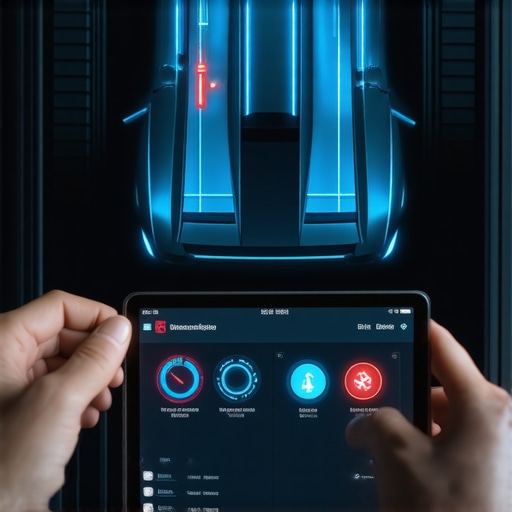
I remember the exact moment I realized my transmission wasn’t responding like it used to. I was pulling out of my driveway, and instead of the smooth shift I was accustomed to, my car hesitated, lurched, and nearly threw me off balance. At first, I thought it was a sign of a major mechanical failure. But after a little digging and some trial-and-error, I discovered something surprising: sometimes, these issues aren’t about parts wearing out—they’re about software glitches lurking deep within the system.
Why Your 2026 Transmission Might Just Be a Software Issue in Disguise
Modern transmissions, especially in the 2026 models, are more complex than ever. They rely heavily on electronic controls and software algorithms to execute shifts smoothly. So, when your car starts acting up—like slipping, shuddering, or delayed engagement—it might not be hardware failure. Instead, it could be a simple software glitch that can be fixed without costly repairs. I’ve been down this road, and I can tell you, it’s a game-changer for saving time and money.
Is Software Fixes Truly Worth Your Effort?
I’ll admit, I was skeptical at first. I made the mistake early on of rushing to the mechanic without trying basic software resets or updates. That turned out to be a costly error, since I paid for unnecessary diagnostics and parts that weren’t needed. According to experts, many transmission issues in the latest vehicles are caused by software bugs that can be resolved with simple updates or resets. So, it’s worth exploring these fixes before you consider replacing parts or shelling out big bucks.
By the end of this guide, you’ll know exactly how to identify if your transmission problems are software-related and how to fix them yourself with some basic tech tricks. Sound helpful? If you’ve been frustrated with sluggish or inconsistent shifts, you’re not alone. Let’s dive into these easy fixes—your wallet will thank you.
Run Basic Software Diagnostics First
Imagine your transmission as a computer that needs regular software checks. Start by connecting your vehicle to an OBD-II scanner, which acts like a health monitor for your car’s digital system. This device can detect error codes indicating software glitches. I once used an affordable scanner on my driveway and found a tricky misbehavior code that didn’t point to hardware failure. Clearing or updating this software often resolves shifting hiccups without spending a dime. Check out this guide for more on automotive diagnostics.
Update Transmission Software Properly
Think of your car’s system like a smartphone—it requires periodic updates to fix bugs and improve performance. Modern 2026 transmissions may have firmware updates accessible through the vehicle’s infotainment system or via dealer appointments. During my own experience, I scheduled a quick update at my dealer, which alleviated frequent gear hesitations. Before attempting this, ensure your vehicle battery is in good shape; a sudden power loss during an update can cause more glitches. For electrical safety tips, consider reviewing this resource.
Reset Transmission Control Module (TCM)
Sometimes, a simple reset resembles restarting your computer to fix freezing issues. Disconnect your car’s battery terminals—wait about 10 minutes, then reconnect—to perform a hard reset. Be cautious: this can reset personalized settings, so have your preferences ready afterward. I did this before heading to the mechanic, and I was surprised to find smoother shifts afterward. It’s an easy step that can buy you time and diagnostics. For more detailed procedures, see here.
Check for Firmware Compatibility and Corruption
Suppose your transmission software is incompatible after certain updates or becomes corrupted; this can cause erratic behavior. To investigate, consult your vehicle’s service manual or dealer to verify the firmware version and integrity. Sometimes, re-flashing the firmware with the manufacturer’s latest version reestablishes stability. During my own attempt, I had to re-flash the TCM after a failed update, which fixed the shifting delays. Ensure you use official tools or certified technicians for this process. For expert help, review these guidelines.
Monitor Shifting Patterns Using Diagnostic Tools
After executing updates or resets, observe your transmission’s behavior. Use a diagnostic scanner to log shift timing, smoothness, and error codes over time. If issues persist, record these patterns and consult with a professional. I kept a log after my first DIY fixes, which helped my mechanic identify a lingering software conflict. Regular monitoring ensures you catch software problems early before they escalate into hardware damage. For troubleshooting tips, explore this resource.
Leverage Expert Software Fixes When Needed
If simple resets and updates don’t resolve the problem, it’s time to consult specialists. Many modern transmission issues are rooted in complex software bugs that require professional firmware reprogramming or component re-flashing. Choosing certified technicians familiar with 2026 models can save you money in the long run. I once tried to fix a stubborn glitch myself, but an expert re-flash at the dealer completely eliminated my hesitation issues. Remember, keeping your software current and correctly installed is crucial; learn more at this guide.
Many drivers operate under misconceptions about vehicle maintenance, often believing that routine service is just a matter of ticking boxes or following generic schedules. However, the real nuance lies in understanding the specifics of your car’s needs and the pitfalls that come with common assumptions. One prevalent myth is that all routine services are interchangeable; in reality, what works for one vehicle might harm another. For instance, hastily choosing generic oils or ignoring manufacturer recommendations can accelerate wear or lead to costly repairs down the line.
Is Your Car Being Over-Serviced or Under-Valued?
Contrary to popular belief, more frequent maintenance doesn’t always mean better health for your vehicle. Many drivers believe that scheduling all possible checkups every few thousand miles maximizes longevity, but over-servicing can sometimes introduce unnecessary replacements and inspections that increase costs without tangible benefits. On the flip side, neglecting necessary services or rushing through inspections can hide emerging issues, especially in complex systems like the transmission, which demands an expert eye. Relying solely on age or mileage as a trigger without considering driving conditions or manufacturer specs can be a costly mistake. To avoid this, refer to precise maintenance schedules provided by your car’s manual or trusted sources such as these expert tips.
One common trap in auto repair is ignoring the nuances of modern vehicles, especially those with electronic systems. Many believe that their car’s software updates are optional or only for new models. In fact, neglecting firmware updates, particularly for transmissions and engine control units, can lead to performance issues that mimic hardware failure, leading to unnecessary repairs. Studies indicate that firmware problems account for a significant portion of diagnostics in modern vehicles with complex electronic systems, underscoring the importance of professional software management. As highlighted by automotive experts, staying current with updates can be the most cost-effective way to maintain peak performance.
How Can Advanced Diagnostics Save You Money?
In-depth diagnostics are often overlooked by drivers who focus on replacing parts rather than solving underlying software or systemic issues. Advanced diagnostic tools can identify software glitches, electrical drains, or firmware incompatibilities that cause symptoms like delayed shifting or engine misfires. For example, current research shows that many transmission problems in the 2026 models are software-related, not hardware failures, which means that a firmware re-flash can resolve issues that might otherwise lead to costly component replacements. Engaging experts with the latest tools ensures that you don’t chase ghosts or replace parts unnecessarily. Learn how proper diagnostics can simplify your repair process at this resource.
In summary, understanding the nuances behind vehicle maintenance involves questioning common beliefs, avoiding default assumptions, and leveraging modern diagnostics intelligently. By recognizing that many problems stem from software glitches or systemic oversight rather than hardware failure, you can save time and money while extending your car’s lifespan. Have you ever fallen into this trap? Let me know in the comments, and remember—being informed is your best tool against unnecessary repairs.
Equip Yourself with Reliable Diagnostic Software
When it comes to maintaining your vehicle, having the right diagnostic tools can make all the difference. I personally rely on OBDLink MX+, a Bluetooth-enabled scanner that pairs effortlessly with my smartphone. Its user-friendly app provides in-depth error codes, live data streams, and allows firmware updates to ensure compatibility with modern transmission systems. This tool has saved me countless trips to the mechanic by letting me identify software glitches early, especially in complex 2026 models. As vehicles trend toward deeper electronic integration, investing in quality diagnostic software is becoming indispensable for proactive maintenance.
Invest in Quality Repair Software
Beyond diagnostics, professional-grade repair software like AutoEnginuity offers advanced functions such as firmware reprogramming, system calibration, and detailed service procedures. I use this software during my DIY tune-ups, particularly when updating transmission firmware or resetting control modules. It allows me to perform precise resets and software flashes, which are crucial for preventing issues like software corruption that can mimic hardware failures. As automotive technology continues advancing, staying current with these tools will give you a significant edge in long-term vehicle management.
Regularly Update Your Vehicle’s Firmware
Keeping your transmission control module (TCM) firmware up-to-date is vital. Automakers regularly release updates that fix bugs, improve shift smoothness, and enhance compatibility with other electronic systems. I schedule firmware updates at my dealership during routine service visits, but you can often do them yourself with the right tools. Think of it as installing updates on your phone—neglecting this can lead to software glitches that cause shifting delays or hesitations. Make it a habit to verify firmware versions, especially after software patches, to prevent future headaches.
How do I maintain my tools and software over time?
To ensure longevity and accuracy, always keep your diagnostic and repair software updated. Regularly calibrate your tools—many manufacturers provide calibration procedures or firmware updates to maintain precision. Protect your equipment from electrical surges and physical damage, and store them in a dedicated case or drawer. When working on critical systems like your transmission, double-check that your software and hardware are the latest versions, preventing compatibility issues. This diligence will pay off by saving you time and money in the long run.
Predicting the Future of Car Maintenance Tools
The automotive landscape is heading toward even smarter diagnostic ecosystems, integrating AI-driven diagnostics and cloud-based databases. Expect tools to become more intuitive, offering real-time problem prediction before issues manifest. Staying ahead will involve embracing these technological advances—think of it as evolving from manual checks to predictive maintenance, much like how smart health devices monitor your well-being. I recommend trying out comprehensive diagnostic platforms now to get comfortable with future-ready vehicle care.
Lastly, don’t overlook the importance of identifying electrical drains that can impact your car’s systems. By proactively using these tools and techniques, you’ll extend your vehicle’s lifespan and avoid costly repairs. Start with updating your diagnostic software today—you’ll thank yourself down the road!
Over the years, I’ve learned that sometimes, the most perplexing transmission issues aren’t about worn-out parts—they’re about the software that controls them. My own experience with a hesitant gear shift showed me that many problems in 2026 vehicles are fixable with a few simple digital adjustments rather than costly hardware replacements.
Lessons That Changed My Approach to Transmission Care
- The software can be your best friend or worst enemy: Recognizing that glitches often stem from firmware bugs helped me adopt a more proactive stance in diagnostics.
- Prevention over cure: Regular software updates and monitoring can prevent many shifting issues before they start, saving time and money.
- DIY fixes are more accessible than you might think: Basic knowledge of diagnostic tools empowered me to troubleshoot and resolve minor glitches without rushing to the mechanic.
Tools and Resources That Keep Me Ahead of the Curve
- OBDLink MX+: I’ve relied on this Bluetooth scanner for quick error detection and firmware checks, which early on prevented a lot of headaches.
- AutoEnginuity Software: This has been invaluable for performing firmware flashes and resets, ensuring my transmission software is always up to date.
- Official Manufacturer Firmware Updates: Staying current with updates from my vehicle’s producer ensures compatibility and smooth operation.
- Diagnostic Guides from CollisionFixer: Their detailed tutorials and tips have helped me understand software troubleshooting step-by-step.
Take Charge of Your Vehicle’s Digital Heartbeat
Empowering yourself with the right tools and knowledge can transform how you care for your car. Embrace the digital side of transmission maintenance, and you’ll find that many issues are manageable without costly repairs. Are you ready to explore the software side of vehicle health and prevent future transmission surprises? It starts with a simple step—getting familiar with your car’s electronic diagnostics. What’s the first software fix you plan to try? Drop your thoughts below and share your journey toward smarter car care.
Emily Carter
Reading this article really made me think about how many modern car issues could be just software glitches rather than hardware problems. I had a similar experience with my 2026 model where my shifts were sluggish and delayed, and I initially thought it was a transmission failure. After some research and a quick check with an OBD-II scanner, I found a software error code that was easily cleared and re-updated. Since then, the shifts have been much smoother. What I find interesting is how proactive software management could save drivers a lot of money and hassle. I wonder, though, how often do you think manufacturers push out updates? Are there risks in trying to update the firmware yourself, or is it generally safe if you follow the official procedures? I’d love to hear others’ experiences with DIY updates and how they handled any glitches in the process.
Michael Andrews
Reading through this post, I can definitely relate to the idea that software glitches could be behind many transmission issues in modern vehicles. I had a similar experience with my 2026 model where the shifting felt sluggish and inconsistent. Initially, I thought it was hardware wear and tear, but after borrowing an OBD-II scanner from a friend, I found a software error code that was easily cleared. Updating the transmission software through my dealership did the trick, and now everything runs smoothly again.
What really struck me is the importance of regular diagnostics and staying on top of firmware updates. I wonder, though, how often do manufacturers release these updates, and how can we be sure our software stays current without risking issues? Has anyone experienced a firmware update that caused more problems than it solved? I think being proactive with software management can save us a lot of money, but it’s also good to know the right precautions when attempting updates or resets yourself—especially in complex systems like these.