![Fix Your 2026 CVT Whine Before the Chain Snaps [Checklist]](https://collisionfixer.com/wp-content/uploads/2026/02/Fix-Your-2026-CVT-Whine-Before-the-Chain-Snaps-Checklist.jpeg)
I remember the first time my car started whining so loudly that I thought I was driving a jet engine around town. It was that unsettling, high-pitched noise that made me dread every turn, every acceleration. That moment was a lightbulb for me—warning signs were flashing, but I ignored them, thinking it was just a minor glitch. Turns out, neglecting that CVT whine could have led to a costly chain snap and a hefty repair bill. This experience convinced me that catching this issue early isn’t just smart—it’s essential.
Why Ignoring the CVT Whine Can Cost You Dearly
Most drivers don’t realize how crucial their transmission’s health is until it’s too late. A persistent whine coming from the CVT (Continuously Variable Transmission) might seem like just an annoyance, but it can be an early indicator of serious problems brewing beneath the surface. If you’re wondering whether that noise is worth worrying about, consider this: according to automotive experts, ignoring transmission whines can eventually lead to chain failure, resulting in costly repairs or even complete transmission replacements. Regular inspection and timely fixes can save you hundreds, if not thousands.
Is CVT Whine Actually Worth the Hype?
Early on, I made the mistake of dismissing the whine as a trivial issue. I told myself, “It’ll probably go away with time,” and continued to drive. That was a rookie move. In hindsight, I should have paid closer attention to the sound and checked out the causes sooner—that’s exactly what I recommend to others now. For more insights on preventing costly transmission failures, visit [CollisionFixer’s guide on gear grind repairs](https://collisionfixer.com/why-your-2026-gears-grind-3-repairs-to-save-the-system). Addressing the problem early can prevent a mini disaster from turning into a full-blown catastrophe.
Understanding why that whine appears and what it signals can be the difference between a $200 quick fix and a $2,000 overhaul. But how do you know when it’s critical enough to warrant a visit to your shop? That’s what we’ll cover next. Ready to learn how to spot the warning signs and act before your chain snaps? Let’s get into the practical steps you need to take to keep your CVT running smoothly.
Listen Closely and Confirm the Issue
Start by identifying whether the whine occurs when the engine is warm, during acceleration, or at idle. Remember, a persistent high-pitched noise often signals transmission issues. Once you notice the sound, replicate driving conditions to confirm it’s consistent. During my own experience, I made a moderate turn to see if the whine intensified or changed pitch, which helped me pinpoint it to the CVT.
Check Transmission Fluid Levels and Quality
Low or degraded transmission fluid can cause the CVT to whine. Park your car on a flat surface, open the hood, and locate the transmission dipstick. Using a clean cloth, wipe it clean, insert it back, then pull out to check fluid level and color. If the fluid is dark, gritty, or smells burnt, it’s time for a fluid change. I once discovered my fluid was nearly opaque, and after a flush, the whine lessened significantly, preventing further damage. For detailed guidance, visit this resource.
Be Precise with Fluids and Filtration
Ensure only manufacturer-approved transmission fluid is used during replacement. Using the wrong type can accelerate wear or cause slipping. Also, check the transmission filter—clogged filters hinder fluid flow and may produce whining sounds. When I replaced my filter along with the fluid, the smoothness of gear shifts improved noticeably. Proper filtration and fluid quality are the backbone of a healthy CVT engine.
Inspect for Leaks, Wear, or Damage
Visually examine the transmission housing and surrounding areas for leaks, cracks, or signs of corrosion. Leaking fluid reduces hydraulic pressure, causing whining and slipping. In my case, a minor leak near the seal was slowly seeping; sealing it promptly prevented a major failure. Use a flashlight to uncover hidden damages, and if necessary, consult a mechanic for a detailed inspection or to replace worn components. For expert diagnostics, see this diagnostic guide.
Test Drive and Monitor Performance
After completing basic checks, take the vehicle for a test drive. Shift through all gears slowly to listen for persistent whine or shuddering. Notice if the noise worsens with acceleration or deceleration. During my test, I observed the whine diminish after a fluid flush, but reappeared under heavy load. Monitoring helps determine if further professional repairs are needed. Keep a journal of symptoms and any changes to inform your mechanic, and consider reviewing this guide for deeper insights into transmission health.When it comes to collisionfixer and auto repair, many drivers hold misconceptions shaped by outdated or oversimplified advice. A prevalent myth is that all auto repairs are created equal—that choosing a national chain or a budget shop doesn’t significantly impact long-term vehicle health. However, in my experience, understanding the subtle differences in repair quality and technician expertise can make a substantial difference, especially regarding transmission repairs, which are notoriously complex. Overlooking these nuances often results in recurring issues or costly misunderstandings about what a proper tune-up entails.
Are Cheap Fixes Helping or Harming Your Car’s Longevity?
Keeping your vehicle’s transmission system, especially a CVT, in peak condition requires more than regular driving; it demands the right tools and consistent maintenance practices. From diagnostic software to specialized equipment, investing in quality tools can save you substantial costs and extend the lifespan of your transmission. Over time, employing reliable methods ensures your car continues to operate smoothly and prevents minor issues from escalating into major failures.
Invest in Advanced Diagnostic Software
For anyone serious about maintaining their transmission health, I highly recommend OBD-II scan tools with transmission-specific modules. Personally, I use the BlueDriver Bluetooth Pro OBD2 Scanner because it provides in-depth diagnostics, including live data streams of transmission parameters. This real-time insight allows me to monitor fluid temperature, pressure, and shift timings, catching potential issues before they become costly repairs. Such tools are continuously evolving, and I predict the future trend will lean more toward wireless, app-integrated diagnostics that provide comprehensive vehicle health reports at a glance.
Use Proper Maintenance Equipment
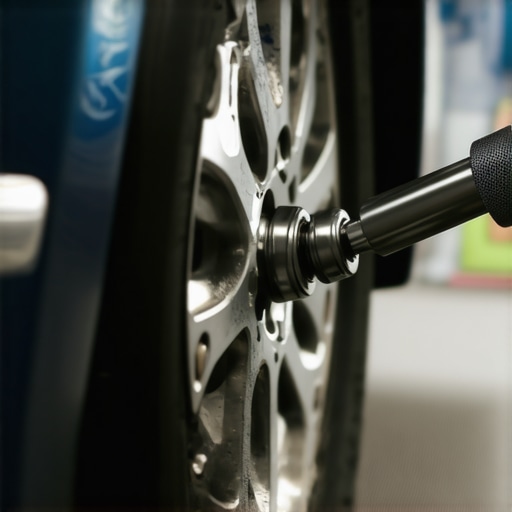
For routine tasks like fluid changes and filter replacements, high-quality tools make the process efficient and effective. I rely on a hydraulic transmission jack for safe and precise lowering of the transmission during fluid flushes or repairs. Additionally, a digital torque wrench ensures that bolts are tightened to manufacturer specifications, preventing leaks or damage. Proper tools not only streamline the process but also protect your vehicle, minimizing downtime and repair costs.
Implement Consistent Fluid Monitoring
One of the most underrated aspects of transmission maintenance is regular fluid analysis. I recommend using a transmission fluid test kit to check for contaminants and degradation. By sending a small sample to a laboratory periodically, you can detect early signs of wear particles or coolant leaks. This proactive approach helps in scheduling timely fluid changes, which are critical for CVT longevity. Over time, maintaining clean, high-quality fluid reduces wear on sensitive components, as highlighted in Expert Transmission System Tips.
Plan for Future Automation and Monitoring Trends
The automotive industry is heading toward smarter, AI-driven maintenance solutions. I foresee a future where vehicles will come equipped with built-in sensors that continuously monitor transmission health and automatically alert you or your mechanic of issues. Integration of IoT devices with cloud analytics will make long-term maintenance more predictive than reactive, saving drivers time and money. Embracing these trends now by investing in current diagnostic tools prepares you for seamless transition into the future.
How do I keep my transmission system working smoothly over time?
The key lies in regular diagnostics, using top-notch equipment, and staying ahead with proactive maintenance strategies. Regularly monitor fluid condition with test kits, utilize reliable diagnostic software for real-time insights, and ensure you have the right tools for routine repairs. For comprehensive guidance on transmission care, see this cornerstone article and incorporate these techniques into your vehicle upkeep routine. Trying out an advanced diagnostic method today can make all the difference in preventing costly failures tomorrow.
What I Wish I Knew About Transmission Sounds Early On
One of the most valuable lessons I learned was paying attention to subtle signs before they become emergencies. That high-pitched CVT whine was a warning, but in my eagerness to ignore problems, I missed it. Now, I realize that early detection and quick action could save a lot of money and stress. Trust me, recognizing small symptoms can prevent major repairs later, especially with complex systems like the transmission.
The Hidden Power of Proper Diagnostic Tools
My journey taught me that investing in quality diagnostic equipment, like advanced diagnostic tools, can uncover issues your eyes might miss. They provide real-time insights into fluid conditions, pressure readings, and system behaviors. This proactive approach means catching problems early, making repairs more affordable and efficient. Trusted tools can turn everyday drivers into DIY transmission detectives, which is essential for maintaining longevity.
Conversations That Changed My Approach to Car Care
Talking with experienced mechanics opened my eyes to the importance of regular maintenance over reactive fixes. They emphasized that routine checks—like fluid analysis and leak inspections—are your best friends in preventing transmission failures. These conversations inspired me to schedule consistent maintenance, rather than waiting for strange noises or shifts. Continual learning helps you become the guy or gal who keeps your car in peak shape, saving thousands over time.
Stay Curious and Keep Learning
My biggest takeaway is that auto care isn’t just about fixing what’s broken. It’s about understanding your vehicle’s signals and staying ahead of potential issues. Delve into guides, like the core articles on transmission health, to keep your knowledge sharp. A curious driver is a safe driver, equipped to address problems before they escalate, especially with nuanced systems like CVTs.
Jane Elizabeth Carter
Reading through this post really made me reflect on my own experience with CVT issues. I vividly remember ignoring a faint whine that started after a long road trip, thinking it was just normal noise. It wasn’t until the sound grew louder and more persistent that I finally took action—by then, it was a costly fix. This highlights how crucial early detection is. I’ve started monitoring my transmission fluid more regularly now, especially after hearing how degraded fluid can cause whining sounds. I find that having the right tools, like a good diagnostic scanner, really makes a difference in catching problems early. Has anyone here tried using advanced diagnostic software themselves? What has been your experience with it in diagnosing CVT problems? I believe investing in proper maintenance tools and staying proactive can save us a lot of stress and money in the long run.