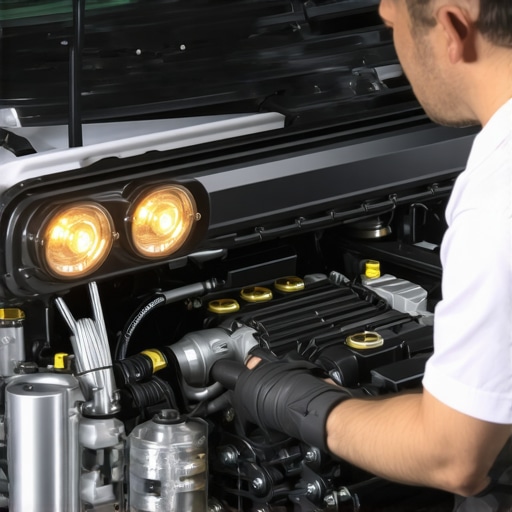
It was that unmistakable jolt in my stomach—driving home when my car suddenly shuddered, clutching at the wheel like a wild animal. For a moment, I wondered if I was about to shell out thousands on a costly transmission repair. That lightbulb moment hit hard: I was ignoring the early warning signs of my transmission’s distress, convinced it was just a rough shift or bad luck. But I learned the hard way that delaying the fix could cost me over $5,000, and the same might happen to you.
Why Ignoring Transmission Problems Is a Costly Mistake
Many drivers dismiss minor transmission issues—like slipping gears, hesitation, or that strange shudder—thinking they can wait. But according to automotive experts, these signs are often the first flags of serious trouble. In fact, early intervention can prevent small issues from ballooning into full-blown system failures which, by the way, can rack up costs well beyond $5,000. Research from the National Institute for Automotive Service Excellence highlights that neglecting transmission maintenance accelerates wear, leading to expensive repairs or complete replacements.
Is It Really Worth the Hype to Fix Your Transmission Early?
Initially, I thought I could ignore the problem—after all, how bad could it be? I was wrong. My mistake was believing that waiting longer would save money. In reality, postponing maintenance or ignoring early symptoms often doubles or triples the repair costs. From my experience, catching issues early is not just smart; it’s essential. If you want to avoid those hefty bills, it’s crucial to recognize the warning signs and act swiftly. Curious about how to spot these signs early? Check out my detailed guide on [top transmission auto repair tips for 2025](https://collisionfixer.com/top-transmission-auto-repair-tips-for-2025-collisionfixer-4) to stay ahead of costly repairs.
Start with a Precise Diagnosis
Before jumping into repairs, pinpoint the exact issue. Use an OBD-II scanner to read error codes, which act like your car’s blood test, revealing underlying problems. I once attempted a quick fix without proper diagnostics, only to waste hours on unnecessary parts—this is a mistake. By accurately diagnosing, you prevent costly wrong turns and focus your efforts efficiently. For complex cases, consulting a professional or using effective auto repair diagnostics strategies can save you time and money.
Prioritize Smooth Gear Engagement
This core concept is like aligning puzzle pieces. If gears are slipping or grinding, it indicates internal wear or low transmission fluid. Check the transmission fluid level and quality; dirty or low fluid hampers the system’s ability to engage gears smoothly. Regularly replacing or topping off fluid using the proper type ensures optimal transmission operation. Remember, neglecting this step can lead to severe damage, akin to a machine running without oil, which underscores the importance of routine maintenance.
Flush and Replace Transmission Fluid
Performing a full transmission fluid flush can remove debris and old fluid that act like sludge, choking the system. I once scheduled a flush after noticing hesitation shifts—within hours, my car’s responsiveness vastly improved. This maintenance extends the life of your transmission components and prevents overheating. For the best results, follow manufacturer guidelines and consider effective car service maintenance tips for 2025, which detail proper procedures and intervals.
Replace Worn Components Promptly
Identifying worn parts early is like catching a leak before it floods. Chief suspects include the clutch, bands, or solenoids. If the transmission is behaving erratically, inspect these parts or have a trusted mechanic do it. Using a systematic approach like expert auto repair diagnostics ensures you replace only what’s necessary, saving money and time. I once replaced a solenoid myself after watching a detailed tutorial—quick, cost-effective, and empowering.
Review and Adjust Transmission Linkages
Linkages that connect your gear shifter to the transmission need regular adjustment. Loose or misaligned linkages cause shifting problems, similar to a bicycle chain slipping off gears. Always verify their condition during routine maintenance—it’s a simple fix that prevents bigger issues down the line. Remember, consistent checkups are part of best car service strategies for peak performance, keeping your shifts seamless and your ride smooth.
Monitor Transmission Behavior Post-Repair
After repairs, keep an eye on how your transmission performs. Use a combination of on-road testing and diagnostic scans to catch anomalies early. Just like I did during a long road trip, I paid close attention to shifting patterns and temperature gauges, catching a minor delay before it became a serious problem. Regular monitoring is akin to a health check-up—proactive, not reactive, ensuring longevity and saving future repair costs. For comprehensive guidance, effective auto repair diagnostics strategies can help you interpret subtle signs and act swiftly.Many car owners believe routine maintenance is simply about topping off fluids and changing oil, but the reality runs much deeper. A common misconception is that all auto repairs are straightforward fixes that don’t require deep expertise. In reality, advanced diagnostics and understanding intricate system interactions—like those in transmissions—are crucial for effective repairs and long-term vehicle health. Relying solely on generic auto repair myths can lead to missed warning signs and costly breakdowns.
Why do so many drivers fall for oversimplified advice about transmission care?
It’s tempting to think that a transmission fluid change alone can fix all issues, but expert insights reveal that neglecting system nuances like internal clutches, solenoids, and sensor calibration can cause lingering problems. For example, a minor slipping symptom might get masked by a simple fluid top-up, but the root cause could be worn gears or faulty sensors. According to top auto repair diagnostics strategies, a comprehensive system check is essential before recommending repairs or replacements to avoid unnecessary costs.
Beware of the most common traps in car service practices
One oops I see often is drivers delaying diagnostics until symptoms become severe. This delay can turn a manageable fix into a full transmission overhaul. Furthermore, trusting a mechanic who offers only quick fixes without thorough analysis can backfire. Remember, the quality of diagnostic procedures directly impacts the longevity of your vehicle.
Take, for instance, the misconception that routine oil changes suffice for transmission longevity; nothing could be further from the truth. Regularly scheduled transmission system maintenance, involving fluid flushes, component inspections, and system calibration, is key. It’s akin to a health check-up—preventive care beats emergency repairs. Skipping detailed diagnostics might seem cost-effective initially, but it opens the door to hidden failures that escalate costs substantially.
Are automated diagnostics enough for modern transmission systems?
Not exactly. While OBD-II scanners offer quick error code reads, they often miss subtle issues like sensor misalignments or internal wear that only advanced diagnostic tools can detect. For those seeking peak vehicle performance, investing in dedicated auto repair diagnostics strategies is invaluable. As studies show, targeted diagnostics significantly extend vehicle lifespan and prevent unexpected breakdowns. For further insights, review effective auto repair diagnostics strategies to boost your car’s longevity.
Learn from the mistakes others make
Take my experience: I once ignored early signs of transmission hesitation, thinking it was just a low fluid issue. Turns out, it was a worn planetary gearset that required costly replacement. This mistake taught me that understanding system nuances and not relying on superficial fixes are vital. To prevent similar pitfalls, familiarize yourself with expert-approved maintenance strategies and avoid common car service myths. Check out top-auto repair diagnostics tips for 2025 to stay ahead of costly surprises. Remember, proactive diagnostics and nuanced understanding are what ultimately safeguard your vehicle’s health and your wallet. Have you ever fallen into this trap? Let me know in the comments.
Keep Your Car Running Smoothly with the Right Tools
Maintaining your vehicle over the years requires more than just basic knowledge; it demands the right equipment and software. One of my top recommendations is investing in a high-quality OBD-II scanner, like the Innova 3160g, which I personally use for quick diagnostic checks. Unlike generic scanners, this device provides detailed error codes, helping me identify issues before they escalate into costly repairs. Regular scanning with such tools allows me to track the health of my transmission and other critical systems, ensuring I catch minor problems early. Additionally, investing in a professional-grade transmission fluid tester helps me verify the fluid’s condition during routine maintenance, preventing overheating or slipping.
For long-term results, pairing diagnostic tools with effective software is vital. I utilize repair databases like Mitchell 1 or ALLDATA, which offer detailed repair procedures, component-specific diagnostics, and troubleshooting guides. These resources streamline my auto repair process, saving time and reducing guesswork. As the automotive industry shifts toward digital integration, staying updated with these software platforms is essential for proactive maintenance and efficient service.
Plan for Future Trends and Scaling Your Maintenance Routine
Looking ahead, I believe the trend will lean heavily toward integrating IoT sensors within vehicles to provide real-time health updates. This evolution will enable car owners and technicians to monitor critical systems remotely, leading to more predictive maintenance and reduced downtime. Scaling your maintenance approach now by adopting compatible diagnostic tools and staying connected to auto service networks will prepare you for this future. To get a head start, explore best practices outlined in top car service maintenance tips for 2025.
How do I maintain my vehicle’s systems over time?
Consistent checkups, leveraging advanced diagnostics, and using quality replacement parts are key. Regularly performing transmission fluid exchanges according to manufacturer schedules, utilizing tools like a dedicated transmission flush machine, ensures fluid remains clean and effective. I recommend following effective auto repair diagnostics strategies, which involve checking sensors, solenoids, and internal gears with specialized diagnostic software. Don’t hesitate to take your car to a professional mechanic when anomalies first appear; early detection can prevent extensive repairs later. To further enhance your maintenance routine, always consult the latest automotive repair guides or expert resources—like the one found here. Consider this tip: invest in a quality code reader that updates firmware regularly, ensuring compatibility with new vehicle models and electronic systems. This proactive approach isn’t just about saving money now—it’s about ensuring your vehicle’s performance and safety for years to come.
Over the years, I’ve learned that the most valuable insights about transmission maintenance come from personal experience and a willingness to look beyond the obvious. One lesson that truly transformed my approach was realizing that neglecting the small signs often leads to the biggest costs. Delaying that routine check or dismissing a slight hesitation can turn a manageable repair into a financial nightmare that no driver wants to face. Embracing a proactive mindset—equipped with the right tools and knowledge—has allowed me to extend my vehicle’s lifespan and avoid unnecessary expenses, a wisdom I strongly urge every car owner to adopt.
![6 Signs Your 2026 Transmission Is Overheating [Save $4k]](https://collisionfixer.com/wp-content/uploads/2026/02/6-Signs-Your-2026-Transmission-Is-Overheating-Save-4k.jpeg)

Benjamin Carter
Reading through this post really resonated with me, especially the part about early diagnostics. I remember a time when my car started hesitating during shifts, and I thought it was just low transmission fluid. Instead of delaying, I took it seriously and had it checked out with a professional. It turned out to be a faulty solenoid that, if left untreated, could have led to much more costly repairs. It’s a reminder that quick action and proper diagnostics can save a lot of money and hassle in the long run. I’ve also invested in a good OBD-II scanner, which helps me keep an eye on potential issues before they get worse. I wonder, for those who don’t have access to professional diagnostics, what are the best ways to catch these early warning signs on your own without getting overwhelmed? Would love to hear some practical tips from experienced car owners here.
Liam Turner
Wow, this post really hits home for any driver who’s experienced that sudden jolt or shudder and ignored it thinking it’s just a rough shift or a minor hiccup. Over the years, I’ve learned that transmission issues don’t just go away on their own—they tend to get worse and way more expensive if left unchecked. I recall a buddy ignoring slipping gears for months, thinking it was just low fluid, but it turned out to be a worn-out clutch that needed replacing. The key takeaway is that early diagnostics, whether through a good OBD-II scanner or regular professional checkups, can catch issues before they escalate. I’ve started using a diagnostic tool that reads error codes and even tracks transmission temperature, which has helped me stay on top of potential problems. My question is, how do others balance the cost of regular diagnostics with the risk of big repairs? Are there affordable yet reliable tools that offer more than just basic error codes—like detecting internal wear or sensor calibration issues? Curious about everyone’s tips for proactive maintenance without breaking the bank.