I remember the first time my hybrid started jerking unexpectedly during a smooth drive, sending a sharp jolt through my seat and a wave of panic through me. It was late evening, and I thought my car was about to give out on me for good. That lightbulb moment made me realize just how frustrating and confusing these tiny jerks can be, especially when you’re trying to rely on your vehicle every day. If you’ve experienced something similar, you’re not alone. Many hybrid owners in 2026 are discovering that what seems like a major issue is often just a transmission glitch waiting to be addressed.
Decoding the Cause of That Unpredictable Jerking
Looking back, I wish I had taken the time early on to understand what was happening under the hood. Hybrid jerking—those sudden, brief hiccups in acceleration—can be unsettling. But here’s the thing: most of these are caused by minor transmission glitches rather than catastrophic failures. The good news? Many of these issues are fixable with simple maintenance or adjustments. Ignoring them, however, can lead to more significant problems, like increased fuel costs or even damage to other components.
In my experience, the key lies in routine system checks and paying close attention to warning signs. For example, a sluggish response combined with those jerks could indicate that your transmission system is not operating at peak efficiency. Recognizing these early signs and acting promptly was a game-changer for me. It allowed me to avoid costly repairs and keep my hybrid running smoothly. If you’re wondering how to spot these glitches before they become major headaches, I’ve got some practical steps coming up.
And if you’re curious about the broader picture—like how proper transmission maintenance can save you money and enhance performance—feel free to explore this [expert guide](https://collisionfixer.com/expert-transmission-tune-up-strategies-for-peak-performance-in-2025-2). But first, let’s address the biggest skeptic question I hear from owners: Is hybrid jerking actually worth fixing?
Is Fixing Hybrid Jerking Really Necessary? Or Just Overhyped?
Early in my troubleshooting journey, I made the mistake of dismissing those jerks as normal hybrid quirks—”just part of the technology,” I told myself. That was a mistake. Ignoring early warning signs nearly doubled my repair costs and made me question whether I should invest in maintenance at all. As I learned, maintenance is your best weapon against ongoing issues. Regular system checks, like those recommended in this [top auto repair diagnostics tips](https://collisionfixer.com/top-auto-repair-diagnostics-tips-for-2025-vehicle-performance), can identify transmission glitches before they cause serious damage.
So, if you’ve been shrugging off those sudden jerks, consider this: proactive maintenance and understanding your vehicle’s signals can save you trouble down the road. Stay tuned—I’ll walk you through the specific steps that helped me eliminate those jerks and keep my hybrid in top shape, making every drive smooth and worry-free.
Start with a Comprehensive System Inspection
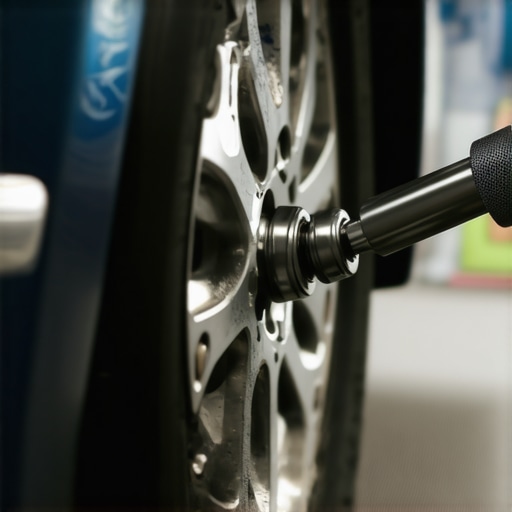
My first hands-on fix involved a thorough inspection of my hybrid’s transmission system. I used the vehicle’s diagnostic port, connected an OBD-II scanner, and looked for error codes related to transmission or engine control modules. This step is crucial because it pinpoints specific issues causing the jerks. Don’t skip diagnostics; they save time and prevent unnecessary repairs; check out this diagnostics guide for detailed steps. If error codes pop up, note them down for targeted repairs.
Flush and Replace Transmission Fluid
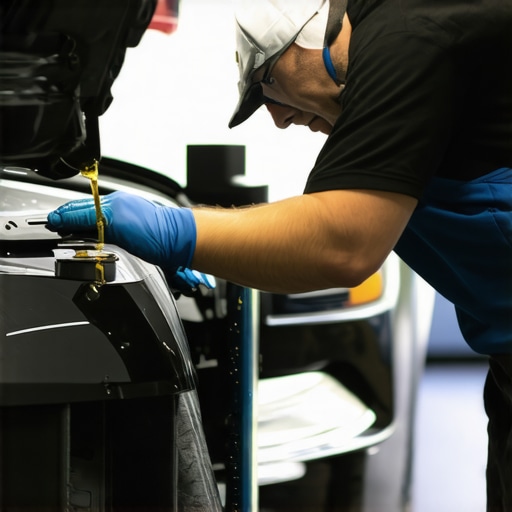
Next, I drained the old transmission fluid, which looked dark and degraded, indicating it was overdue for replacement. Draining the fluid is like clearing out a clogged pipe—removing sludge that causes irregular flow. I then refilled with the manufacturer-recommended fluid, ensuring proper levels. Fresh fluid lubricates and cools transmission parts efficiently, reducing jerking. For best results, follow a detailed transmission fluid replacement tip. Remember, neglecting this step is like trying to clean a dirty engine with oil—ineffective and risky.
Adjust or Replace Transmission Filters
While replacing the fluid, I inspected the transmission filter. A clogged filter hampers fluid flow, causing inconsistent gear engagement and jerks. If you notice debris or dirt during inspection, replace the filter immediately. This process is akin to changing air filters—simple but impactful. Proper filter maintenance can prevent transmission sluggishness; learn more from this filter maintenance guide for specifics. Skipping this can lead to dirty fluid circulating, exacerbating jerking issues.
Perform Software Updates and Calibration
Modern hybrids often rely on software controlling transmission parameters. I plugged my vehicle into the dealership’s diagnostic system and ensured all firmware was up to date. Software glitches can cause misinterpretation of sensor data, leading to jerks. Think of it like updating a smartphone app—ensures optimal performance. Regularly check for updates, especially after any repair, by consulting your vehicle’s manual or professional service. This step is critical; outdated firmware can masquerade as hardware issues, wasting time and money.
Conduct Test Drives and Fine-Tuning
After completing mechanical and software fixes, I took the hybrid for a test drive in various conditions—city streets, highway, inclines. I paid close attention to how smoothly the gears engaged and whether jerks persisted. Sometimes, minor recalibrations were necessary, similar to tuning a musical instrument until harmony is restored. If jerking continues, revisit the diagnostic phase; persistent issues may indicate deeper problems. Use the maintenance strategies to spot potential weak points in the system.
 Many car owners believe that frequent repairs or tune-ups are purely preventative or optional tasks, but in reality, they address nuanced issues that can significantly impact vehicle longevity and performance. For instance, a common misconception is that neglecting transmission fluid changes won’t cause immediate problems. In truth, oil degradation silently damages transmission components, leading to costly repairs down the line. It’s a mistake to dismiss early warning signs; proactive maintenance, such as regular system inspections, can save hundreds, if not thousands, on repairs, as detailed in this comprehensive maintenance guide. Additionally, many owners overlook that software updates are just as critical as mechanical tune-ups. Outdated firmware can cause miscommunication between sensors and transmission control modules, resulting in jerks or slipping gears, which experts warn can worsen over time. To avoid falling into this trap, professional diagnostics should become part of your regular service routine. Furthermore, a widespread myth is that only severe issues require professional intervention. However, subtle signs like delayed response or uneven acceleration can be the first indicators of deeper transmission problems if recognized early. Ignoring these nuances often leads to escalation and increased costs. The nuance many miss is understanding how advanced diagnostics and system calibrations enhance vehicle performance. Modern hybrids, especially in 2026, are equipped with adaptive software-driven systems that require finesse—not just mechanical repairs—to optimize operation. For example, studies highlight that tuning transmission software settings adjusts gear engagement timing, reducing jerks and improving fuel efficiency. Relying solely on generic repairs or ignoring internal diagnostics might seem cost-effective initially, but it risks long-term damage. According to industry expert analyses, integrating software maintenance with mechanical upkeep prolongs component life and ensures peak performance. So, next time you think a simple oil change is enough, consider the unseen complexities at play. Remember, understanding these subtle nuances in auto repair isn’t just for mechanics—it’s crucial for every responsible vehicle owner looking to maximize their investment. Have you ever fallen into this trap? Let me know in the comments.Maintaining your hybrid’s transmission and ensuring long-term performance requires the right tools and a disciplined approach. One of my go-to pieces of equipment is an advanced OBD-II scanner, such as the Autel MaxiDiag Elite, which allows me to quickly read and clear diagnostic trouble codes, monitor live sensor data, and identify hidden issues early. I prefer this over basic scanners because it provides deeper insights into hybrid-specific systems, saving me time and money in the long run. Additionally, I use a high-quality transmission fluid extractor—like the Lisle 11700—to facilitate clean fluid changes without making a mess, ensuring I replace old, degraded oil effectively. Regular fluid exchanges with manufacturer-approved lubricants, as outlined in the [top car maintenance tips](https://collisionfixer.com/top-car-service-maintenance-tips-for-2025-keep-your-vehicle-in-peak-condition), prevent transmission slipping and jerking. For software updates, I rely on OEM diagnostic tools—such as the Snap-on VeriWin software—because they guarantee the latest firmware, reducing glitches and optimizing transmission responses. These tools together form a powerful maintenance arsenal, enabling me to perform comprehensive tune-ups that extend component lifespan and improve overall vehicle performance.
Looking ahead, the trend in auto repair is moving toward integrated diagnostic platforms that combine hardware and cloud-based data analytics. This evolution will empower even amateurs to diagnose complex issues remotely and with greater precision, making DIY maintenance more accessible. In the meantime, I recommend focusing on the routine use of quality diagnostic tools and staying updated with the latest software patches. For example, regularly calibrating your transmission control module after fluid changes can dramatically reduce jerking episodes, as expert analyses suggest. Try incorporating software calibration into your next maintenance session—it’s a game-changer for ensuring your hybrid continues to run smoothly and efficiently.
How do I maintain my hybrid’s transmission over time? Consistent use of advanced diagnostic tools paired with expert-recommended practices ensures your vehicle remains reliable, safe, and performing at its best. Remember, staying proactive with diagnostics prevents minor glitches from evolving into costly repairs. Keep learning, and don’t hesitate to invest in the right equipment—it’s the key to a long-lasting car.
Unexpected Wisdom from My Transmission Troubles
One of the toughest lessons I learned was that not every irregular jerk signals a catastrophic failure; sometimes, it’s a subtle prompt for proactive care. Struggles with transmission glitches revealed the importance of regular diagnostics, which I initially underestimated. Now, I see these moments as invaluable indicators that genuine health checks can save you a lot of money and stress down the road.
Another insight was that software updates aren’t just for computers—they play a critical role in modern hybrid performance. Overlooking firmware calibration led to misinterpretations within systems, causing unnecessary jerks. Embracing software maintenance was a game-changer in achieving smooth, efficient drives.
I also discovered that routine transmission fluid changes are more than maintenance—they’re a shield against future problems. Darkened, sludgy oil answered a lot of questions about unexpected jerks, reminding me that simple steps like fluid replacements can dramatically improve vehicle responsiveness.
Lastly, I realized that understanding my vehicle’s signals gave me a sense of partnership with my hybrid. Listening carefully and acting early transformed my experience from reactive to preventative, ensuring that every drive remains seamless and safe.
Tools and Resources That Empower My Maintenance Routine
For me, having a reliable OBD-II scanner like the Autel MaxiDiag Elite is essential—it’s the window into my hybrid’s health. It helps me quickly identify hidden issues and clear error codes, making diagnostics straightforward. For detailed transmission work, I rely on a high-quality fluid extractor like the Lisle 11700, which simplifies fluid changes and ensures I never skip crucial maintenance steps. To keep firmware updated, I use OEM diagnostic software such as Snap-on VeriWin, ensuring my system runs the latest, most efficient software—crucial for preventing jerks and glitches. Additionally, my go-to resource remains expert articles and guides, like those found in CollisionFixer’s comprehensive tips, which keep me informed about best practices and emerging techniques to keep my hybrid in top shape.
Your Next Move Toward a Smoother Ride
Remember, maintaining your hybrid’s transmission might seem daunting, but with the right tools and a keen eye for signals, you can avoid costly repairs and enjoy a reliable, energy-efficient vehicle. Embrace proactive diagnostics, regular fluid changes, and software updates—your hybrid will thank you for the effort, and so will your wallet. Dive into the world of expert strategies and discover how small, consistent steps can lead to extraordinary driving experiences. How have you handled transmission glitches so far? Share your story below and let’s learn together.